+86-18367343973

 English
 Español
 عربى
عربى
Article Directory
Roof eaves take a constant beating from rain, humidity, and temperature swings, which is why PVC soffit boards have overtaken wood, aluminum, and fiber cement as the default choice for builders who want a panel that won't rot, warp, or demand repainting every few years.
What PVC Soffit Boards Are
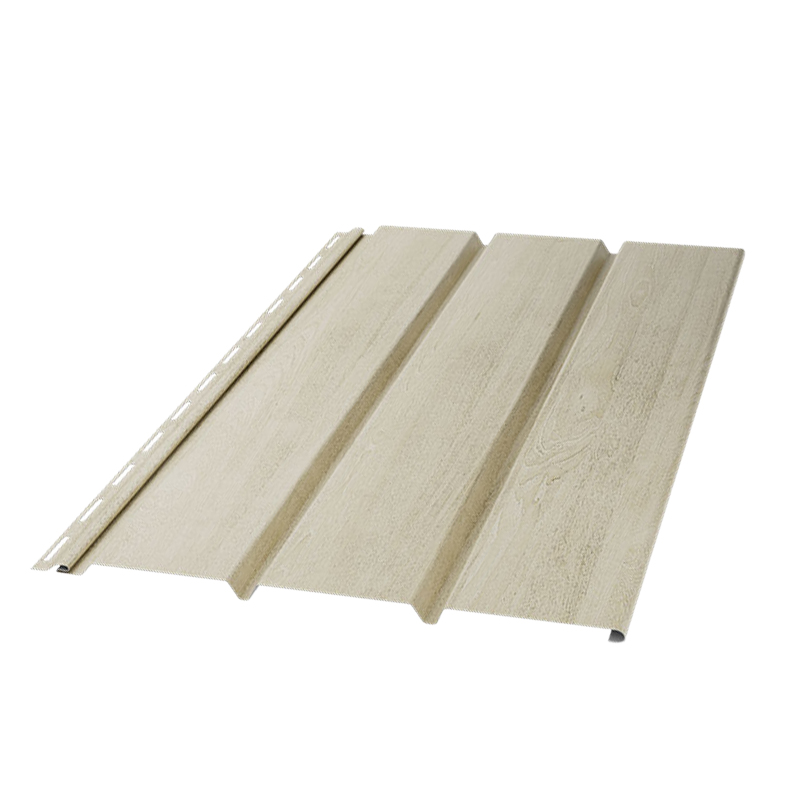
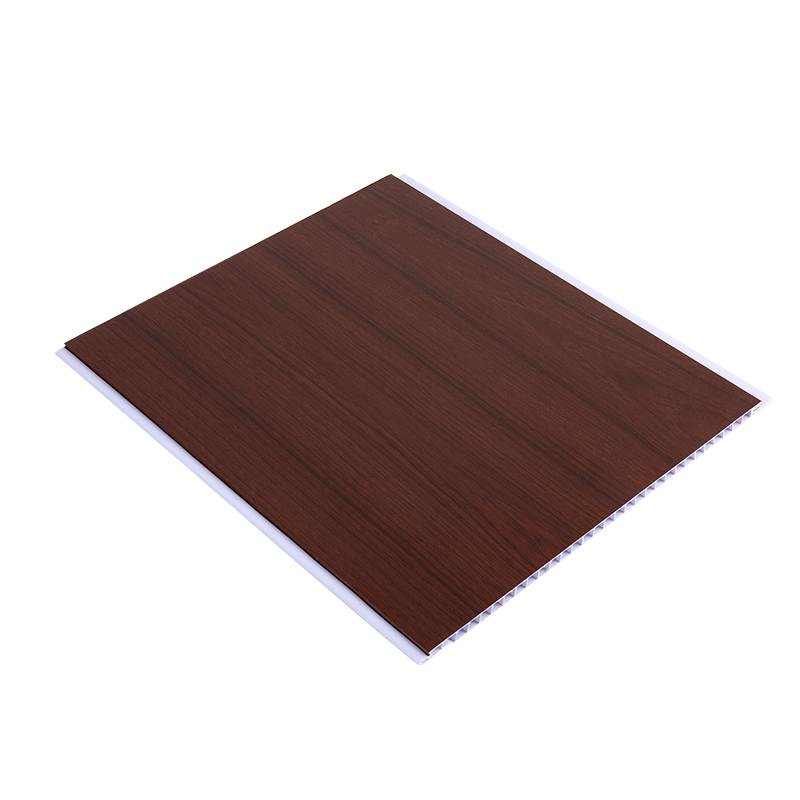
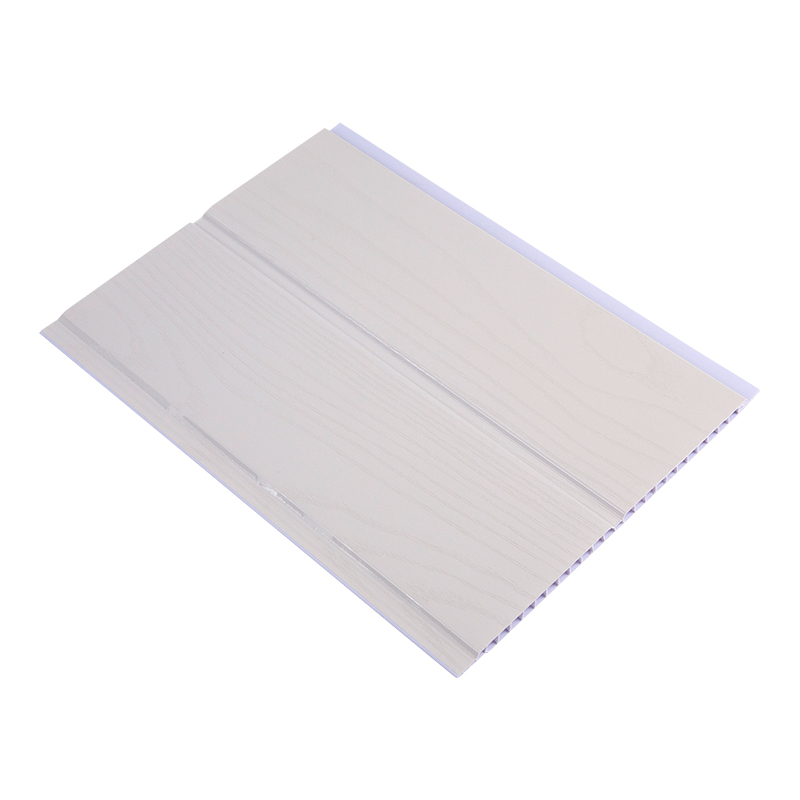
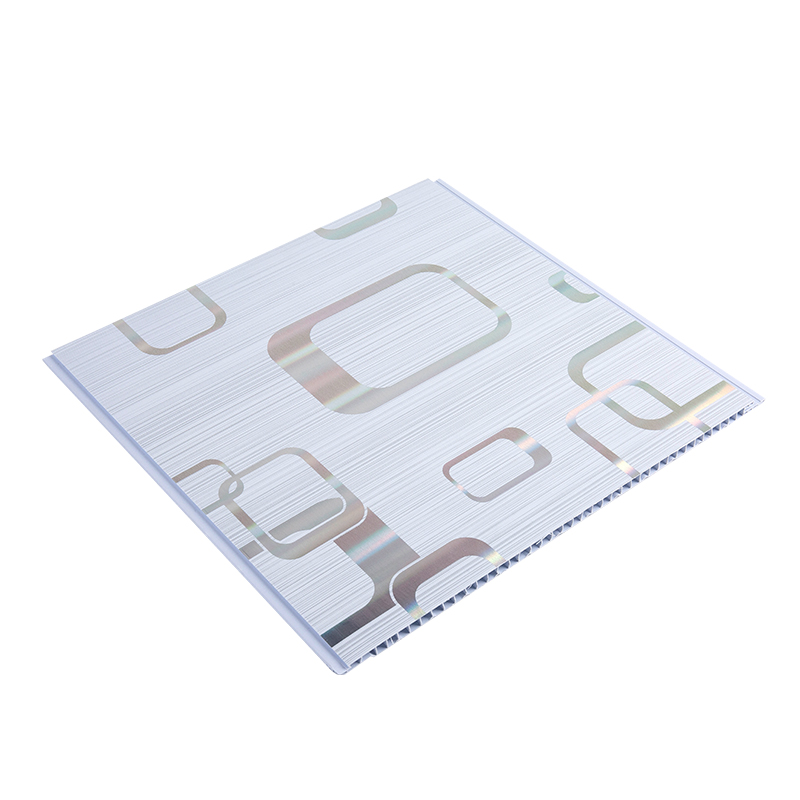
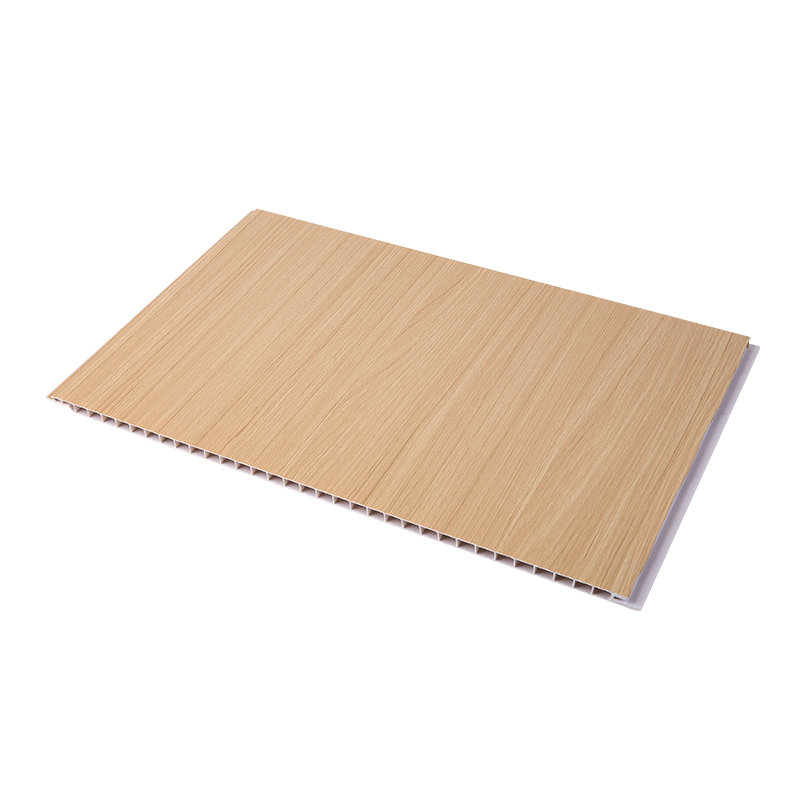
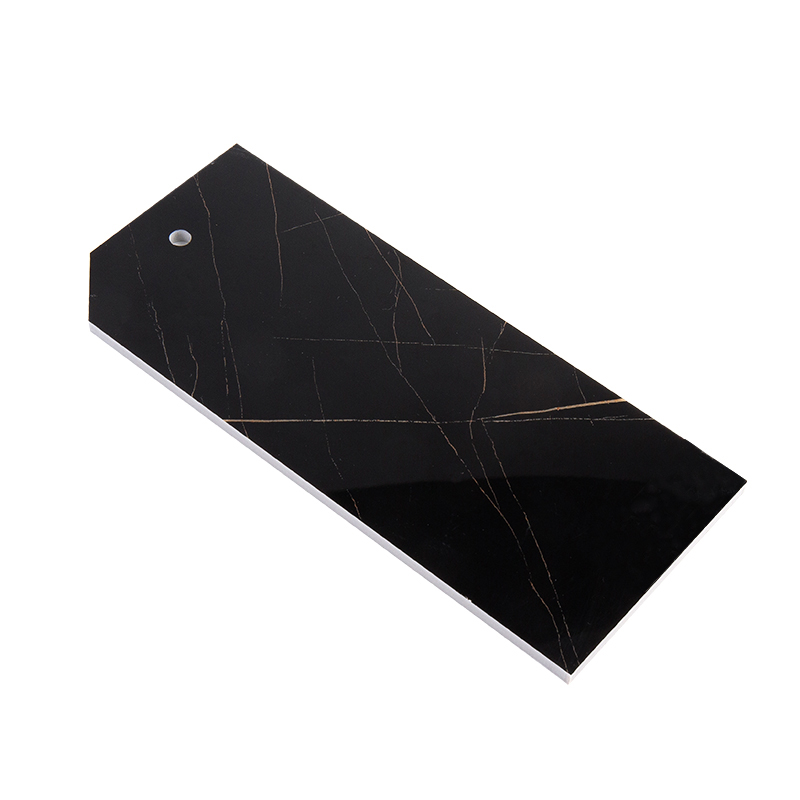
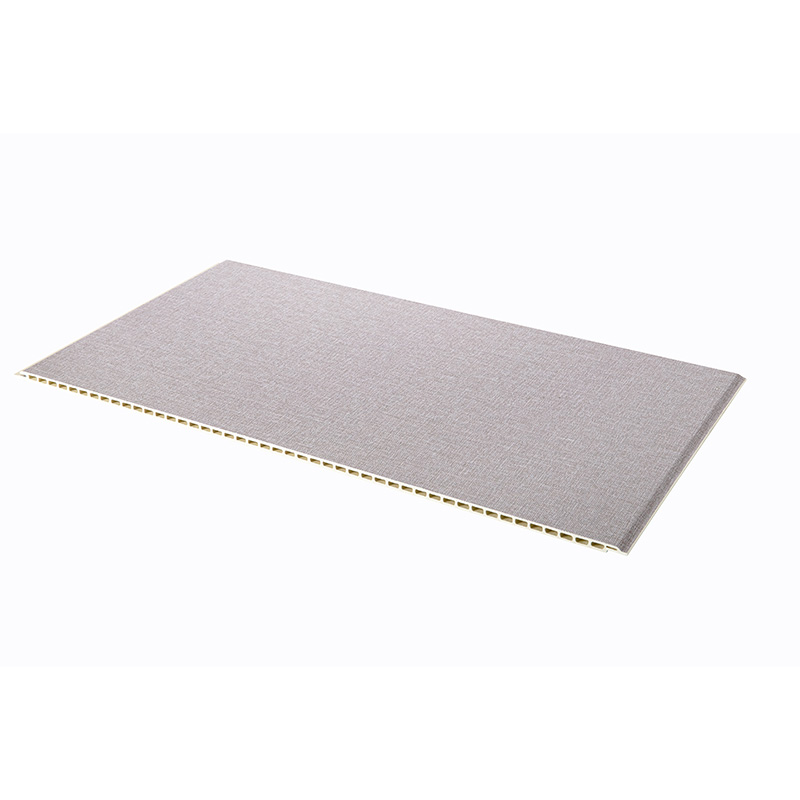
PVC soffit boards are exterior panels made from polyvinyl chloride, installed beneath roof eaves to close off exposed rafters while managing airflow into the attic space. Builders choose between solid panels for maximum coverage, vented panels for controlled ventilation, and decorative panels for finished architectural detail — often mixing all three across a single project.
0%Water absorption into the panel core
ZeroRepainting required over service life
LightWeight class vs fiber cement
PVC Soffit Boards vs Wood, Aluminum, and Fiber Cement
Durability under moisture is where the comparison gets decided. PVC does not swell, rot, or feed insects the way untreated wood can, while staying considerably lighter to handle on-site than fiber cement.
PVC Panels
- Excellent moisture resistance
- Low, near-zero maintenance
- Lightweight, fast to install
- Wide range of finishes
Wood / Fiber Cement
- Vulnerable to moisture and decay
- Regular sealing or repainting
- Heavier, slower installation
- More limited finish options
| Property | PVC | Wood | Aluminum | Fiber Cement |
| Moisture resistance | Excellent | Low | Excellent | Good |
| Maintenance | Low | High | Low | Medium |
| Weight | Light | Medium | Light | Heavy |
| Rot resistance | Excellent | Poor | Excellent | Excellent |
A soffit panel that never needs repainting pays for itself the first time a homeowner skips the ladder and the paint can.
Where PVC Soffit Boards Get Used
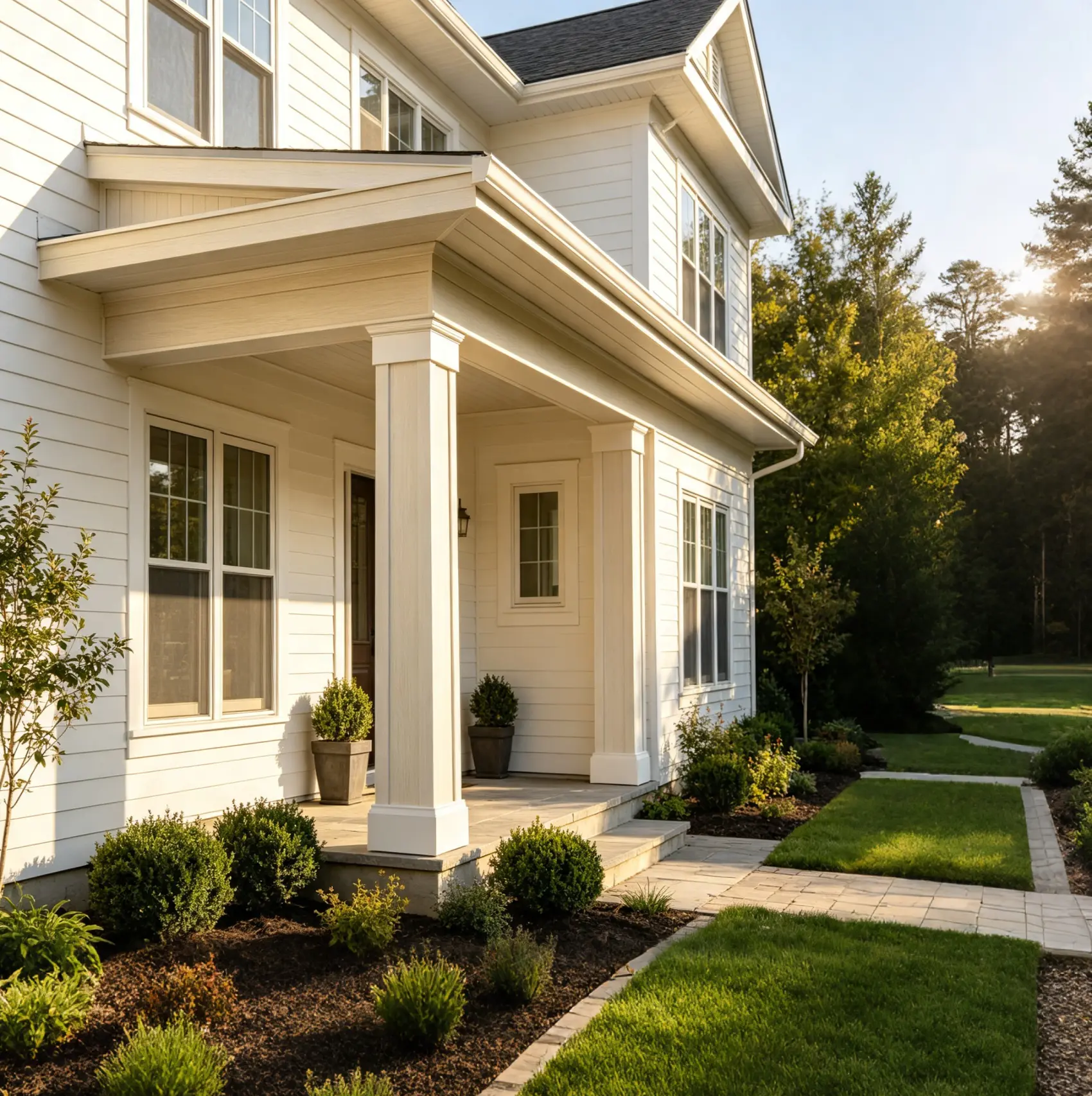
Residential roof eaves and porch ceilings are the most common application, valued for finish quality and low upkeep. Commercial buildings favor PVC for its long service life and consistent appearance across large facades, while renovation projects use it to replace failing wood or fiber cement without the installation complexity that heavier materials demand.
How PVC Soffit Boards Are Manufactured
- 1
Compound preparation — PVC is blended with additives for UV stability and mechanical strength.
- 2
Extrusion — heated material is shaped into panel profiles with the target surface texture.
- 3
Surface finishing — embossing, lamination, or printing add color and design detail.
- 4
Quality inspection — dimensional accuracy, impact resistance, and color consistency are checked before shipment.
Choosing the Right Soffit Panel
- Match ventilation needs to solid, vented, or decorative panel types
- Check UV resistance and panel thickness for local climate demands
- Confirm the finish matches roofline and exterior wall design
- Evaluate supplier consistency and customization ability before ordering
Frequently Asked Questions
Do PVC soffit boards need to be painted?
No. PVC soffit boards hold their color and finish without repainting, which is one of the main reasons builders choose them over wood.
Are PVC soffit boards suitable for humid climates?
Yes. PVC does not absorb water, so it resists swelling, warping, and rot in humid or high-rainfall environments far better than untreated wood.
How do vented PVC soffit boards differ from solid panels?
Vented panels include integrated openings that improve attic airflow and reduce moisture buildup, while solid panels prioritize maximum coverage and protection.
Are PVC soffit boards heavier than aluminum soffit?
No. Both are lightweight compared with fiber cement, making installation faster than heavier traditional materials.
For builders prioritizing moisture resistance, low maintenance, and installation speed, PVC soffit boards continue to replace wood, aluminum, and fiber cement across residential, commercial, and renovation projects alike.