Product Features
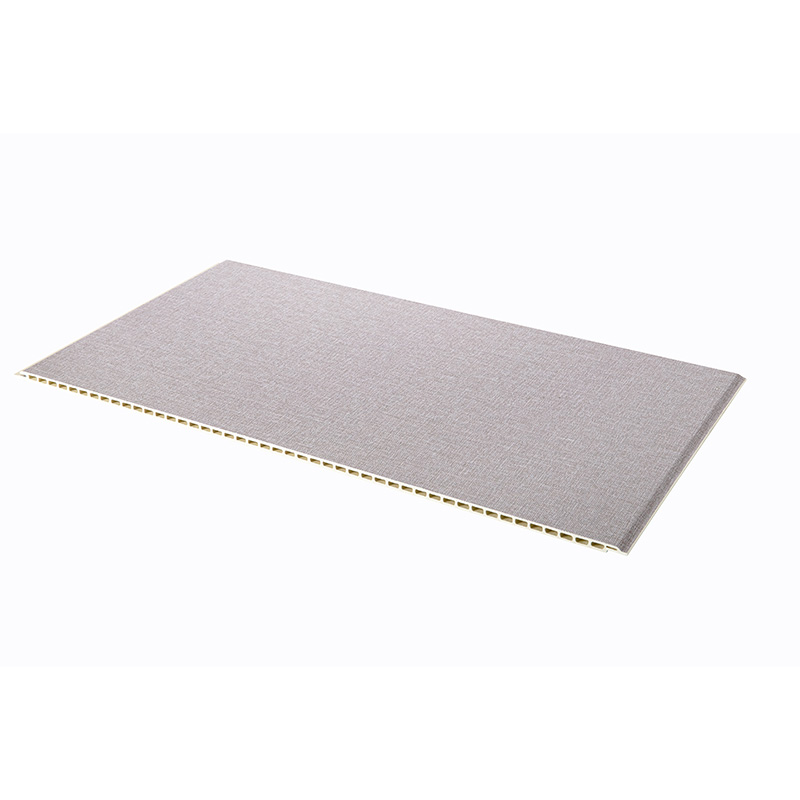
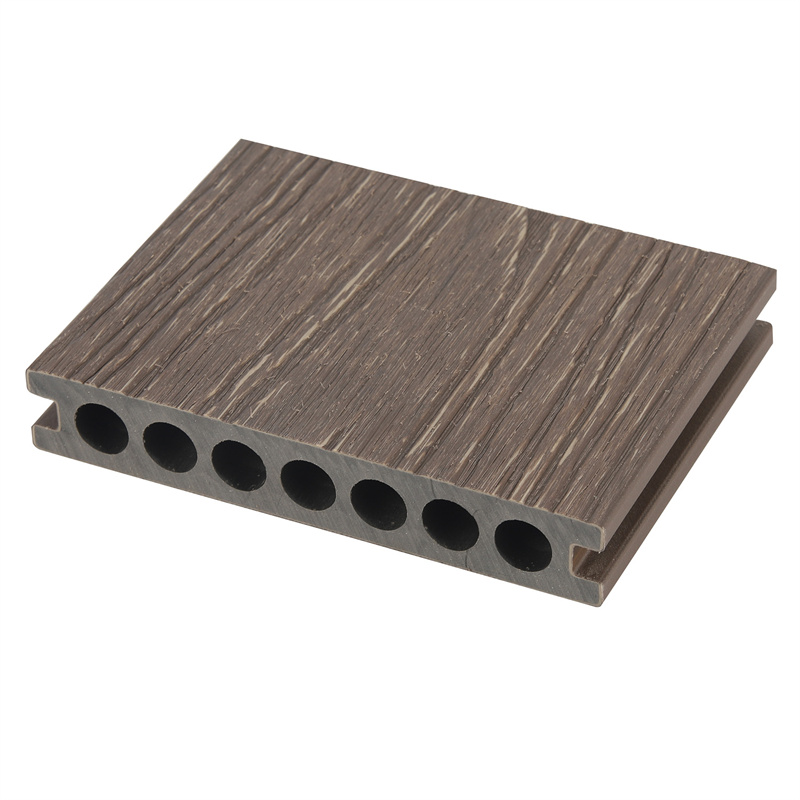
- Wood-Plastic Composite (WPC) Core Structure: Combines wood fibers and thermoplastic polymers for dimensional stability and resistance to moisture-related expansion or warping.
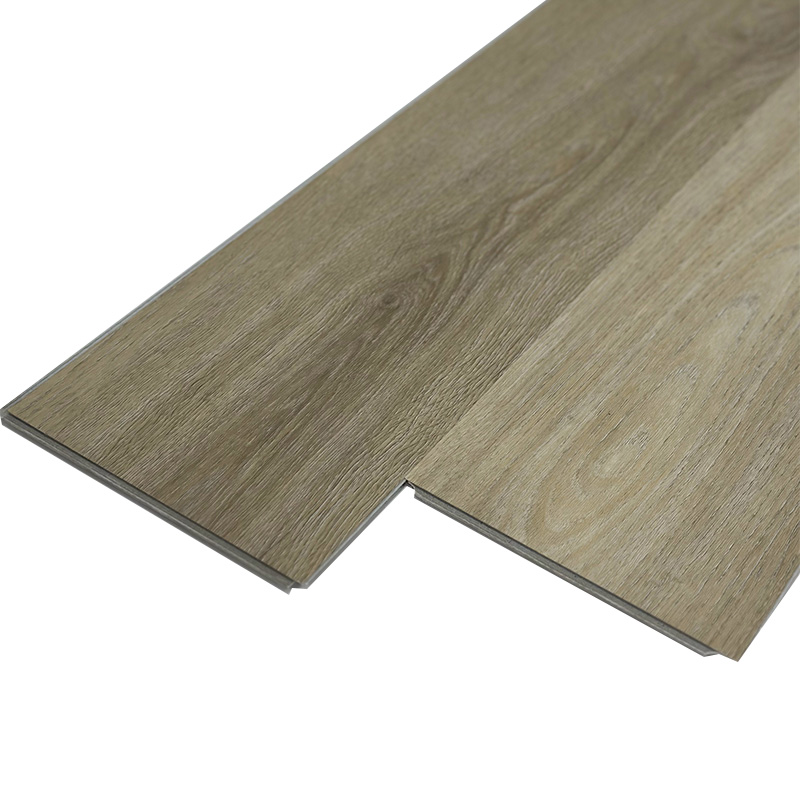
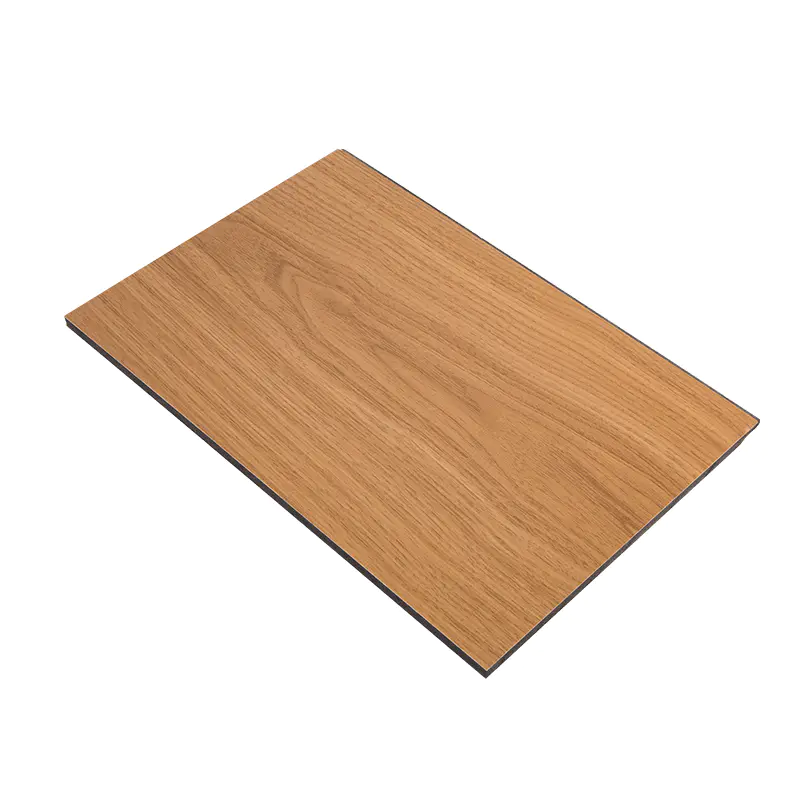
- Authentic Wood Veneer Surface: Features a real wood veneer layer, providing the aesthetic and tactile properties of natural timber.
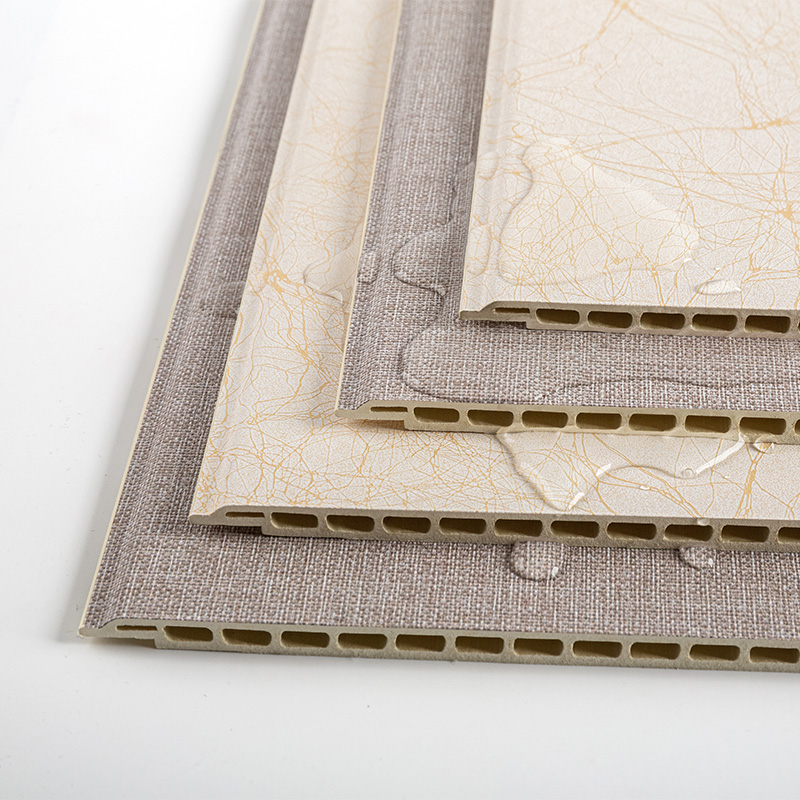
- Low Maintenance and Hygienic Surface: The sealed surface resists staining, does not require painting or sealing, and is easy to clean with standard non-abrasive cleaners.
Product Description
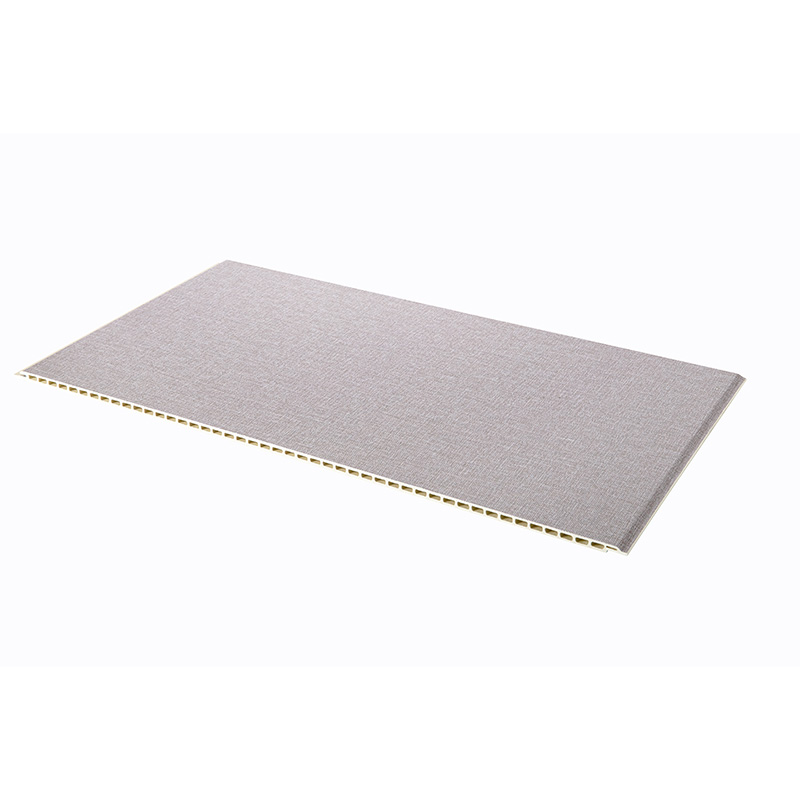
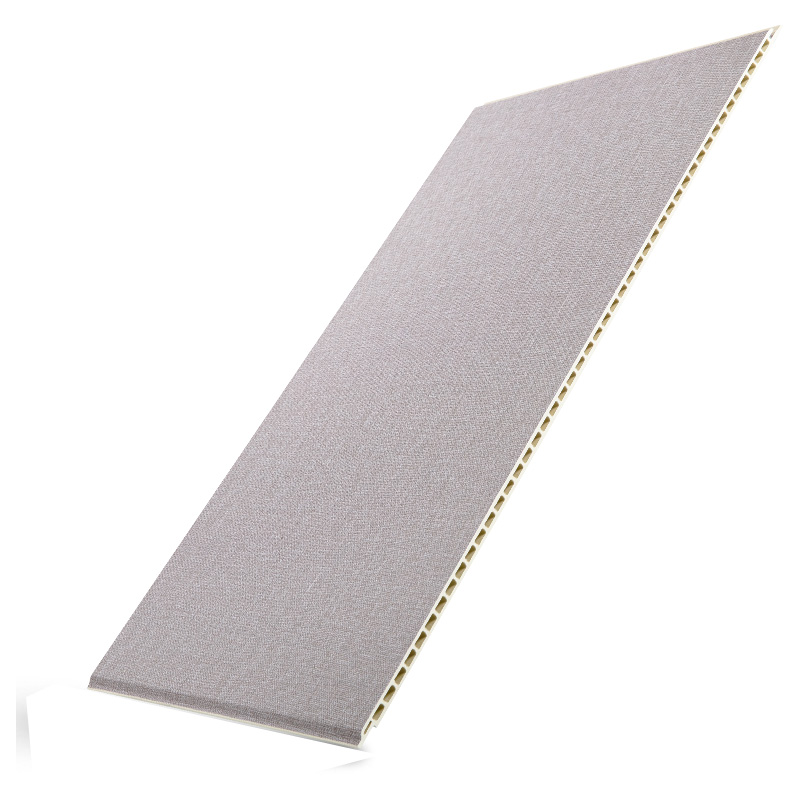
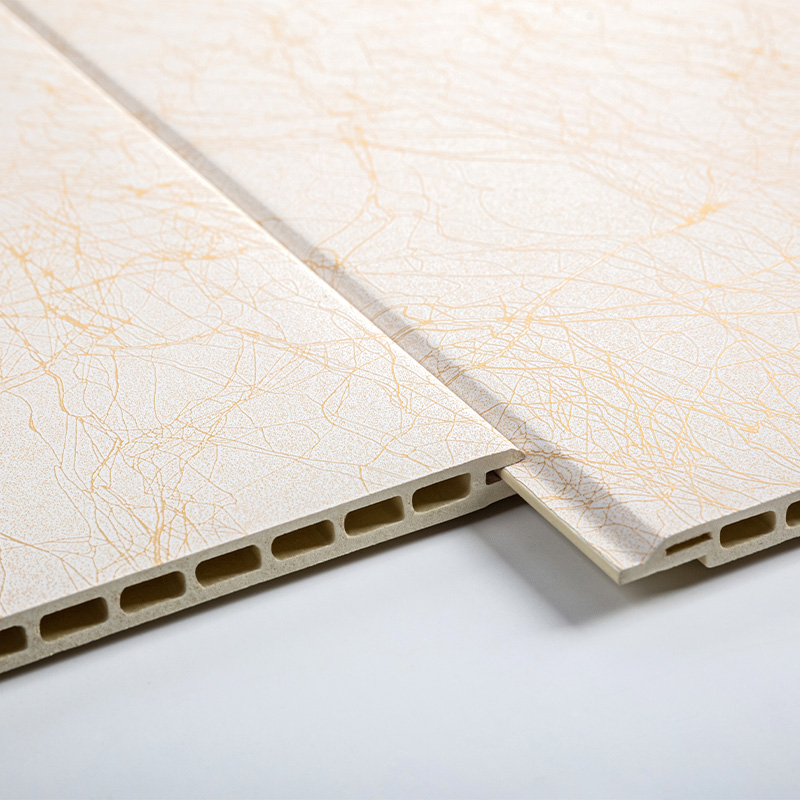
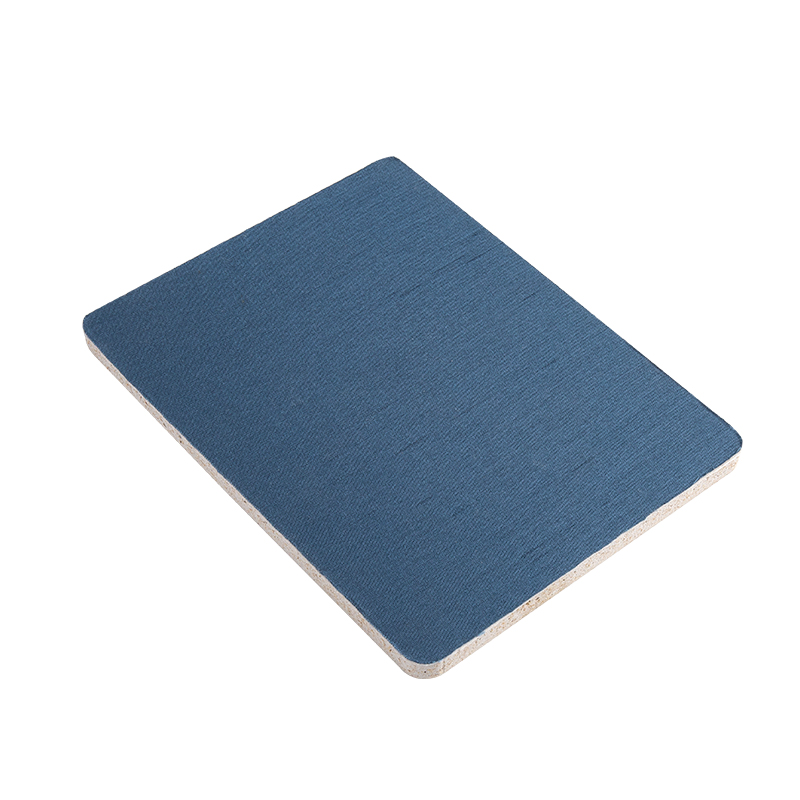
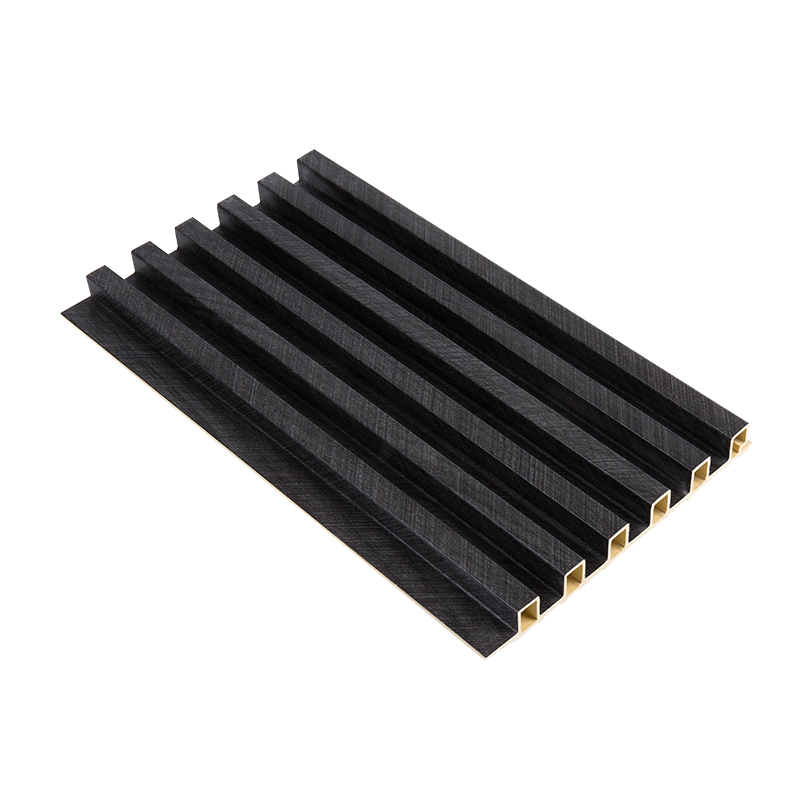
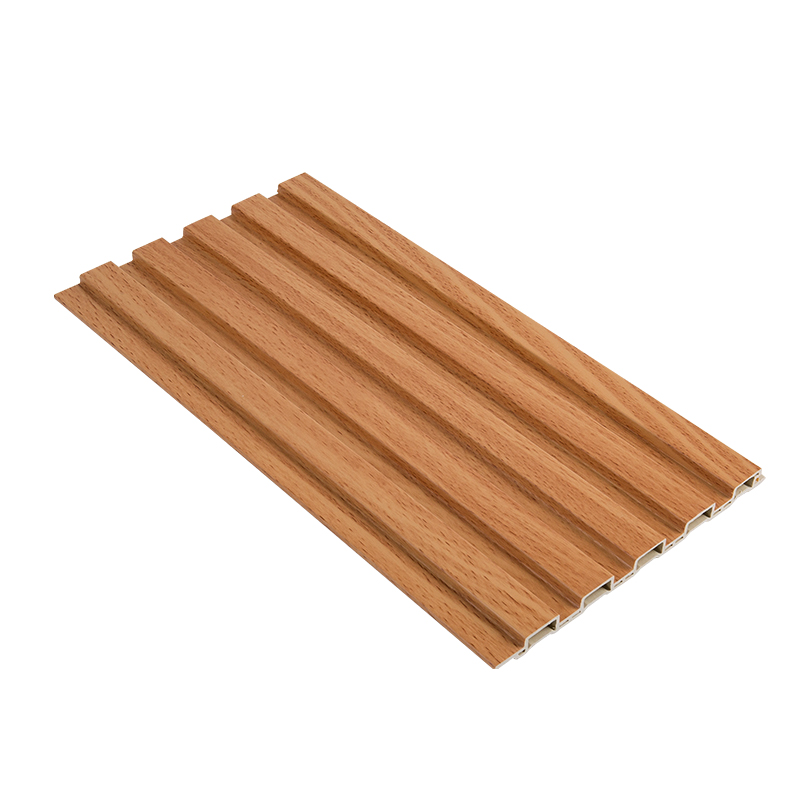
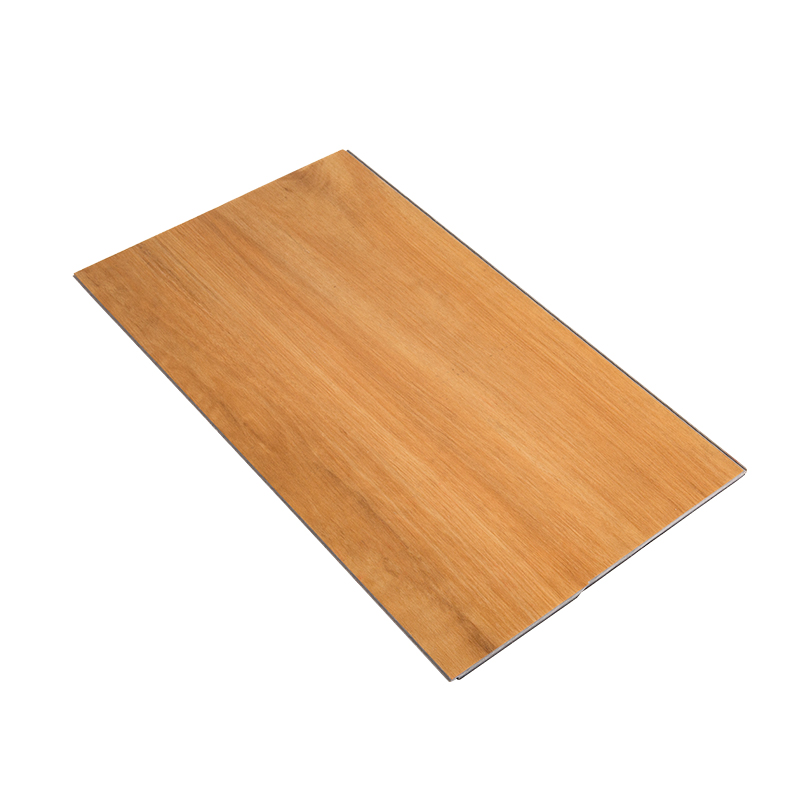
These WPC wood veneer boards are engineered for interior wall and ceiling cladding applications. The core is a composite material formulated from reclaimed wood fibers and recycled plastics, overlaid with a thin slice of natural wood. This construction merges the visual appeal of real wood with the performance characteristics of modern composites.
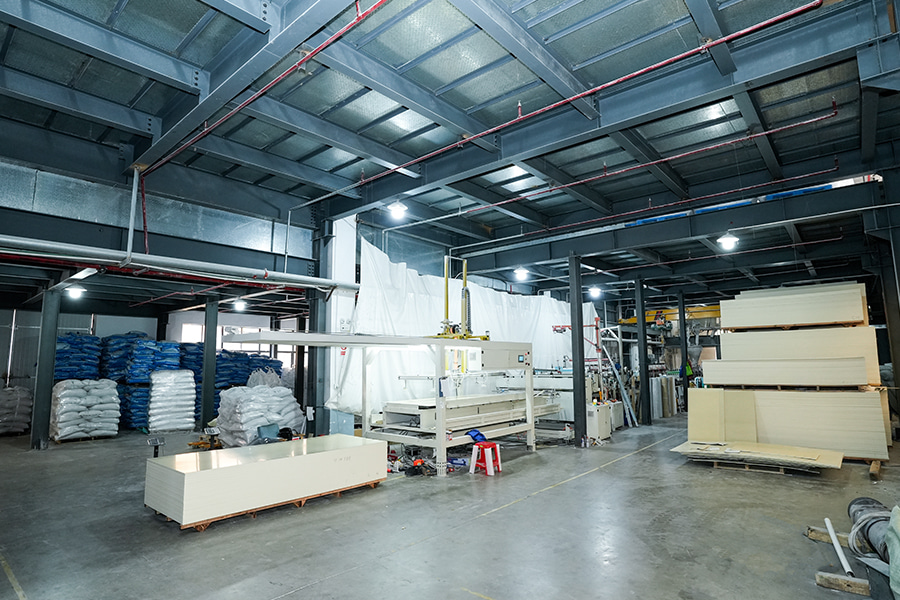
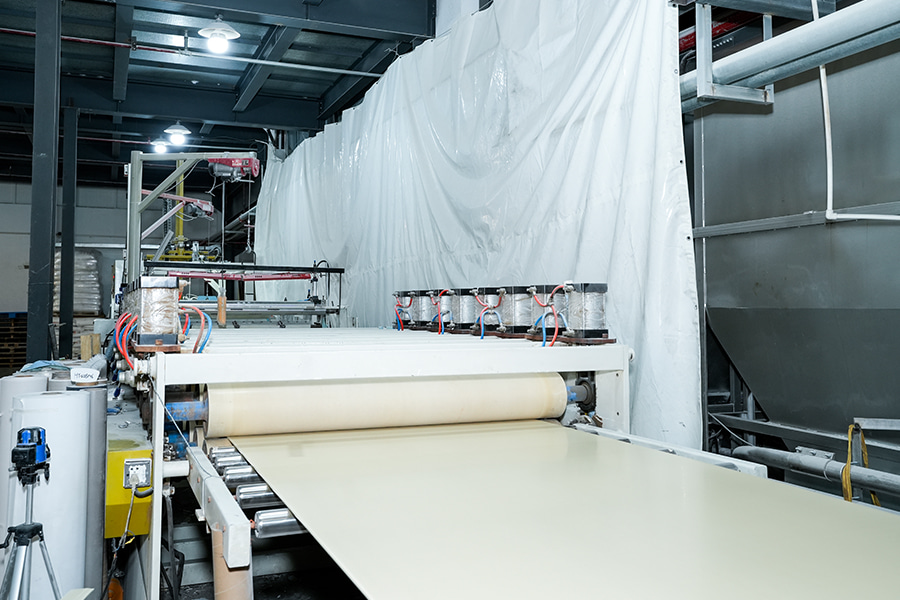
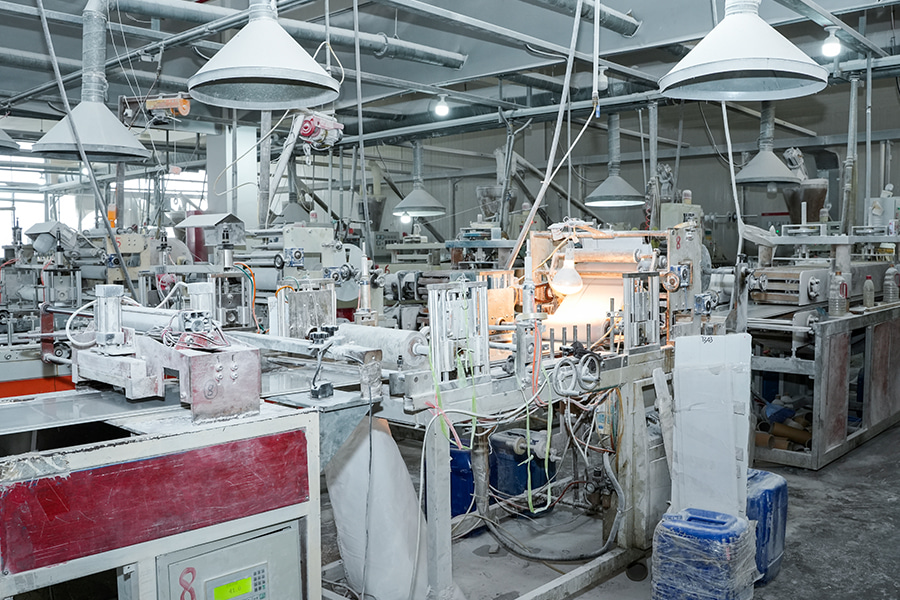
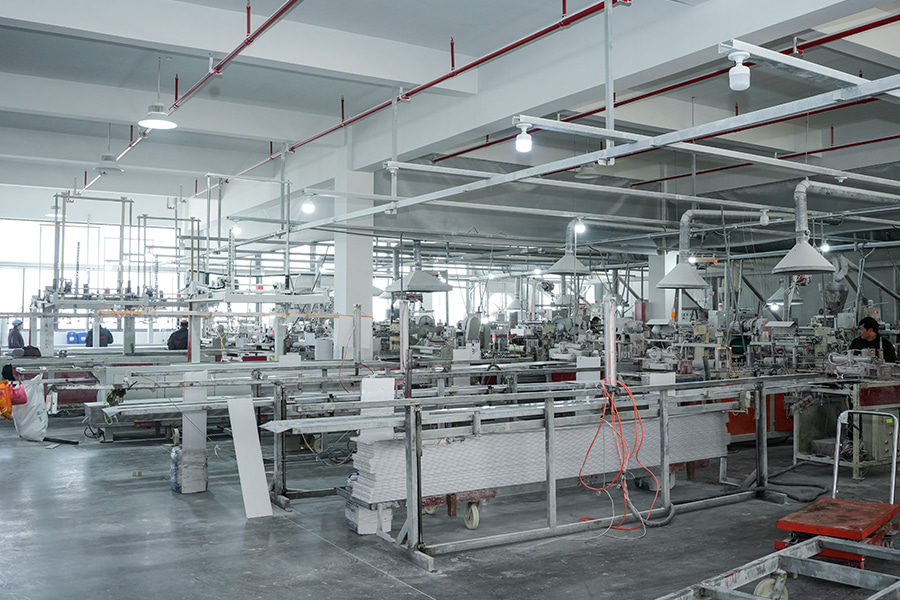
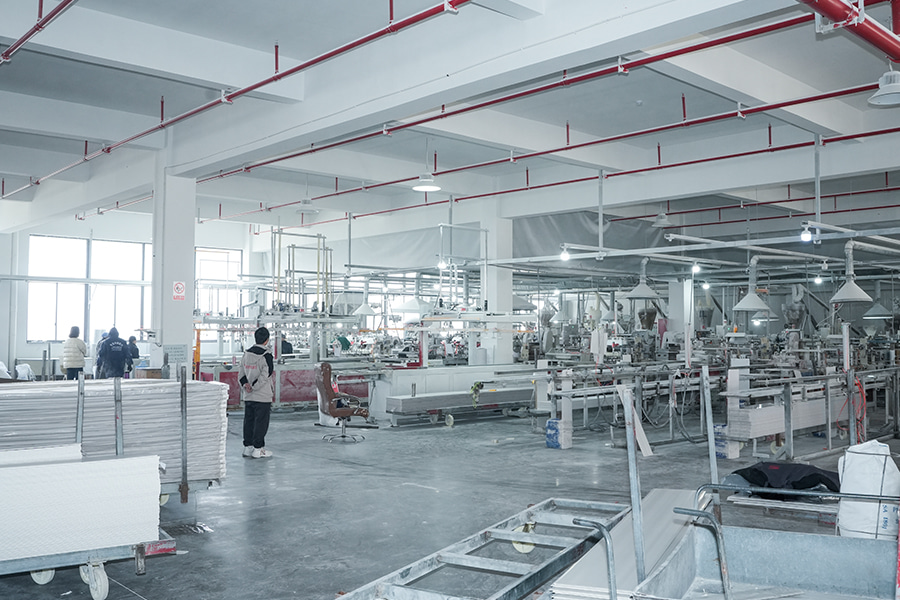
The manufacturing process adheres to strict production standards, focusing on consistency in thickness and finish. The product is designed to meet building material regulations for interior use, with a focus on formaldehyde-free emissions and indoor air quality standards.
Technical Specifications
| Specification |
Value |
Unit |
| Core Material |
Wood-Plastic Composite (WPC) |
- |
| Surface Material |
Natural Wood Veneer |
- |
| Standard Board Size (L x W) |
2400 x 1200 |
mm |
| Thickness |
6, 9, 12 |
mm |
| Density |
650 - 750 |
kg/m³ |
| Water Absorption (24h) |
< 1.5 |
% |
| Bending Strength |
> 22 |
MPa |
| Fire Rating |
Class B / C-s2, d0 |
- |
| Installation Method |
Tongue and Groove, Clipped System |
- |
Application Areas
This product is suitable for the following interior scenarios:
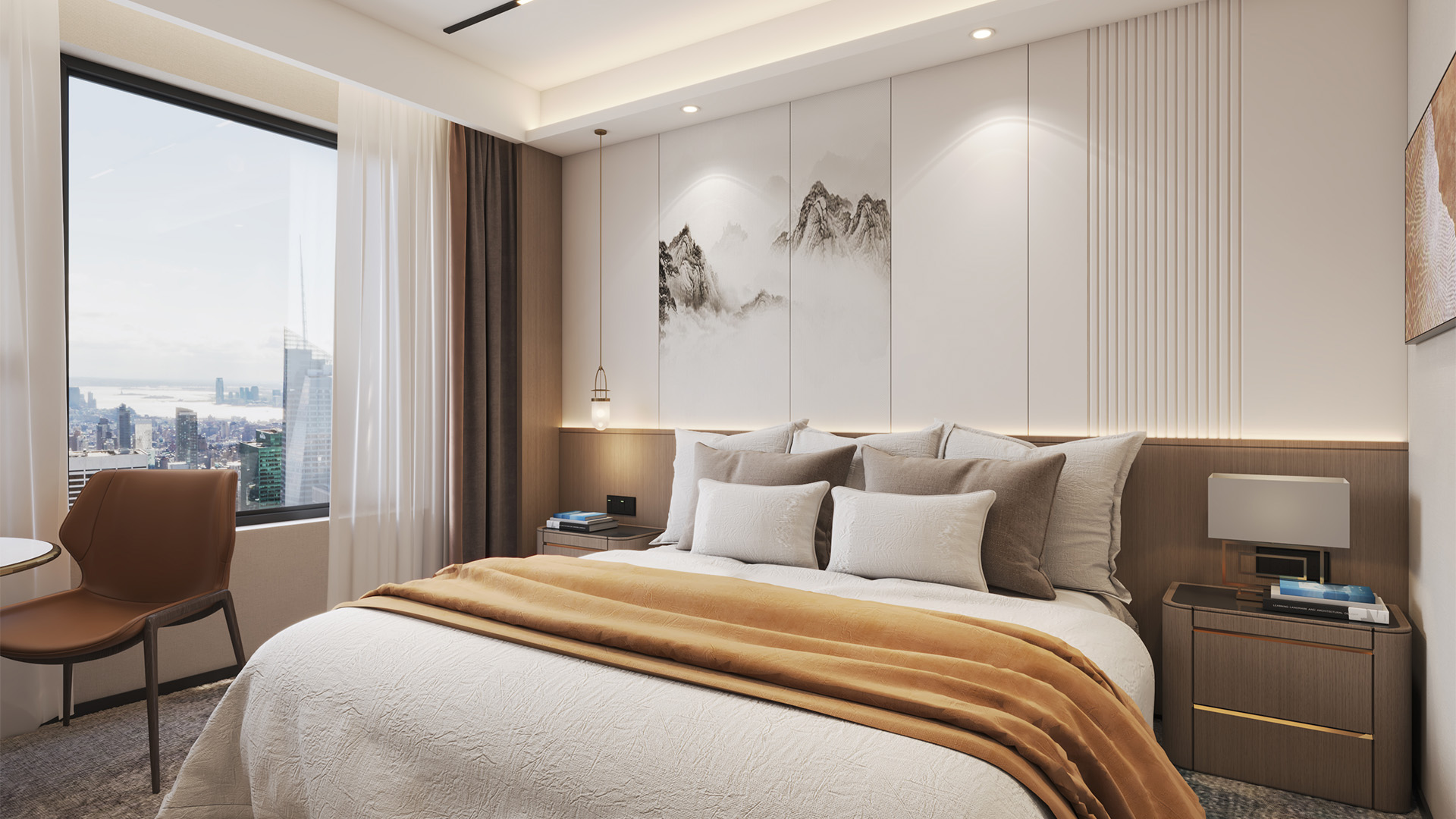
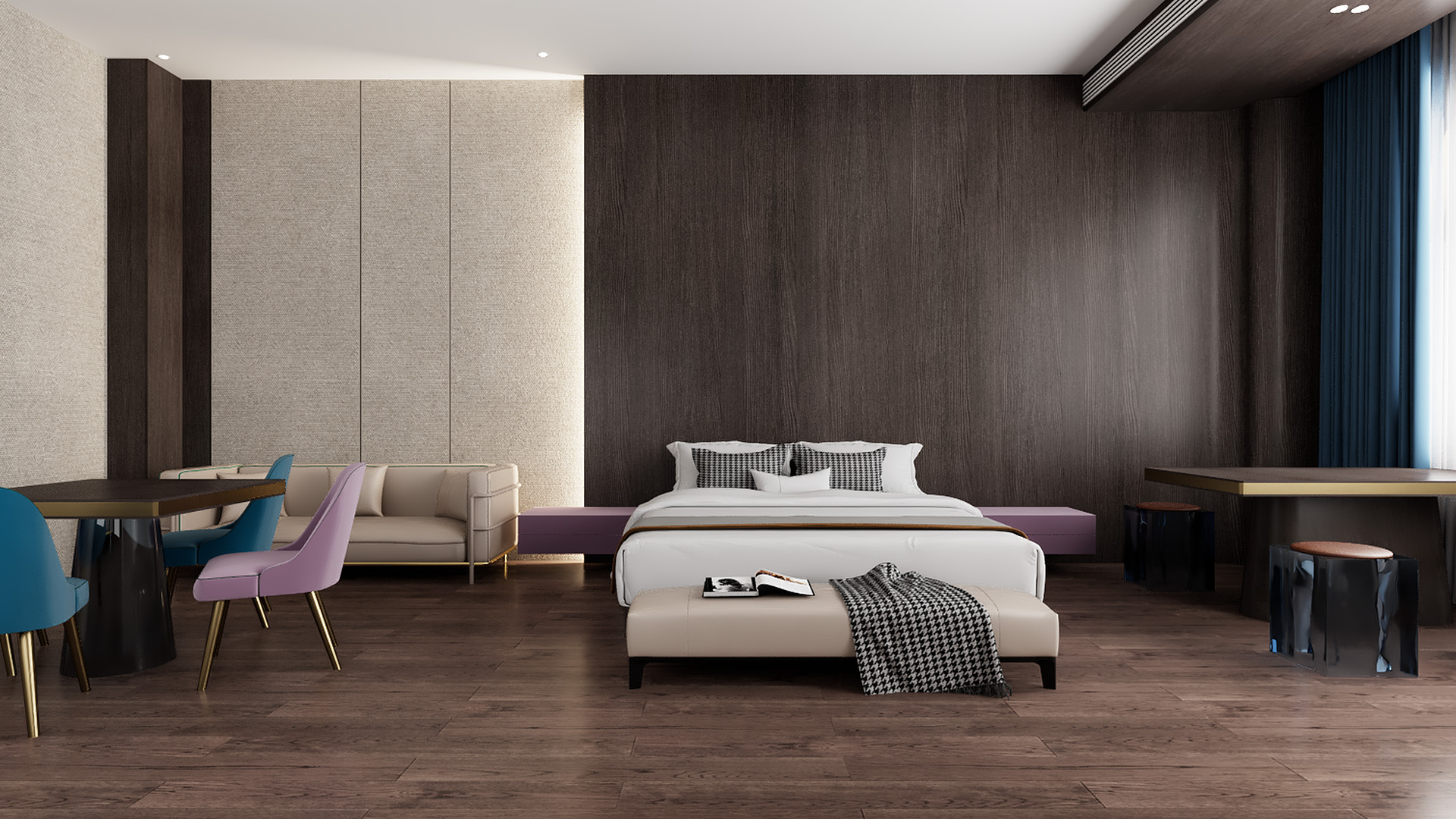
- Hotel lobby and guest room wall paneling
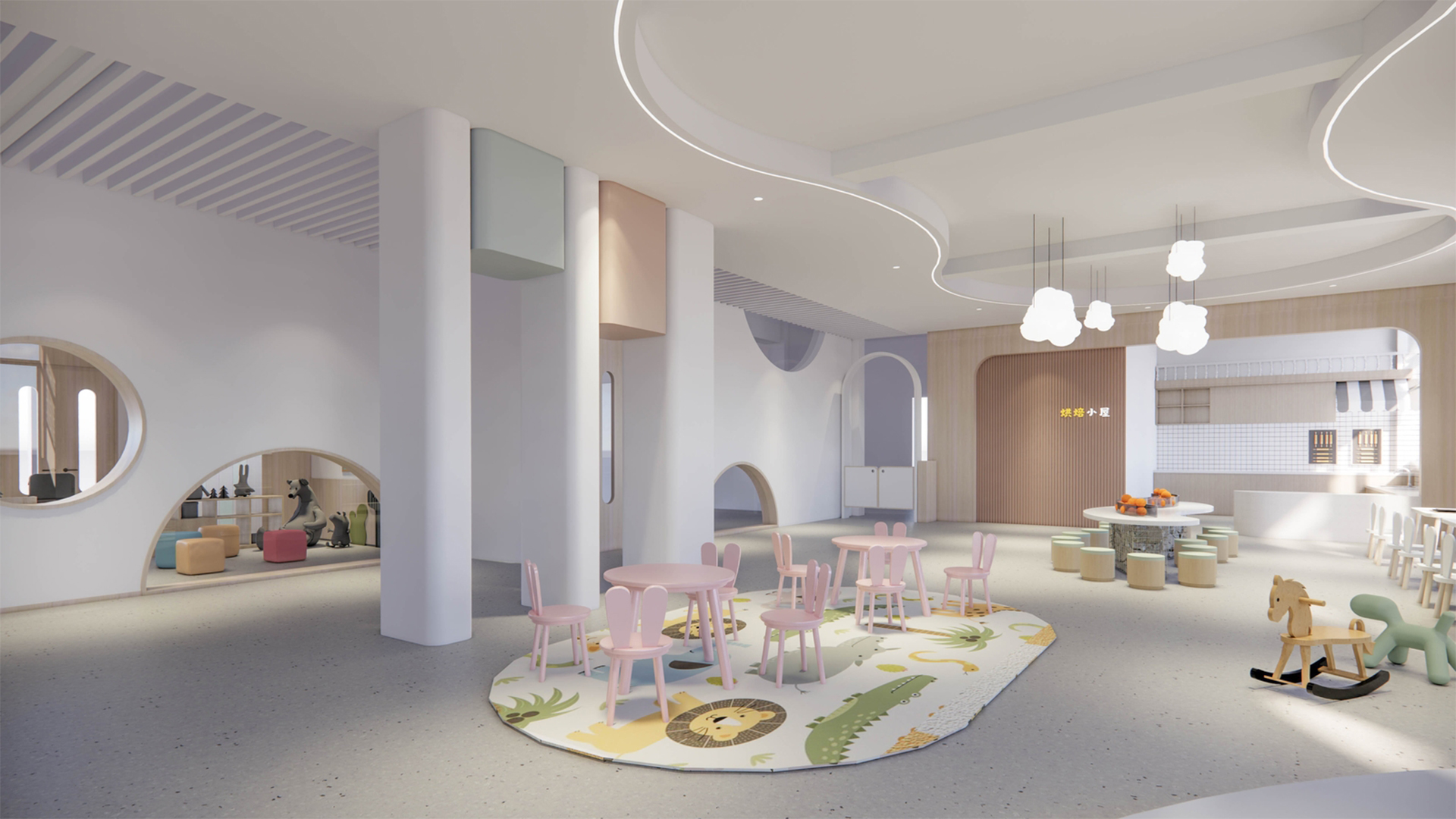
- Residential interior wall and ceiling decoration
- Office partition walls and feature walls
- Retail store fixtures and interior branding elements
FAQ
What are the primary advantages of WPC boards compared to solid wood paneling for interior projects?
WPC boards offer enhanced dimensional stability, meaning they are less susceptible to warping, cracking, or swelling due to changes in humidity and temperature commonly found in environments like hotels with climate control. This reduces long-term maintenance needs. The integration of recycled materials also provides a more sustainable profile in terms of resource utilization.
How is the WPC wood veneer board maintained and cleaned?
Maintenance involves periodic dusting or vacuuming. For cleaning, use a soft cloth dampened with a mild detergent solution or a recommended PH-neutral cleaner. The surface is resistant to moisture, but prolonged exposure to standing water should be avoided. Abrasive cleaners or scouring pads are not recommended as they may damage the wood veneer finish.
What installation systems are compatible with these boards?
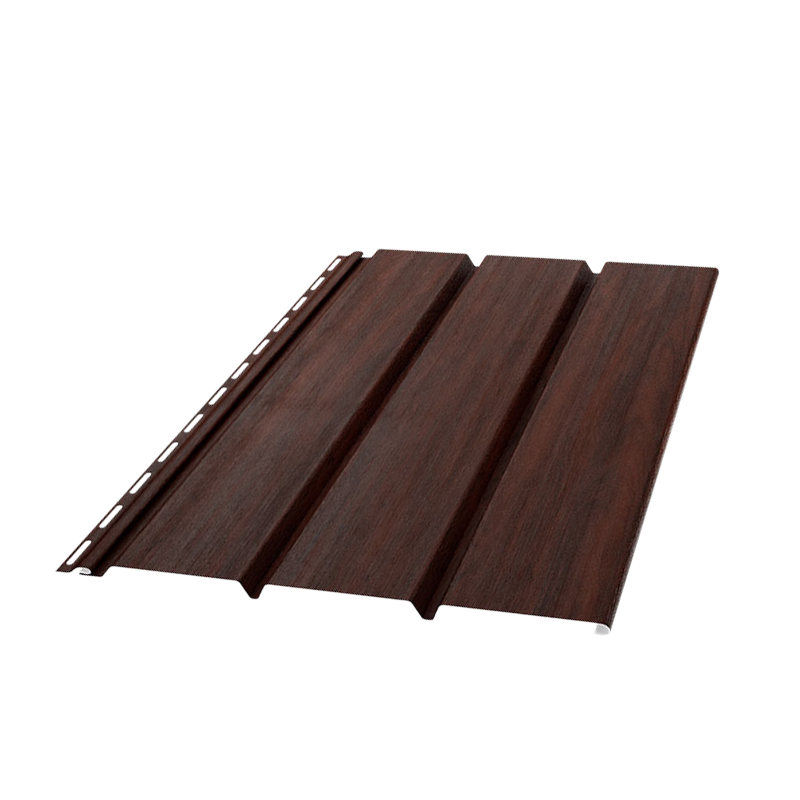
The boards are typically designed with a tongue-and-groove profile along the long edges. They can be installed using a hidden mechanical clipping system onto a prepared batten or furring strip substructure. This method allows for a seamless appearance and accommodates thermal expansion. Adhesive installation may also be an option on flat, stable substrates, following the manufacturer's specific guidelines.