+86-18367343973

 English
 Español
 عربى
عربى
Article Directory
PVC soffit panels are lightweight, waterproof vinyl boards that close off the underside of roof overhangs and porch ceilings. They can be installed with basic hand tools in a weekend, removed non-destructively by unlocking their tongue-and-groove joints, and are widely regarded as the most maintenance-free soffit material available — outlasting wood by decades with zero painting required.
What Is a Soffit Panel?
A soffit is the exposed surface underneath any architectural overhang — the horizontal board or panel you see when you look up at the edge of a roof, a porch ceiling, or the underside of a staircase. The word comes from the Latin suffixus, meaning "fastened below."
Soffit panels serve three practical functions: they enclose and protect the structural rafters from moisture and pests, they ventilate the attic by allowing airflow through perforated or vented sections, and they provide a finished, clean appearance to the exterior of a home.
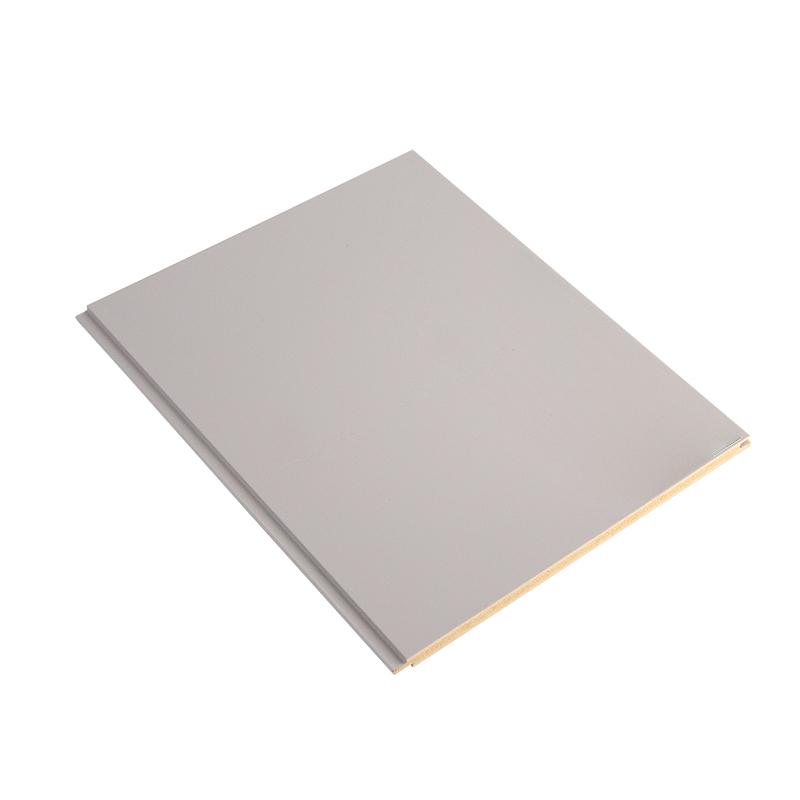
PVC (polyvinyl chloride) soffit panels are one specific material choice. A typical panel measures 12 inches wide by 12 feet long, weighs less than 1 lb per linear foot, and interlocks with neighboring panels via a tongue-and-groove edge profile. Colors are usually factory-baked into the material, so there is nothing to repaint.
| Material | Lifespan | Maintenance | Cost (per sq ft, installed) | Best For |
|---|---|---|---|---|
| PVC / Vinyl | 40–50+ years | None (wipe clean) | $3–$7 | Moisture-prone climates, low upkeep |
| Wood | 10–20 years | Paint every 5–7 years | $4–$10 | Historic homes, custom profiles |
| Aluminum | 25–35 years | Occasional repainting | $5–$9 | Coastal, high-humidity areas |
| Fiber Cement | 30–50 years | Repainting required | $6–$12 | Fire-resistant applications |
Tools and Materials You'll Need Before Starting
Whether you're installing or removing PVC soffit panels, gather these items before you climb the ladder. Having everything on hand cuts total project time roughly in half.
- Tape measure
- Tin snips or miter saw
- Hammer or nail gun
- Utility knife
- Pry bar (flat)
- Ladder (6–8 ft)
- Safety glasses
- Work gloves
- J-channel trim
- 1½-inch aluminum nails
- Pencil / chalk line
- Caulk gun (optional)
Pro tip: Always use aluminum or stainless steel nails with PVC soffit — galvanized nails can leave rust streaks on the white surface within 2–3 years, especially in humid climates.
How to Install PVC Soffit Panels Step by Step
A standard 20-foot porch soffit installation takes most DIYers 4–6 hours to complete. Work from one end of the overhang to the other, checking level every few panels.
- Measure and plan your layout. Measure the depth of the overhang (fascia board to wall) and the total length. Calculate how many full-width 12-inch panels you need, plus any ripped (cut-down) pieces for the final row. Sketch it out before cutting anything.
- Install J-channel along the fascia and wall. Nail J-channel trim along both the fascia board edge and the house wall where the soffit meets the siding. This channel hides the raw panel edges and allows for thermal expansion — critical, since PVC can expand up to ⅜ inch per 12 feet in summer heat.
- Slide in the first panel. Insert one end of the first panel into the J-channel at the fascia, then press the other end into the J-channel at the wall. The panel should sit loosely — never force it tight. Leave ⅛ inch of play for expansion.
- Nail through the nailing hem. Drive aluminum nails through the pre-punched slots along the panel's nailing hem into the nailing surface (nailer board or rafter). Nail in the center of each slot, not the edge — this lets the panel float slightly as temperatures change.
- Lock in subsequent panels. Snap the tongue of each new panel into the groove of the previous one. Check that seams are straight every 3–4 panels using a chalk line or level. Misalignment compounds quickly.
- Cut and fit the final panel. Measure the remaining gap, subtract ¼ inch for expansion, rip the last panel to width with tin snips or a circular saw (reverse-blade trick reduces chipping), and slide it into the remaining J-channel.
- Install corner trim and inspect. Cap any inside or outside corners with matching PVC corner trim. Walk underneath and look for any panels that sag, misalign, or show daylight at the seams. Press any loose tongue-and-groove joints firmly by hand.
Installing Soffit on a Porch: Extra Considerations
Porch soffits differ from roofline soffits in one important way: they are fully visible from eye level. This means alignment and color consistency matter more. Use vented soffit panels (those with small perforations) only if the porch ceiling covers an attic space that needs airflow. For decorative porch ceilings with no attic above, solid (non-vented) panels look cleaner.
If the porch rafters don't provide a flat nailing surface, first nail a 1×4 nailer board across the bottom of the rafters to create a level plane. This adds 30–60 minutes of prep but results in a dramatically flatter finished ceiling.
How to Remove PVC Soffit Panels Without Damage
PVC soffit panels are designed to be replaceable. When done carefully, removal takes under an hour for most single-story sections and causes no damage to the surrounding trim.
- Locate the starting edge. Identify the panel closest to a J-channel or F-channel end cap — this is where the run started and where it's easiest to disengage the first panel. Usually this is at a corner, a gable end, or near a downspout.
- Pop the panel out of the channel. Slide a flat pry bar or wide putty knife behind the panel edge inside the J-channel. Apply gentle outward pressure. The panel will flex and release from the channel without cracking as long as you work slowly. Avoid forcing it in cold weather — PVC becomes brittle below 35°F (2°C).
- Pull nails from the nailing hem. Once the panel edge is free, you'll see the nailing hem with nails driven through the slots. Use a hammer or nail puller to back out each nail. Work down the panel toward the other channel.
- Disengage the tongue-and-groove lock. With the nails removed, flex the panel slightly downward to release the groove from the neighboring panel's tongue. The panel will slide out. Repeat for each subsequent panel working toward the far end.
- Store or discard panels flat. If reusing the panels, stack them flat on a hard surface. PVC panels stored on edge can develop a permanent curve (known as "memory set") over time, making reinstallation difficult.
Warning: Do not use a reciprocating saw or angle grinder to cut panels away from the wall without first removing the J-channel. Cutting through the channel will damage the trim and require full replacement, turning a 1-hour job into a half-day project.
Common Mistakes to Avoid
Most failed soffit installations come down to the same handful of errors. Being aware of them saves time, money, and frustration.
- Nailing too tight: Driving nails to the edge of the nailing slot — rather than the center — prevents thermal movement and causes panels to buckle in summer. Always leave play.
- Skipping the nailer board: Installing panels directly onto uneven rafters creates a wavy ceiling. The 30 minutes spent adding a level nailer board is always worth it.
- Wrong panel orientation: Most PVC soffit panels have a "right way up" — the vents should face toward the house interior, not toward the fascia. Check the manufacturer's arrow before nailing anything.
- Mixing vented and solid panels without a plan: For attic ventilation, building codes (such as IRC Section R806) typically require 1 square foot of net free ventilation area per 150 square feet of attic floor. Mixing random panels can fall short of this without a deliberate layout.
- Ignoring corner trim: Exposed panel edges at inside corners look unfinished and allow moisture entry. Always cap corners with matching PVC trim pieces.
How Long Do PVC Soffit Panels Actually Last?
PVC soffit panels are rated by most manufacturers for 40 to 50 years under normal residential use. In practice, the biggest threats to longevity are:
- UV degradation: Prolonged direct sunlight causes chalking and color fade over 15–20 years on south-facing exposures. UV-stabilized panels (look for "UV-protected" on the label) extend this significantly.
- Impact damage: A stray ladder, falling branch, or hail can crack a panel. The upside: individual panels can be replaced in under 30 minutes without disturbing the rest of the installation.
- Moisture behind the panel: If roof or wall leaks allow water to pool on top of the soffit, the PVC itself is unaffected — but the wooden nailer boards or fascia above can rot. Inspect annually for staining or soft spots on the fascia.
Maintenance tip: The only routine maintenance PVC soffit panels need is an annual rinse with a garden hose (or a mild soap-and-water wash for stubborn dirt). Never use abrasive cleaners or power washers at close range — the high pressure can force water under the panel laps and into the nailer boards.
When to Call a Professional Instead
PVC soffit installation is well within reach for most confident DIYers, but there are situations where professional help is the smarter call:
- The existing soffit shows signs of rotted rafters or sheathing — structural repairs require a licensed contractor in most jurisdictions.
- The project involves two-story or steeper-pitch work where safe ladder positioning is difficult.
- The overhang is wider than 24 inches and requires a mid-span nailing strip — calculating the correct blocking can be tricky without construction experience.
- You're replacing asbestos-containing soffit materials (common in homes built before 1980). These require licensed abatement, not DIY removal.
For a typical 200 square foot porch soffit, a professional contractor charges between $600 and $1,400 installed, including materials. The same job in materials alone typically costs $150–$300, making DIY particularly cost-effective here when you're comfortable on a ladder.