+86-18367343973

 English
 Español
 عربى
عربى
Article Directory
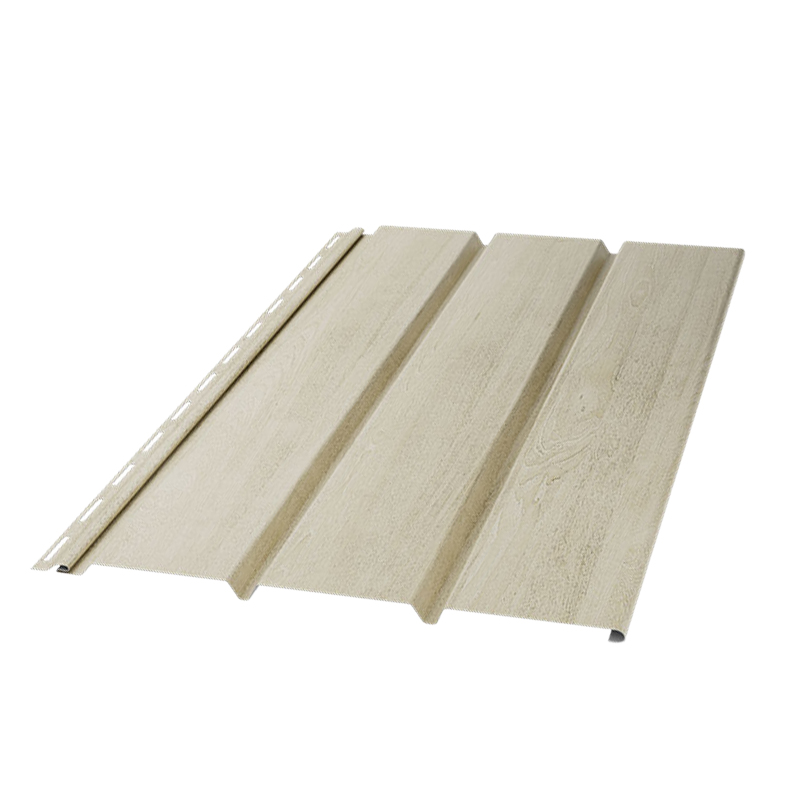
Soffits are part of the roofline structure (not the roof itself), they often need to be vented to prevent moisture and heat buildup in your attic, and PVC soffit panel is one of the most durable and low-maintenance materials you can choose for the job. Below is everything you need to know — from what soffits actually do to how to install them correctly.
Are Soffits Part of the Roof?
Soffits are not part of the roof deck itself, but they are part of the roofline assembly. Specifically, a soffit is the horizontal board or panel that covers the underside of the roof overhang — the area between the outer wall of your house and the fascia board at the roof's edge.
Think of it this way: the roof handles rain and weather from above; the soffit closes off the gap below the overhang, protecting the rafters and attic space from pests, moisture, and debris. Without a soffit, the exposed rafter tails would rot within a few years and give birds, wasps, and squirrels easy access to your attic.
The soffit works together with the fascia (the vertical trim along the roof edge) and the gutter system. All three are considered part of the roofline, not the main roof structure.
Does Soffit Have to Be Vented?
In most residential construction, yes — soffit venting is strongly recommended and often required by building codes. The reason comes down to attic ventilation. Proper airflow through the attic relies on a pathway: cool outside air enters through the soffit vents at the bottom, rises through the attic, and exits through ridge or gable vents at the top.
Without this airflow, two major problems emerge:
- Summer heat buildup: Attic temperatures can exceed 150°F (65°C) without ventilation, driving up cooling costs and degrading roofing materials from below.
- Winter moisture damage: Warm, humid air from living spaces rises into a poorly ventilated attic, condenses on cold surfaces, and causes mold, rot, and insulation failure over time.
The U.S. Federal Housing Administration (FHA) and most building codes follow the 1:150 rule: one square foot of net free ventilation area for every 150 square feet of attic floor space, or 1:300 if at least half the ventilation is near the roof ridge.
When Do Soffits Need to Be Vented?
Vented soffits are required in virtually all standard attic configurations. However, a few situations change the equation:
| Scenario | Vented Soffit Needed? | Notes |
| Unconditioned attic (standard) | Yes | The most common case — always vent |
| Conditioned (spray-foam) attic | No | Attic is sealed; ventilation would be counterproductive |
| Cathedral / flat ceiling with no attic space | Depends | Requires a different ventilation strategy; soffit vents alone are insufficient |
| Garage soffits | Often no | No attic above; solid panels are typically used |
| Replacement over existing non-vented soffit | Check code | Upgrading to vented during replacement is best practice |
If you're unsure, a local building inspector or contractor can assess your specific attic configuration. Erring toward vented soffits is almost always the safer choice for long-term performance.
Why PVC Soffit Panels Are the Smart Material Choice
Traditional soffit materials include wood, aluminum, and vinyl. PVC soffit panel options have become increasingly popular because they address the core weaknesses of all three alternatives.
Wood soffits are prone to rot, paint failure, and pest damage — exactly the problems soffits are meant to prevent in the first place. Aluminum dents, fades, and can corrode at the fasteners over time. Standard vinyl can warp in extreme heat and become brittle in cold climates.
PVC (polyvinyl chloride) panels are impervious to moisture, won't rot or rust, require no painting, and hold their color for decades. For homes in humid climates or coastal areas where salt air accelerates corrosion, PVC is particularly well-suited. Most quality PVC soffit panels carry warranties of 20–30 years against fading, cracking, and warping.
| Material | Rot Resistance | Maintenance | Typical Lifespan | Cost (approx.) |
| Wood | Poor | High (paint every 5–7 yrs) | 15–25 years | $1–$3 / sq ft |
| Aluminum | Good | Low | 20–30 years | $1.50–$4 / sq ft |
| Vinyl | Good | Very low | 20–40 years | $1–$2.50 / sq ft |
| PVC | Excellent | Minimal | 25–40+ years | $2–$5 / sq ft |
How Soffit Is Installed
Soffit installation follows a consistent sequence whether you're working with vented or solid panels, and whether the material is PVC, vinyl, or aluminum. The basic approach involves three structural components: the J-channel (or F-channel) mounted against the house wall, the fascia board at the outer edge, and the soffit panel itself sliding between the two.
Tools and Materials You'll Need
- Soffit panels (vented or solid)
- J-channel or F-channel trim
- Fascia board (if replacing)
- Tin snips or circular saw with fine-tooth blade
- Tape measure and chalk line
- Galvanized nails or screws (1.5–2 inch)
- Ladder and safety equipment
Step-by-Step Installation Process
- Measure the overhang width — Measure from the house wall to the fascia board along the full length of the roofline. Account for any variation; older homes rarely have perfectly consistent overhangs.
- Install the J-channel against the house wall — Nail or screw the J-channel (or F-channel) to the wall at the correct height so that the soffit will run level from the wall to the fascia. Use a chalk line to keep it straight.
- Prepare the fascia — If the fascia has a receiving channel or groove, check it is clean and undamaged. Some fascia boards have a built-in slot; others require a second J-channel nailed to the back face of the fascia.
- Cut the panels to width — Cut each PVC soffit panel to fit snugly between the wall channel and the fascia channel, leaving about 1/4 inch of clearance on each end for thermal expansion.
- Slide and fasten — Slide one end of the panel into the wall channel, flex it gently, and engage the other end in the fascia channel. Nail through the nailing hem (the perforated strip) into a nailing block or rafter tail below — do not drive nails tight; leave 1/32 inch for expansion.
- Interlock panels — Most PVC soffit panels interlock along their long edges. Snap each successive panel into the previous one and nail along the hem. Vented panels should be oriented so the ventilation slots face the correct direction (typically perpendicular to the wall for best airflow).
- Complete corners and trim — Use inside and outside corner pieces to finish transitions. Cut pieces to fit and secure with appropriate trim pieces for a clean finished appearance.
For best results, install PVC soffit panels on a day when temperatures are between 40°F and 90°F (4°C–32°C). Extreme cold makes PVC brittle and prone to cracking during cutting; extreme heat causes panels to expand and can lead to buckling if installed too tight.
Vented vs. Solid Panel Placement
When mixing vented and solid panels — which is common on longer overhangs — a common ratio is one vented panel for every two solid panels. However, the exact ratio should be calculated based on your total attic square footage and the net free area (NFA) rating of your chosen vented panel. Most vented PVC soffit panels have an NFA of 4–10 square inches per linear foot. Check the manufacturer's specification sheet and work backward from the 1:150 ventilation rule to determine how many vented panels you need.
Common Mistakes to Avoid
- Nailing too tight: PVC expands and contracts with temperature. Over-driven fasteners cause buckling. Always leave a small gap.
- Blocking soffit vents with insulation: Attic insulation pushed against the eaves blocks the very airflow the vented soffit is meant to provide. Install rafter baffles (also called vent chutes) to maintain a clear channel from the soffit vent to the attic.
- Mixing vent placement randomly: Place vented panels consistently along the full length of the eave rather than clustering them in one area. Uniform placement promotes even airflow distribution across the entire attic.
- Skipping the chalk line: A crooked soffit is immediately visible from the ground. Take the time to establish a level reference line before installing any channels.
- Using interior-grade fasteners: Always use galvanized, stainless, or otherwise corrosion-resistant fasteners. Standard steel screws will rust and stain the panels within a few years.