+86-18367343973

 English
 Español
 عربى
عربى
Article Directory
- 1 What Makes PVC Soffit Panels the Preferred Choice for Modern Construction
- 2 Performance Comparison: PVC Against Traditional Materials
- 3 Real-World Applications Across Building Types
- 4 Selection Framework for Optimal Material Choice
- 5 Protection Functions and Long-Term Benefits
- 6 Frequently Asked Questions
Outdoor building materials must deliver exceptional performance across decades of weather exposure while maintaining structural integrity and aesthetic value. PVC soffit boards represent the optimal solution for architects and builders seeking proven durability, minimal maintenance requirements, and design flexibility that traditional materials cannot match in demanding external applications.
What Makes PVC Soffit Panels the Preferred Choice for Modern Construction
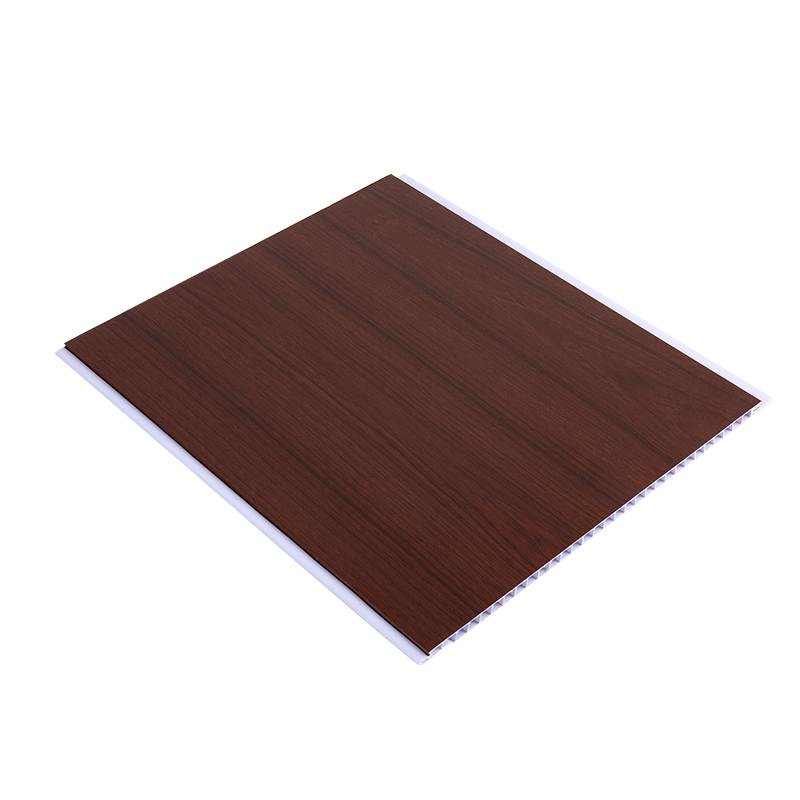
PVC soffit boards are specialized exterior panels engineered specifically for installation beneath roof overhangs. They serve critical protective functions: shielding exposed roof structures from weather damage, supporting integrated ventilation systems, enhancing exterior aesthetics, and providing long-term structural protection without ongoing maintenance costs that burden traditional materials.
Moisture Immunity
Zero water absorption prevents rotting, swelling, and mold growth in any climate.
Weather Resistance
UV-resistant formulations maintain color and structural integrity through decades.
Zero Maintenance
No painting, sealing, or repairs required—routine cleaning maintains appearance indefinitely.
Lightweight Installation
Easy handling, fast installation, reduced labor costs for new construction and renovation.
Performance Comparison: PVC Against Traditional Materials
PVC Soffit Boards
- Excellent water resistance
- Minimal maintenance required
- Lightweight (easy handling)
- 100% rot resistant
- No insect damage risk
- High design variety
- Long-term cost savings
Wood Soffit
- Poor water resistance
- High maintenance (painting/sealing)
- Moderate weight
- Vulnerable to rot
- Termite infestation risk
- Limited design options
- High ongoing costs
Material Durability Metrics (Years)
Real-World Applications Across Building Types
Residential Properties: Homeowners select PVC soffit for roof eaves, porches, and garage finishing to achieve improved curb appeal, eliminate maintenance burden, and ensure superior protection in challenging climates. The combination of aesthetic sophistication and performance reliability delivers measurable property value enhancement.
Commercial Facilities: Shopping centers, office buildings, and public facilities depend on PVC soffit solutions for durable outdoor performance across large surface areas. Weather resistance, easy cleaning, and consistent appearance support professional brand image while reducing lifecycle costs.
Industrial Complexes: Warehouses, manufacturing facilities, and distribution centers employ PVC soffit systems to provide weather protection, support roof ventilation, and ensure long-term structural durability in harsh operational environments where material failure creates costly downtime.
Building Type Installation Comparison
Selection Framework for Optimal Material Choice
Step 1: Climate Assessment
Evaluate rainfall intensity, temperature variations, UV exposure, and coastal salt spray presence. PVC performs exceptionally in all climates, but understanding your specific environmental profile ensures optimal product specification.
Step 2: Choose Panel Configuration
Select solid PVC soffit for maximum weather protection or vented designs for superior roof ventilation performance. Consider ventilation requirements, aesthetic preferences, and specific protection objectives for your project.
Step 3: Verify Quality Standards
Evaluate PVC formulation specifications, UV resistance certifications, thickness consistency, and surface quality standards. Superior products deliver measurably better longevity and performance stability across decades.
Step 4: Partner with Qualified Suppliers
Select manufacturers demonstrating advanced production technology, rigorous quality control protocols, comprehensive customization capabilities, and reliable supply consistency. Strong partnerships ensure product excellence and ongoing technical support.
Protection Functions and Long-Term Benefits
Roof Eave Protection System: PVC soffit boards shield exposed structural areas under roof overhangs from rainwater penetration, dust accumulation, and environmental debris that compromise building longevity and interior protection.
Integrated Ventilation Support: Vented PVC soffit designs facilitate strategic airflow between the exterior environment and roof cavity space, reducing moisture accumulation, improving overall roof system performance, and enabling superior temperature control throughout the building envelope.
Aesthetic Enhancement: Professional-grade PVC soffit solutions deliver clean, finished appearances for roof edges, exterior transitions, and building facades—elevating curb appeal while maintaining exceptional performance across decades of weather exposure.
Feature Importance Radar Analysis
Frequently Asked Questions
How many years of reliable service does quality PVC soffit deliver?
Premium PVC soffit systems typically provide 25+ years of dependable performance with minimal maintenance. Superior UV-resistant formulations maintain structural integrity and aesthetic appearance through decades of weather exposure without degradation or color fading.
Can PVC soffit be installed directly over existing materials?
Yes. PVC soffit panels can often be installed directly over existing soffit materials, significantly reducing labor costs and project complexity. A qualified contractor will assess your specific situation and recommend the optimal installation approach for your building type.
What maintenance requirements does PVC soffit actually require?
Routine cleaning with mild soap and water maintains appearance indefinitely. Unlike wood or fiber cement materials, PVC soffit requires zero painting, staining, sealing, or specialized treatments throughout its entire 25+ year service life—delivering exceptional value.
How does vented PVC soffit improve roof system performance?
Vented designs enable critical airflow between exterior environment and roof cavity, reducing moisture accumulation that compromises structural integrity, improving thermal performance, and extending overall roof system lifespan while maintaining superior protection against weather damage.