+86-18367343973

 English
 Español
 عربى
Article Directory
- 1 Why PVC Soffit Boards Matter in Modern Construction
- 2 Key Properties That Define High-Quality PVC Soffit Boards
- 3 How Material Quality Translates to Building Performance
- 4 Application Scope: Residential to Commercial
- 5 Material Properties Specification Table
- 6 Selecting the Right PVC Soffit Boards for Your Project
- 7 Evaluating Reliable PVC Soffit Board Suppliers
- 8 Common Selection Mistakes and How to Avoid Them
- 9 Frequently Asked Questions
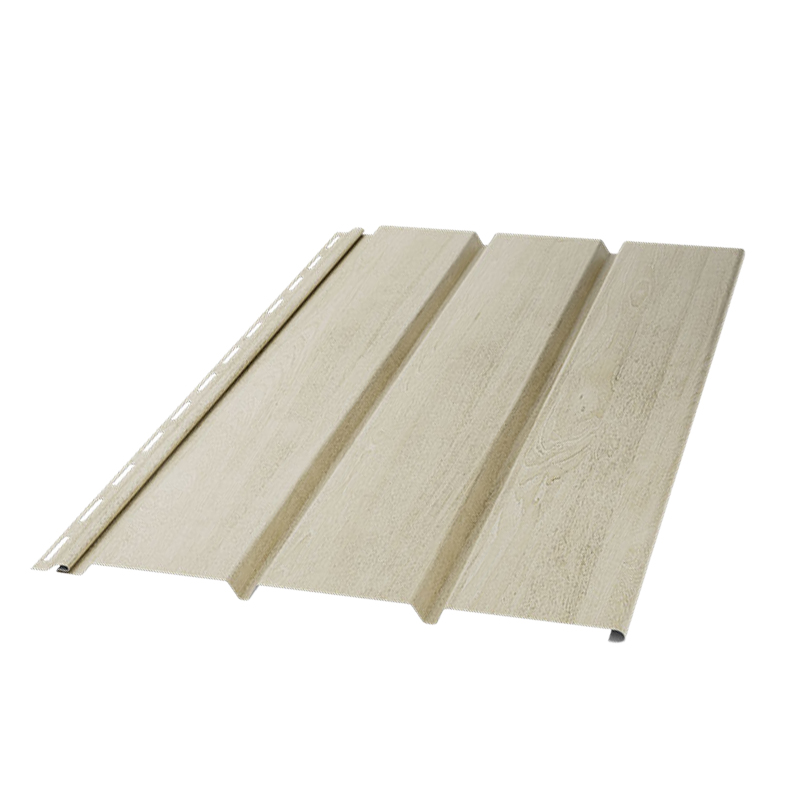
Roof eaves demand materials that withstand weathering, moisture, and UV exposure while maintaining structural integrity for decades. PVC Soffit Boards combine protective performance with low-maintenance design, making them the preferred choice for builders, contractors, and material distributors managing residential and commercial projects. Understanding the key properties ensures reliable eave protection and architectural consistency across building applications.
Why PVC Soffit Boards Matter in Modern Construction
PVC Soffit Boards serve three essential functions in building design. First, they shield roof eave structures from rain penetration, moisture accumulation, and environmental degradation—critical for preventing rot and structural failure. Second, ventilated soffit designs regulate moisture and temperature in roof cavities, extending roof system lifespan and improving energy efficiency. Third, they provide finished architectural appearance with consistent color and texture, eliminating the maintenance burden of wood softits that require regular painting and repair.
Key Properties That Define High-Quality PVC Soffit Boards
1
Weather and UV Resistance
Quality formulations withstand intense sunlight, heavy rain, freeze-thaw cycles, and temperature swings without degradation. Superior UV stabilizers maintain color integrity over 20+ years of outdoor exposure.
2
Moisture and Water Resistance
Closed-cell PVC structure eliminates water absorption, preventing swelling, rot, and mold growth in humid climates or damp regions. Maintains dimensional stability even in high-moisture environments.
3
Dimensional Stability
Minimal thermal expansion and contraction across temperature ranges ensures tight joints and prevents warping, buckling, or misalignment that compromise eave protection and appearance.
4
Impact Resistance
Durable formulations resist handling damage, storm debris, and minor impacts without cracking or denting. Long-term structural performance unaffected by hail, branch contact, or installation stress.
How Material Quality Translates to Building Performance
Premium PVC Soffit Boards directly impact long-term building value. Superior weather resistance eliminates color fading and surface degradation, preserving architectural aesthetics without costly refinishing. Consistent thickness and formulation ensure uniform installation, reducing gaps that allow pest entry or water infiltration. High-quality products require minimal maintenance—occasional cleaning with water and mild soap suffices—compared to wood alternatives demanding annual inspection, caulking, and repainting. For commercial properties and multifamily buildings managing hundreds of linear meters of soffit, material quality directly affects maintenance budgets and tenant satisfaction.
Application Scope: Residential to Commercial
Residential Applications
Typical Projects: Single-family homes, townhouses, residential renovations, roof replacements
Priority Properties: Color retention, appearance consistency, moisture resistance in varied climates
Installation: Standard profiles work with typical residential roof structures and existing trim components
Commercial Applications
Typical Projects: Retail buildings, office parks, hotels, industrial facilities, multi-story construction
Priority Properties: Impact resistance, load capacity, large-volume consistency, architectural flexibility
Installation: Custom profiles and dimensions accommodate complex roof geometries and design requirements
Material Properties Specification Table
| Property | Requirement | Performance Impact |
| UV Resistance (ASTM G154) | No color shift after 1,000 hours | Long-term appearance and aesthetic value |
| Water Absorption | Less than 0.5% | Prevents swelling and dimensional change |
| Impact Strength (ASTM D256) | 5+ ft-lbs per inch of notch | Durability during handling and environmental stress |
| Thermal Expansion | Less than 0.05% per 10°C | Tight joints and installation stability |
| Tensile Strength | 6,000+ psi | Structural integrity and fastener holding strength |
Selecting the Right PVC Soffit Boards for Your Project
Evaluate Thickness and Profile for Your Building Type
Standard residential applications typically use 0.75" to 1.25" boards with solid or perforated profiles. Commercial installations may require thicker specifications (1.5"+) for larger eave spans or enhanced impact resistance. Match board dimensions to existing roof structure, overhang width, and architectural design requirements.
Assess Color and Finish Options
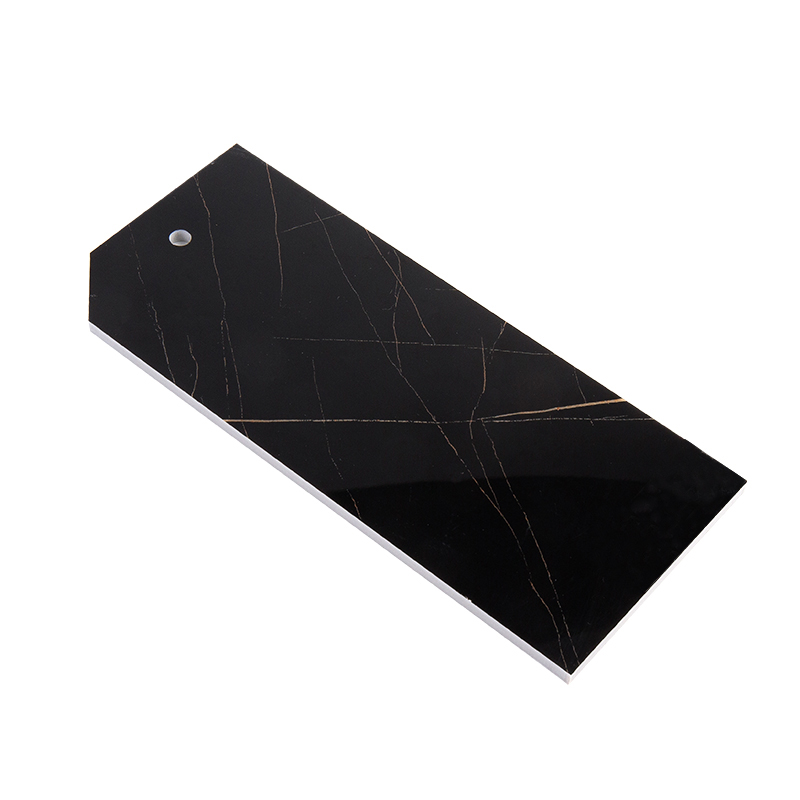
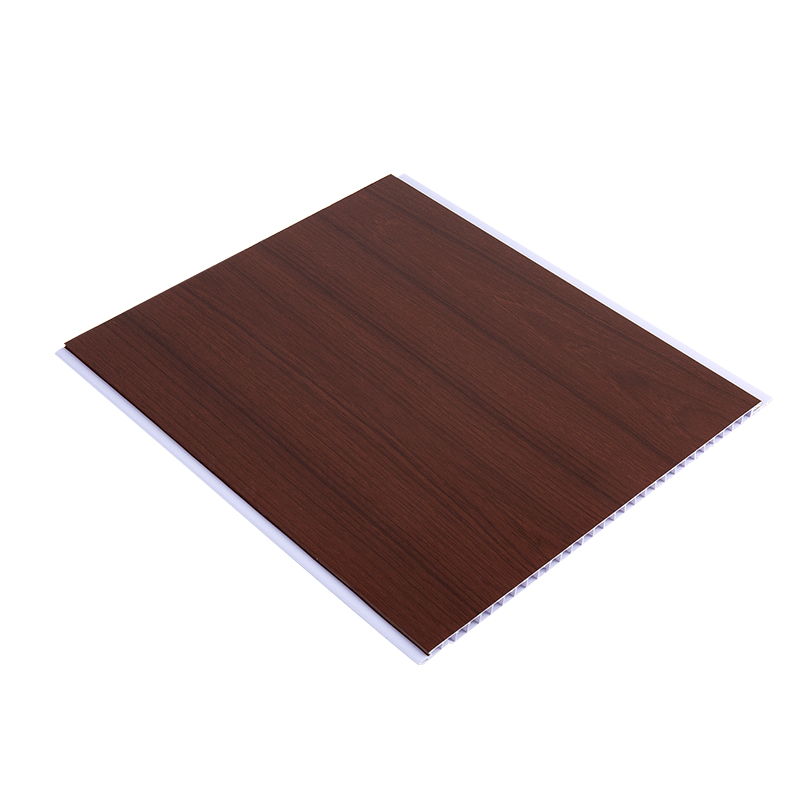
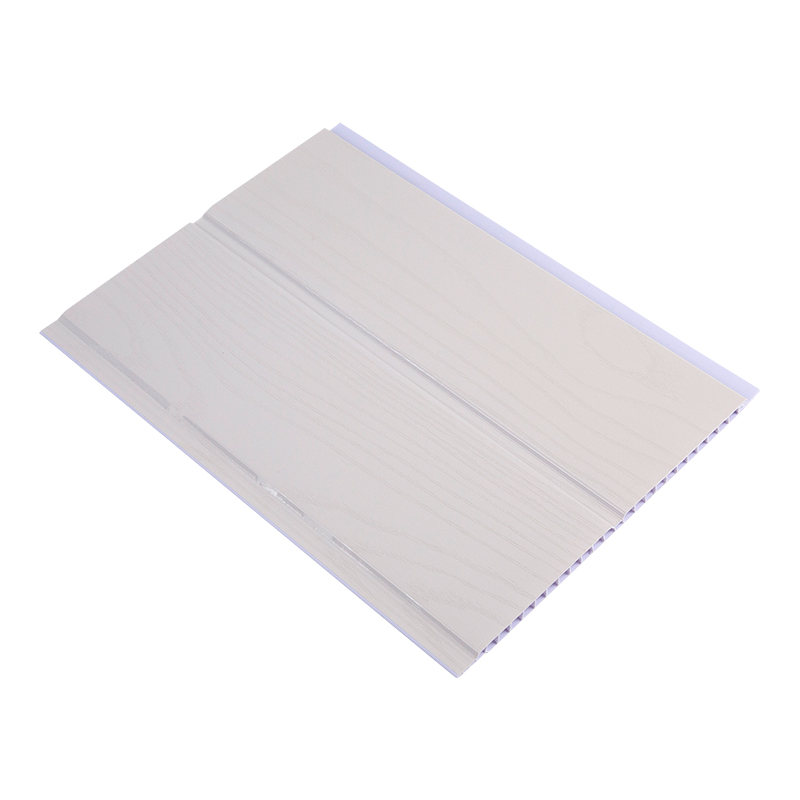
Quality manufacturers offer 8–15 standardized colors with textured or smooth finishes. Verify color consistency across multiple pallets and production batches. Consider how finishes interact with regional sunlight intensity, humidity, and weather patterns. Sample boards should weather 30–60 days before final selection to confirm long-term appearance performance.
Prioritize Ventilation Design
Perforated or vented soffit profiles support roof cavity airflow, critical for moisture management and roof longevity. Verify ventilation opening size and spacing meets building codes and roof system design specifications. Combination of soffit ventilation and ridge vents optimizes attic climate control and reduces cooling costs in residential buildings.
Confirm Installation Compatibility
Board dimensions, joint systems (interlocking, butt joints, or channel profiles), and fastening methods must align with existing fascia, trim, and roof structure. Coordinate with roofing contractors and installers to confirm board specifications match equipment and expertise available on-site.
Evaluating Reliable PVC Soffit Board Suppliers
1
Verify Material Quality and Consistency
Request mill certificates confirming PVC formulation, UV stabilizer package, impact modifier content, and processing parameters. Inspect sample boards from production runs; thickness tolerance should be ±0.03". Consistent color across production batches indicates stable manufacturing controls.
2
Check Performance Testing Documentation
Suppliers should provide third-party lab results for UV resistance (ASTM G154), water absorption (ASTM D570), impact strength (ASTM D256), and dimensional stability (ASTM D1790). Performance data validates durability claims and ensures material meets building code requirements.
3
Assess Customization and Production Capability
Evaluate ability to produce custom colors, profiles, and dimensions for large commercial projects. Confirm production capacity matches your volume requirements and delivery timeline. Lead time for custom orders should be clearly defined.
4
Ensure Technical Support and Supply Stability
Quality suppliers provide installation guidance, troubleshooting assistance, and sample availability for specification confirmation. Verify bulk order capacity, delivery reliability, and contingency planning for long-term project support.
Common Selection Mistakes and How to Avoid Them
Mistake: Prioritizing price over quality specifications. Low-cost boards often use minimal UV stabilizers, resulting in color fading within 3–5 years. Poor impact resistance leads to damage during installation and weather events. Total cost of ownership favors quality products that avoid premature replacement.
Mistake: Ignoring environmental and climate factors. Boards must match regional UV intensity, humidity levels, and temperature extremes. High-altitude locations with intense UV require enhanced stabilizer packages. Coastal regions demand superior moisture resistance. Tropical climates need proven mold and mildew resistance.
Mistake: Overlooking installation compatibility. Soffit boards must interface with existing fascia trim, roof flashing, and ventilation systems. Mismatched profiles create gaps allowing water infiltration. Verify joint systems and fastening methods work with contractor equipment and experience levels.
Frequently Asked Questions
How long do quality PVC soffit boards last?
Premium PVC Soffit Boards with superior UV stabilizers and impact modifiers typically provide 25–35 years of reliable performance in residential applications. Commercial installations may see 20–30 years depending on climate severity, maintenance practices, and installation quality. Superior formulations hold color and structural integrity throughout their service life.
Do PVC soffit boards require ventilation?
Perforated or vented designs improve roof cavity airflow, reducing moisture and heat buildup. Building codes often require soffit ventilation in residential buildings; commercial projects may vary. Work with architects and building officials to determine ventilation requirements for your specific project and climate zone.
How do PVC boards compare to wood or aluminum alternatives?
PVC offers superior moisture resistance and zero maintenance compared to wood, which requires regular painting and caulking. Aluminum lacks the impact resistance and thermal insulation properties of PVC. PVC delivers the best balance of durability, appearance, ease of installation, and lifecycle cost for most building applications.
Can PVC soffit boards be painted or stained?
Quality PVC boards are engineered for lasting color and typically require no refinishing. If painting is desired, use acrylic latex paint designed for plastic substrates and test compatibility on sample boards first. Painting may void product warranties, so confirm with manufacturers before application.
What maintenance do PVC soffit boards need?
Annual cleaning with water and mild soap maintains appearance and removes dirt, pollen, or algae accumulation. Inspect for debris or damage, particularly after storms. No caulking, painting, or structural maintenance required, unlike wood or metal alternatives.
Ready to specify PVC Soffit Boards for your next project? Connect with material specialists to evaluate board specifications, color options, ventilation designs, and installation compatibility tailored to your residential or commercial building requirements.