+86-18367343973

 English
 Español
 عربى
عربى
Article Directory
- 1 The Physics of Thermal Expansion and Adhesive Shear Strength
- 2 Addressing the "Subfloor Cooking" Effect in High-Exposure Areas
- 3 The Engineering Advantage of Haining Yunxi Innovation
- 4 Frequently Asked Questions (FAQ)
- 4.1 1. Can I install pvc lvt self adhesive stone plastic composite floor over radiant heating?
- 4.2 2. Does high heat cause the floor to smell?
- 4.3 3. How do I prevent the edges from lifting in sunny rooms?
- 4.4 4. Is the adhesive waterproof once it is bonded?
- 4.5 5. Is this flooring suitable for commercial spaces in hot regions?
In the global flooring market, the demand for versatile and easy-to-install solutions has surged, leading to the widespread adoption of pvc lvt self adhesive stone plastic composite floor systems. However, for interior designers and contractors operating in high-temperature regions—such as the Middle East, Southeast Asia, or the southern United States—thermal stability and adhesive integrity are the primary engineering concerns. Haining Yunxi New Material Technology Co., Ltd. has long focused on the independent research and development of wood veneer wall panels and advanced flooring. As an all-round modern enterprise, we have accelerated our pace in technological innovation to ensure that our high temperature resistant lvt self adhesive flooring maintains its structural bond even under extreme solar gain and fluctuating climate conditions.
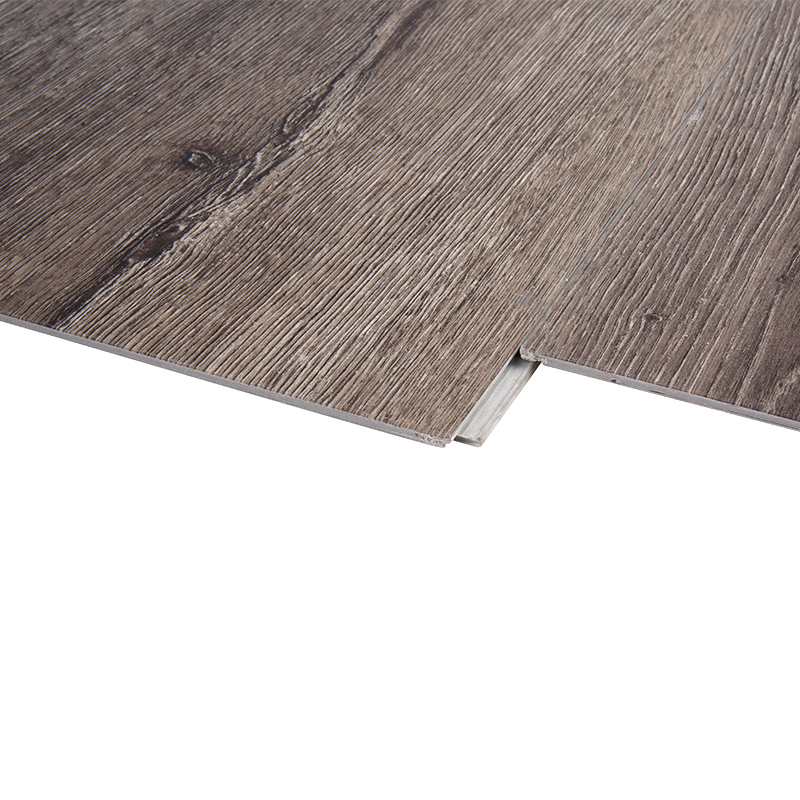
The Physics of Thermal Expansion and Adhesive Shear Strength
High-temperature environments present two main challenges to pvc lvt self adhesive stone plastic composite floor: dimensional change of the plank and the softening of the adhesive. Standard pressure-sensitive adhesives (PSA) often experience a significant drop in shear strength when temperatures exceed 35°C (95°F). According to the 2024 Resilient Floor Covering Institute (RFCI) Technical Manual, modern stone plastic composite (SPC) and LVT hybrids must demonstrate a dimensional stability of less than 0.10% to prevent "peaking" or "gapping" at the seams during thermal cycling. For professionals, selecting a durable peel and stick stone plastic composite tile requires verifying the glass transition temperature () of the adhesive layer to ensure it remains in a semi-solid state during peak heat hours.
Source: RFCI - Resilient Floor Covering Institute: Technical Standards 2024
Bond Strength Comparison: Standard LVT vs. High-Performance SPC Hybrid
While standard LVT is highly flexible, it has a higher coefficient of thermal expansion than its stone-plastic composite counterparts. A commercial grade pvc lvt flooring for hot climates utilizes a rigid core to minimize movement, thereby reducing the stress placed on the self-adhesive bond.
| Performance Factor | Standard Self-Adhesive LVT | High Temperature Resistant LVT Self Adhesive Flooring |
| Adhesive Type | Standard Acrylic PSA | Cross-linked Thermostable Adhesive |
| Dimensional Stability | < 0.25% (at 80°C) | < 0.10% (at 80°C) |
| Peak Heat Performance | Prone to sliding and edge lifting | High shear resistance; edges remain flush |
| Substrate Tolerance | Highly sensitive to subfloor heat | Buffer layer minimizes thermal transfer |
Addressing the "Subfloor Cooking" Effect in High-Exposure Areas
In rooms with large floor-to-ceiling windows, the floor surface can reach temperatures 20-30°C higher than the ambient air temperature. This "cooking" effect can cause the pvc lvt self adhesive stone plastic composite floor to delaminate if the adhesive is not specifically formulated for high UV and infrared exposure. Recent research by the American Society for Testing and Materials (ASTM) in late 2024 suggests that incorporating a "hot-melt" hybrid technology in the adhesive layer significantly improves the aging resistance of peel-and-stick products. This is why waterproof lvt self adhesive flooring for kitchens and bathrooms in tropical zones must also include a UV-inhibitor layer on the wear surface to prevent the core from absorbing excess radiant heat, which would otherwise weaken the bond from the top down.
Source: ASTM International - F1700 Standard Specification for Solid Vinyl Floor Tile 2024 Update
Moisture and Heat Synergy in Bonding
In high-temperature regions, humidity often accompanies the heat. The best lvt self adhesive floor for high traffic areas must resist the synergistic effect of moisture vapor transmission from the subfloor and high surface heat, which can emulsify low-quality glues.
| Environment Condition | Standard Adhesive Result | Haining Yunxi Specialized Bond |
| High Heat + High Humidity | Adhesive emulsification; bond failure | Moisture-resistant tack remains stable |
| Direct Sunlight Exposure | Softening and "oozing" at seams | Maintains high-modulus bond strength |
| Rapid Temp Fluctuation | Stress-induced delamination | Flexible yet firm bond absorbs expansion |
The Engineering Advantage of Haining Yunxi Innovation
At Haining Yunxi New Material Technology Co., Ltd., our focus on independent R&D has led to a rich product system that caters to both residential and heavy-duty construction projects. Our pvc lvt self adhesive stone plastic composite floor is engineered with a multi-layer stack that includes a reinforced glass fiber layer to further stabilize the plank. By controlling the production of both the wood veneer wall panels and the flooring, we ensure color synchronization and quality consistency across the entire interior envelope. Our team management and brand-building efforts are centered on providing "Worry-Free" installation for contractors, ensuring that the commercial grade pvc lvt flooring for hot climates they install today will remain bonded for decades.
- Rigid Core Technology: Minimizes expansion forces that typically cause self-adhesive failure.
- Enhanced Tackifiers: Our adhesive formula is optimized for high-heat shear resistance.
- Zero Formaldehyde: Meeting and exceeding international environmental safety standards.
- One-Stop Solution: Providing matching wall panels and flooring for a cohesive architectural finish.
Frequently Asked Questions (FAQ)
1. Can I install pvc lvt self adhesive stone plastic composite floor over radiant heating?
Yes, provided the radiant heat does not exceed 29°C (84°F). Our high temperature resistant lvt self adhesive flooring is designed to handle controlled heat, but always ensure the subfloor is properly primed.
2. Does high heat cause the floor to smell?
Low-quality LVT may emit VOCs when heated. Haining Yunxi products are made with virgin materials and eco-friendly adhesives to ensure zero off-gassing, even in hot tropical climates.
3. How do I prevent the edges from lifting in sunny rooms?
Using a durable peel and stick stone plastic composite tile is the first step. Additionally, we recommend using a heavy floor roller during installation to ensure 100% contact between the adhesive and the subfloor.
4. Is the adhesive waterproof once it is bonded?
Our waterproof lvt self adhesive flooring for kitchens and bathrooms creates a moisture-resistant seal. However, it is vital to ensure the subfloor is bone-dry during the initial installation to allow the bond to cure correctly.
5. Is this flooring suitable for commercial spaces in hot regions?
Absolutely. Our best lvt self adhesive floor for high traffic areas is rated for commercial use, featuring a thickened wear layer and a thermostable adhesive backing specifically for demanding environments.