+86-18367343973

 English
 Español
 عربى
Article Directory
- 1 What Makes PVC Siding a Low-Maintenance Exterior Material
- 2 Soffit Panels: The Overlooked Component of Exterior Durability
- 3 How PVC Siding and Soffit Panels Work Together as a System
- 4 Installation Practices That Preserve the Low-Maintenance Promise
- 5 Aesthetic Retention and Design Flexibility
- 6 Frequently Asked Questions
An exterior cladding system that demands repainting every five years, re-caulking every spring, and trim replacement whenever a board turns soft at the roofline is not actually low-maintenance; it is deferred maintenance. Buildings specified with PVC siding and soffit panels from Haining Yunxi New Material Technology Co., Ltd. avoid that cycle at the specification stage, because the material removes the cause of the work instead of postponing it.
PVC siding is a through-coloured, closed-cell polymer board, and soffit panels are its matching partner for the underside of the eave. Together they give an exterior that resists moisture, stays cleaner, and holds its finish without paint. This guide explains how they work, how they combine into one system, and what to verify when specifying them for a new build or a renovation.
Recurring tasks on a typical painted wood exterior: repaint every 5-7 years, re-caulk every 3-5 years, and replace rotted trim on a rolling basis. A well-installed PVC siding and soffit system compresses that schedule to one cleaning pass per year.
What Makes PVC Siding a Low-Maintenance Exterior Material
PVC siding keeps exterior maintenance near zero because the material itself does not rot, corrode, peel, or require repainting.
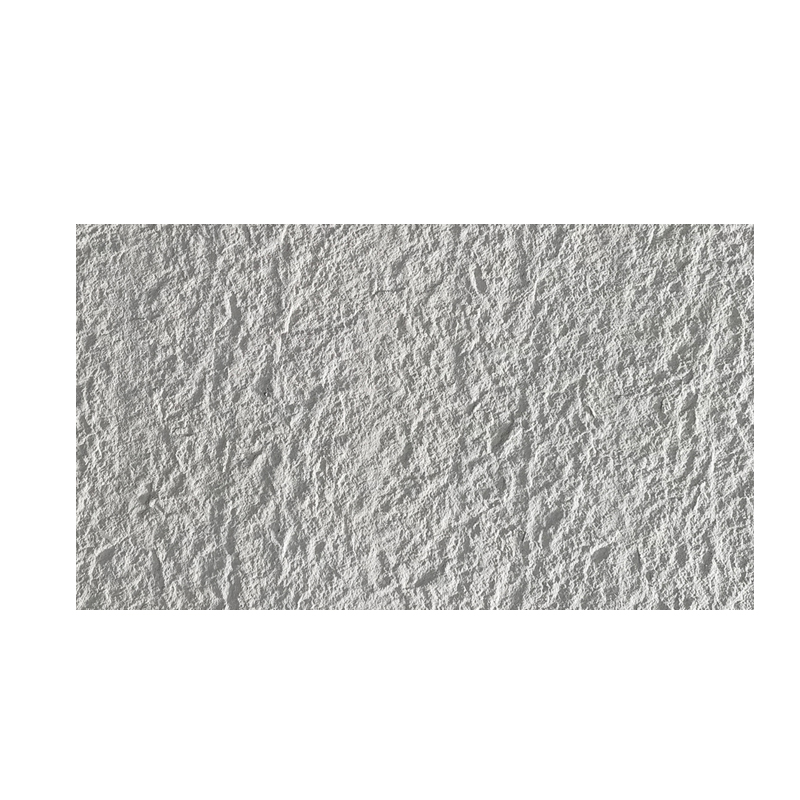
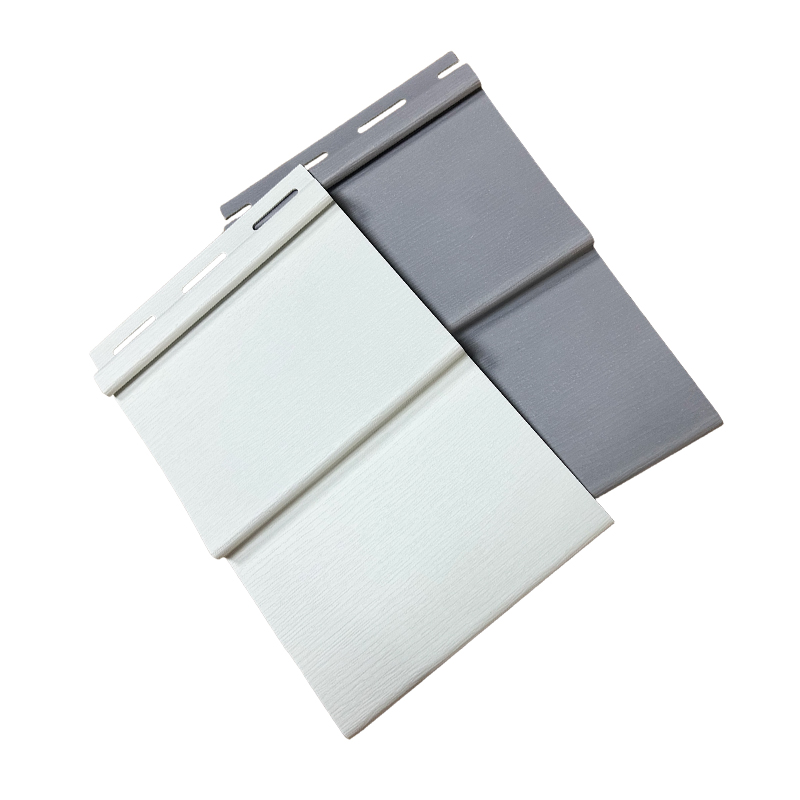 20.5-25.5cm PVC Exterior Siding Panels YXWL01SThese closed-cell PVC siding panels offer a maintenance-free exterior cladding with full-thickness color and impact resistance. Their smooth surface sheds water, preventing swelling, warping and freeze-thaw damage over decades.View Product →
The panels are extruded from closed-cell PVC, a structure that stays rigid without absorbing water. Because the pigment runs through the full thickness of the board, a scratch or a cut end does not expose a different colour layer the way a coated product would. Water runs off the smooth face instead of soaking in, which is the mechanical reason these boards resist swelling, warping and freeze-thaw damage over decades of exposure. The same closed-cell construction also gives the siding better impact resistance than thin-gauge metal panels, so dents from hail or yard equipment are less likely to become permanent visible flaws.
Low-maintenance cladding, definedA wall cladding is genuinely low-maintenance when routine work is limited to cleaning, and every refinishing or repair task is eliminated by the material itself rather than by a surface coating that can fail.
| Material | Repaint cycle | Rot risk | Cleaning | Pest risk |
| Wood siding | Every 5-7 years | High | Annual | Moderate |
| Fiber cement | Every 10-15 years | Low | Annual | Low |
| Aluminum siding | Not painted | Low | Annual | Low |
| PVC siding | None | None | Occasional | None |
Soffit Panels: The Overlooked Component of Exterior Durability
Soffit panels protect the roof-edge cavity, provide attic ventilation, and keep pests out, which puts them on the same level as siding in a low-maintenance exterior.
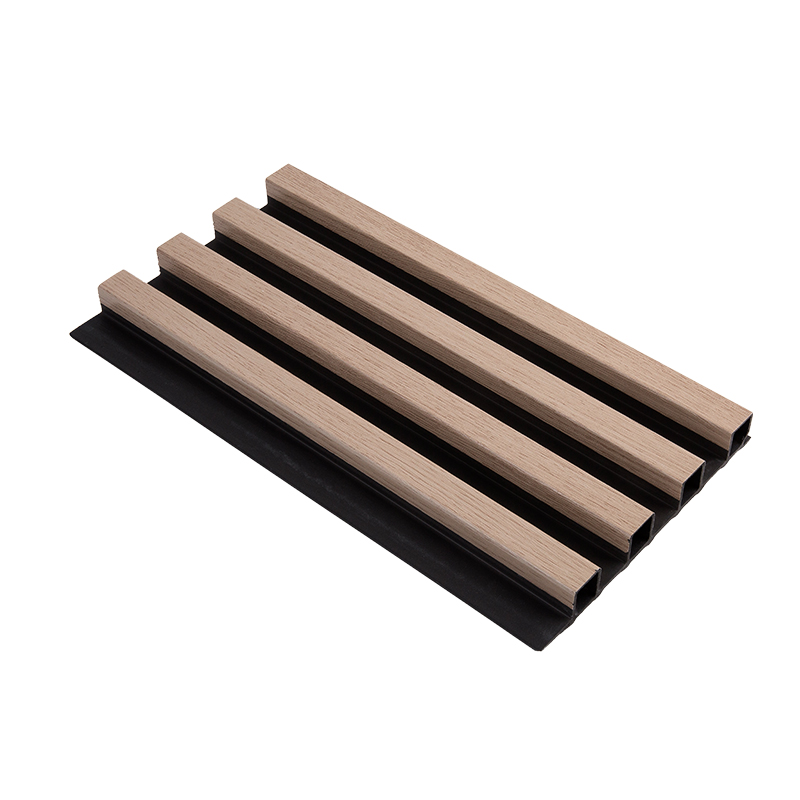
 Double Column PVC Soffit Panel YXWL02CThis 30.5cm-wide soffit panel provides rigid closure for eaves and porches with two columns for strength. Its venting design promotes continuous airflow while preventing moisture, pests and debris entry without painting or treatment.View Product →
Installed on the underside of eaves and overhangs, soffit panels close the gap between the exterior wall and the roofline. Vented profiles allow air to move through the cavity, preventing the moisture build-up that gradually damages rafters and fascia boards on unventilated buildings. Because the panels are PVC, they do not blister, stain, or support insects the way wood soffits do. Double-column and four-column profile designs used by Yunxi New Material distribute the vent openings across the panel face, so airflow remains continuous without visible louvre lines from street level.
- Ventilate the roof cavity to prevent condensation and rot.
- Seal the eave cavity against insects, birds and wind-driven rain.
- Resist moisture without staining or warping over time.
- Match the siding profile and colour so the roofline reads as one material language.
Specifier note: a soffit that is sealed without vents traps warm, humid air under the roof deck. Vented PVC soffit panels balance weather protection with airflow, which reduces the risk of rot and mould in the cavity behind the fascia.
For detailed guidance on venting, colours and fascia coordination, see our full explanation of PVC soffit panel venting and fascia options.
How PVC Siding and Soffit Panels Work Together as a System
Installed as a system, PVC siding and soffit panels create a sealed yet ventilated building envelope that removes most of the triggers for exterior repair work.
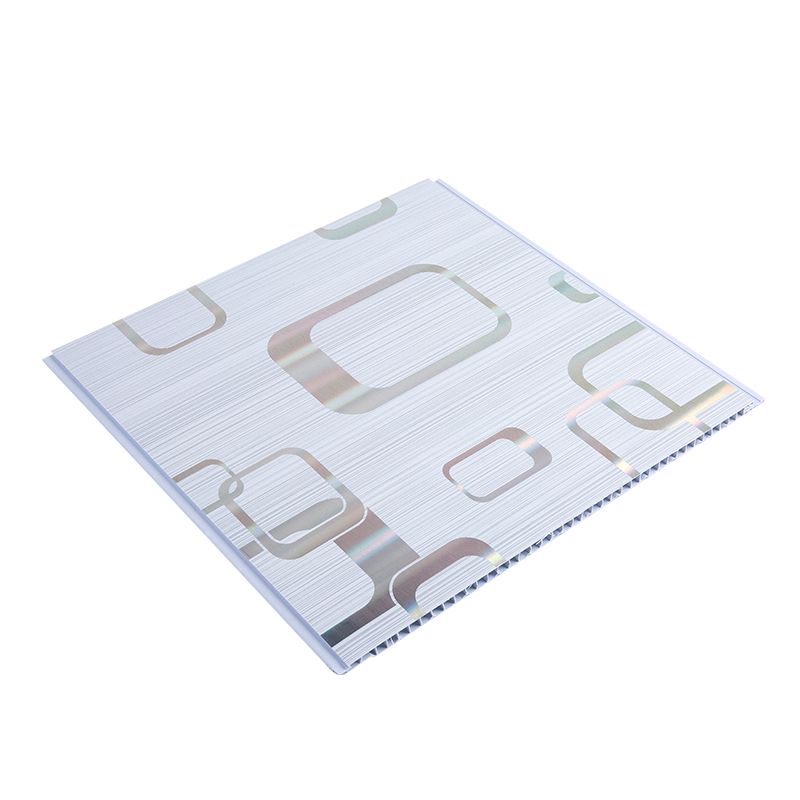
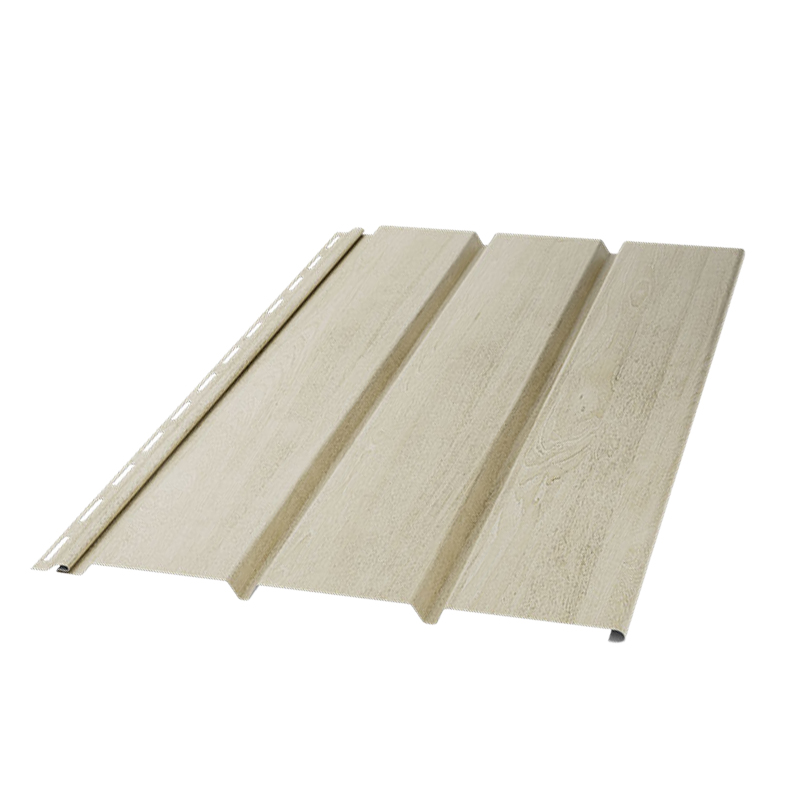 PVC Soffit Ceiling Panel YXWL01CA 30.5cm-wide soffit panel that encloses roof eaves and porch ceilings with a uniform finish. Its dense PVC structure resists moisture and biological growth, and customizable lengths minimize joints for a sealed, pest-free cavity.View Product →
Siding alone leaves the roofline transition exposed. Soffit panels close that transition, and the trim range finishes the edges: starting trim fixes the first course, J-trim wraps corners, and connecting and ending trims complete each run without exposed fasteners or open seams. This is where the low-maintenance promise is actually delivered, because every joint that would need caulking on a traditional exterior is replaced by a moulded profile that cannot dry out or crack. The same principle applies at windows and door openings, where factory-cut trim accessories replace field-applied caulk lines that would otherwise become the first maintenance point.
Traditional maintenance burden
- Repaint siding every 5-7 years
- Re-caulk corner joints each spring
- Scrape and spot-prime failing paint
- Replace rotted soffit boards
PVC siding and soffit system
- No repainting over the service life
- Moulded trim keeps joints permanently closed
- No paint film to peel, flake or chalk
- Cleaning is the only recurring task
One cleaning pass per year versus a repeating cycle of painting, caulking, scraping and spot-repair: that is the measurable maintenance gap between a PVC exterior and a painted wood exterior.
Installation Practices That Preserve the Low-Maintenance Promise
Low-maintenance performance depends on correct installation: the way boards are nailed, spaced and trimmed decides whether the system stays tight for decades.
The most common preventable failures are overdriven fasteners, rigid fixing that blocks thermal movement, and unsealed joints at outside corners. PVC expands and contracts with temperature changes, so each board needs clearance to move. Fasteners should be driven straight and left slightly loose so the panel can shift without buckling. The soffit-to-wall intersection should be finished with a trim profile, not with sealant alone.
Estimated annual maintenance hours per building, by cladding material
Wood siding
12 h
Fiber cement
7 h
Aluminum siding
5 h
PVC siding + soffit
2 h
Rule of thumb: if a fastener head is visibly sinking into the board face, it is already driven too deep. Flush, not compressed, is the correct setting for a panel that needs room to move.
Aesthetic Retention and Design Flexibility
PVC siding and soffit panels keep their appearance because colour and texture are part of the board, not a painted layer that wears away with weather and UV exposure.
Modern profiles reproduce wood grain through embossed texture, and the through-colour construction avoids the faded, chalky look that early vinyl products showed after long sun exposure. Designers can select U-slot or V-slot profiles to set different shadow lines, and choose matching soffit vent patterns so the roofline reads as part of the facade rather than a separate technical zone.
Because siding, soffit and trim are all factory-finished in stable pigments, a complete exterior colour scheme can be specified from one supplier without coordinating multiple paint trades on site.
For board thickness, durability and commercial colour guidance, see our article on PVC siding panel thickness and commercial colour choices.
Frequently Asked Questions
Does PVC siding require painting over its lifetime?
No. PVC siding is coloured through the full thickness of the board, so it does not need paint, and a surface scratch stays the same colour as the surrounding material.
Can PVC soffit panels be used on unvented eaves?
Unvented eaves still benefit from a solid PVC soffit panel to close the cavity; for attic airflow, specify a vented soffit profile from the same material system.
How do PVC siding and soffit panels behave in freeze-thaw climates?
The closed-cell PVC structure does not absorb water, so repeated freeze-thaw cycles do not cause the flaking or cracking seen on painted wood products.
Is annual cleaning still necessary for a PVC exterior?
One cleaning pass per year with a soft cloth or low-pressure water is usually enough; the smooth surface releases dirt more easily than fibrous or painted cladding.
The low-maintenance promise is delivered by the material and preserved by installation discipline: ventilate the cavity, allow thermal movement, and close every edge with trim. That is the specification that keeps an exterior looking new.