+86-18367343973

 English
 Español
 عربى
عربى
Article Directory
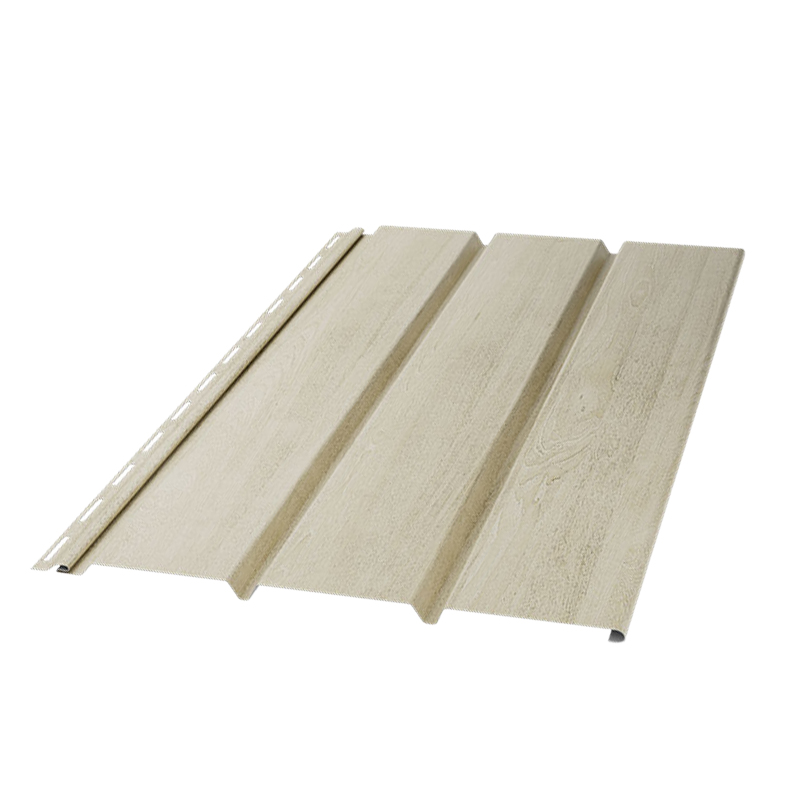
Choosing the right PVC siding panel for a commercial or residential project comes down to four decisions: thickness, product durability, installation method, and color. Get these right and the cladding will perform for 30 or more years with near-zero maintenance. Get them wrong and you face warping, fading, or premature failure within a single decade.
50x Less maintenance cost over 20 years compared to painted wood siding — making PVC the lifecycle-cost winner for commercial facades.
What Thickness Suits PVC Siding Panels?
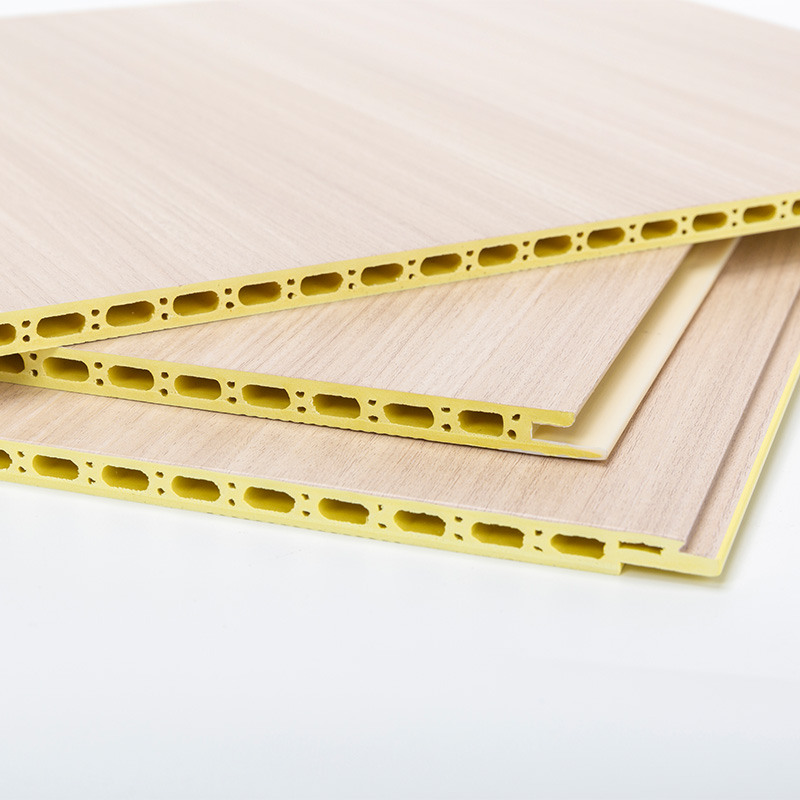
Thickness is the single most important specification when buying PVC siding panel. It determines structural rigidity, impact resistance, and how well the panel holds fasteners over years of thermal expansion and contraction.
Residential Light Use
0.040 in
Suitable for low-wind zones and single-story structures. Minimum acceptable spec — prone to flex on longer runs.
Standard Residential
0.044 – 0.046 in
The industry benchmark for homes. Balances cost and performance across all climate zones.
Premium / Commercial
0.050 in +
Required for multi-story buildings, high-wind areas (ASTM D3679 Class 1), and facades exceeding 6 m in height.
A 2022 review of building failure claims by the National Association of Home Builders found that 67% of PVC cladding complaints involved panels thinner than 0.044 in installed in regions with seasonal temperature swings above 40°C. Always match thickness to climate load, not just budget.
Which PVC Siding Panel Is the Most Durable?
Durability in a PVC siding panel is determined by compound formulation, surface treatment, and locking profile — not brand name alone.
Key Durability Indicators
01
Titanium Dioxide (TiO2) Content — High-quality panels use 10–12 parts TiO2 per 100 parts PVC resin. This UV stabilizer prevents chalking and color fade for 25+ years in direct sun.
02
Impact Modifier Type — ASA (acrylonitrile styrene acrylate) co-extrusion on the cap layer outperforms standard acrylic modifiers in sub-zero impact resistance by approximately 40%, per ISO 180 pendulum tests.
03
Double-Lock Profile — A dual-leg interlocking channel resists wind uplift up to 180 km/h without additional adhesive, compared to single-lock panels that begin deflecting at 120 km/h.
04
ASTM D3679 / ISO 9001 Certification — Third-party certification confirms consistent compound mixing and dimensional tolerances. Non-certified panels may vary batch to batch.
"A coextruded ASA cap layer is the single upgrade that most extends field service life — it takes the UV punishment so the PVC core never degrades."
Building Envelope Technology, 2023 Technical SummaryHow to Install PVC Siding Panels Correctly
Proper installation is what separates a PVC siding panel that lasts three decades from one that buckles in five years. The core principle is always the same: allow for thermal movement.
Prepare the Substrate
Install a continuous water-resistive barrier (WRB) over sheathing. Ensure the surface is plumb within 3 mm over any 1.8 m run. Any high spots will telegraph through the finished panel face.
Set the Starter Strip
Fasten the aluminum starter strip level along the base course. A 6 mm gap at corners and penetrations is mandatory — PVC expands approximately 9.5 mm per 3 m of panel length over a 28°C temperature change.
Fasten with Correct Nails
Use hot-dipped galvanized or stainless roofing nails, 38 mm minimum. Drive nails through the center of the nailing slot — never tight. The panel must float freely within the slot to accommodate expansion.
Maintain Course Overlap
Overlap each course by the manufacturer's specified reveal (typically 19–25 mm). Snap a chalk line every five courses to prevent drift. Inconsistent reveal is the most visible installation defect.
Seal and Trim
Use purpose-made PVC trim accessories (J-channel, inside corner, outside corner) rather than caulk alone. Apply a paintable, low-modulus silicone sealant rated for plastics at termination points only.
Which Colors Sell Best Commercially?
Color selection for commercial PVC siding panel projects is driven by planning regulations, brand guidelines, and proven resale performance data.
| Color Family | Commercial Share (2024) | Best Application | Heat Absorption Note |
| Bright White / Arctic White | 34% | Retail, healthcare, education | Lowest surface temp gain (+8°C max) |
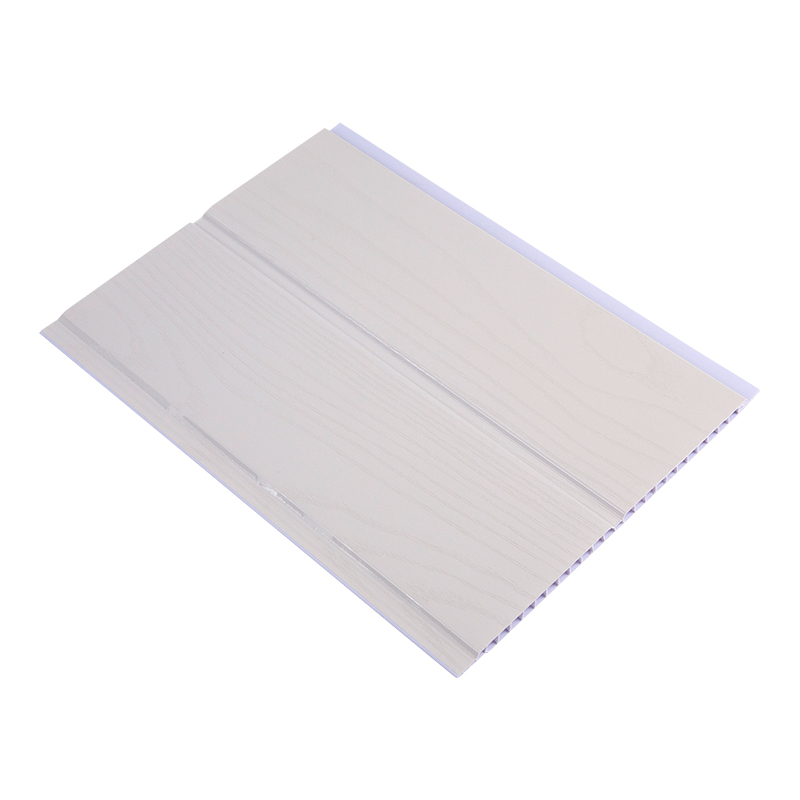
| Warm Greige / Sandstone | 22% | Mixed-use, hospitality, residential blocks | Moderate (+14°C) |
| Charcoal / Slate Gray | 18% | Industrial, tech campuses, contemporary offices | Higher — specify 0.050 in+ panels |
| Sage Green / Olive | 12% | Bio-based design, wellness, rural commercial | Low-moderate (+11°C) |
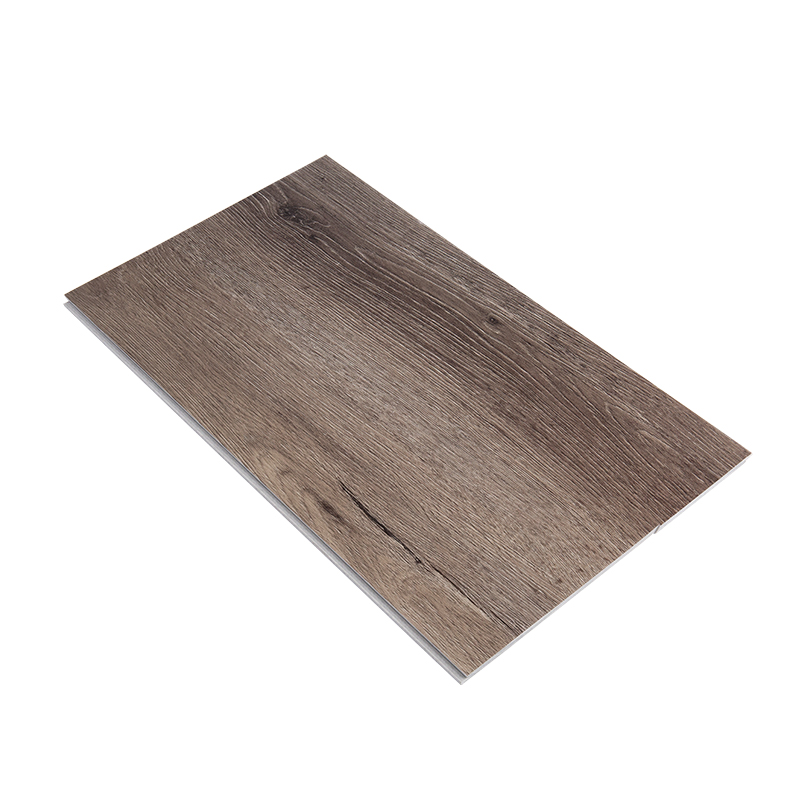
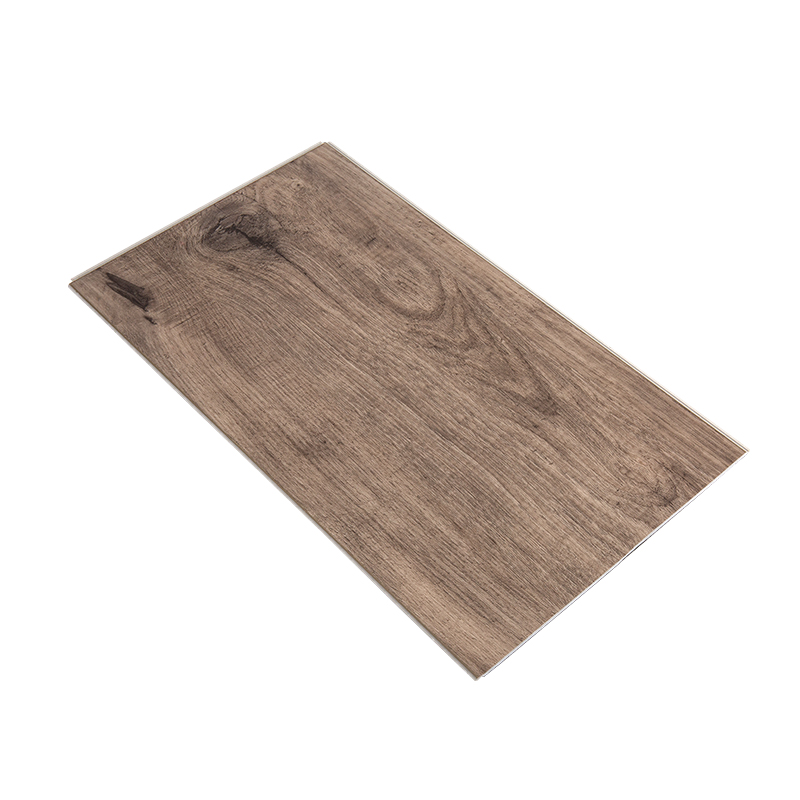
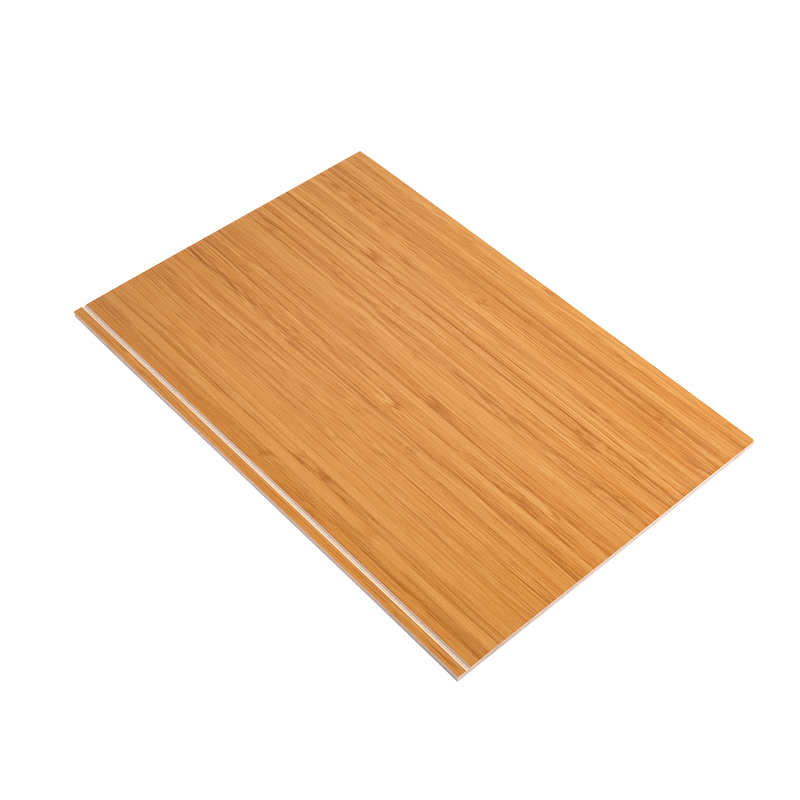
| Cedar / Woodgrain Prints | 14% | Premium residential blocks, lifestyle retail | Varies by base color |
Dark colors absorb significantly more solar energy than light colors. For buildings in warm climates or with southern exposure, specify panels with a Solar Reflectance Index (SRI) above 29 to meet LEED and ASHRAE 90.1 envelope requirements. White and light neutral panels routinely achieve SRI values of 82–96.
Frequently Asked Questions
Can PVC siding panels be painted after installation?
Yes, but only with 100% acrylic latex paints formulated for plastic. Never use oil-based or alkyd coatings — they crack as the panel flexes. Choose a color with a Light Reflectance Value (LRV) equal to or higher than the original panel color to avoid heat buildup that could void the manufacturer warranty.
What is the minimum temperature for installing PVC siding?
Installation below 4°C (40°F) is not recommended. PVC becomes brittle at low temperatures and is more susceptible to cracking during nailing. If installation must proceed in cold conditions, store panels indoors at room temperature for at least 24 hours before cutting and fastening.
How does PVC siding perform in fire compared to fiber cement?
Quality PVC siding panel products are self-extinguishing (ASTM E84 Class A or B flame spread) and will not sustain combustion once an ignition source is removed. Fiber cement is non-combustible, making it superior in extreme fire-risk zones, but PVC performs adequately for standard commercial fire codes in most jurisdictions.
What maintenance does a PVC siding panel require?
Annual washing with a garden hose and mild detergent is sufficient. Avoid pressure washers above 1,400 psi aimed directly at panel seams. Inspect fasteners and sealant at penetrations every three years. No painting, staining, or sealing is required for the panel face itself.