+86-18367343973

 English
 Español
 عربى
عربى
Article Directory
- 1 Is Interior WPC Wall Panel Waterproof and Durable?
- 2 Can WPC Wall Panels Be Used for Indoor Decoration?
- 3 How Long Do Interior WPC Wall Panels Last?
- 4 Are WPC Wall Panels Better Than PVC Wall Panels?
- 5 How to Install Interior WPC Wall Panels
- 6 Is WPC Wall Panel Suitable for Bathroom and Kitchen Interior?
Homeowners and contractors choosing materials for bathrooms, kitchens, and feature walls are increasingly skipping paint and tile in favor of Interior WPC Wall Panel systems. Made from a wood-plastic composite core, these panels combine the look of natural wood with the moisture resistance of plastic, making them a practical fit for spaces where traditional materials struggle.
Is Interior WPC Wall Panel Waterproof and Durable?
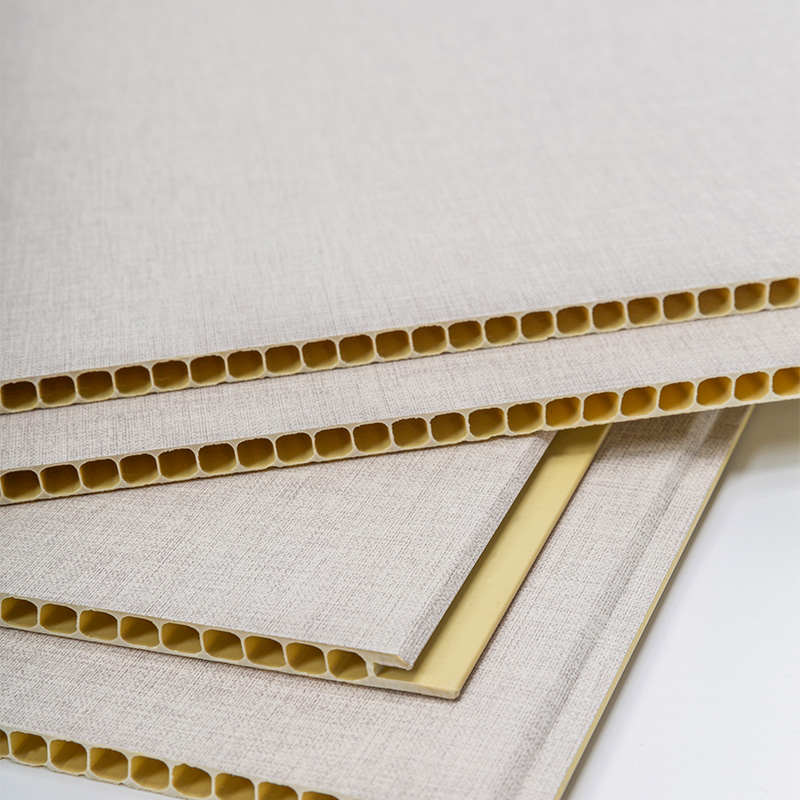
Interior WPC wall panels are waterproof because their core is made from a composite of wood fiber and high-density polyethylene or polypropylene, sealed under a protective surface film. This composite structure does not absorb water the way solid wood does, so the panels resist swelling, warping, and rot even in consistently damp environments.
20+
Years of expected service life for interior WPC wall panels under normal indoor conditions, with minimal fading or surface degradation when properly installed.
Durability extends beyond water resistance. The composite core resists impact better than thin PVC sheeting, holds screws and fasteners more securely than hollow plastic panels, and maintains its shape across temperature and humidity swings that would cause natural wood paneling to expand and contract visibly.
Can WPC Wall Panels Be Used for Indoor Decoration?
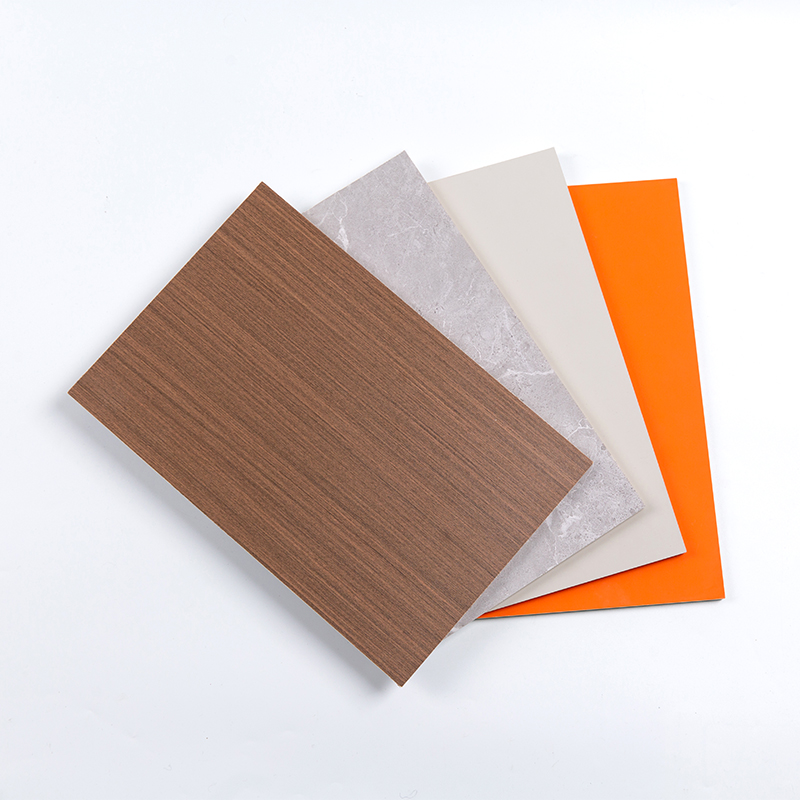
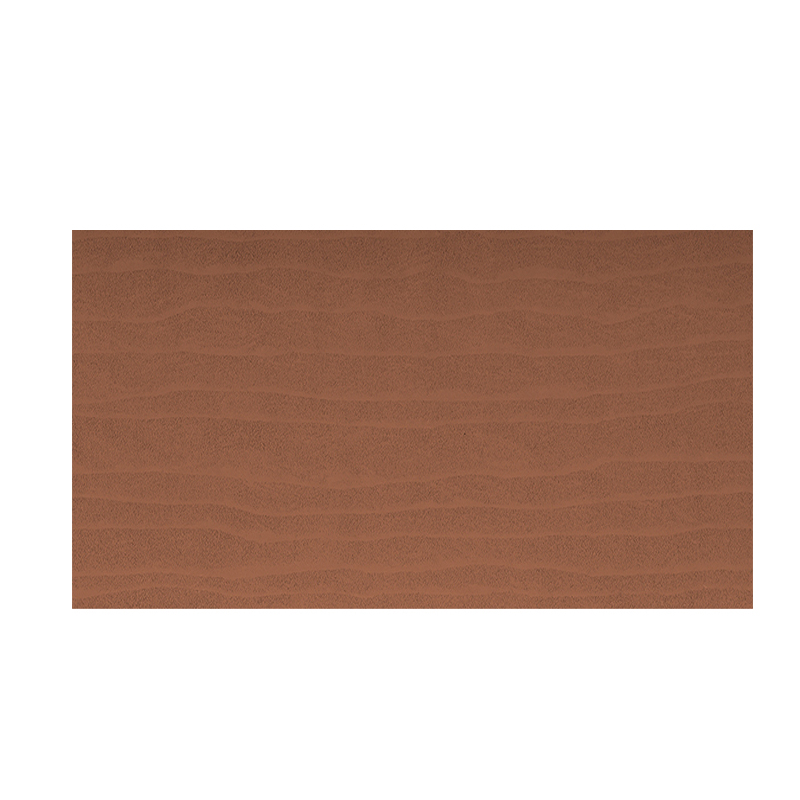
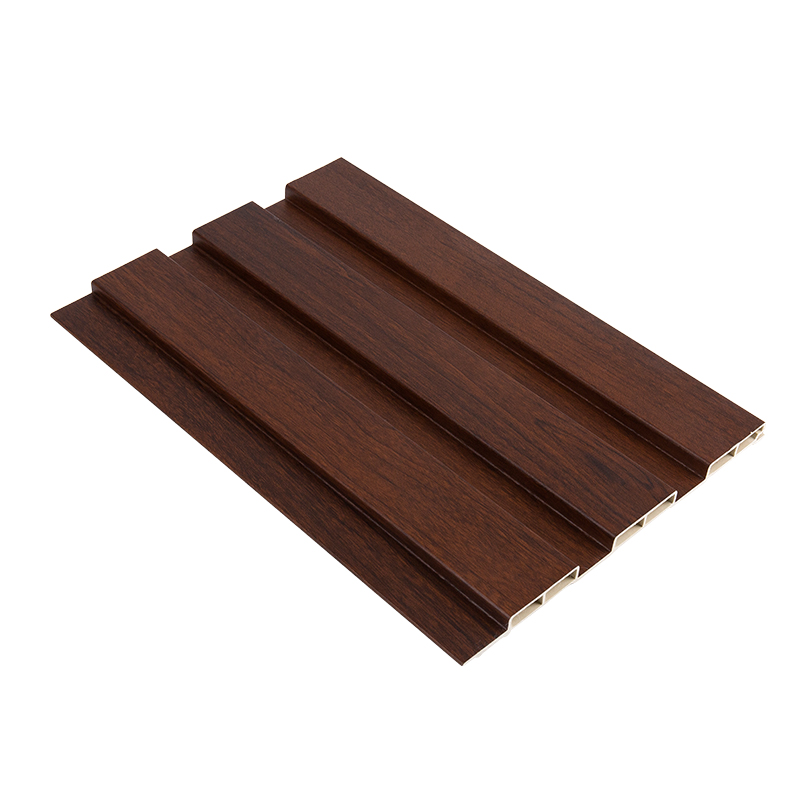
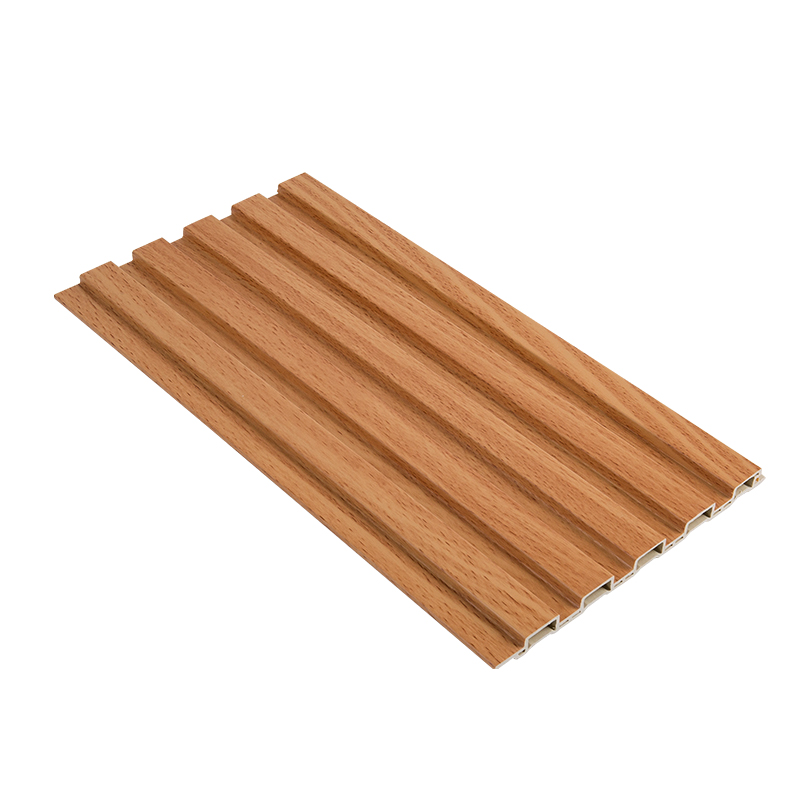
Yes, WPC wall panels are widely used for indoor decoration because they are manufactured with realistic wood-grain textures, a range of color finishes, and consistent dimensions that allow for clean, seamless installations across large wall areas.
Design Flexibility
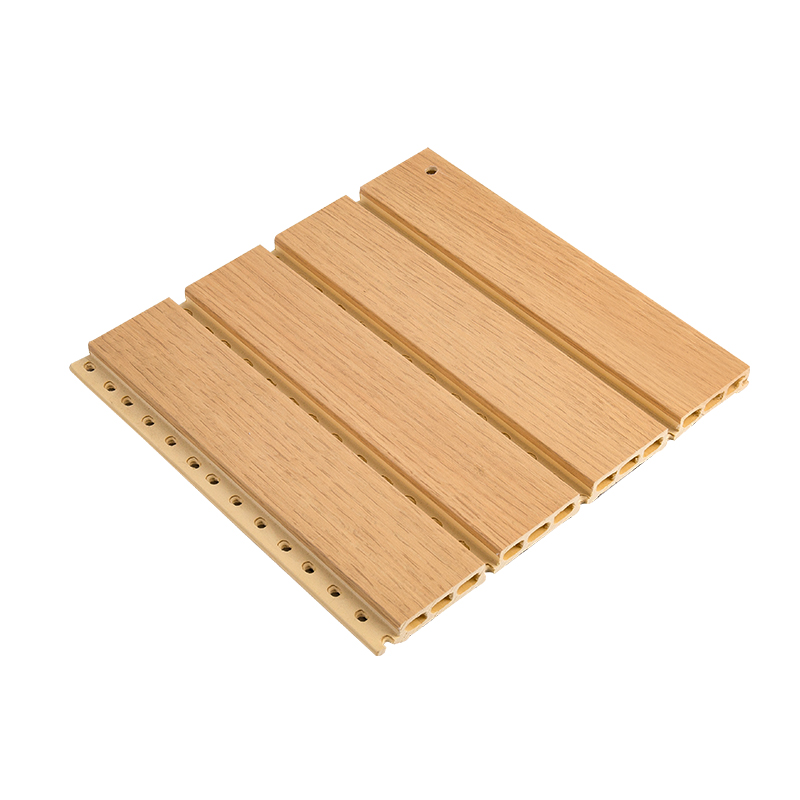
WPC panels are produced in tongue-and-groove, click-lock, or flat-panel formats, allowing them to be used for full accent walls, ceiling cladding, wainscoting, and decorative trim without visible seams or gaps.
Because the panels are pre-finished, there is no need for on-site painting, staining, or sealing, which shortens installation timelines and gives a consistent appearance from panel to panel, something difficult to achieve with natural wood due to grain and color variation.
How Long Do Interior WPC Wall Panels Last?
Interior WPC wall panels typically last two decades or longer indoors, with longevity depending on installation quality, exposure to direct sunlight, and the surface finish applied during manufacturing. Panels with a co-extruded protective layer resist UV yellowing and surface scratching significantly better than uncoated composite panels.
- Resistant to mold and mildew growth in humid rooms
- Does not require repainting or refinishing over its service life
- Holds color and surface texture without cracking or peeling
- Easily cleaned with standard household cleaning products
Are WPC Wall Panels Better Than PVC Wall Panels?
WPC and PVC wall panels share some qualities, such as water resistance, but differ significantly in structure, feel, and long-term performance.
PVC Wall Panels
- Hollow or foamed core, lighter weight
- Lower cost per square meter
- More prone to denting under impact
- Plastic appearance even with printed finishes
Interior WPC Wall Panel
- Solid composite core, denser and sturdier
- Better fastener retention and screw holding strength
- More authentic wood-grain texture and feel
- Higher impact and dent resistance
For high-traffic interior areas or spaces where panels may be bumped or knocked, the added density of Interior WPC Wall Panel products generally translates into a longer-lasting installation compared to standard PVC panels, even though the upfront cost is typically higher.
How to Install Interior WPC Wall Panels
Most interior WPC wall panel systems are designed for straightforward installation using a click-lock or groove-and-tongue system, following four general stages.
1
Wall Preparation
Ensure the wall surface is flat, dry, and free of debris before installation begins.
2
Battens or Adhesive
Fix vertical battens or apply a suitable construction adhesive depending on the panel system and wall type.
3
Panel Fitting
Slot each panel into the previous one using the tongue-and-groove edges, working from one corner across the wall.
4
Trim and Finish
Add edge trims, corner pieces, and skirting to complete a clean, finished appearance around openings and corners.
Is WPC Wall Panel Suitable for Bathroom and Kitchen Interior?
WPC wall panels are well suited for bathroom and kitchen interiors, where consistent moisture, splashes, and steam quickly damage paint, wallpaper, and untreated wood. The non-porous, water-resistant surface of WPC panels prevents moisture from penetrating the core, while their smooth, sealed finish resists grease and food splashes in kitchens and soap residue or steam in bathrooms. Combined with their wood-like appearance, WPC panels allow these high-moisture rooms to achieve a warm, finished look that was previously difficult to maintain with natural wood materials.