+86-18367343973

 English
 Español
 عربى
عربى
Article Directory
- 1 What Are PVC Soffit Boards and Why Are They Used?
- 2 Applications in Residential Construction
- 3 Applications in Commercial Building Projects
- 4 Key Advantages of PVC Soffit Boards
- 5 How PVC Soffit Boards Are Installed
- 6 Selecting the Right PVC Soffit Board
- 7 PVC Soffit Boards vs Traditional Materials
- 8 Frequently Asked Questions
Roof eaves take the brunt of weather exposure on any building, which is why PVC soffit boards have become the default choice over painted wood on both residential homes and large commercial developments. They close off the underside of the roof overhang while managing attic ventilation, and they do it without the recurring maintenance cycle that timber soffits demand.
What Are PVC Soffit Boards and Why Are They Used?
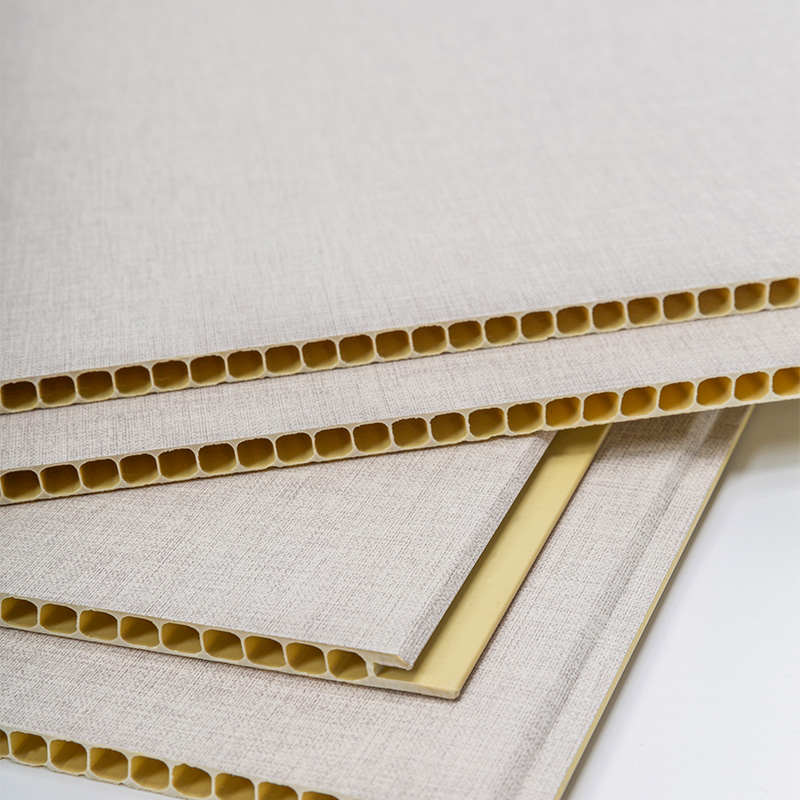
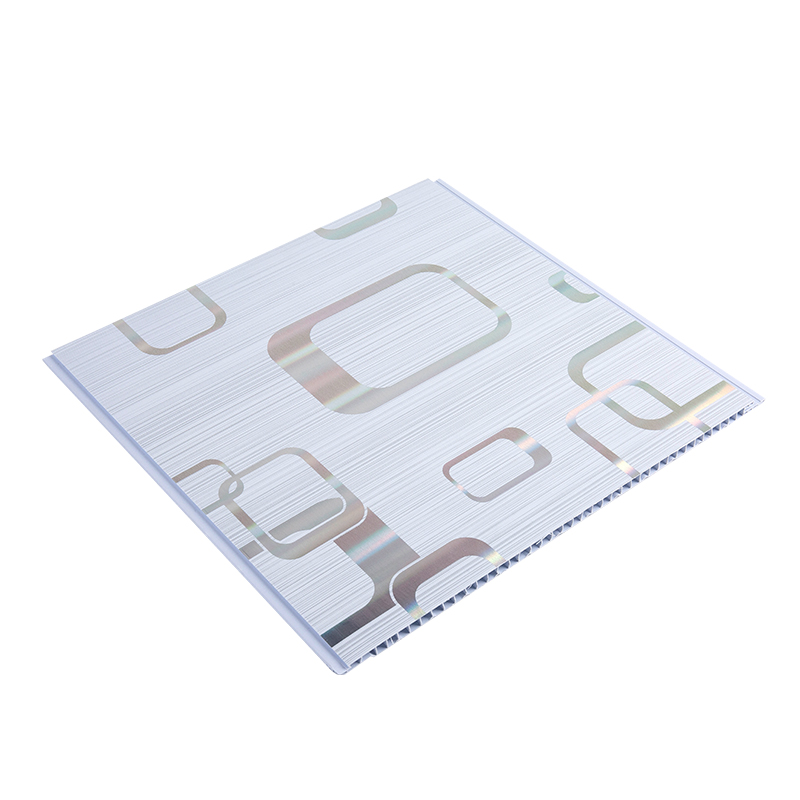
A PVC soffit board is a rigid or vented panel made from polyvinyl chloride, installed under roof eaves to close the gap between the exterior wall and the roofline while resisting moisture, insects, and UV degradation.
- 01Weather resistant against rain, humidity, and temperature swings
- 02Moisture resistant, eliminating rot common in wood soffits
- 03Lightweight panels that install faster than timber or metal
- 04Low maintenance, needing no repainting or resealing
Applications in Residential Construction
Roof Eaves and Soffit Protection
PVC soffit boards seal the underside of roof overhangs, protecting rafters and fascia boards from wind-driven rain and pest intrusion.
Ventilated Roof Systems
Perforated soffit panels manage attic airflow, pulling in outside air to reduce moisture buildup and regulate roof temperature year-round.
Proper soffit ventilation lowers attic humidity and helps prevent condensation damage to roof decking, a detail often decided entirely by the soffit system chosen at the design stage.
Exterior Decoration and Architectural Finishing
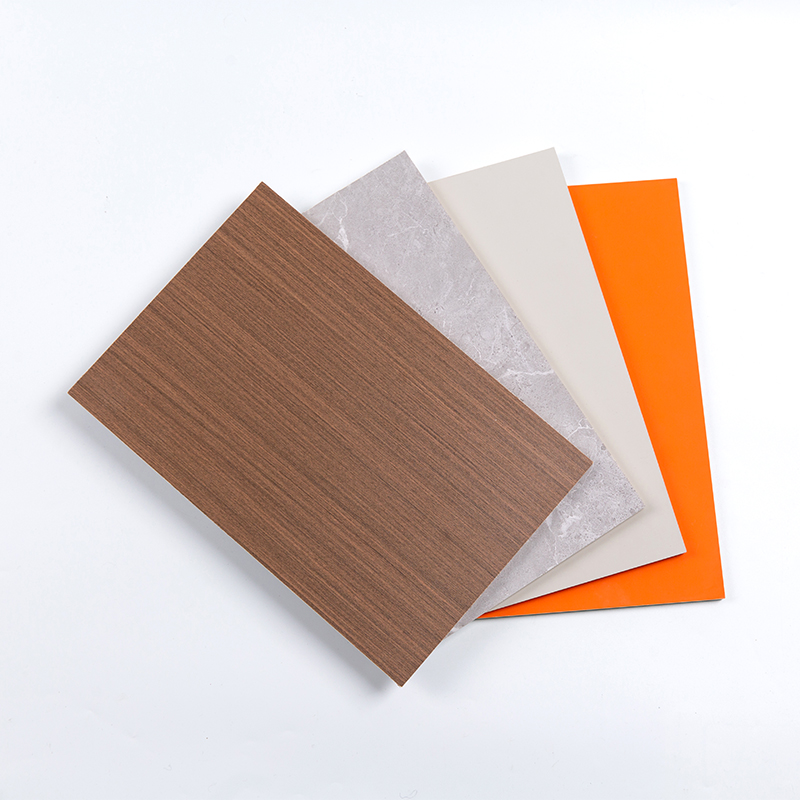
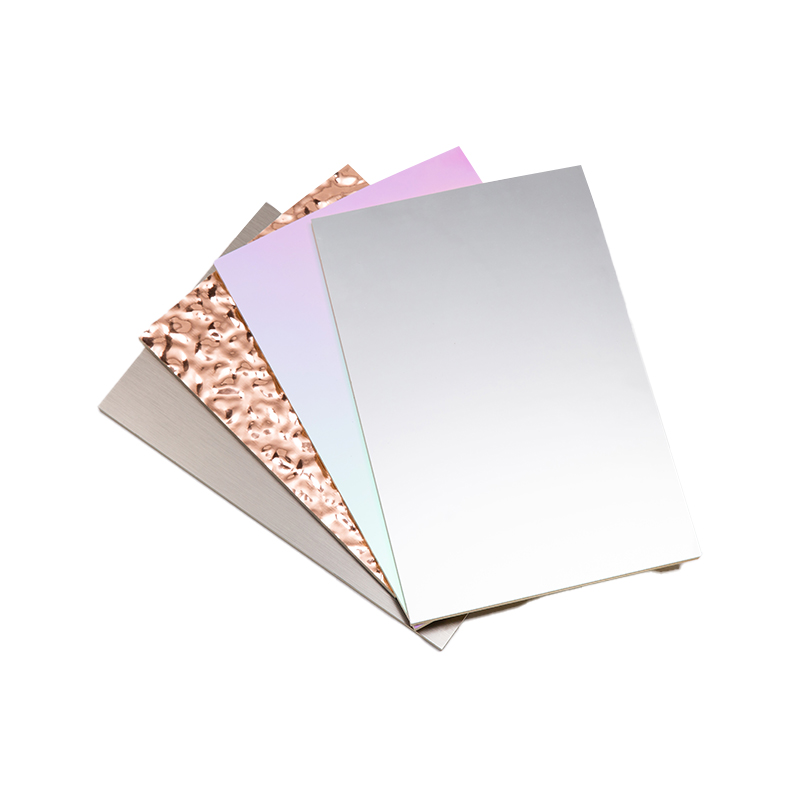
Beyond function, PVC panels come in multiple colors and textures, letting homeowners match soffit trim to fascia and siding for a coordinated exterior finish.
Applications in Commercial Building Projects
Office and Retail Construction
Commercial developers specify PVC soffit panels for large canopy and overhang areas where consistent color and long-term weather performance reduce facade maintenance costs.
Industrial and Public Buildings
Warehouses, schools, and public facilities use PVC soffit systems for their combination of durability and fire-rated product options suited to code compliance.
Large-Scale Cladding and Ceiling Systems
On extended eave lines and covered walkways, panelized PVC systems install faster across large spans than individually painted wood boards.
Key Advantages of PVC Soffit Boards
- Weather resistance and long-term durability under continuous outdoor exposure
- Moisture resistance that eliminates the rot and warping common in wood soffits
- Lightweight panels that reduce structural load and speed up installation
- Low maintenance and lower lifetime cost compared with painted materials
How PVC Soffit Boards Are Installed
Installation starts with preparing the roof eaves and supporting structure, fixing an F-channel or J-channel track along the fascia and wall line, then sliding panels into place with room for thermal expansion. Ventilated sections are positioned to align with attic intake points, and trim pieces finish the exposed edges.
Selecting the Right PVC Soffit Board
| Selection Factor | What to Check |
| Board thickness | Structural rigidity for the span length being covered |
| UV stability | Resistance to color fade under prolonged sun exposure |
| Color and texture | Match to fascia, siding, and overall building design |
| Structural compatibility | Fit with existing framing and channel systems |
PVC Soffit Boards vs Traditional Materials
PVC Soffit
No rot, no repainting, consistent color for decades
Wood Soffit
Prone to rot and insects, needs repainting every few years
Metal Soffit
Durable but can dent and shows corrosion in coastal climates
Frequently Asked Questions
What are PVC soffit boards used for?
They seal and protect the underside of roof eaves while managing attic ventilation on both residential and commercial buildings.
Are PVC soffit boards better than wood?
For long-term durability, yes. PVC does not rot, warp, or require repainting the way wood soffits do.
Do PVC soffit boards support attic ventilation?
Yes, perforated PVC soffit panels are designed specifically to allow airflow into the attic space.
How long do PVC soffit boards last?
With proper installation, PVC soffit systems commonly last several decades with minimal maintenance.