+86-18367343973

 English
 Español
 عربى
عربى
Article Directory
- 1 What Are PVC Soffit Boards and Their Role in Building Exteriors
- 2 Why PVC Soffit Boards Are Becoming More Popular in Modern Construction
- 3 Key Advantages of PVC Soffit Boards Compared With Traditional Materials
- 4 How PVC Soffit Boards Improve Building Protection and Performance
- 5 Types of PVC Soffit Boards Available for Different Building Applications
- 6 How PVC Soffit Boards Are Used in Residential and Commercial Buildings
- 7 How PVC Soffit Boards Perform in Outdoor Environments
- 8 What Factors Buyers Should Consider When Selecting PVC Soffit Boards
- 9 How PVC Soffit Boards Are Manufactured and Quality Controlled
- 10 Future Trends of PVC Soffit Boards in the Construction Industry
- 11 Frequently Asked Questions
Roof eaves take constant exposure to rain, humidity, and temperature swings, which is why PVC soffit boards have become a standard specification for both residential and commercial exterior finishing. Installed under the roof overhang, these panels protect the roof structure while supporting ventilation and contributing to a building's finished appearance, and their rise in popularity tracks closely with builder demand for materials that hold up outdoors without ongoing upkeep.
What Are PVC Soffit Boards and Their Role in Building Exteriors
PVC soffit boards are exterior building materials installed beneath roof eaves to close the gap between the roofline and exterior wall. As roof soffit panels, their primary function is protective: they shield rafters and roof structure from moisture, pests, and weather while allowing airflow where ventilation is required.
Beyond protection, PVC soffit panels also contribute to a building's finished look, since exposed rafters or unfinished eaves are rarely acceptable in residential or commercial construction. Building finishing materials at the eave line need to perform structurally and visually at the same time, which is the role soffit boards fill.
Why PVC Soffit Boards Are Becoming More Popular in Modern Construction
Demand for durable materials that require minimal upkeep has pushed pvc exterior panels ahead of painted wood in many new construction and renovation projects. Low maintenance building materials reduce the labor and cost associated with repainting or resealing wood soffits every few years, and waterproof construction materials address the moisture exposure that causes wood eaves to rot over time.
Wood soffit boards typically need repainting or resealing every 3 to 5 years, while PVC soffit boards require no repainting across their full service life.
Modern architectural design needs also favor PVC, since the material can be produced in consistent colors and finishes that match a building's exterior palette without the color variation common to natural wood.
Key Advantages of PVC Soffit Boards Compared With Traditional Materials
01
Weather Resistance
Resists rain and humidity without swelling, warping, or rotting, making it suitable for outdoor environments year-round.
02
Low Maintenance
Cleans with soap and water and does not require periodic surface treatment or repainting.
03
Durability
Delivers a long service life with stable outdoor performance across seasonal temperature changes.
How PVC Soffit Boards Improve Building Protection and Performance
Waterproof soffit panels protect roof edges from water intrusion at one of the most vulnerable points on a building envelope. By reducing moisture exposure at the eave line, PVC soffit boards help prevent the structural decay that leads to costly roof repairs.
-
Protecting roof edges
Forms a continuous barrier along the eave line against weather intrusion.
-
Reducing moisture exposure
Prevents water from reaching rafters and roof decking underneath.
-
Supporting ventilation systems
Ventilated panel options allow attic airflow while maintaining weather protection.
-
Improving exterior durability
Extends the service life of surrounding roofing and framing components.
Types of PVC Soffit Boards Available for Different Building Applications
Solid PVC Soffit Boards
Standard exterior finishing where ventilation is not required at that section of the roofline.
Ventilated PVC Soffit Boards
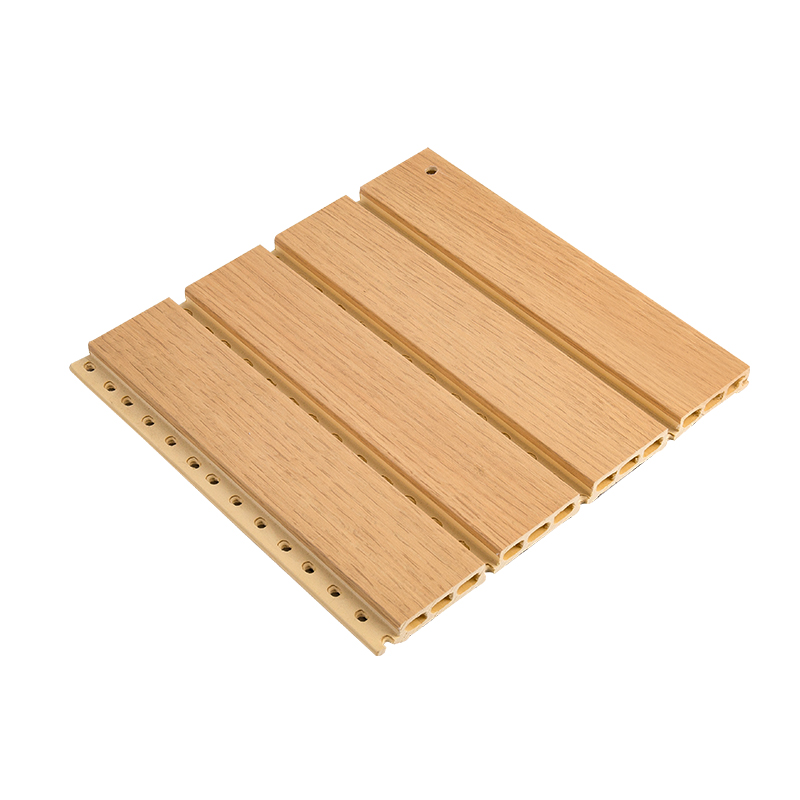
Perforated panels installed in roof ventilation areas to support attic airflow.
Decorative PVC Soffit Panels
Textured or profiled panels selected to improve overall architectural appearance.
How PVC Soffit Boards Are Used in Residential and Commercial Buildings
| Building Type | Common Applications |
| Residential | Houses, villas, renovation projects |
| Commercial | Offices, public buildings, exterior decoration projects |
Residential soffit panels are frequently selected for renovation projects because installation does not require removing existing roofing, while commercial building exterior materials favor PVC for its consistent appearance across large roof overhang panel runs.
How PVC Soffit Boards Perform in Outdoor Environments
UVResistant formulation limits color fading
0%Water absorption into the panel material
WideTemperature adaptability across seasons
StableColor retention under sustained outdoor use
Temperature resistant panels maintain dimensional stability through hot summers and cold winters, which prevents the warping or cracking that can affect lower-grade exterior materials over repeated seasonal cycles.
What Factors Buyers Should Consider When Selecting PVC Soffit Boards
Panel thickness
Material quality and grade
Surface finish options
Color consistency across batches
Installation compatibility with existing systems
Supplier production capacity
How PVC Soffit Boards Are Manufactured and Quality Controlled
- PVC material preparation
Raw PVC compound is formulated and prepared for the extrusion process.
- Extrusion molding
Material is extruded into continuous soffit panel profiles.
- Surface treatment
Panels receive surface finishing for texture, color, or UV protection.
- Cutting and processing
Extruded profiles are cut to standard or custom lengths.
- Quality inspection
Panels are checked for thickness, color consistency, and surface quality before shipment.
Future Trends of PVC Soffit Boards in the Construction Industry
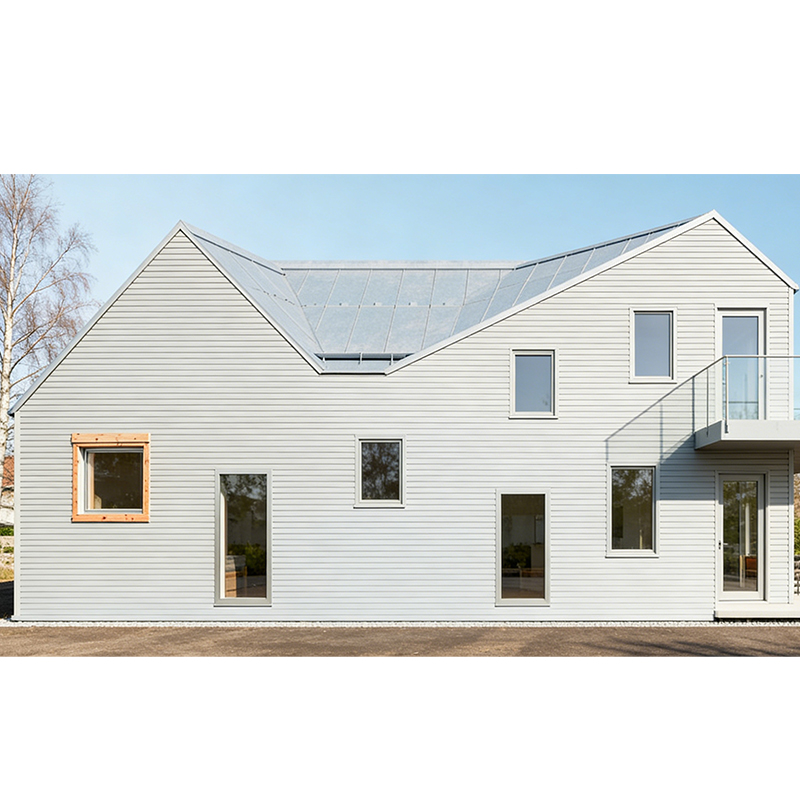
Sustainable PVC building materials and energy efficient building materials are becoming standard specification requirements as construction projects prioritize long-term performance over lowest upfront material cost.
Innovative construction materials research continues to improve panel formulations, while modern exterior solutions increasingly call for customized PVC soffit boards matched to specific architectural designs rather than standard stock profiles.
 |
 |
Frequently Asked Questions
What are PVC soffit boards used for?
They are installed under roof eaves to protect the roof structure from moisture, support ventilation, and finish the building's exterior appearance.
Are PVC soffit boards suitable for outdoor applications?
Yes. They are formulated to resist UV exposure, moisture, and temperature swings across all outdoor seasonal conditions.
What are the advantages of PVC soffit panels?
Key advantages include weather resistance, low maintenance requirements, and long-term durability compared to painted wood soffits.
How long do PVC soffit boards last?
PVC soffit boards typically deliver a long service life with stable performance and no need for repainting throughout their lifespan.
Are PVC soffit boards waterproof?
Yes. The material does not absorb water, which prevents the swelling, warping, or rot that affects wood soffit boards over time.
How do you choose the right PVC soffit board?
Consider panel thickness, material quality, surface finish, color consistency, installation compatibility, and the supplier's production capacity.