+86-18367343973

 English
 Español
 عربى
Article Directory
Two samples of WPC hollow decking can look identical on the surface and perform completely differently on site. One holds its line across a 400 mm joist spacing for years; the other sags and cups after a single summer. That gap is decided before the first meter is packed, by formulation, extrusion settings, and quality control.
What OEM WPC Hollow Decking Is
OEM WPC hollow decking is a wood-plastic composite profile with internal air channels, produced to the buyer's specified geometry, color, and performance targets instead of a factory's own catalog. In an OEM agreement, the manufacturing specification belongs to the buyer, which is precisely why process transparency matters more than the appearance of a sample.
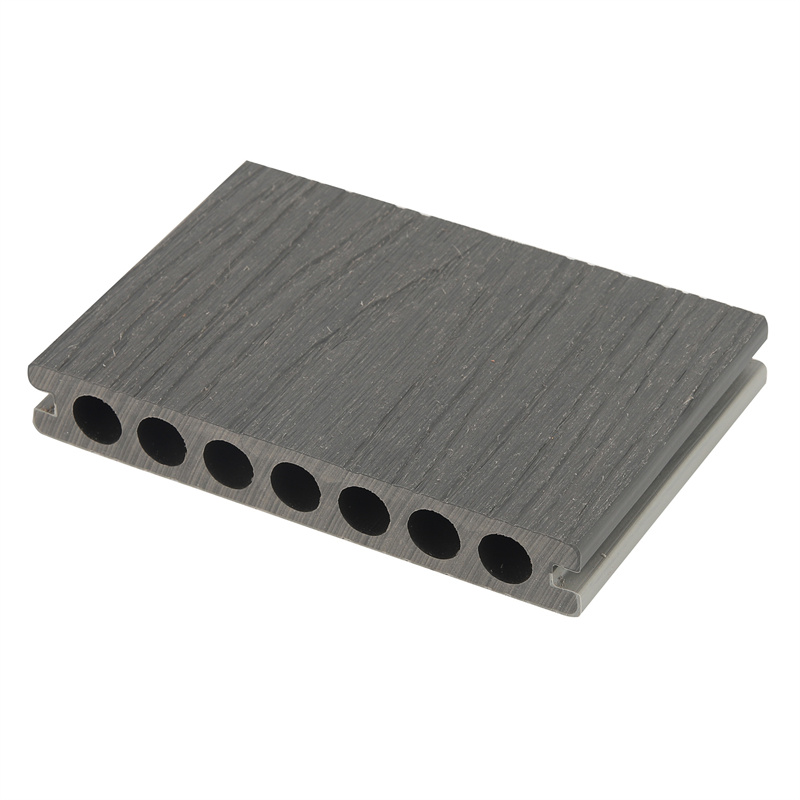
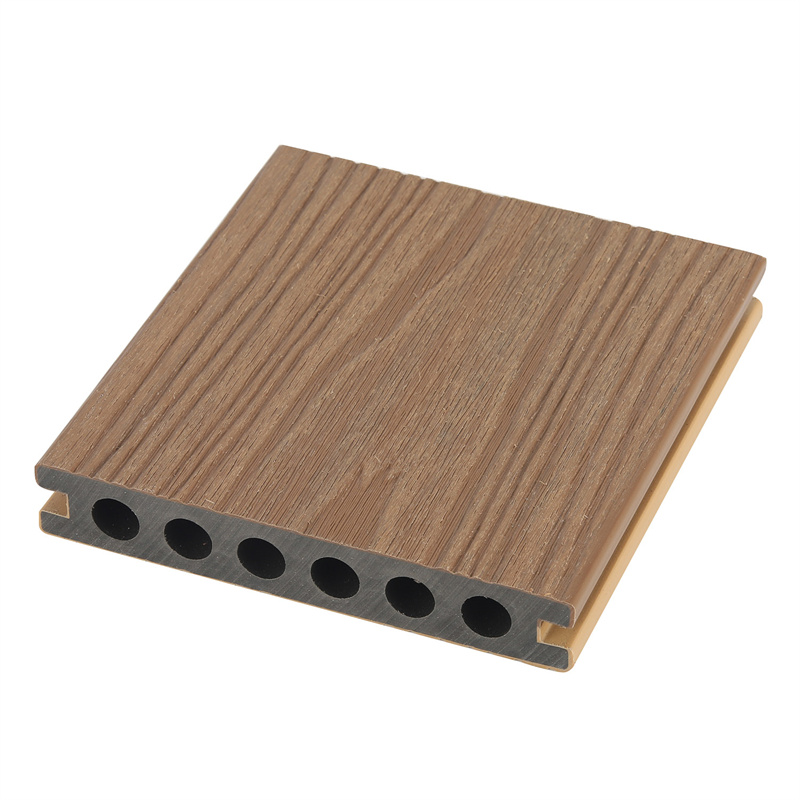
WPC hollow decking is a profile made from wood flour, thermoplastic polymer (usually recycled HDPE or PP), coupling agents, lubricants, and stabilizers, shaped by extrusion with one or more internal cavities that reduce material use while retaining bending stiffness.
Why hollow instead of solid
The hollow section exists for an economic reason: it removes material where the beam does not need it, which lowers weight and cost without sacrificing stiffness when the wall thickness is designed correctly.
- Uses 30 to 40 percent less material than a solid profile of the same depth.
- Lowers shipping weight, typically 2.6 to 3.2 kg per linear meter.
- Internal webs act as reinforcement, allowing joist spacing similar to solid sections.
- Reduces carbon footprint per meter of installed decking.
25 mmCommon profile depth for raised decking
145 mmTypical working width across decking profiles
2.8 kgApprox. weight per linear meter, hollow
35%Average material saving vs solid section
The Manufacturing Process
Six process stages determine whether a hollow decking profile meets specification: drying and dosing, compounding, profile extrusion, vacuum calibration, cooling with embossing, and final inspection.
- Drying and dosing: wood flour is dried to below 2 percent moisture and metered with polymer, coupling agent, lubricants, UV stabilizer, and color masterbatch.
- Compounding: the dry blend is melt-compounded in a twin-screw extruder and pelletized so every pellet carries the same formulation.
- Profile extrusion: pellets are remelted and pushed through a profile die at melt temperatures in the 170-190 C range for HDPE-based formulations.
- Vacuum calibration: the soft profile is pulled through a cooled sizing die under vacuum, fixing outer dimensions and forming the hollow chambers.
- Cooling and embossing: the calibrated profile passes through cooling tanks, and a texture roller presses the wood grain into the surface.
- Cutting and inspection: profiles are cut to ordered lengths, then checked for straightness, wall thickness, and surface defects before packing.
The die and vacuum calibrator set the quality ceiling of the line. A die gap variation of just 0.1 mm produces uneven wall thickness, and uneven walls are the most common root cause of warping and sagging in the field.
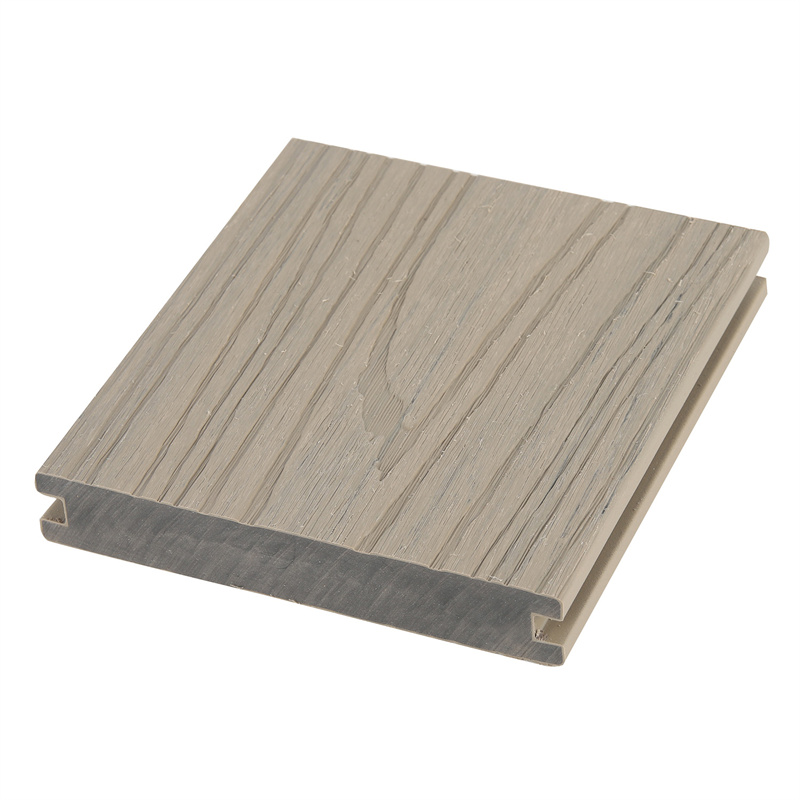
Outdoor decking is often specified with a co-extruded cap layer because the cap raises UV and stain resistance without changing the base compound. The same co-extrusion technology for outdoor composite panels is applied to decking surfaces, and it is the same principle visible in co-extruded WPC composite panels from the Yunxi product range.
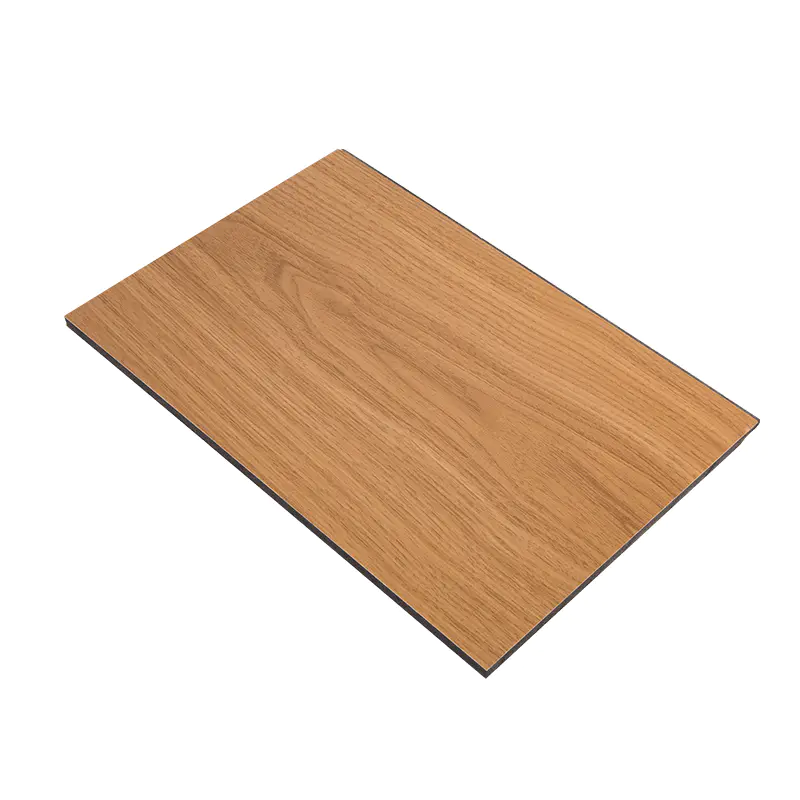 Co-Extrusion Outdoor Composite WPC Panel YXWPC1225-T Manufacturers, FactoryHaining Yunxi New Material Technology Co., Ltd Offer Co-Extrusion Outdoor Composite WPC Panel YXWPC1225-T, We Are China Co-Extrusion Outd...View Product →
Critical Specifications and Tolerances
The specifications that matter most for OEM hollow decking are profile depth, wall thickness, density, and linear weight, because these are the parameters you can verify during production and again when the container arrives.
Wall thickness is the most important single number. On a 25 mm hollow profile, the outer wall and internal webs should be at least 2.0 mm thick. Below that, the section becomes brittle in cold weather and prone to sagging under load.
| Property | Hollow profile | Solid profile |
| Profile depth | 25 mm | 25 mm |
| Working width | 145 mm | 145 mm |
| Wall thickness | 2.0-2.5 mm | Solid core |
| Weight per meter | 2.6-3.2 kg | 4.2-5.0 kg |
| Material use index | 62 | 100 |
| Bending stiffness index | 95-100 | 100 |
| Typical price index | 100 | 135-150 |
Relative indices based on typical 25 mm by 145 mm profiles. The solid section is set to 100 in every row.
A dependable OEM factory should hold wall thickness tolerance to plus or minus 0.3 mm and straightness deviation to no more than 2 mm per linear meter.
For a deeper look at materials and long-term performance, read this outdoor waterproof WPC composite board guide.
Quality Control Points to Verify
Quality control in WPC hollow decking is a set of process checkpoints rather than a finish-line inspection. A credible factory should show you data from drying, compounding, extrusion, and accelerated weathering, not just a final certificate.
- Density and linear weight: measured each shift and kept within 5 percent of the target value.
- Wall thickness sampling: cross-sections cut from both ends of a production run.
- UV and colorfastness testing: accelerated QUV cycles of 1000 hours or more to confirm color masterbatch stability.
- Freeze-thaw cycling: repeated -20 C to 40 C cycles to check cracking along wall sections.
- Fastener retention: screw pull-out tests to confirm the profile can hold decking clips under load.
Ask the factory for density in g/cm3 and modulus of elasticity in MPa. If they cannot provide both numbers, the process is not being monitored closely enough to protect your order.
How to Build a Reliable OEM Partnership
A reliable OEM decking partnership starts with written performance specifications, not with a sample. The sample proves the look; the specification sheet proves the product.
- Installation conditions: joist spacing, ventilation gap, and ground clearance.
- Climate data: UV index, extreme temperature range, and humidity cycles.
- Performance targets: density range, modulus of elasticity, and surface hardness.
- Visual standard: color code, grain direction, and gloss level.
- Logistics plan: packing style, pallet load count, and container quantity.
- Inspection clause: third-party quality control before shipment.
An integrated manufacturer is easier to audit. Haining Yunxi New Material Technology Co., Ltd., for example, operates multiple WPC extrusion lines; asking to see wood-plastic composite boards from the same compounding source tells you how consistently raw materials are batched. The benefits of co-extruded WPC outdoor panels also apply to decking because both products share the same cap-layer logic.
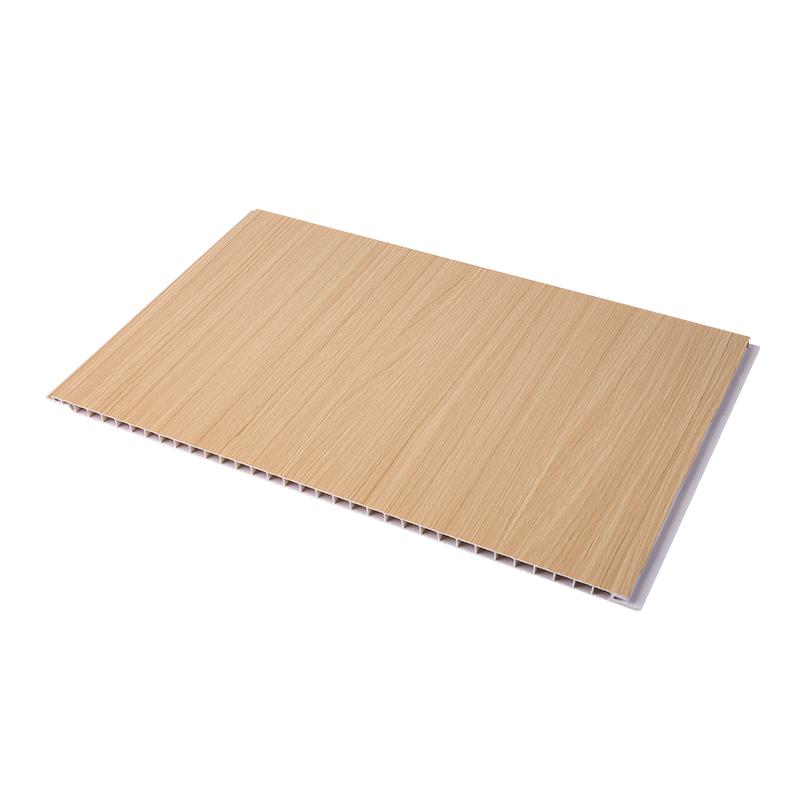
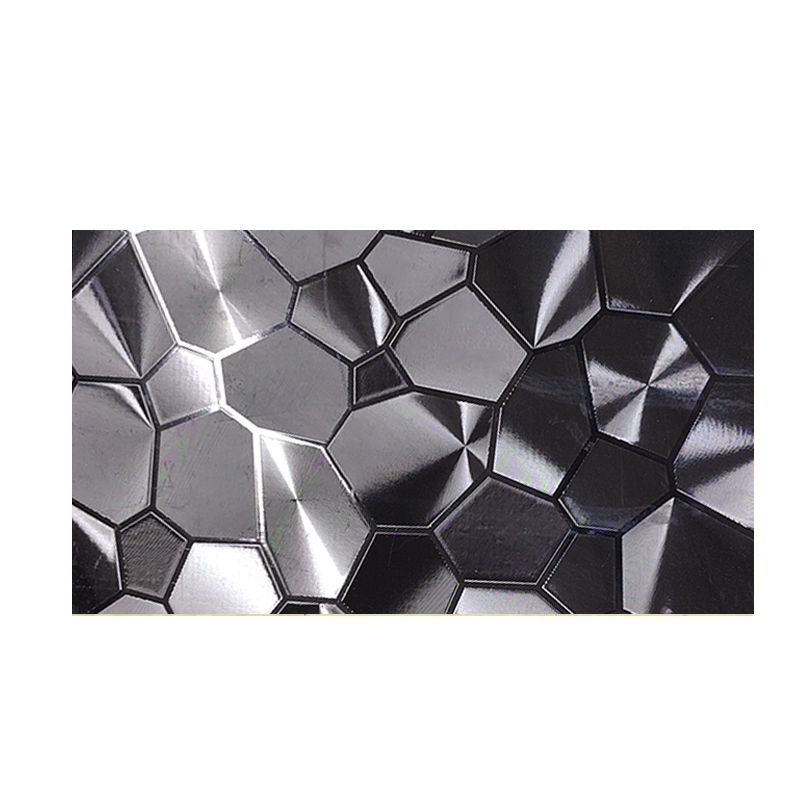 Synthetic Wall Planks - Fade-Proof & Low-Maintenance Interior Cladding Wood PlasHaining Yunxi New Material Technology Co., Ltd Offer Synthetic Wall Planks - Fade-Proof & Low-Maintenance Interior Cladding Wood Plastic ...View Product →
For large outdoor schemes, specifying matching WPC composite fence boards together with the decking simplifies procurement, because one manufacturer controls the wood-plastic formulation across both product lines.
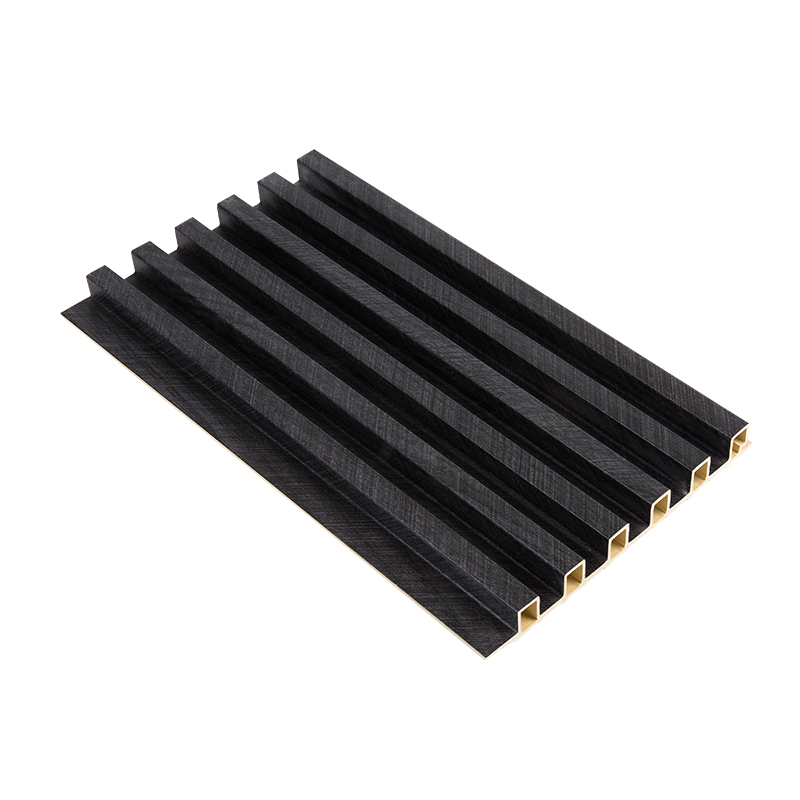
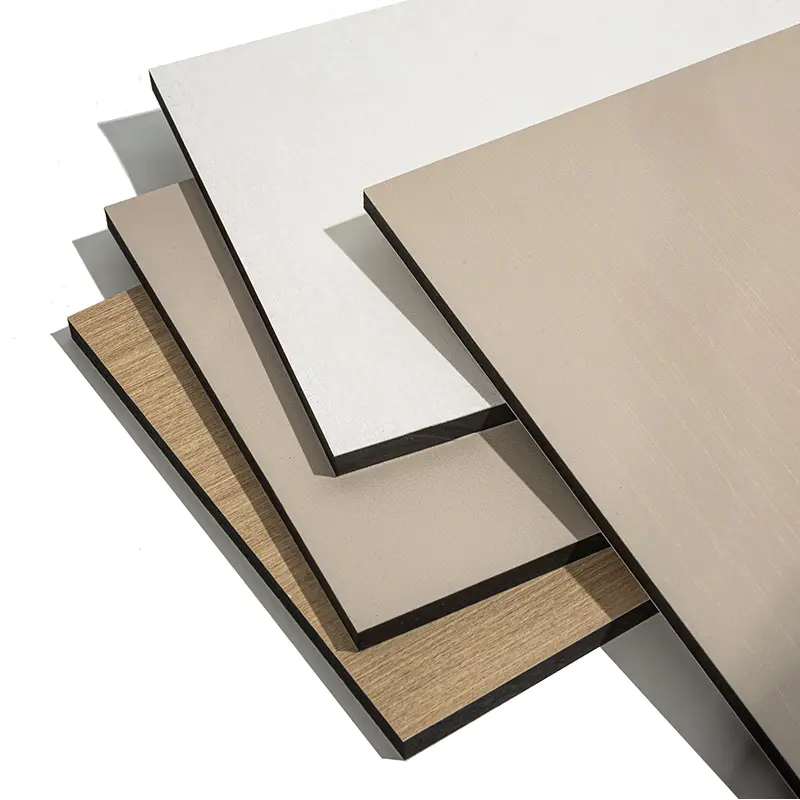 WPC Wall Panels - Moisture-Resistant & Lightweight Interior Cladding YXWPC1225-THaining Yunxi New Material Technology Co., Ltd Offer WPC Wall Panels - Moisture-Resistant & Lightweight Interior Cladding YXWPC1225-T, We...View Product →
Frequently Asked Questions
Short answers to the questions buyers ask most when specifying OEM WPC hollow decking.
Does hollow WPC decking sag more than solid WPC decking?
No, not inherently. Sag depends on wall thickness, internal web geometry, and joist spacing, not on whether the section is hollow. A 25 mm hollow profile with 2.0 mm walls and correctly spaced joists performs at the same level as a solid profile of similar depth.
What is the typical service life of OEM WPC hollow decking?
With a co-extruded cap layer and adequate UV stabilizer loading, 15 to 25 years is realistic in most climates. Uncoated single-layer profiles fade faster, so the cap layer specification should be written directly into the OEM document.
How thick should the walls be on 25 mm hollow decking?
Specify a minimum outer wall and web thickness of 2.0 mm, ideally 2.5 mm for commercial projects. Below that level, impact damage and cold-weather brittleness become real risks.
Can hollow decking be installed directly on the ground or over concrete?
No. WPC hollow profiles require ventilation underneath. Use a pedestal system or raise joists at least 50 mm above the ground so water can drain and air can circulate under the boards.