+86-18367343973

 English
 Español
 عربى
عربى
Article Directory
A coastal villa project manager recently asked us why three batches of tropical hardwood decking failed within eight years while a neighboring property's composite boards still looked intact. That question captures the real difference between WPC decking and traditional wood decking: the gap is not just appearance, but moisture behavior, maintenance burden, and lifecycle cost. This guide explains the technical and practical differences so you can match the material to the actual conditions of your project.
01What Is WPC Decking and How Is It Made?
WPC decking is a wood-plastic composite made by compounding recycled wood fiber with thermoplastic polymer and extruding the blend into deck boards. A typical formulation contains 50 to 60 percent wood fiber and 40 to 50 percent recycled high-density polyethylene or polypropylene, plus additives for UV stabilization, color matching, and slip resistance.
Manufacturing method decides performance. Single-layer boards mix all ingredients uniformly, which lowers cost but leaves the surface exposed to fading and staining. Coextruded boards wrap a dense polymer cap layer around the composite core in the same pass, protecting the core from UV light, moisture, and abrasion. Most manufacturers rate coextruded decking for 25 years or more.
Core definition
WPC decking = recycled wood fiber + thermoplastic polymer, extruded into solid or hollow profiles, with an optional coextruded cap layer for outdoor exposure.
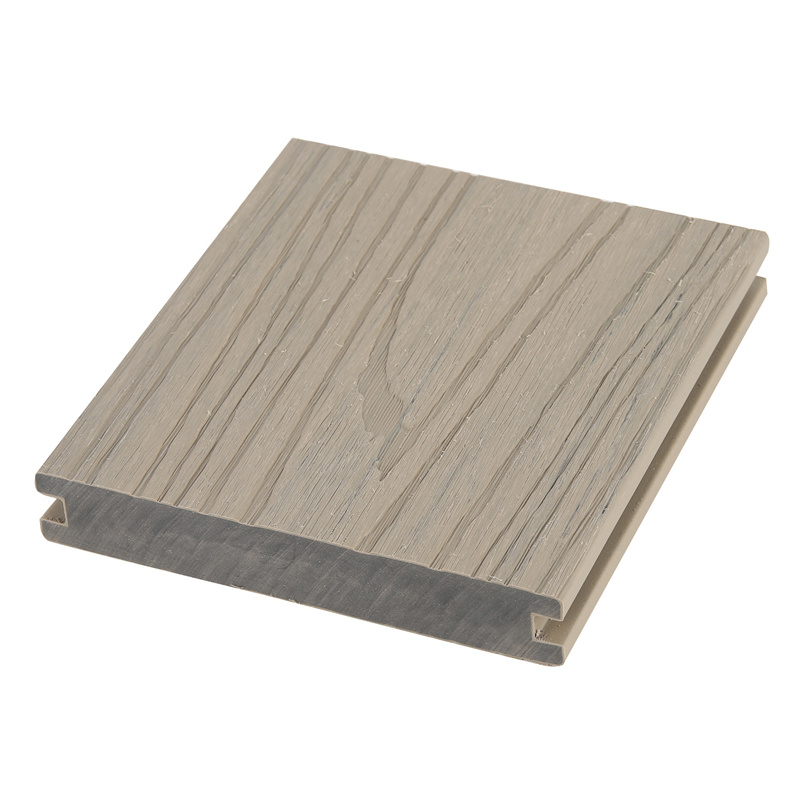
Haining Yunxi New Material Technology Co., Ltd. produces indoor and outdoor composites on this same material platform. The company's coextrusion WPC panel demonstrates how a cap layer protects composite surfaces in exterior applications.
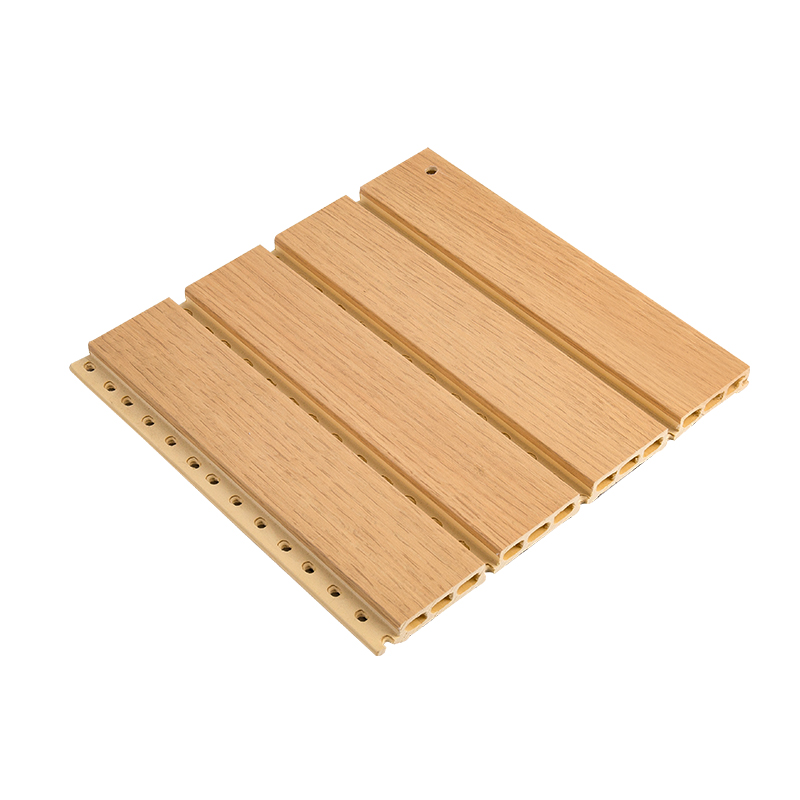
 Co-Extrusion Outdoor Composite WPC Panel YXWPC1225-T Manufacturers, FactoryHaining Yunxi New Material Technology Co., Ltd Offer Co-Extrusion Outdoor Composite WPC Panel YXWPC1225-T, We Are China Co-Extrusion Outd...View Product →
For a deeper look at the process, our guide to coextrusion technology for high-performance outdoor composite WPC panels covers how the cap layer is engineered and why it extends service life.
02Head-to-Head Comparison: WPC vs Traditional Wood
The measurable differences between WPC and traditional wood decking fall into seven categories: moisture resistance, insect and fungal resistance, dimensional stability, UV and color stability, surface temperature, maintenance, and service life.
| Criterion | WPC Decking | Traditional Wood Decking |
| Moisture resistance | Absorbs under 1 percent of weight; no swelling or rot | Absorbs 10 to 30 percent; swells, splits, and rots in wet conditions |
| Insect and fungal resistance | Naturally resistant; no chemical treatment required | Requires pressure treating or regular protective coatings |
| Dimensional stability | Minimal expansion and contraction across seasons | Cups, warps, and checks as humidity changes |
| UV and color stability | Coextruded cap holds color for 8 to 15 years | Fades to gray within 1 to 3 seasons |
| Surface temperature | Warmer in direct sun; dark profiles run hotter | Cooler to the touch in most climates |
| Maintenance | Annual wash with soap and water | Sanding, staining, and sealing every 1 to 2 years |
| Service life | 25 to 30 years | 10 to 15 years with regular care |
The table reflects mid-to-high-grade products. Budget WPC boards without a cap layer will fade closer to wood rates, and treated hardwood, thermally modified or pressure-treated, will outperform untreated lumber on insects and decay.
03Strengths and Limitations at a Glance
WPC decking wins on durability and low maintenance; traditional wood wins on first cost, natural surface, and repairability.
WPC Decking
- High moisture and rot resistance; suitable for pools, beaches, and rainy climates
- No painting, staining, or sealing; annual washing is enough
- 25 to 30 year service life reduces replacement cost
- Consistent color and texture across the whole board
Watch for dark profiles that absorb heat and for low-quality boards without a cap layer that fade and chalk within a few years.
Traditional Wood Decking
- Natural grain, texture, and color that many owners prefer
- Lower first cost, especially for domestic softwoods
- Can be sanded, refinished, and repaired section by section
- Cooler surface in hot weather compared to dark composites
Plan for sanding, staining, or sealing every 1 to 2 years, and expect 10 to 15 years before full replacement.
Takeaway: WPC is the engineering choice for wet, coastal, or high-insect locations. Wood is the traditional choice when natural feel and a lower first bill matter more than maintenance hours.
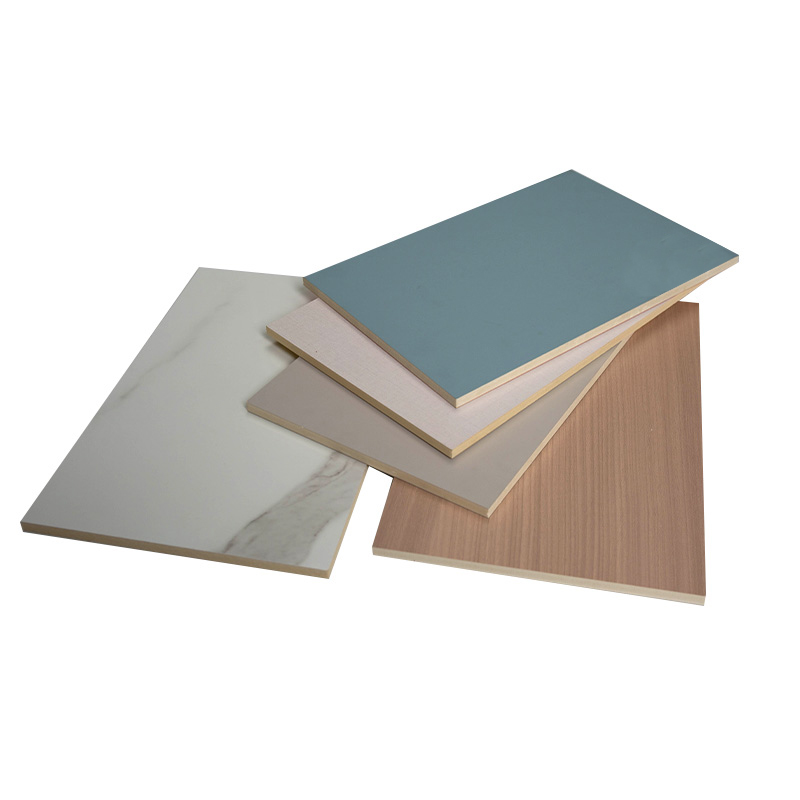
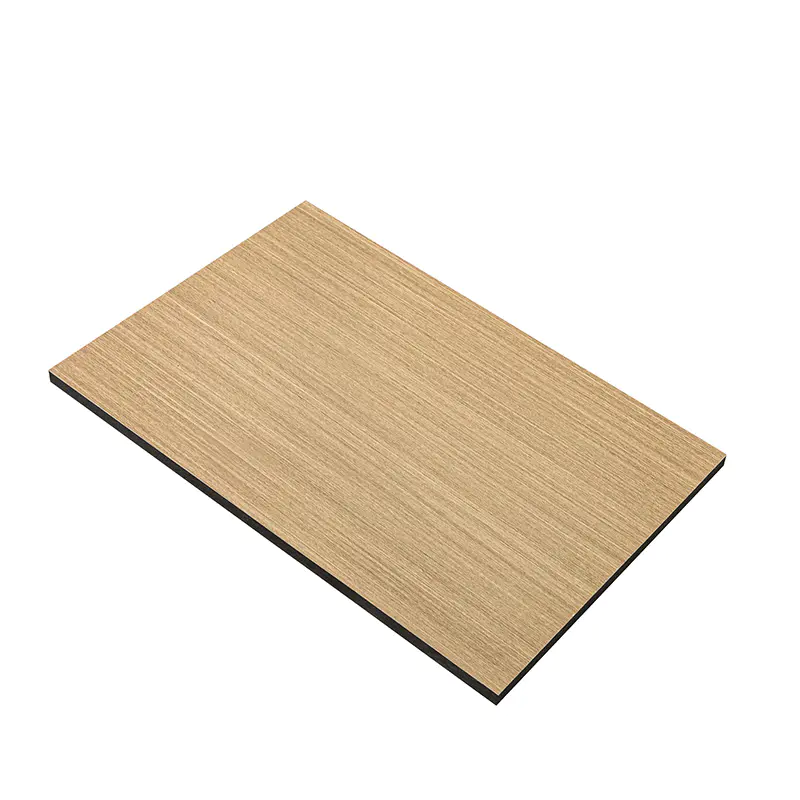
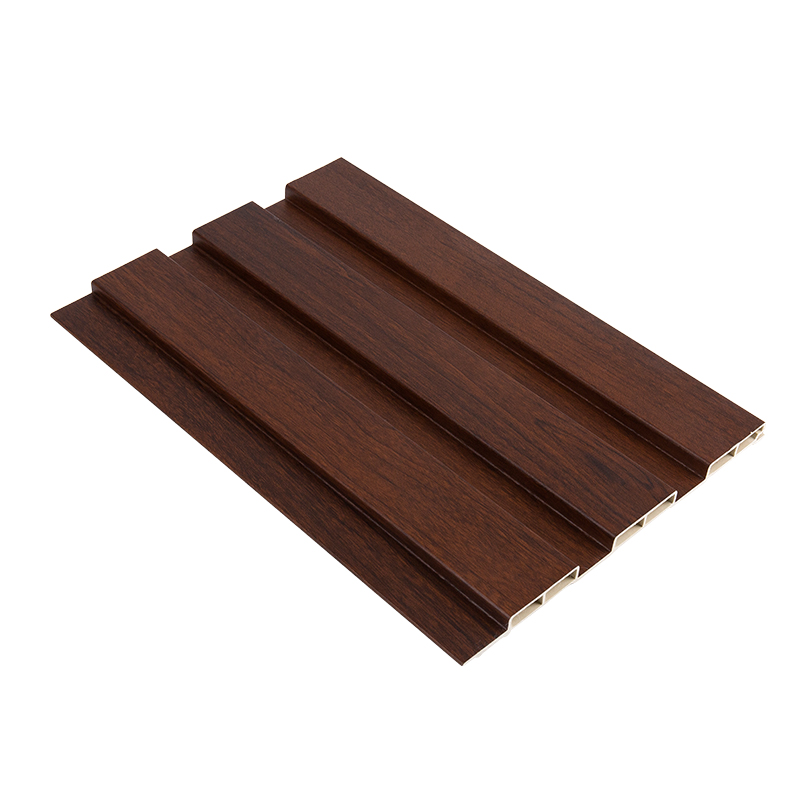
The same composite family extends beyond decking. Haining Yunxi's wood plastic composite board is used for wall cladding and interior paneling, which confirms that the WPC platform produces moisture-stable boards across applications.
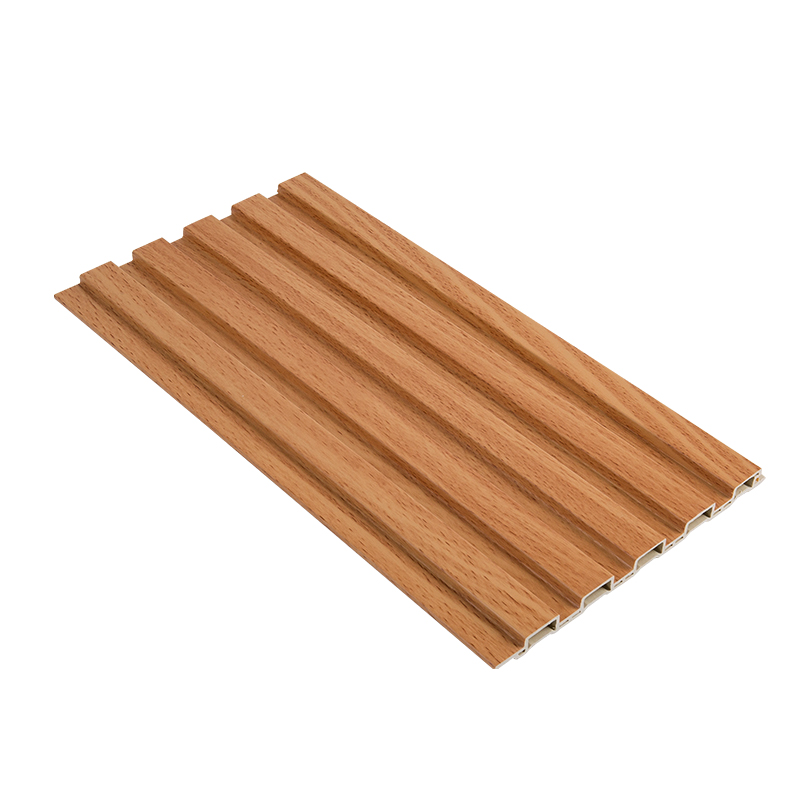
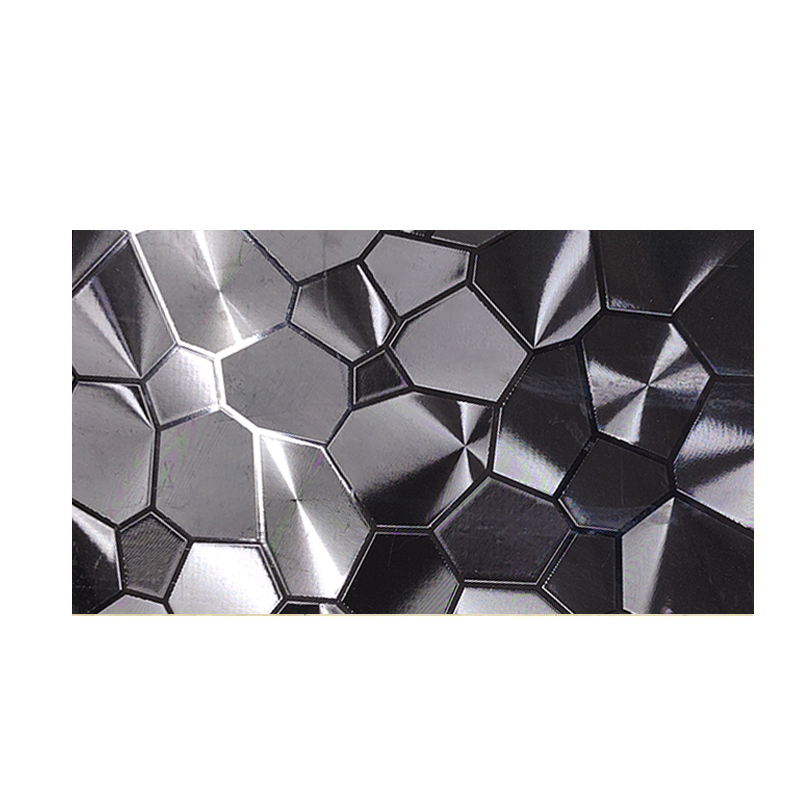 Synthetic Wall Planks - Fade-Proof & Low-Maintenance Interior Cladding Wood PlasHaining Yunxi New Material Technology Co., Ltd Offer Synthetic Wall Planks - Fade-Proof & Low-Maintenance Interior Cladding Wood Plastic ...View Product →
04Cost, Lifespan, and Maintenance Data
Over a 25-year period, WPC decking typically costs 30 to 50 percent less than traditional wood decking despite a higher purchase price, because the gap comes from maintenance labor and replacement frequency rather than material price alone.
Initial Cost $5-13 / sq ft Wood: $3-8 / sq ft
Service Life 25-30 years Wood: 10-15 years
Annual Maintenance 1-2 hours Wood: 8-10 hours
25-Year Cost 30-50% lower vs. maintained wood deck
The performance chart below rates both materials from 0 to 10 on the criteria that drive most purchase decisions.
The maintenance comparison explains the cost gap. A wood deck needs sanding, staining, sealing, and fastener replacement every one to two years, adding 8 to 10 hours of labor per year plus materials. Over 25 years, a wood deck is refinished 8 to 12 times and some boards are replaced at least once. WPC needs only periodic washing with soap and water, and most coextruded boards retain their original color after a decade.
Calculation snapshot: A 400-square-foot WPC deck costs roughly $3,600 installed. The same size hardwood deck costs about $2,400, but 10 years of sanding, staining, and board replacement typically adds $3,000 to $5,000 in upkeep.
05How to Choose the Right Decking Material
Choose WPC decking when moisture, insects, or maintenance budgets dominate the project; choose traditional wood when its natural grain and lower first cost justify the upkeep.
If the deck will sit in rain, near a pool, in coastal air, or under trees, WPC is the better engineering choice. If you need the lowest possible purchase price, or you insist on a surface you can sand and refinish, choose wood and budget for seasonal maintenance.
- Assess the exposure. Measure annual rainfall, direct sun hours, salt proximity, and insect pressure. A covered balcony in a dry climate favors wood; an open pool deck in a coastal region favors WPC.
- Calculate the 25-year lifecycle cost. Include purchase price, hidden fasteners, maintenance materials and labor, and expected replacement. WPC almost always wins this calculation once a second wood installation is needed.
- Confirm the substructure. WPC boards require joist spacing of 300 to 400 millimeters depending on the profile, which is tighter than many wood decks. This affects the framing cost more than the board cost.
Quality matters more than category. A thin-cap WPC board from an unknown supplier can fade or crack faster than a well-maintained hardwood deck. Check cap thickness, 0.3 to 0.5 millimeters for reputable coextruded boards, core density, and warranty terms before purchasing. Haining Yunxi's material portfolio documents controlled fiber-to-polymer ratios and application guidance, which is the level of specification you should expect from any supplier.
For exterior projects that also need fencing, Haining Yunxi's outdoor composite fence board uses the same weather-resistant WPC formulation, allowing a villa or commercial project to match decking, fencing, and cladding in one material family.
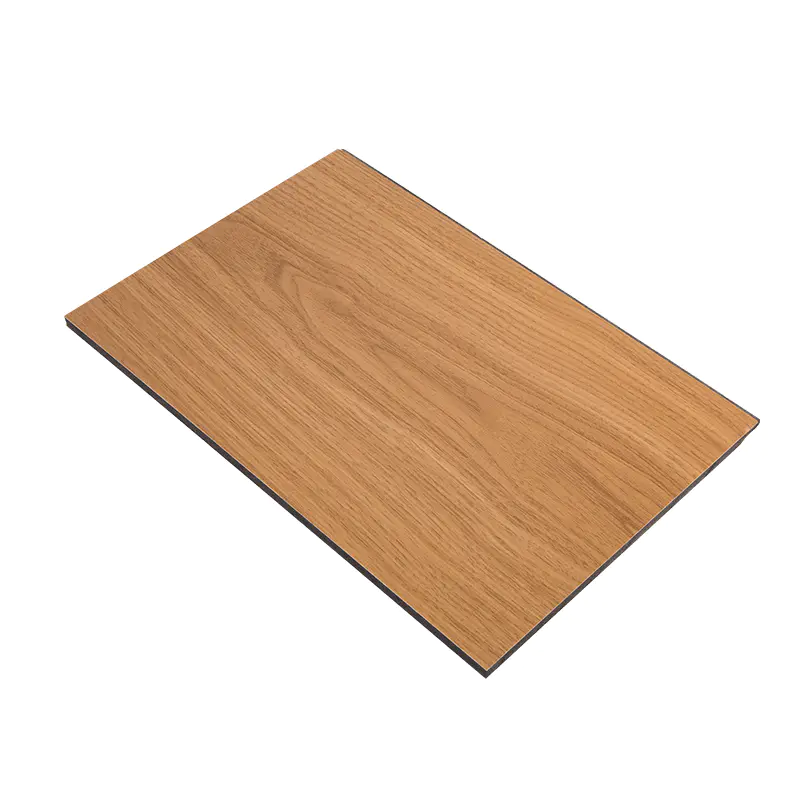
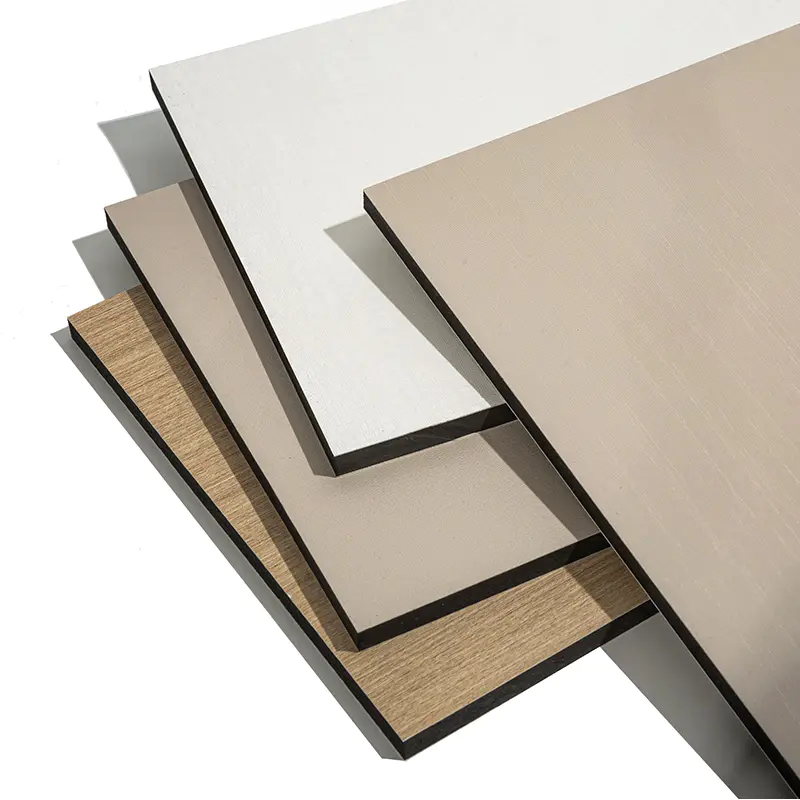 WPC Wall Panels - Moisture-Resistant & Lightweight Interior Cladding YXWPC1225-THaining Yunxi New Material Technology Co., Ltd Offer WPC Wall Panels - Moisture-Resistant & Lightweight Interior Cladding YXWPC1225-T, We...View Product →
The same trade-offs apply to vertical cladding. See our detailed WPC siding compared with traditional wood siding analysis for exterior walls.
06FAQ: Common Questions About WPC and Wood Decking
WPC decking costs more upfront and saves money over the full service life; the four answers below cover the questions that come up most often in material selection.
The following answers reflect typical performance of mid-to-high-grade coextruded WPC boards and treated solid lumber.
Is WPC decking more expensive than traditional wood decking?
WPC has a higher first cost: roughly $5 to $13 per square foot versus $3 to $8 for wood. Over 25 years, WPC is typically 30 to 50 percent cheaper because it removes refinishing labor and the need for early replacement.
How long does WPC decking last compared with wood?
Coextruded WPC decking lasts 25 to 30 years with minimal upkeep. Solid wood decking lasts 10 to 15 years with regular sanding and sealing, and less in humid or coastal environments.
Does WPC decking look like real wood?
Modern WPC boards use embossed grain textures and multi-tone coloring that closely match wood. Coextruded boards retain that grain pattern for 8 to 15 years without refinishing.
Can WPC decking be installed over an existing wood deck?
Yes, if the substructure is sound, level, and rated for the WPC board's joist spacing. WPC installs over the same joist framework as wood, but you must leave a 3 to 5 millimeter gap between boards for thermal expansion.