+86-18367343973
 English
 Español
 عربى
عربى
Article Directory
- 1 How is Flexible Stone Manufactured?
- 2 What Decoration Scenarios is This Material Suitable For?
- 3 What are the Advantages of Flexible Stone Compared to Traditional Stone?
- 4 Where Can Flexible Stone Be Applied?
- 5 What Adhesive Should Be Used for Installation?
- 6 What are the Temperature Requirements During Construction?
- 7 How to Maintain Flexible Stone After Installation?
How is Flexible Stone Manufactured?
The manufacturing of Flexible Stone is a strictly controlled process designed to ensure product durability and performance. The specific production steps are as follows:
- Raw Material Collection: Inorganic materials such as soil, stone powder, and volcanic ash are collected from nature.
- Particle Refining & Modification: The collected particles undergo refining and are coated with eco-friendly surfactants to enhance bonding strength and sustainability.
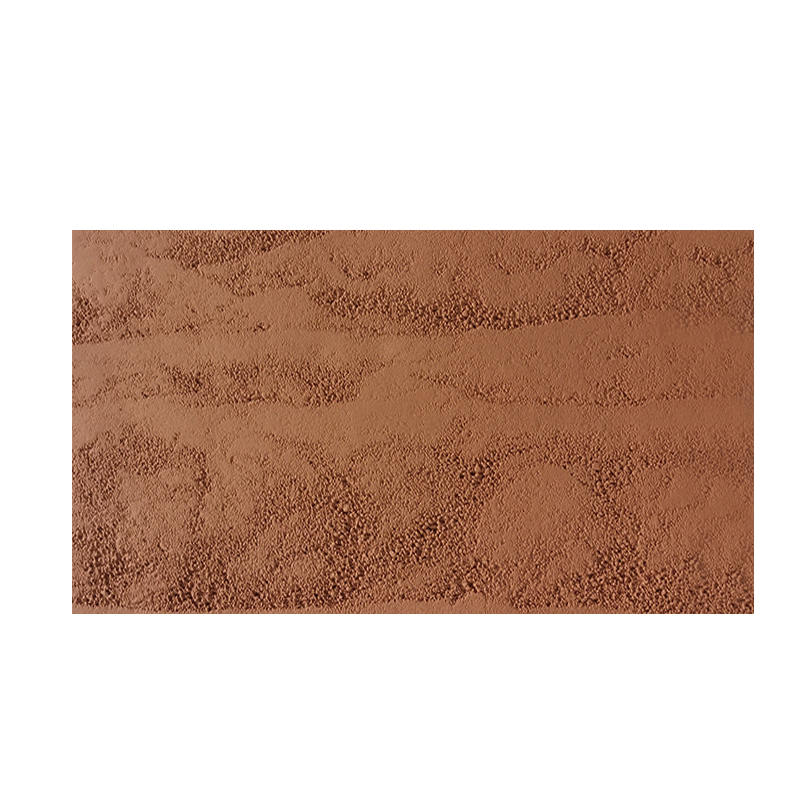
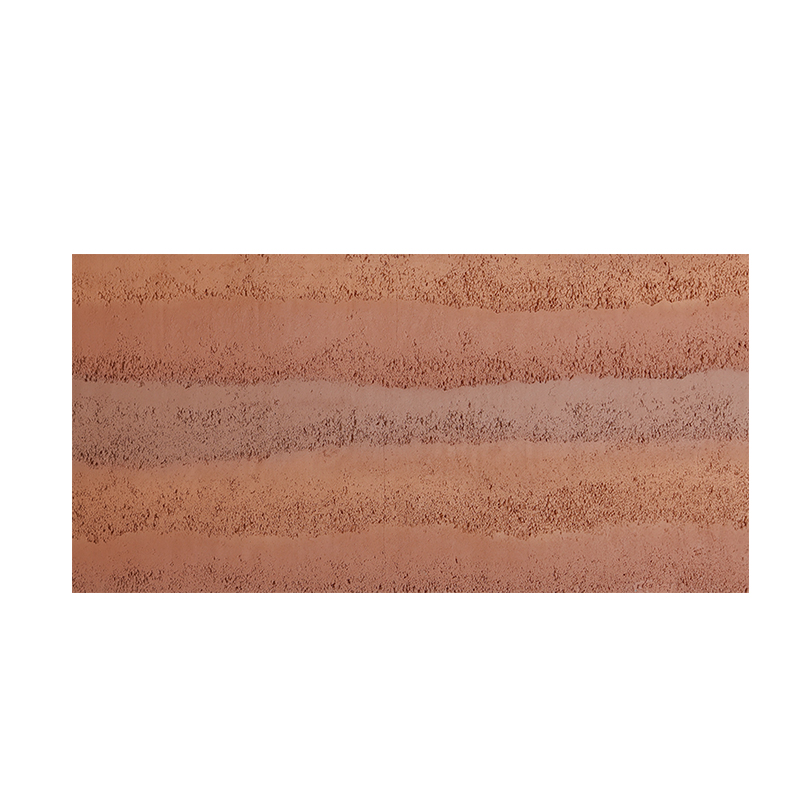
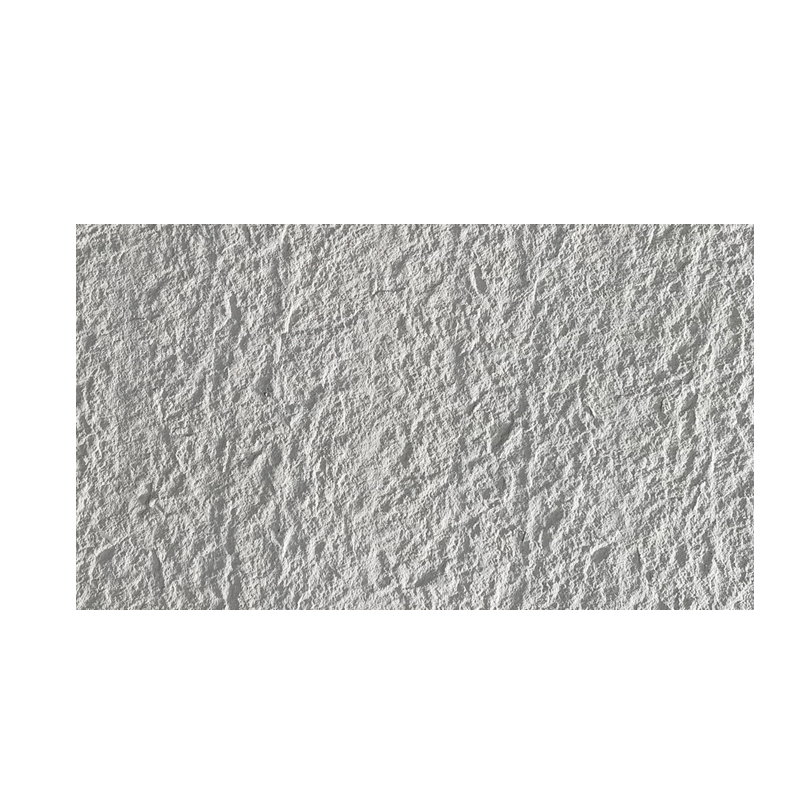
- Mold Pressing: The modified soil is pressed into silicone molds containing a fiberglass mesh to create natural 3D textures.
- High-Temperature Baking: The panels are baked at temperatures of 160–200°C for 6 hours. This step provides structural stability, ensuring the stone remains stable even in hot or humid climates.
- Texture Printing & Protective Coating: High-resolution stone textures are printed onto the surface, followed by sealing with UV-resistant and stain-resistant coatings.
- Final Forming: The finished product is made into sheets, rolls, or blocks. This allows flexible stone to retain the texture and touch of natural stone while remaining lightweight for global shipping and installation.
This process creates a "stone skin" that maintains a luxurious appearance while avoiding the weight and complex reinforcement requirements of traditional stone.
What Decoration Scenarios is This Material Suitable For?
Due to its lightweight and bendable properties, flexible stone is suitable for various indoor and outdoor decoration scenarios:
- Interior Spaces: Commonly used for accent walls, fireplaces, ceilings, and furniture surfaces. It is also ideal for corridors, elevator shafts, and properly sealed bathroom dry areas.
- Exterior Architecture: Suitable for building facades, columns, and curved structures where traditional heavy stone is difficult to install. It is perfect for urban renovation or retrofitting projects as it can directly cover existing surfaces.
- Commercial Venues: Its luxurious texture makes it ideal for cafes, boutique hotels, art galleries, and high-end commercial spaces.
Prohibited Scenarios: Avoid using flexible stone in underwater areas (e.g., swimming pools, saunas), outdoor flooring, high-impact areas, and regions with severe freeze-thaw cycles.
What are the Advantages of Flexible Stone Compared to Traditional Stone?
Compared to traditional stone, flexible stone (flexible facing stone) offers significant advantages in weight, ease of construction, cost-effectiveness, and design flexibility:
- Lightweight & Easy Transport: It is much thinner and lighter than traditional heavy stone slabs, reducing shipping costs and making handling effortless.
- Superior Flexibility & Design Freedom: Unlike rigid traditional stone, flexible stone can be easily bent to fit columns, curved structures, and ceilings.
- Simple and Fast Installation:
- No Complex Reinforcement: Due to its light weight, it does not require complex structural reinforcement.
- Direct Overlay: It can be installed directly onto existing walls or renovation surfaces without removing the old substrate.
- No Pre-soaking: Unlike traditional clay bricks, flexible stone does not absorb water and does not require soaking before installation.
- High Efficiency: The installation process significantly shortens the project timeline.
- Significant Total Cost Advantage: While material prices may be similar to natural stone, the total project budget is more competitive due to reductions in shipping weight, installation time, labor costs, and reinforcement needs.
- Durability & Stability:
- Environmental Adaptability: High-temperature baking ensures structural stability in hot or humid climates without warping or peeling.
- UV & Stain Resistance: Surface coatings maintain color and texture over time.
- Eco-friendly & Sustainable: The production process is more environmentally friendly and low-carbon compared to traditional stone mining.
- Low Maintenance: Cleaning is simple, requiring only a damp cloth or neutral detergent.
Where Can Flexible Stone Be Applied?
Flexible stone is widely used across various architectural and decorative scenarios:
1. Interior Applications
- Accent & Feature Walls: Ideal for fireplaces and high-quality interior walls.
- Ceilings & Furniture: Used for ceiling decorations and furniture veneers due to its minimal weight.
- Bathroom Dry Areas: Applicable in bathroom dry zones when properly sealed.
- Public Areas: Perfect for corridors and elevator shafts.
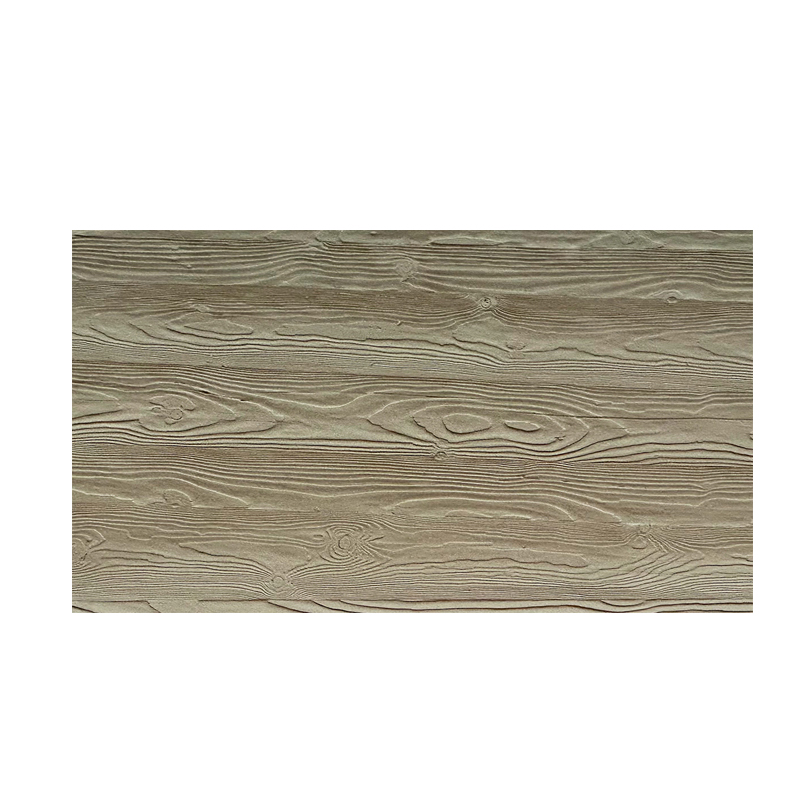
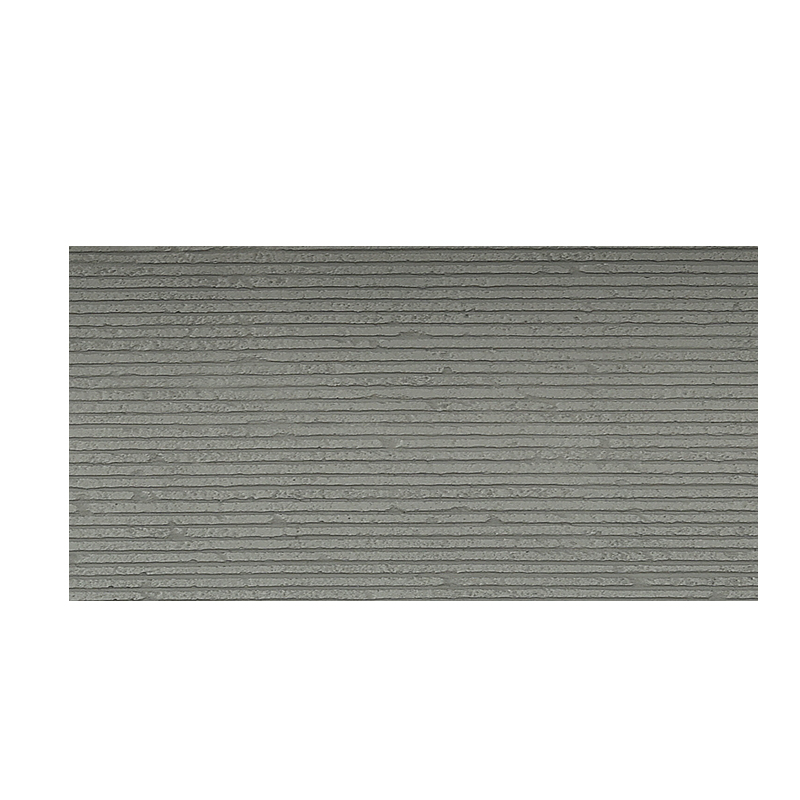
- Partitions & Wall Coverings: Wood grain or woven texture series are often used for partitions to add warmth.
- Flooring: Can be used for some indoor flooring if the material's wear resistance is sufficiently high.
2. Exterior Applications
- Building Facades: Suitable for all types of facades.
- Curved Surfaces & Columns: Its flexibility makes it perfect for columns and curved surfaces.
- Renovation Projects: Ideal for urban renewal or wall retrofitting as it overlays existing surfaces without structural reinforcement.
3. Commercial & Artistic Spaces
- Premium Venues: Boutique hotels, art galleries, and luxury commercial spaces.
- Custom Design Styles:
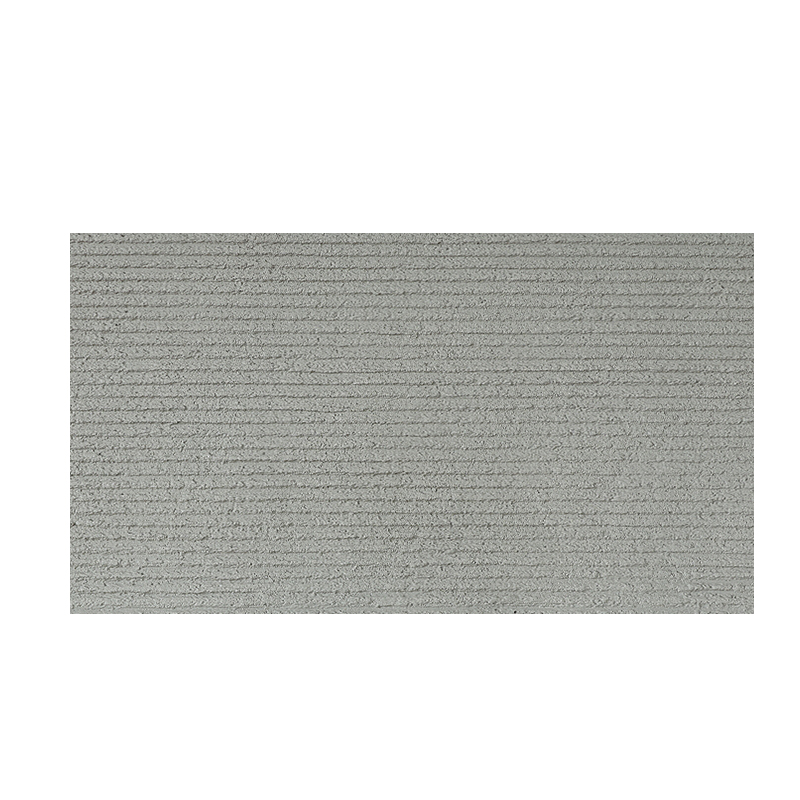
- Modern/Industrial: Use Cement Board Series for a minimalist texture.
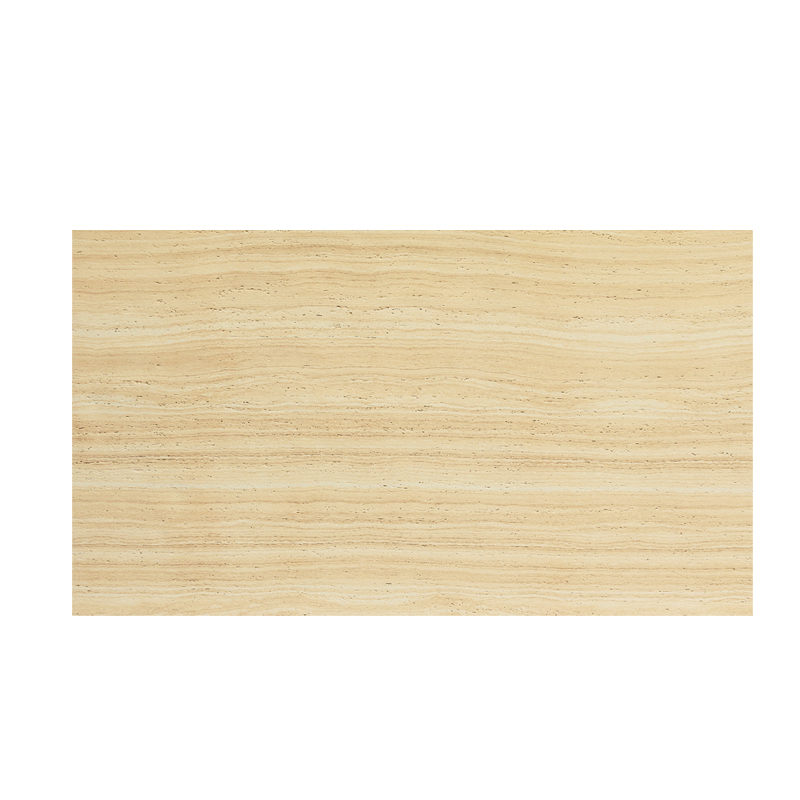
- Mediterranean/Rustic: Use Travertine Series for timeless charm.
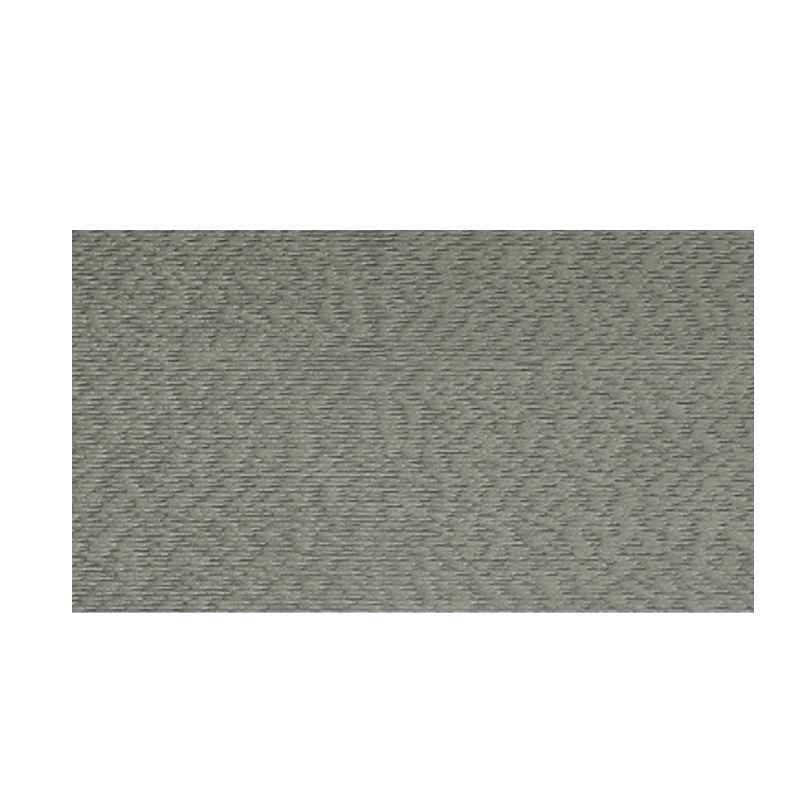
- Artistic Expression: Use Art Stone Texture Series for unique geometric or fabric patterns.
What Adhesive Should Be Used for Installation?
Choosing the correct adhesive is key to long-term stability:
- Recommended Adhesive: Must use polymer-enhanced flexible tile adhesive.
- Prohibited Materials: Standard cement mortar is not recommended, as its shrinkage during curing can cause the panels to detach.
- Construction Method: Use the thin-bed method, applying adhesive evenly with a notched trowel before pressing the panels firmly into place.
- Curing Time: Allow 24–72 hours for full curing. The stone must be kept dry for at least 48 hours during this period.
What are the Temperature Requirements During Construction?
Environmental conditions must be strictly monitored during installation:
- Ideal Temperature: Ambient temperature should be between 5°C and 35°C.
- Weather Restrictions: Do not install during strong winds, heavy rain, or extreme weather conditions.
- Ventilation: Maintain good ventilation to ensure uniform adhesive curing.
- Protection: Ensure the newly installed stone is not washed by rain for at least 48 hours.
How to Maintain Flexible Stone After Installation?
A major advantage of flexible stone is its extremely low maintenance cost. Follow this plan to extend its lifespan:
- Routine Cleaning: Use a damp cloth to remove daily dust.
- Stubborn Stains: A pH-neutral cleaner is the best choice for difficult stains.
- Avoid Harsh Chemicals: Strictly avoid bleach, acids, or strong alkalis, as they damage the natural appearance and luster.
- Initial Curing: Allow 24–72 hours for curing. Do not wash or expose to rain for the first 48 hours.
- Annual Inspection: It is recommended to check joints, edges, and adhesion annually to identify and prevent potential wear issues.
With proper care, flexible stone maintains its beauty and performance for many years, often outlasting wood or laminate finishes.