+86-18367343973
 English
 Español
 عربى
Article Directory
- 1 What "Line Stone" Means on a Flex Stone Veneer Spec Sheet
- 2 Seven Checks That Prevent Line Stone Veneer Project Headaches
- 2.1 Check 1: Confirm the exact product code and thickness
- 2.2 Check 2: Freeze-thaw resistance for cold climates
- 2.3 Check 3: Substrate flatness and installation method
- 2.4 Check 4: Fire rating and VOC for interior spaces
- 2.5 Check 5: Batch sampling before production
- 2.6 Check 6: Waste rate and labour planning
- 3 Reliable Supplier Signals Versus Red Flags on a Line Stone Data Sheet
- 4 FAQ: Line Stone Flex Stone Veneer for Project Buyers
A procurement coordinator for a 40-store retail renovation in Michigan approved a line stone flex stone veneer sample in July. When the first 800 m2 container arrived, the striation density was visibly lower and the grey tone was warmer than the approved sample. The supplier refused to replace the order because the contract did not specify batch consistency. This is the exact risk a project buyer needs to close before signing a purchase order.
Line stone flex stone veneer is one of the most efficient ways to get a natural stone look on walls and facades without the structural load of natural stone. The key is to order from verified data, not from a sample board alone.
What "Line Stone" Means on a Flex Stone Veneer Spec Sheet
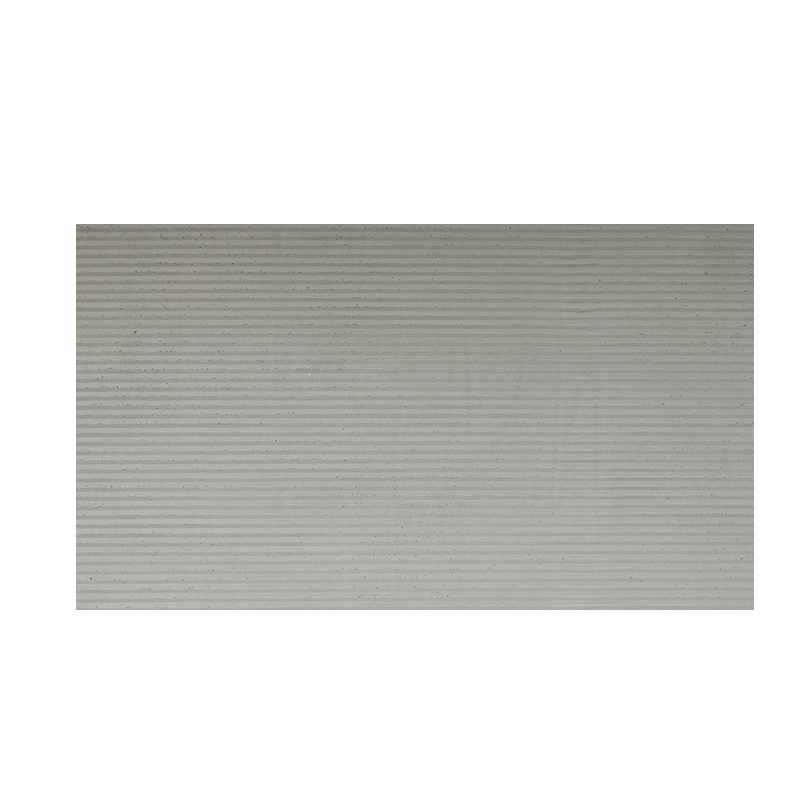
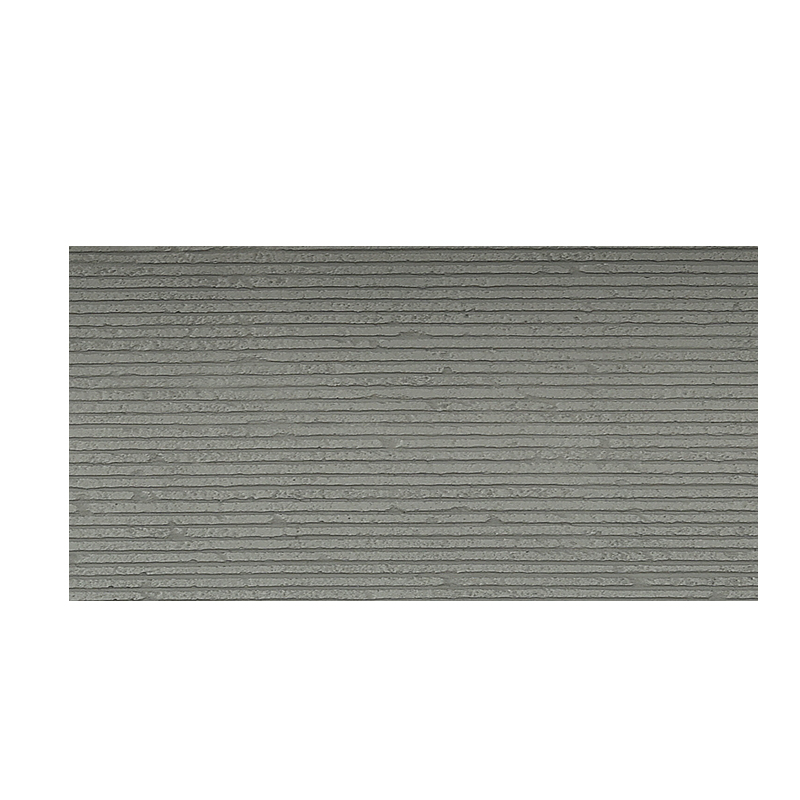
Line stone flex stone veneer is a 2 to 4 mm flexible composite sheet formed from natural stone powder and a polymer binder, with a horizontal linear texture that replicates the layered cut of slate, sandstone or grey stone.
Haining Yunxi New Material Technology Co., Ltd. organises its flexible stone veneer range into several finish series, and the line stone series is the one that most closely mimics a natural linear cut. The four working product codes in this series are:
| Product code | Surface finish | Best fit |
| YXCL LSTW | Fine parallel striations, natural grey | Commercial interior walls |
| YXCL LSYX | Weathered line texture, deeper tone range | Facades and accent features |
| YXCL LSFX | Fine-striation grain, low gloss | Lobby and corridor walls |
| YXCL LSBL | Freeze-thaw resistant, outdoor grade | Exterior cladding in cold climates |
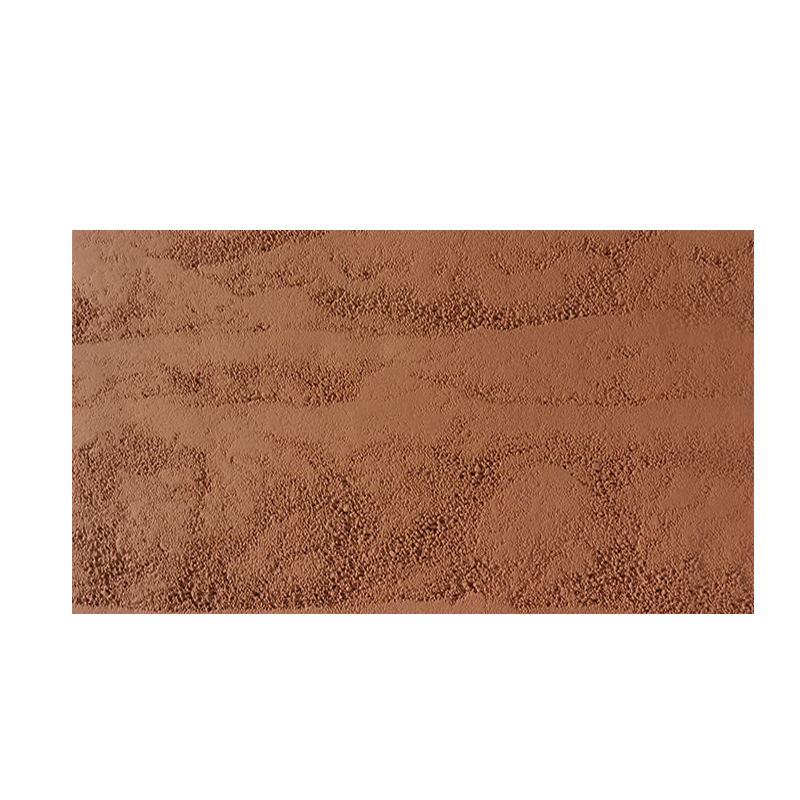
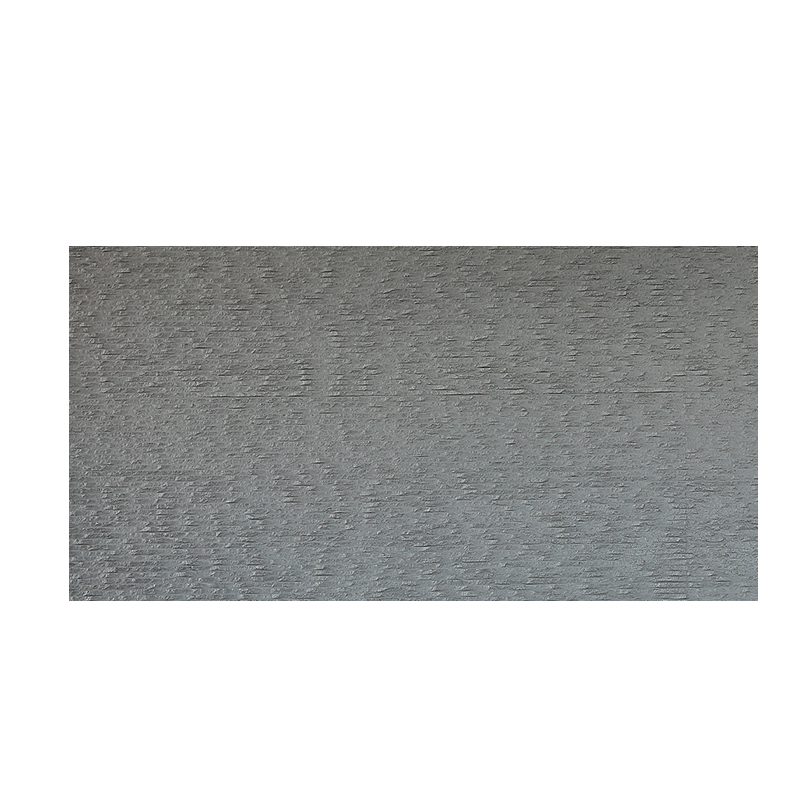 Nebula Flexible Stone Veneer Sheets for Indoor and Outdoor ApplicationsThis line stone series product mimics linear natural cuts with an ultra-thin, flexible slate veneer. Its lightweight construction and durable surface suit both interior walls and exterior facades, offering a practical alternative to traditional stone.View Product →
The "line" label matters because the striation angle, striation density and colour banding can drift from the top of a production run to the bottom. This is why a project buyer should read the data sheet and the batch reference, not just the marketing photo.
2-4 mm
Thickness
1.2-2.8 kg/m2
Weight
100 cycles
Freeze-thaw
3-8%
Cut waste
Weight per square metre comparison
Seven Checks That Prevent Line Stone Veneer Project Headaches
A project buyer should run seven verification steps before confirming a line stone flex stone veneer order. Each step directly reduces the risk of a costly mismatch between the approved sample and the delivered material.
1
Confirm the exact product code and thickness on the purchase order.
2
Request the freeze-thaw test report for exterior use.
3
Match the substrate preparation to the adhesive specification.
4
Verify the fire rating and VOC certificate for interior spaces.
5
Cut a production batch sample from the actual run.
6
Quantify cut waste and installer productivity.
7
Ask for the factory batch traceability.
Check 1: Confirm the exact product code and thickness
The line stone series uses different backing constructions. The YXCL LSTW, YXCL LSYX, YXCL LSFX and YXCL LSBL codes are not interchangeable. A 2 mm sheet will not behave like a 3 mm sheet in impact resistance, acoustic separation or thermal movement.
Check 2: Freeze-thaw resistance for cold climates
An indoor line stone veneer and an outdoor line stone veneer can share the same visual design but perform very differently. Yunxi's YXCL LSBL line stone product is specifically rated for freeze-thaw resistance, while a standard interior sheet may delaminate after 40 to 50 cycles. Ask the supplier to state the test method and the cycle count, especially if the project is in a freeze-thaw zone.
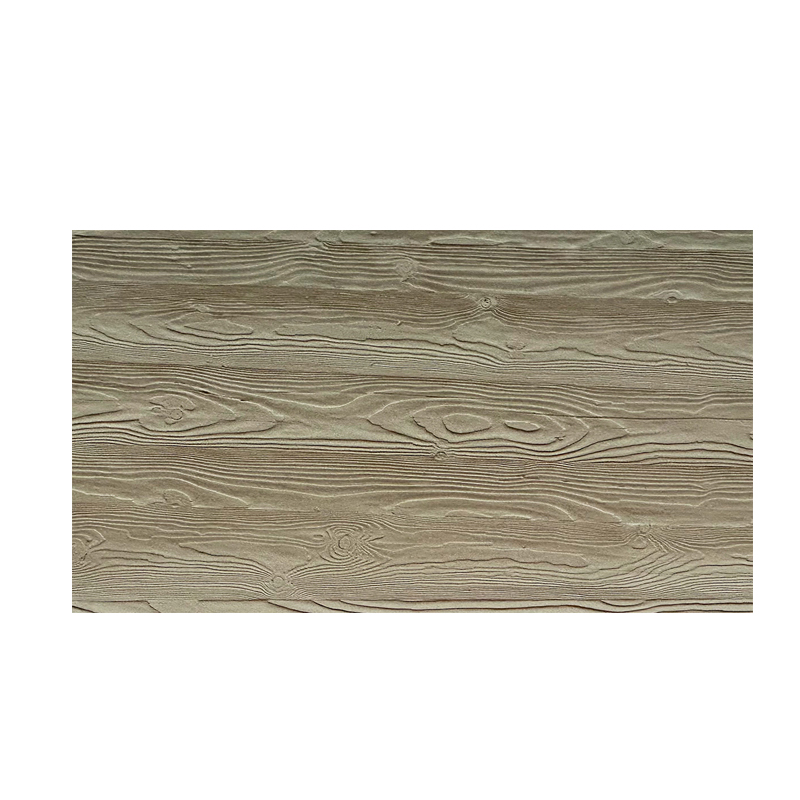
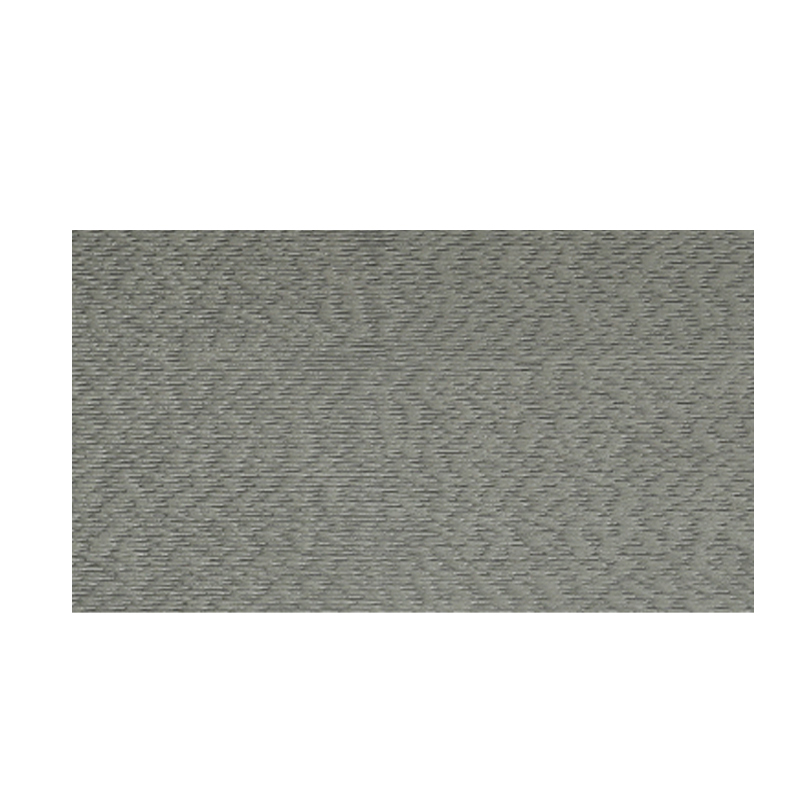 Wave Flexible Stone Cladding for Freeze-Thaw Resistant Outdoor UseRated for freeze-thaw cycles, this crack-proof veneer provides reliable performance in harsh climates. Its DIY-friendly installation and flexibility make it a practical choice for curved surfaces and exterior cladding projects.View Product →
Check 3: Substrate flatness and installation method
The adhesive system only works when the substrate is clean, flat and structurally sound. Yunxi recommends a substrate variation of no more than 3 mm over 2 m. Beyond that tolerance, the line texture will create visible shadow lines and the bond may lift over time. Read the substrate preparation guide before you commission the installer.
Order from the data sheet, not from the sample. The supplier that shows you the freeze-thaw test result, the batch reference and the substrate installation guide is the one that will be there when the delivery arrives.
Check 4: Fire rating and VOC for interior spaces
For interior commercial spaces, request the flame spread and smoke density report plus the VOC emission data. Flexible stone veneer made with polymer binders can vary in fire behaviour, and some grades are not appropriate for high-rise exit pathways without a non-combustible backing panel.
Check 5: Batch sampling before production
A showroom sample is not a production batch sample. Ask the supplier to cut a 600 x 1200 mm panel from the actual production run that will ship to your site. Mark the batch number, production date and product code, then use it as the reference panel for the site acceptance check.
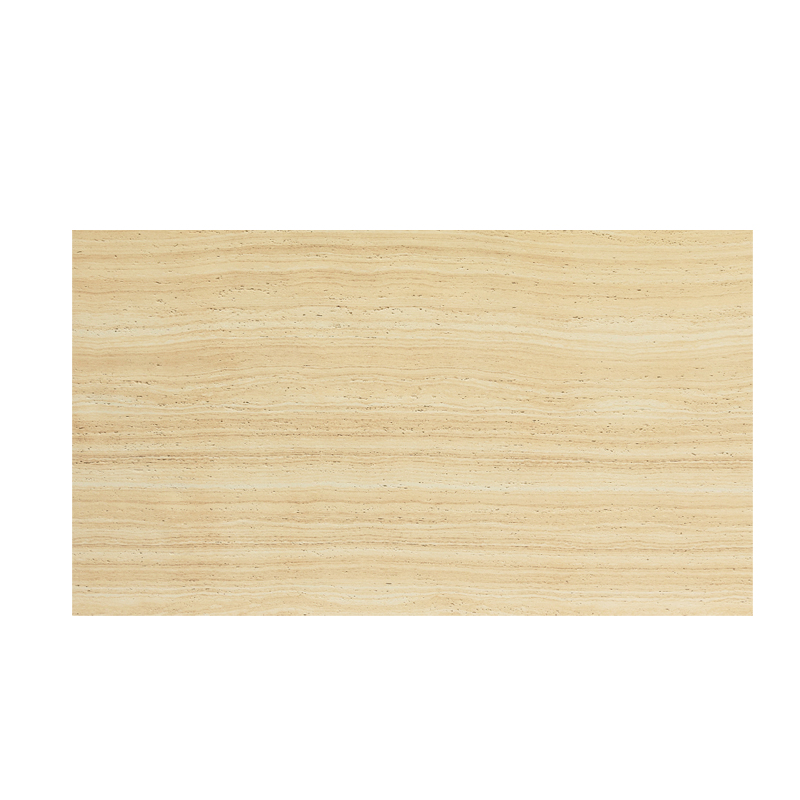
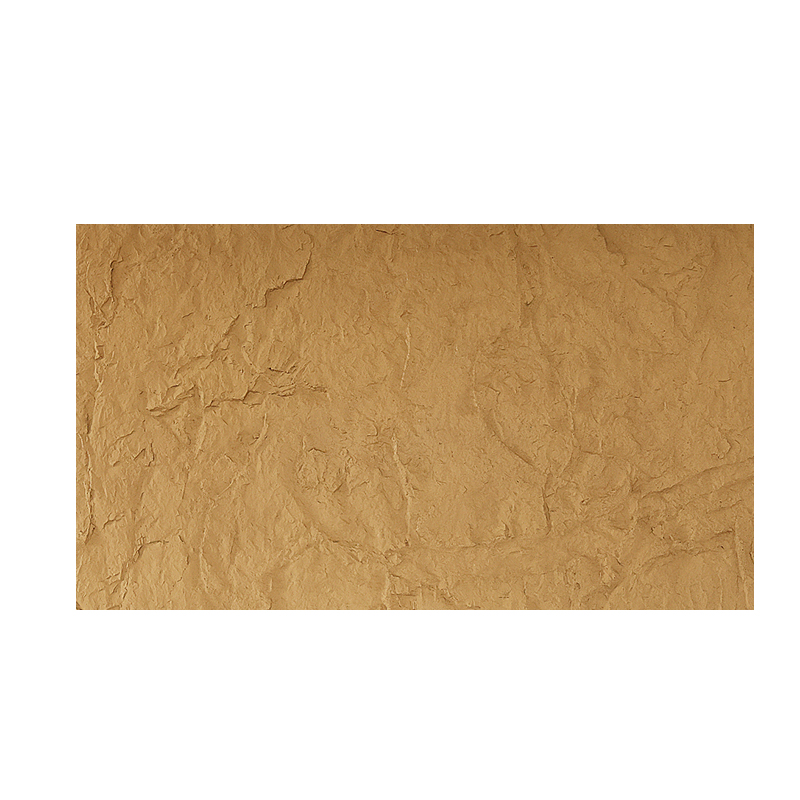
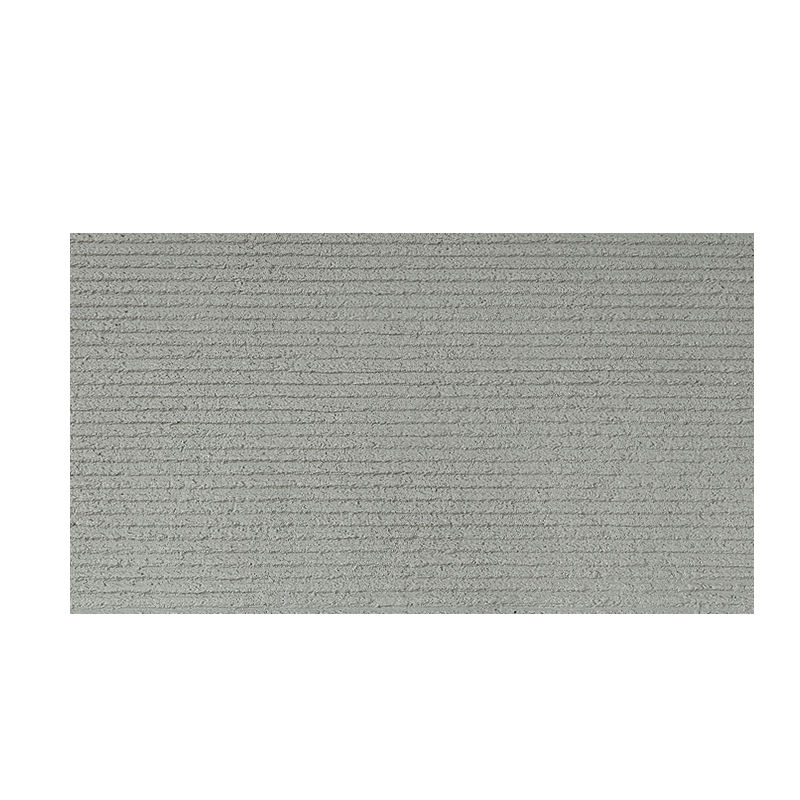 Vein Stone Flexible Sheets Lightweight and Waterproof for WallsDesigned for wall cladding, this waterproof and lightweight flexible stone sheet offers natural textures and easy installation. Its durability and weather resistance make it suitable for both indoor and outdoor decorative applications.View Product →
Check 6: Waste rate and labour planning
Line stone flex stone veneer typically yields a 3-8% cut waste rate in a well-run installation, compared with 15-30% for natural stone tile. That advantage only holds with a trained two-person crew working at roughly 18-25 m2 per day on standard wall conditions.
Reliable Supplier Signals Versus Red Flags on a Line Stone Data Sheet
A competent flexible stone manufacturer should be able to answer four questions in writing before you issue a purchase order. The comparison below shows how to separate a reliable supply partner from a trader who only forwards a brochure.
Reliable supplier signal
- States thickness with a tolerance range such as 2 mm +/- 0.3 mm
- Publishes the freeze-thaw test lab name and date
- Provides batch traceability on every carton
- Explains the difference between each YXCL product code
Red flag
- Quotes one thickness with no stated tolerance
- Offers design photos but no test report
- Uses the same code for interior and outdoor use
- Treats all line stone sheets as identical
| Question | Reliable answer | Red flag answer |
| Freeze-thaw cycle count | 100 cycles at -20C | Meets standard |
| Thickness tolerance | +/- 0.3 mm | No tolerance stated |
| Batch traceability | Batch number on every carton | Batch not mentioned |
Use the flexible stone veneer guide to cross-check the recommended installation sequence before you commit to a site plan.
Practical rule: when a supplier answers a technical question with "it depends" more than once, that supplier is not ready for a project order.
FAQ: Line Stone Flex Stone Veneer for Project Buyers
How long does line stone flex stone veneer last?
Yunxi rates its outdoor line stone veneer for 100 freeze-thaw cycles, and an adhesive-mounted flexible stone facade typically performs for 10 to 15 years when the substrate is maintained and no impact damage occurs.
Can line stone flex stone veneer be installed on curved walls?
Yes. Unlike rigid porcelain or natural stone tile, line stone flex stone veneer can bend around a 300 mm radius without cracking, which is why it is commonly used for curved feature walls, columns and rounded corners.
What is the difference between line stone flex stone veneer and natural stone tile?
The main differences are weight, installed thickness, cut waste and structural load. Line stone veneer weighs roughly 1.2-2.8 kg/m2 versus 25-60 kg/m2 for natural stone tile, and it can be bonded directly to a prepared wall without a steel reinforcing substructure.
What is the minimum order quantity for a project?
Minimum order quantity depends on the specific YXCL product code and the production schedule. Buyers should confirm available quantities for their chosen line stone series at the RFQ stage, because a small-batch order may run on a different production line and produce a different visual batch.