+86-18367343973

 English
 Español
 عربى
Article Directory
For project buyers, choosing between SPC and WPC wall panels is not about finding a single winner; it is about matching the material to the conditions of each room. Stone plastic composite (SPC) wall panels are denser, more impact-resistant, and practically non-hygroscopic, while wood plastic composite (WPC) wall panels feel warmer, offer better acoustic damping, and usually land at a lower material cost. This comparison explains how composition, moisture behavior, mechanical strength, and installation constraints differ, so you can specify with confidence in commercial and residential projects.
In practice, SPC is the safer default for wet rooms, high-traffic corridors, and areas that need frequent cleaning. WPC remains a strong choice for dry indoor settings where comfort, acoustic balance, and design flexibility come first.
What Are SPC and WPC Wall Panels?
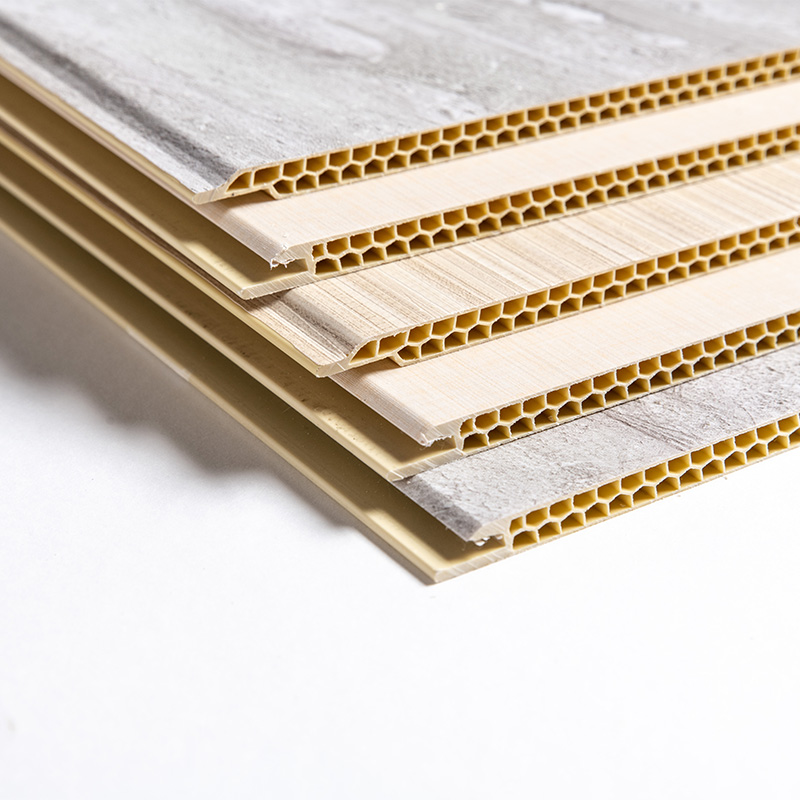
SPC wall panels use a compact core of limestone powder and polyvinyl chloride, while WPC wall panels use a blend of wood or bamboo fiber and thermoplastic resin. The mineral fraction in SPC is typically around 70-80 percent calcium carbonate, giving the board a heavy, rigid feel. The organic fiber fraction in WPC can range from 30 to 60 percent, which makes the board lighter and more like wood in texture.
| Property | SPC Wall Panel | WPC Wall Panel |
| Core material | Calcium carbonate, PVC, stabilizers | Wood or bamboo fiber, PVC/PE resin |
| Organic fiber content | 0-5% | 30-60% |
| Typical density | 1.8-2.0 g/cm3 | 1.1-1.3 g/cm3 |
| Surface feel | Firm, cool, stone-like | Warm, matte, wood-like |
| Common thickness | 4-10 mm | 8-25 mm |
Core definition: SPC is a stone-based rigid board; WPC is a wood-based hybrid board. This single distinction drives most of the performance differences.
Key Performance Differences at a Glance
The performance gap shows up in four measurable areas: density, water absorption, impact resistance, and sound insulation. SPC wins on the first three in most direct tests; WPC typically offers better acoustic damping, especially in the mid-frequency range.
Density1.9 vs 1.2 g/cm3SPC heavier
Water absorption0.1% vs 0.4%SPC lower
Impact resistance8 vs 5 kJ/m2SPC harder
Sound insulation24 vs 26 dBWPC higher
Typical comparative values, higher bar equals higher value
Density
Water absorption
Impact resistance
| Criteria | SPC Wall Panel | WPC Wall Panel |
| Water resistance | Excellent, absorbs below 0.1% | Good, but edges may swell in standing water |
| Impact resistance | High, hard mineral core | Moderate, softer wood-plastic core |
| Fire rating | Often B1 due to limestone | Dependent on resin and additives |
| Acoustic comfort | Good | Better at mid frequencies |
| Thermal feel | Cool | Warmer to touch |
Overall performance pattern: SPC behaves like a mineral board under stress; WPC behaves like a wood-plastic composite with more flex.
Where SPC Wall Panels Outperform WPC
SPC wall panels are the more durable choice in rooms that get wet, receive heavy foot traffic, or require frequent cleaning. The limestone-based core resists water penetration, denting, and heat warping better than an organic composite core. For a hotel corridor, a clinic, or a rental apartment, this translates into fewer callbacks and a longer service life.
- Water absorption below 0.1% by volume, so edges do not swell in a bathroom or kitchen.
- Impact resistance from the dense core handles carts, luggage, and moving furniture.
- Fire performance benefits from the mineral content; many SPC panels achieve a B1 rating in national tests.
- Dimensional stability keeps joints tight when indoor temperature and humidity change.
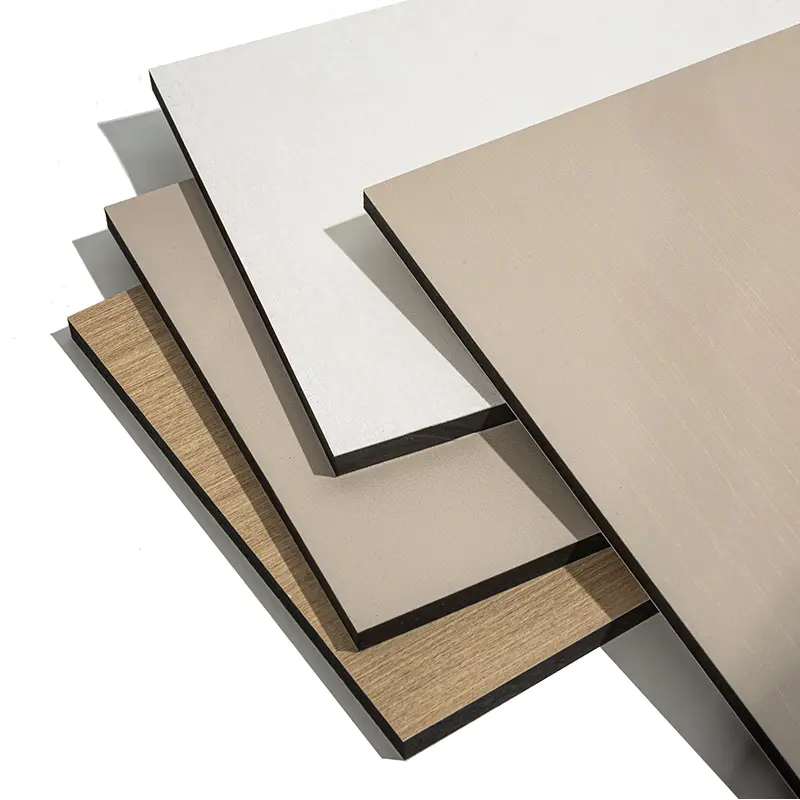
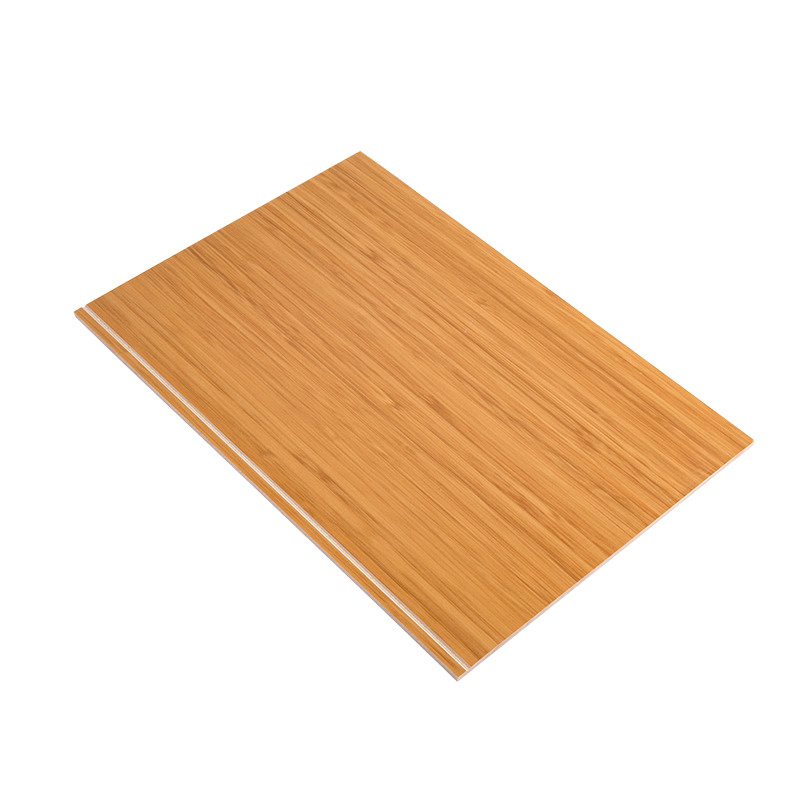 SPC Interior Wall Cladding Panel YXSPC604 in 4, 6, or 8 mmThis stone-plastic composite wall panel is highlighted after discussing SPC's durability in high-moisture, high-traffic areas. Its limestone core resists water, denting, and warping, making it a reliable choice for corridors, clinics, or rentals.View Product →
Haining Yunxi New Material Technology Co., Ltd. produces its own SPC wall cladding line, including the YXSPC604 profile, for interior wall applications in 4 mm, 6 mm, and 8 mm thicknesses.
If the wall will be washed, will encounter impact from equipment or luggage, or must hold up in a coastal climate, SPC removes more risk than any coating choice can.
Where WPC Wall Panels Make More Sense
WPC wall panels are the better fit for dry interiors where the specification depends on acoustic comfort, natural texture, or decorating flexibility. The wood fiber content makes the surface warmer and softer under touch, and the board is light enough for easy cutting and quick installation on framed walls.
- Better sound damping, especially in meeting rooms and bedrooms.
- Lighter weight, reducing load on lightweight partition walls.
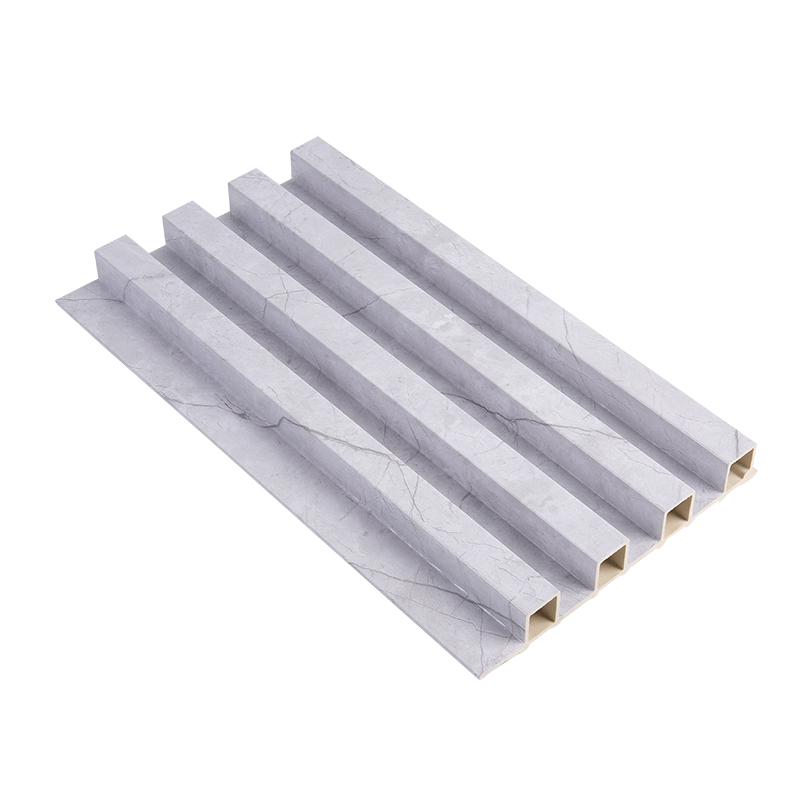
- Easier to route, groove, or shape into fluted and grille profiles.
- Typically lower material cost when comparing the same thickness class.
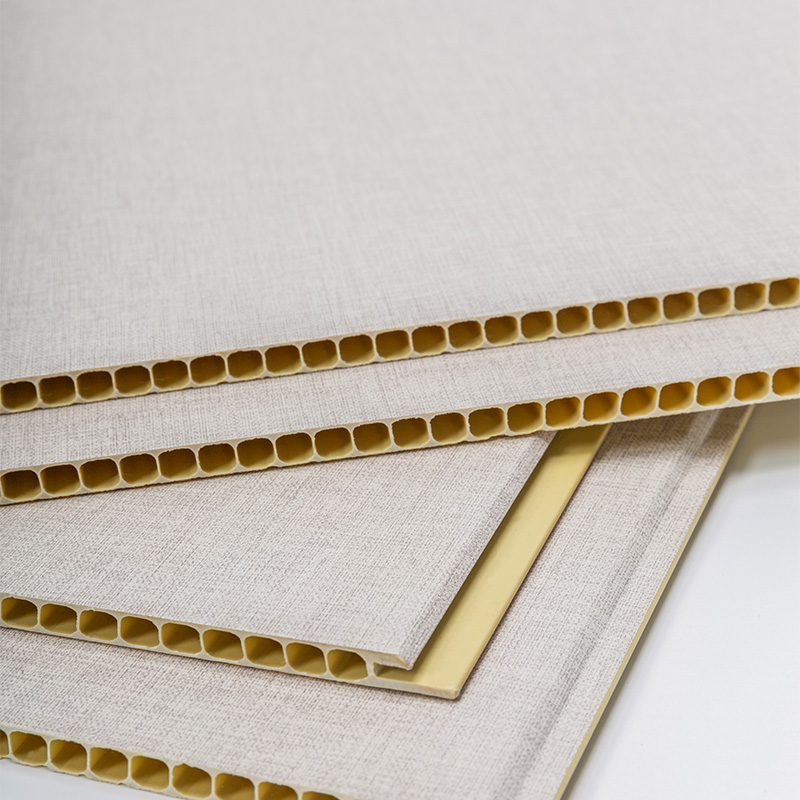
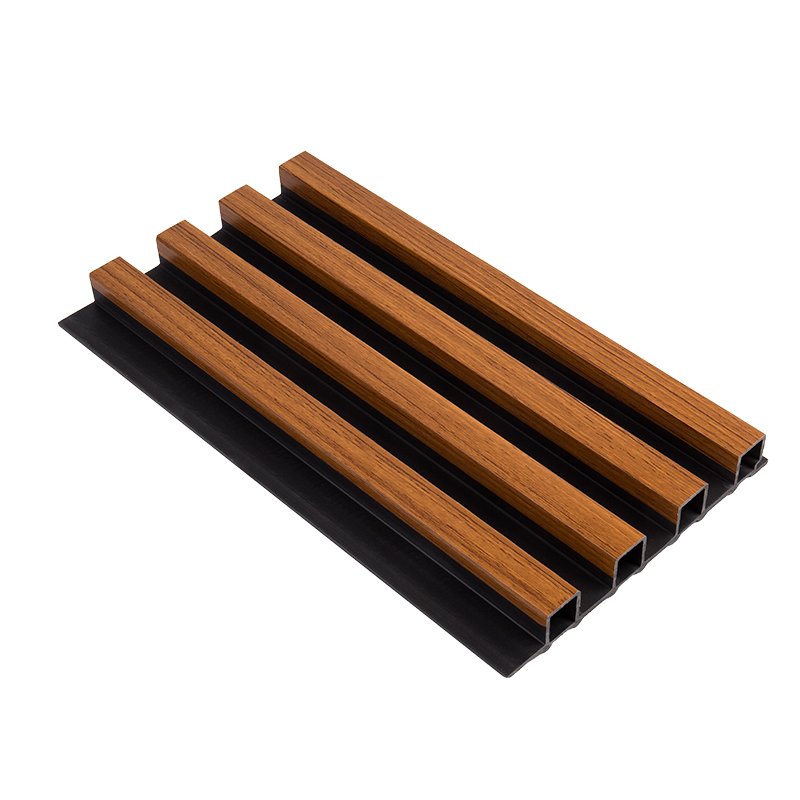
 WPC Wall Decoration Board YXWPC1225 in 5 mm ThicknessFollowing the context of WPC's acoustic comfort and natural texture, this 5 mm, 122 cm wide wood-plastic board suits both indoor and outdoor walls. Its waterproof formulation prevents moisture swelling while offering easy installation and low maintenance.View Product →
The YXWPC1225 series from Haining Yunxi is an indoor WPC wall panel option with a wood-plastic core and a decorative film layer. For a thickness of 8-10 mm, WPC is often specified when the design calls for a wood-grain finish in living or office spaces.
Acoustic and budget-driven jobs are where WPC keeps a clear edge. The material also suits deep rout patterns that a brittle SPC core would be harder to machine.
Decision Framework for Project Buyers
Choose SPC unless the project is dry, budget-driven, and heavily dependent on acoustic comfort, deep routed patterns, or the lightest possible board weight. The fastest way to decide is to map each room against four questions: Will it get wet? Will it take impacts? Will sound comfort matter? Is price the primary constraint?
Choose SPC when
- Bathrooms, kitchens, laundry rooms
- Hotel corridors, clinics, high-traffic retail
- Areas cleaned with water or steam
- Sustained humidity above 80% is expected
Choose WPC when
- Bedrooms, living rooms, offices
- Acoustic comfort or surface warmth matters
- Design uses routed grooves or grille panels
- Budget per square meter is the deciding factor
After selecting the material, the next step is sizing and panel layout. The thickness of wall panels affects fixing method and visual joint pattern, so before ordering, confirm the substrate flatness and the panel width that will align with your room dimensions. Sizing guidance is covered in our guide to choosing SPC panel sizes and styles.
Frequently Asked Questions
The following answers address the questions project buyers most often ask when comparing SPC and WPC wall panels.
Is WPC wall panel waterproof?
WPC wall panels are water-resistant, not fully waterproof. They can handle normal indoor humidity and occasional splashes, but prolonged standing water or constant steam can cause edge swelling. For bathrooms and wet areas, SPC is the safer specification.
Which material has a better fire rating?
SPC generally achieves a better fire rating because of its high limestone content. Common SPC panels can reach B1 in many national test standards, while WPC results depend on the resin type and any fire-retardant additives used. Always request the actual test certificate for the specific product before approval.
Is SPC more expensive than WPC?
Yes, SPC wall panels typically cost 10-20% more per square meter than WPC panels of similar thickness and finish. The gap narrows when you factor in fewer callbacks and longer service life in high-moisture or high-traffic areas.
Can SPC and WPC be mixed in one project?
Yes, mixing them is a common cost-saving strategy. Use SPC in bathrooms, corridors, and cleaning zones, and use WPC in bedrooms, meeting rooms, and dry decorative walls. The two materials can share similar thicknesses and fixing systems, but confirm expansion behavior with the manufacturer before combining them on the same wall line.
For project buyers, the material spec is decided by the room's operating conditions, not by brand preference or habit.