+86-18367343973

 English
 Español
 عربى
Article Directory
- 1 What "Waterproof" Actually Means in a Wall Panel
- 2 Five Performance Demands Every Wet-Area Panel Must Meet
- 3 Material Platforms Compared: PVC, SPC, and WPC
- 4 Installation Workflow: From Prep to Finished Wall
- 5 Design Flexibility and Surface Realism
- 6 Beyond Bathrooms: Other Wet Areas That Benefit
- 7 Frequently Asked Questions
Walk into any tiled hotel bathroom after three years of use: the dark streaking along the grout lines beside the faucet deck is the first visible stage of moisture ingress. Now consider a renovation contractor who replaced ceramic tile with moisture-resistant PVC wall panels across 42 guest bathrooms. The tile scope would have required mortar curing, grout setting, and nearly two weeks of drying before rooms could return to service. The panel installation took eight working days, with no grout lines to fail and no water trapped behind a cracked membrane. That is how waterproof wall panels improve interior finishing in bathrooms and other wet areas: they remove the slowest and most failure-prone stages of conventional wet-area construction.
What "Waterproof" Actually Means in a Wall Panel
A waterproof wall panel is an interior cladding board whose entire structure, not just its surface film, blocks moisture penetration under continuous high humidity. A panel with a water-resistant film but an absorbent core and unsealed joints is not waterproof in practice.
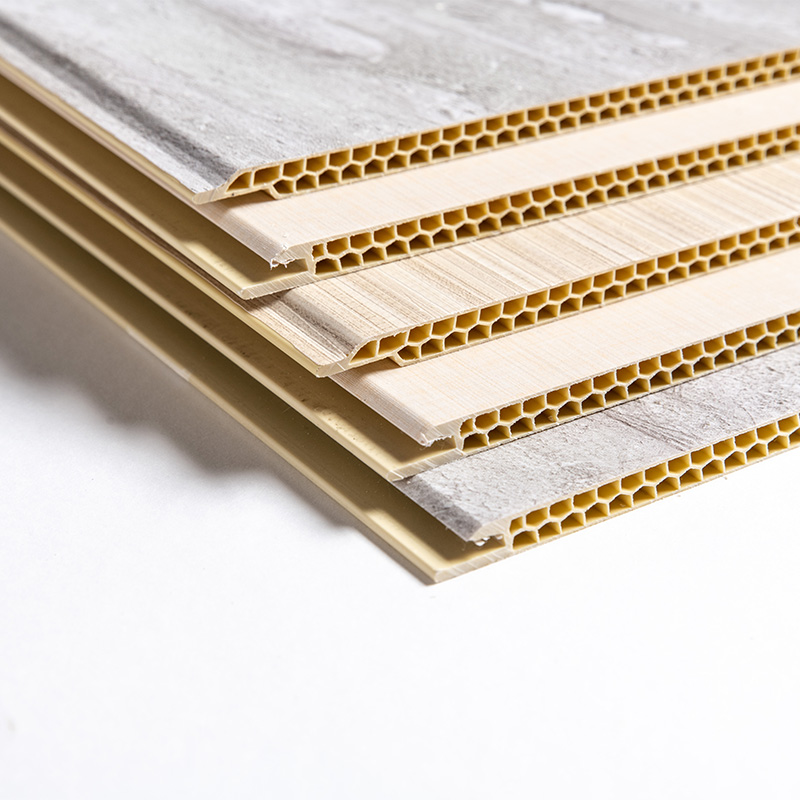
Waterproofing in a wall panel is a whole-board property. The substrate is a closed-cell or dense mineral-composite core, the decorative surface is bonded with a moisture-resistant film, and panel edges interlock so water and steam cannot reach the wall behind. Fail any one of these layers and the assembly cannot be called waterproof.
Verify all three layers of the claim:
- Core water absorption: closed-cell PVC foam and stone-plastic composites absorb less than 1 percent of their weight in a 24-hour immersion test.
- Edge geometry: tongue-and-groove or shiplap profiles form a physical barrier at the joint line.
- Surface integrity: the decorative layer must survive steam, condensation, and repeated cleaning.
- Dimensional stability: expansion across temperature swings must not open the joints.
Five Performance Demands Every Wet-Area Panel Must Meet
Wet-room cladding must satisfy five measurable criteria: low water absorption, mold resistance, impact strength, cleanability, and dimensional stability under humidity cycling. A panel that passes all five will outlast traditional finishes in a bathroom.
<1%24-hour water absorption for closed-cell PVC and SPC cores
0 growthMeets ISO 846 fungal resistance requirements
8-10 mmTypical panel thickness for bathroom wall applications
3-5 daysInstalled timeline for a standard residential bathroom
Because the panel surface is a continuous film rather than grouted tile, there are no pores where mold can establish. Ceramic tile in the same environment demands grout brushing, pH-neutral cleaning, and periodic grout resealing, especially in hard-water areas.
Material Platforms Compared: PVC, SPC, and WPC
PVC, SPC, and WPC panels all outperform ordinary moisture-prone finishes in wet areas, but they differ in rigidity, impact resistance, and surface realism. Haining Yunxi New Material Technology Co., Ltd., a wall panel manufacturer, produces all three platforms under the YXPVC, YXSPC, and YXWPC series with thicknesses and joint profiles matched to wet-area demands.
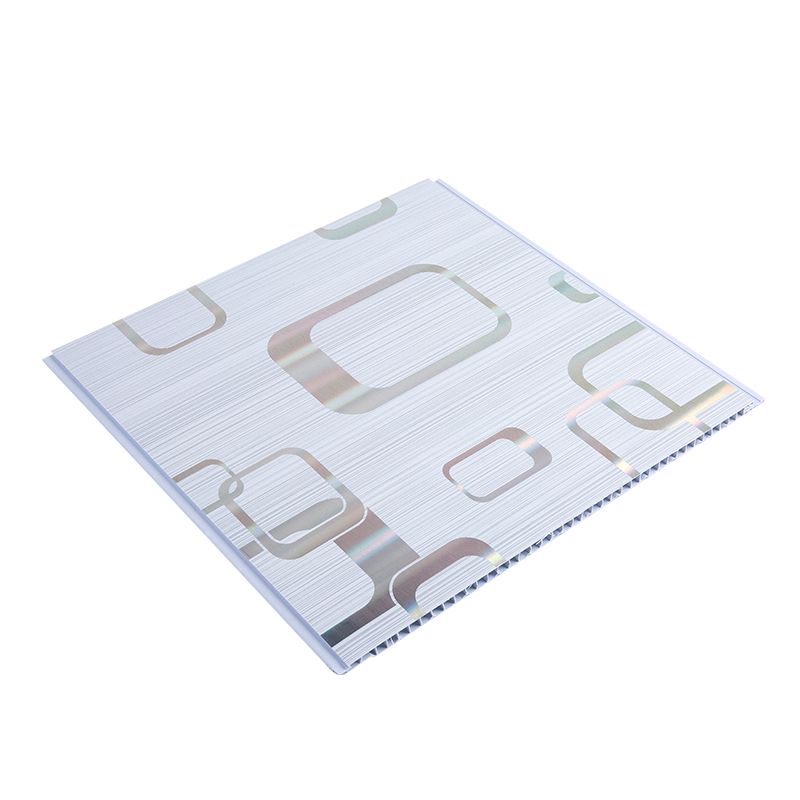
PVC wall panels are the most cost-effective choice for residential bathrooms and guest restrooms. Their closed-cell core keeps water out even if the surface film is scratched, and interlocking joints create a continuous barrier. Our detail on waterproof PVC wall and ceiling panels documents the full installation and maintenance scope.
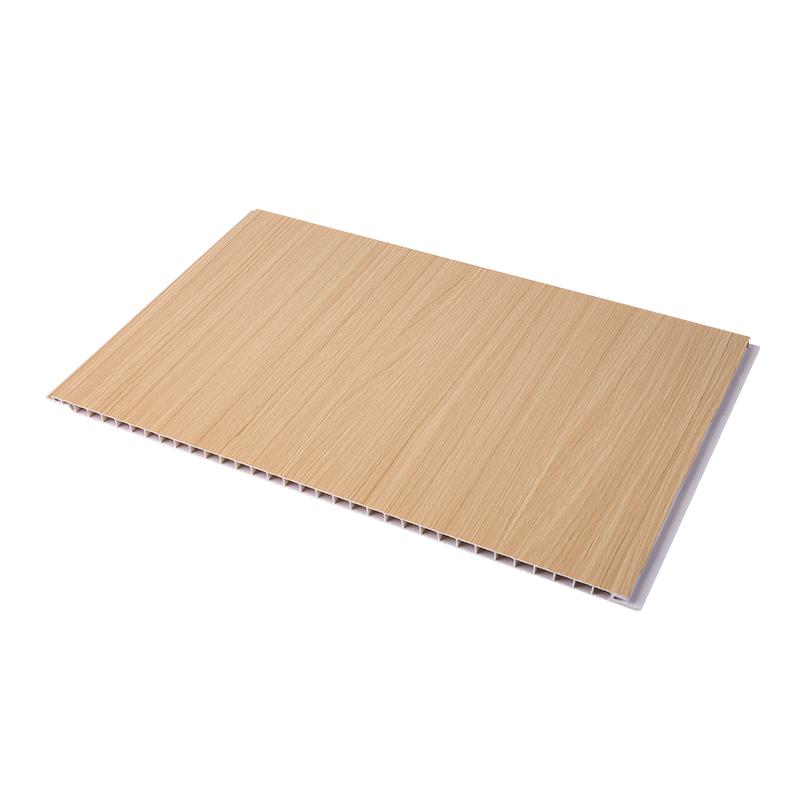 Hollow Core Lightweight Waterproof PVC Wall Panel for Interior DecorationThis 9 mm thick hollow-core PVC panel is lightweight and moisture-resistant, with closed-cell construction that absorbs less than 0.1% water. It suits residential bathrooms and guest restrooms, offering easy snap-on installation and simple maintenance.View Product →
SPC wall cladding has a denser stone-plastic core that resists impact and indentation, making it the right call for public restrooms where carts and foot traffic stress lower wall zones. It is also the most dimensionally stable platform under temperature swings.
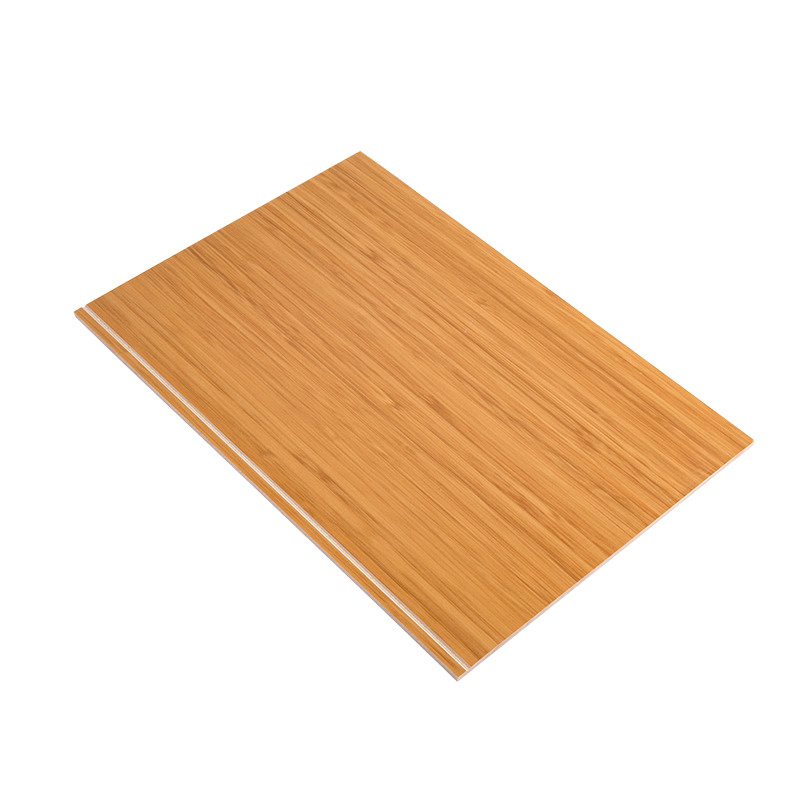 Modern SPC Wall Panels with Stone-Plastic Composite CoreThese 4 mm thick stone-plastic composite panels deliver impact resistance and dimensional stability for high-traffic areas. With seamless splicing and a 60 cm width, they suit public restrooms and commercial spaces needing durable, easy-to-clean walls.View Product →
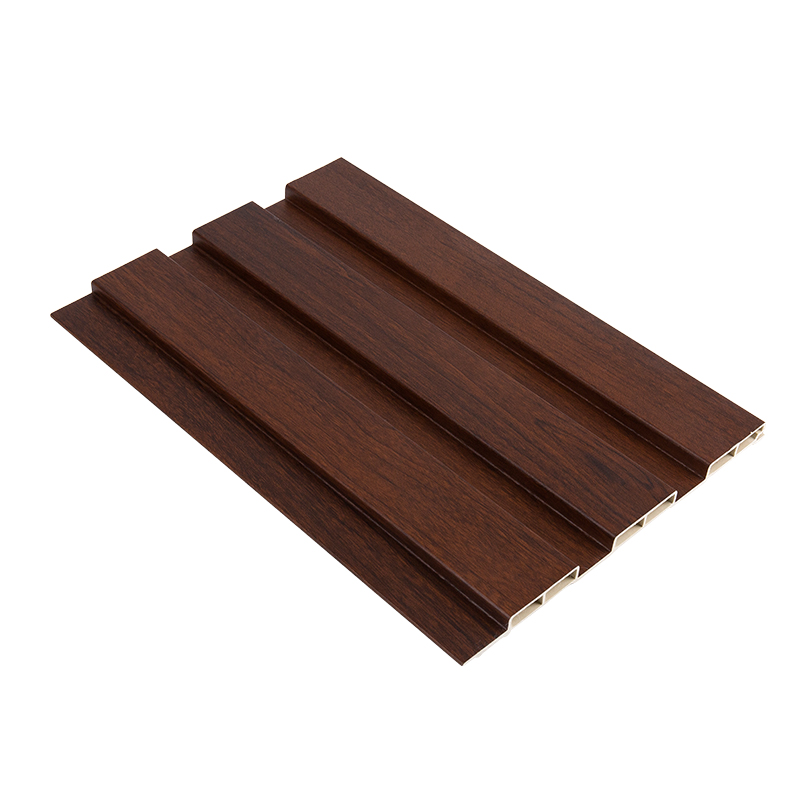
WPC wall panels behave closer to engineered timber and suit feature walls, wainscoting, and semi-wet areas. The wood-plastic core accepts deeper embossing, bringing the tactile quality closest to real wood.
| Property | PVC Wall Panel | SPC Wall Cladding | WPC Wall Panel |
| Core material | Closed-cell PVC foam | Stone-plastic composite | Wood-plastic composite |
| 24-hour water absorption | <1% | <0.5% | <2% |
| Typical thickness | 8-10 mm | 4-8 mm | 8-12 mm |
| Impact resistance | Moderate | High | Moderate to high |
| Best wet-area role | Bathrooms, shower rooms | Commercial restrooms | Wainscoting, feature walls |
Installation Workflow: From Prep to Finished Wall
Waterproof wall panels compress the finishing timeline by removing the two slowest stages of tiling: mortar curing and grout setting. A two-person crew handles the entire installation without specialized tooling.
- Substrate preparation: inspect for flatness; existing tile in good condition can stay after degreasing, rinsing, and priming.
- Panel cutting: score-and-snap for PVC, or a circular saw with a fine blade for SPC and WPC, with minimal dust.
- Adhesive or furring strips: bond directly with construction adhesive, or fix furring strips for a vented cavity in timber frames.
- Joint closure: slide interlocking edges together, then seal the base, outside corners, and fixture penetrations with silicone.
- Trim and outlets: cut openings slightly oversize, fit edge trims, and terminate corners with profiles.
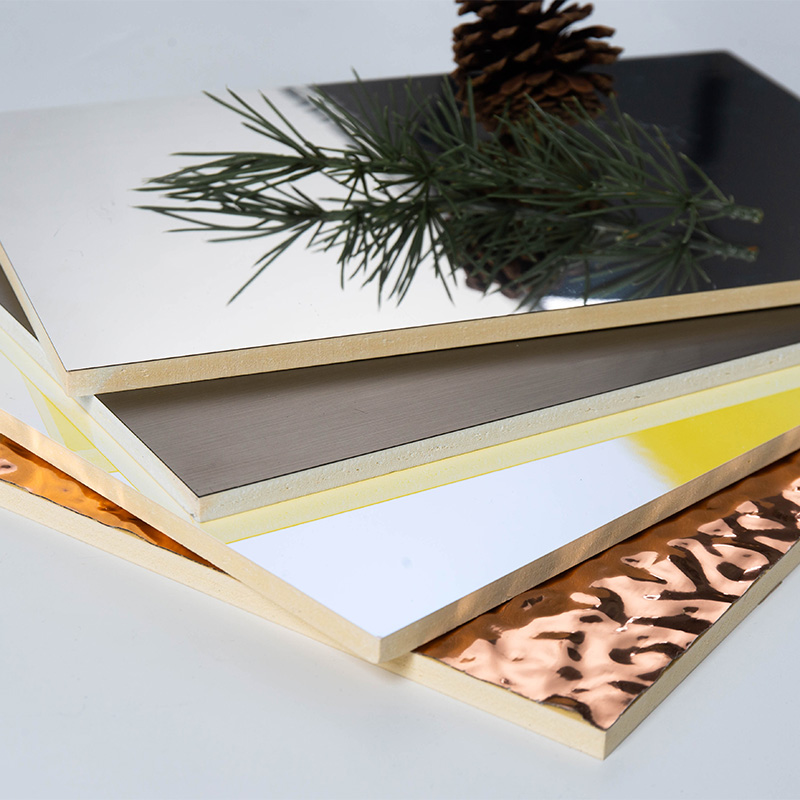 Waterproof WPC Wall Board for Indoor and Outdoor DecorationThis 5 mm thick, 122 cm wide wood-plastic composite board resists moisture and weather, making it versatile for both interiors and exteriors. Its quick installation and low maintenance help compress finishing timelines compared to tiling.View Product →
Conventional Tile Timeline
- Waterproofing membrane and cure: 2-3 days
- Tile bedding and placement: 2-4 days
- Grout application and cure: 1-2 days
- Total before room use: 14-21 days
Waterproof Panel Timeline
- Substrate prep and primer: 1 day
- Panel fixing and joint closure: 1-2 days
- Silicone detailing and trims: 0.5 day
- Total before room use: 3-5 days
Average days from installation start to a usable room for a standard bathroom.
Design Flexibility and Surface Realism
Modern waterproof panels reproduce natural materials closely enough that a grout-free, sealed wall needs no design compromise. Film finishes on PVC and SPC panels replicate oak, walnut, marble, travertine, and brushed concrete with visible grain and controlled gloss.
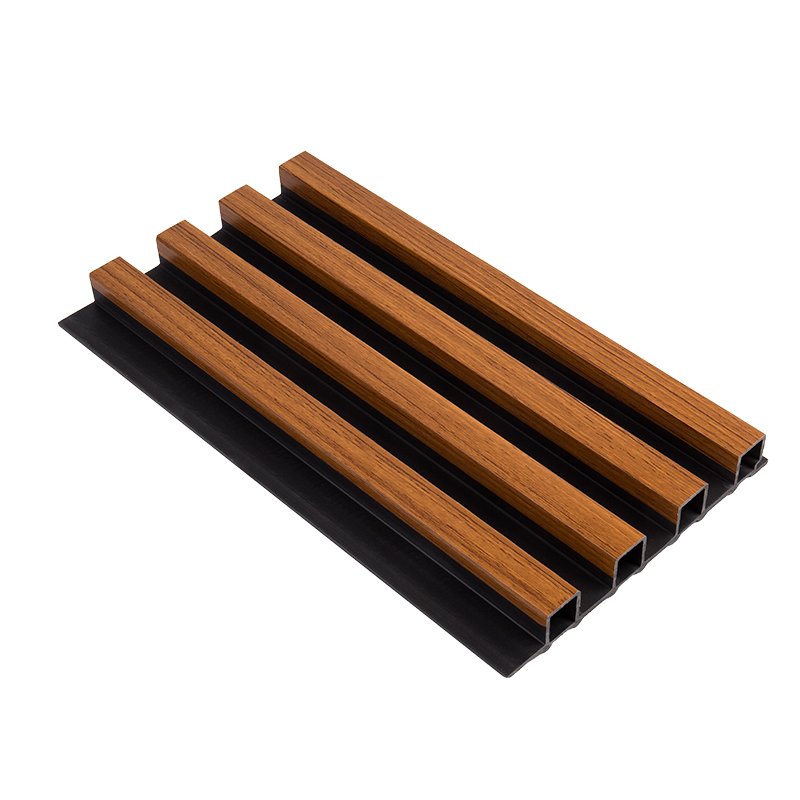
WPC fluted and grille panels add vertical texture, while curved panels let the same waterproof construction wrap a vanity or form a rounded shower niche, applications that are difficult and expensive in ceramic tile.
A wood-grain WPC panel with an embossed surface is nearly impossible to distinguish from timber at arm's length. Unlike timber, it survives standing-water contact that would warp solid wood within weeks, and it needs no varnish or refinishing over its service life.
Beyond Bathrooms: Other Wet Areas That Benefit
The same systems specified for bathrooms solve moisture problems in kitchens, laundry rooms, spa changing areas, and commercial restrooms with identical installation logic.
- Kitchen backsplashes where steam, grease, and cleaning chemicals hit daily.
- Laundry and utility rooms with continuous humidity from washing machines.
- Hotel spa changing rooms and pool showers that combine water and chlorine exposure.
- Restaurant restrooms and back-of-house wash zones needing fast, hygienic cleaning.
Flexible stone veneer panels are also rated for humid kitchens and bathrooms, giving designers a natural-stone look on a lightweight backing. Our flexible stone veneer guide for humid environments covers the material limits and design options in detail.
Frequently Asked Questions
Are waterproof wall panels truly 100 percent waterproof?
A closed-cell PVC or SPC panel has near-zero water absorption, but the installed assembly is only as waterproof as its joints and trims. Interlocking panels designed for wet areas, with sealed corners and silicone around fixtures, prevent water from reaching the substrate. For showers, sealing the base edge and outside corners is part of correct installation.
Can waterproof wall panels be installed over existing tile?
Yes, in most cases. PVC, SPC, and WPC panels bond directly over sound, level tile with construction adhesive, eliminating demolition and dust. The old surface must be degreased, rinsed, and primed first. If the wall is out of plane by more than 3 millimeters per meter, furring strips provide the flat reference plane panels need.
How do waterproof wall panels compare with ceramic tile in total cost?
Mid-range PVC panels often cost the same as budget ceramic tile per square meter, but installed cost is typically 20 to 30 percent lower because labor is faster, no separate waterproofing membrane is needed, and fewer trades are involved. Grout maintenance and resealing costs are eliminated for the life of the installation.
How long do waterproof wall panels last in a bathroom?
Closed-cell PVC and SPC panels with sealed joints typically last 15 to 20 years in residential bathrooms under continuous humidity. In commercial restrooms, plan for 10 to 15 years before surface replacement. The limiting factor is usually the decorative film wear layer, not the core structure.