+86-18367343973
 English
 Español
 عربى
عربى
Article Directory
- 1 1. Fire Safety Compliance: Flame Retardancy and Smoke Density
- 2 2. Indoor Air Quality: VOC Emissions and Health Standards
- 3 3. Structural Durability and Commercial ROI
- 4 Conclusion: A Reliable Solution for Modern Projects
- 4.1 Frequently Asked Questions (FAQ)
- 4.1.1 1. Are flexible PVC wall panels suitable for hospital environments?
- 4.1.2 2. What is the best fire rating for PVC wall panels in a commercial lobby?
- 4.1.3 3. How to install flexible PVC wall panels on a curved surface?
- 4.1.4 4. Are there eco-friendly flexible PVC wall board options?
- 4.1.5 5. Do waterproof flexible PVC wall panels for bathrooms require special maintenance?
- 4.2 Industry References
- 4.1 Frequently Asked Questions (FAQ)
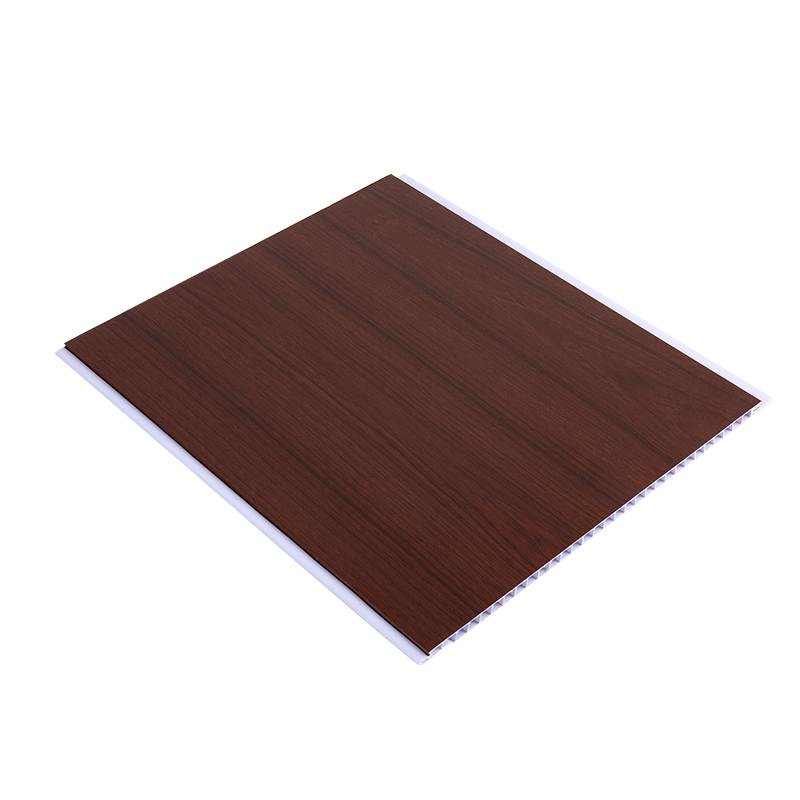
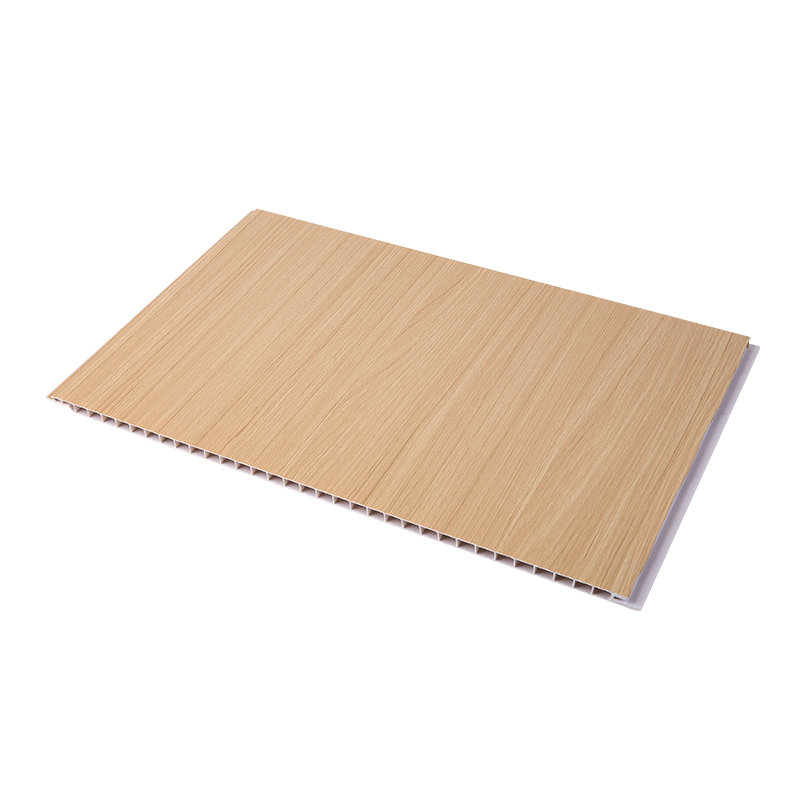
In the high-precision world of commercial interior design, the selection of wall cladding materials is governed by stringent regulatory frameworks. As architects move toward organic shapes and curved surfaces, flexible PVC wall panels have emerged as a versatile solution. Haining Yunxi New Material Technology Co., Ltd. has long been a pioneer in the independent research and development of wood veneer wall panels and flooring. Our robust product system is designed to exceed the expectations of modern enterprises, focusing on technological innovation and brand building. However, the critical question for engineers remains: do these flexible PVC wall panels truly satisfy the fire safety and Volatile Organic Compound (VOC) emission standards required for public spaces? This article analyzes the chemical and structural properties of flexible PVC wall panels to determine their suitability for complex commercial environments.
1. Fire Safety Compliance: Flame Retardancy and Smoke Density
For commercial builds, materials must typically adhere to Class A or Class B fire ratings (such as ASTM E84 or EN 13501). Standard PVC is naturally fire-resistant due to its high chlorine content, but fire rated PVC wall panels are further engineered with specialized flame retardants to ensure they self-extinguish. When comparing fire rated PVC vs traditional wood panels, PVC offers a significant advantage as it does not contribute to the initial flame spread index as aggressively as untreated timber. Furthermore, how to test PVC wall panel fire resistance involves measuring the smoke development index, which is critical for ensuring safe egress during an emergency. For high-traffic areas, utilizing flexible PVC wall panels for curved walls allows for seamless safety compliance without the structural weaknesses often found in bent plywood. At Haining Yunxi, we prioritize fireproof flexible PVC wall cladding technology to ensure our products meet the "heavy-duty" demands of various construction projects.
Fire Performance Comparison
- PVC Panels: Inherent flame retardancy with added chemical stabilizers to minimize smoke toxicity.
- Traditional Wood: Highly flammable unless treated with expensive, pressure-impregnated chemicals.
| Safety Criterion | Traditional Wood Veneer | Flexible PVC Wall Panels (High-Grade) |
| Flame Spread Index | High (Class C) | Low (Class A or B) |
| Self-Extinguishing | No | Yes (Within seconds) |
| Smoke Production | High (Carbon Monoxide risk) | Moderate to Low (Engineered suppressants) |
2. Indoor Air Quality: VOC Emissions and Health Standards
Indoor air quality is a non-negotiable aspect of sustainable commercial design. The concern regarding VOC emission standards for PVC panels often stems from older manufacturing processes that utilized phthalates or lead stabilizers. Modern, low VOC interior wall cladding, such as the systems developed by Haining Yunxi, uses calcium-zinc stabilizers to ensure health safety. When comparing VOC levels in PVC vs MDF panels, high-quality PVC often shows lower formaldehyde off-gassing because it does not rely on urea-formaldehyde adhesives. Understanding how to install flexible PVC wall panels correctly also involves using low-emission adhesives to maintain the integrity of the eco-friendly flexible PVC wall board system. Architects seeking commercial grade flexible PVC wall panels should always request GREENGUARD or equivalent certification to verify that the product supports a healthy breathing environment.
VOC and Chemical Safety Sequence
- Stabilizer Selection: Transitioning from lead-based to calcium-zinc stabilizers for non-toxic performance.
- Phthalate-Free Formulation: Ensuring the flexibility is achieved through safe polymeric plasticizers.
- Third-Party Testing: Verification of total VOC (TVOC) levels in specialized climate chambers.
- Edge Sealing: Using co-extrusion technology to prevent any trace chemical migration.
| Emission Factor | Standard MDF / Plywood | Yunxi Flexible PVC Wall Panels |
| Formaldehyde Release | Varies (High if E2 grade) | Virtually Zero (NAF - No Added Formaldehyde) |
| Phthalate Content | N/A | Phthalate-Free (Consumer grade safety) |
| TVOC Levels | Moderate | Low (Meets LEED requirements) |
3. Structural Durability and Commercial ROI
Beyond safety, the benefits of flexible PVC wall panels for commercial use include impact resistance and moisture proofing, which are essential for hospitals, hotels, and retail centers. Maintaining flexible PVC wall panels is significantly easier than maintaining natural wood, as the surface is non-porous and resistant to hospital-grade disinfectants. For engineers, waterproof flexible PVC wall panels for bathrooms and humid zones provide a long-term ROI by eliminating the risk of mold growth—a common failure point in traditional wall systems. Haining Yunxi New Material Technology Co., Ltd. continues to focus on durable flexible PVC wall panel installation methods that simplify the construction process while delivering a high-end, wood-veneer aesthetic that consumers favor.
Conclusion: A Reliable Solution for Modern Projects
When engineered correctly, flexible PVC wall panels are not only a design-forward choice for curved and complex surfaces but also a scientifically sound selection for fire safety and air quality. By adhering to fire rated PVC wall panels protocols and low VOC interior wall cladding standards, Haining Yunxi provides an all-round development solution for the modern enterprise. For your next commercial project, ensure you are choosing materials that meet these high-tech standards to guarantee both beauty and safety.
Frequently Asked Questions (FAQ)
1. Are flexible PVC wall panels suitable for hospital environments?
Yes, specifically due to their low VOC interior wall cladding properties and resistance to bacteria. Their non-porous surface allows for frequent sanitization without degradation.
2. What is the best fire rating for PVC wall panels in a commercial lobby?
For most commercial lobbies, an ASTM E84 Class A rating is the gold standard, ensuring the lowest possible flame spread and smoke development.
3. How to install flexible PVC wall panels on a curved surface?
These panels can be cold-bent on-site. It is recommended to use high-tack, low-VOC construction adhesives and a mechanical track system if the radius is extremely tight.
4. Are there eco-friendly flexible PVC wall board options?
Absolutely. Modern PVC panels are 100% recyclable and often contain pre-consumer recycled content, aligning with circular economy goals in construction.
5. Do waterproof flexible PVC wall panels for bathrooms require special maintenance?
No. Maintaining flexible PVC wall panels involves only simple wiping with mild soap and water. They are inherently resistant to moisture, so they will not warp or rot like wood.
Industry References
- ASTM E84: Standard Test Method for Surface Burning Characteristics of Building Materials.
- EN 13501-1: Fire classification of construction products and building elements.
- ISO 16000-6: Determination of volatile organic compounds in indoor and test chamber air.
- Haining Yunxi Technical Whitepaper: "Polymer Innovation in Flexible Cladding Systems" (2025).