+86-18367343973
 English
 Español
 عربى
عربى
Article Directory
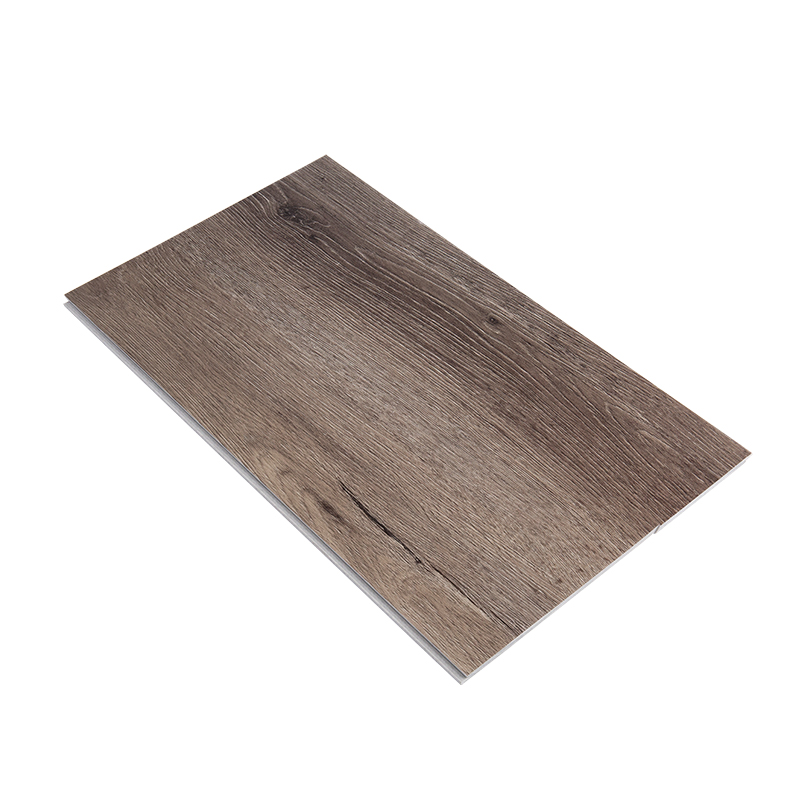
In the demanding landscape of commercial architecture, selecting the right surfacing material involves a complex balance of aesthetics, durability, and moisture resilience. Among the myriad of options available in 2026, SPC (Stone Plastic Composite) Flooring has ascended as the gold standard for high-traffic environments. Haining Yunxi New Material Technology Co., Ltd., a leader in the independent R&D of advanced floorings and wood veneer wall panels, recognizes that the engineering behind SPC provides a level of structural stability that traditional materials cannot match. This guide examines the technical reasons why SPC (Stone Plastic Composite) Flooring is the superior choice for modern commercial projects.
The Engineering of the Core: SPC vs. WPC and LVT
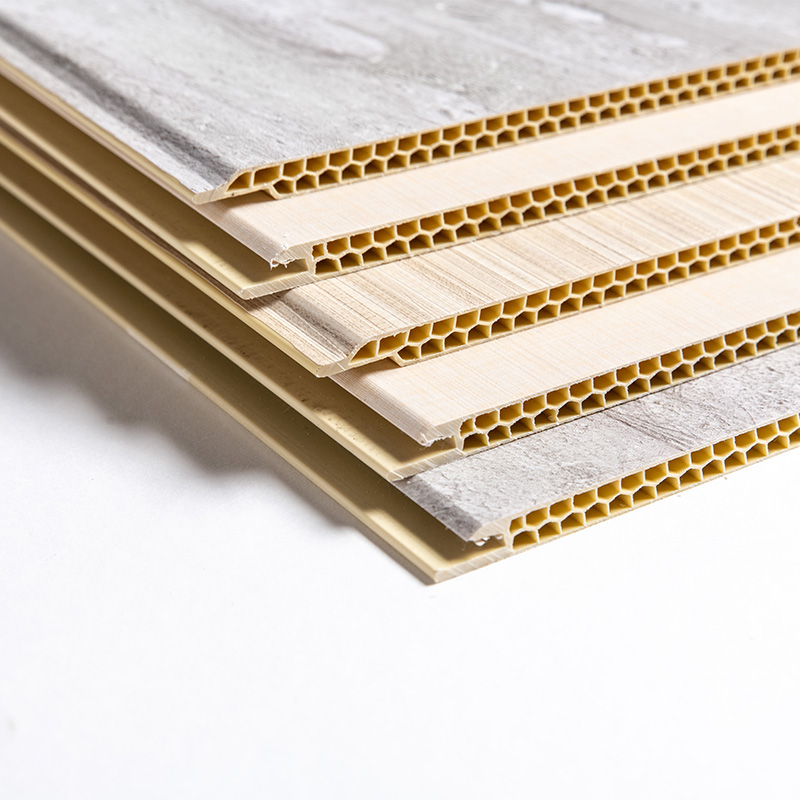
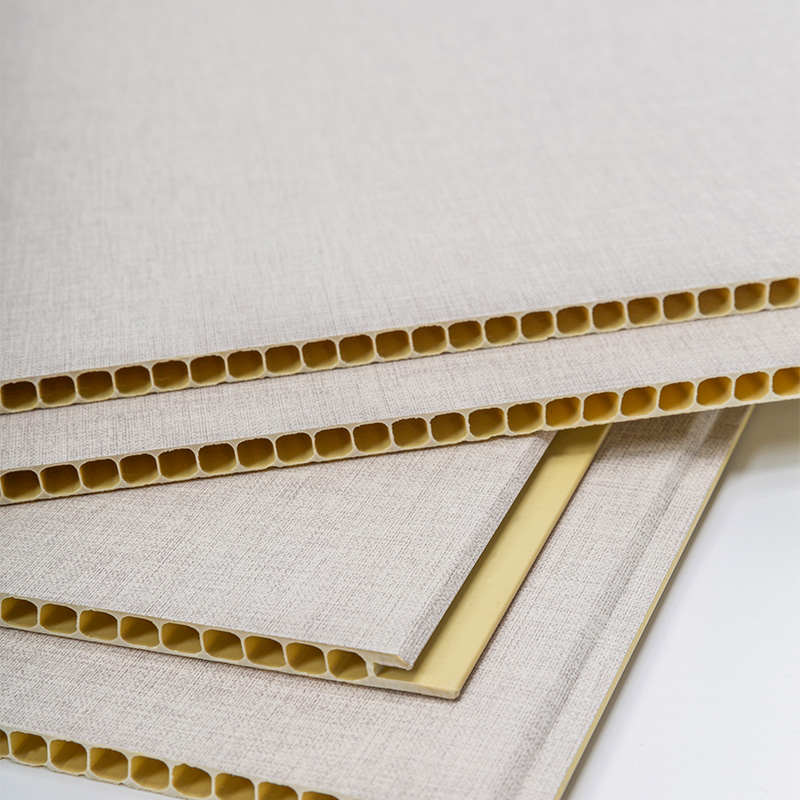
The defining characteristic of SPC (Stone Plastic Composite) Flooring is its ultra-dense core, composed of natural limestone powder, polyvinyl chloride, and stabilizers. When analyzing SPC vs WPC flooring for commercial use, the primary difference lies in the core density; SPC is far more rigid and resistant to indentation. While WPC (Wood Plastic Composite) uses a foaming agent to create a softer feel, it lacks the compressive strength required for heavy foot traffic. Furthermore, the benefits of SPC flooring in high-traffic areas are significantly more pronounced than standard Luxury Vinyl Tile (LVT) due to its superior dimensional stability under temperature fluctuations.
Core Composition Performance Comparison
- SPC Core: High-density stone-plastic mix, providing extreme impact resistance.
- WPC Core: Foamed wood-plastic mix, prioritizing comfort over heavy-duty durability.
- LVT: Flexible PVC layers, susceptible to telegraphing subfloor imperfections.
| Feature | SPC (Stone Plastic Composite) Flooring | WPC Flooring | Traditional LVT |
| Core Density | 2,000 - 2,100 kg/m³ | 800 - 950 kg/m³ | 1,200 - 1,400 kg/m³ |
| Waterproof Property | 100% Waterproof | 100% Waterproof | Water-Resistant |
| Indentation Resistance | Excellent (Static Load > 250kg) | Moderate | Low |
Unlocking the 100% Waterproof Advantage
One of the most frequent technical queries is how SPC flooring handles water spills in commercial settings like restaurants or healthcare facilities. Unlike laminate or natural wood, SPC contains zero organic fibers that can absorb moisture. This ensures that waterproof SPC flooring for bathrooms and kitchens in commercial zones remains immune to swelling, warping, or mold growth. As an all-round development enterprise, Haining Yunxi utilizes advanced SPC flooring click lock installation technology to create airtight seals between planks, further preventing liquid penetration to the subfloor.
Mechanical Durability and Wear Layer Technology
For high-traffic zones, the commercial grade SPC flooring wear layer thickness is the critical metric for longevity. A minimum 20mil (0.5mm) wear layer, enhanced with a UV-cured ceramic bead coating, provides a scratch resistant SPC flooring for pets and heavy traffic. This surface engineering prevents the micro-abrasions caused by grit and rolling loads, such as hospital beds or office chairs. Furthermore, cleaning and maintaining SPC flooring in large-scale areas is remarkably cost-effective, requiring only standard PH-neutral sanitizers to maintain its "as-new" appearance.
Strategic Advantages for Large-Scale Projects
- Fire Safety: Most SPC (Stone Plastic Composite) Flooring achieves a Bfl-s1 fire rating, essential for commercial building codes.
- Thermal Stability: Unlike vinyl, SPC has a near-zero expansion coefficient, making it the best SPC flooring for areas with direct sunlight or large temperature swings.
- Acoustic Performance: High-quality SPC flooring with pre-attached underlayment provides excellent sound dampening (IIC ratings), vital for multi-story hotels and offices.
Innovation and Sustainability at Haining Yunxi
Haining Yunxi New Material Technology Co., Ltd. has long focused on the independent research and development of eco-friendly SPC flooring materials. Our production process eliminates the use of formaldehyde and heavy metal stabilizers, ensuring that our products fully meet the needs of various styles of home decoration and commercial construction projects. By optimizing the SPC flooring cost per square foot through technological innovation and efficient team management, we provide the industry with a product system that is both premium in quality and competitive in value.
Conclusion: A Future-Proof Flooring Solution
In summary, the pros and cons of SPC flooring for businesses lean heavily toward the advantages. While the initial investment may be higher than low-end vinyl, the 15-25 year lifespan in commercial settings offers a superior ROI. For any enterprise seeking a flooring system that is 100% waterproof, indentation resistant, and visually versatile, SPC (Stone Plastic Composite) Flooring remains the unrivaled choice.
Frequently Asked Questions (FAQ)
1. Is SPC flooring really 100% waterproof?
Yes, because the core is made of a stone-plastic composite without any wood fibers, it cannot absorb water. This makes it the best SPC flooring for areas with direct sunlight and potential moisture exposure.
2. How does SPC flooring handle heavy furniture or equipment?
Thanks to its high limestone content, SPC has a high PSI (pounds per square inch) rating. It provides excellent benefits of SPC flooring in high-traffic areas by resisting permanent indentations from heavy loads.
3. Can SPC flooring be installed over existing tiles?
Yes, due to its rigid core, SPC can be installed over most hard-surface subfloors, including ceramic tiles, as long as the floor is level. Its SPC flooring click lock installation system makes this process fast and efficient.
4. Does SPC flooring feel cold compared to wood?
While it is denser than wood, SPC flooring with pre-attached underlayment provides an insulating layer that makes it comfortable underfoot and compatible with radiant heating systems.
5. Is SPC flooring safe for indoor air quality?
Absolutely. Eco-friendly SPC flooring materials from Haining Yunxi are manufactured without formaldehyde or phthalates, ensuring they are safe for schools, hospitals, and residential spaces.
Industry References
- ASTM F3261: Standard Specification for Resilient Flooring in Modular Format with Rigid Polymeric Core.
- ISO 10582: Resilient floor coverings — Heterogeneous poly(vinyl chloride) floor coverings — Specifications.
- EN 13501-1: Fire classification of construction products and building elements.
- North American Laminate Flooring Association (NALFA) - Rigid Core Standards.