+86-18367343973

 English
 Español
 عربى
عربى
Article Directory
Yes — PVC soffit panel can be painted, used outdoors, and installed as vented soffit. They are one of the most weather-resistant, low-maintenance exterior finish options available today. Whether you're asking about paintability, outdoor durability, or ventilation compatibility, PVC delivers on all fronts — with the right preparation and products.
Can PVC Panels Be Painted? Yes, With the Right Paint
PVC panels can absolutely be painted, but the type of paint matters significantly. Standard oil-based paints tend to crack or peel as PVC expands and contracts with temperature. The correct choice is 100% acrylic latex paint, which flexes with the panel rather than fighting it.
There are two key rules to follow when painting PVC panels:
- Choose a paint with a Light Reflectance Value (LRV) of 55 or higher. Darker colors absorb more heat, which can cause PVC to warp or buckle — especially in climates with intense sun exposure.
- Clean the surface thoroughly before painting. PVC has a low surface energy, so light sanding or a wipe-down with a solvent-based cleaner improves paint adhesion significantly.
Primer is generally not required for PVC if the paint is a high-quality acrylic formula, but applying a bonding primer designed for plastics can extend the paint life by 3–5 years in high-UV environments. Many homeowners repaint PVC soffits every 10–15 years, compared to wood soffits that may need repainting every 3–5 years.
Factory-finished PVC panels with UV-stabilized coatings can often go entirely unpainted for 20–30 years without fading or chalking — a major advantage over wood or fiber cement alternatives.
Can Vinyl Soffit Be Painted? Same Rules Apply
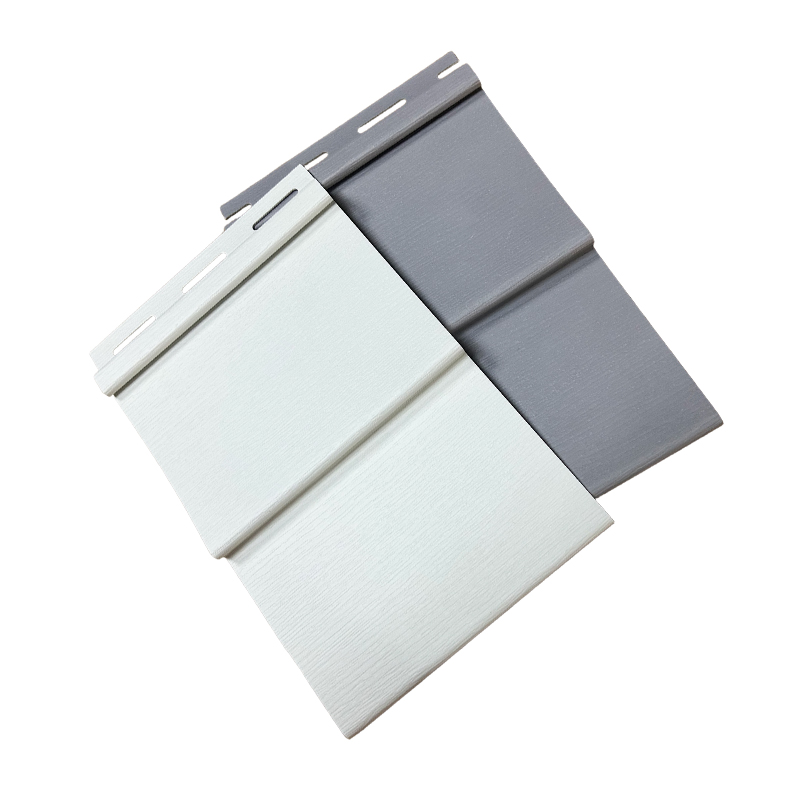
Vinyl soffit and PVC soffit panels are closely related materials, and the painting guidelines are nearly identical. Both are thermoplastic and expand with heat, so the same LRV threshold (55+) and acrylic latex requirement apply.
The main difference: vinyl soffit is often thinner and more flexible than rigid PVC panels, making surface preparation even more important. A light scuff with 220-grit sandpaper creates micro-abrasions that help acrylic paint bond more reliably. Avoid pressure washing immediately before painting — allow at least 24 hours for the surface to fully dry.
| Feature | PVC Soffit Panel | Vinyl Soffit |
|---|---|---|
| Paintable | Yes (acrylic latex) | Yes (acrylic latex) |
| Thickness | Typically 3–6mm | Typically 0.8–1.2mm |
| Rigidity | High | Moderate to Low |
| UV Resistance | Excellent | Good |
| Expected Lifespan | 25–30+ years | 20–25 years |
Can PVC Panels Be Used Outside? Absolutely — That's Where They Excel
PVC panels were designed with outdoor exposure in mind. Unlike wood, they do not rot, swell, or attract insects. Unlike fiber cement, they do not absorb moisture. PVC is inherently waterproof, making it ideal for eaves, soffits, fascia, porch ceilings, and any other exterior application where moisture exposure is a concern.
In outdoor environments, PVC panels offer several measurable advantages:
- Zero moisture absorption: Wood can absorb up to 30% of its weight in water. PVC absorbs essentially 0%, eliminating warping, rot, and mold growth.
- Insect resistance: Termites and carpenter bees cause an estimated $5 billion in damage annually in the US. PVC offers no food source and no structural vulnerability to these pests.
- Thermal expansion management: PVC does expand with heat — roughly 3/8 inch per 18 feet of panel per 100°F of temperature change. Proper installation with expansion gaps (typically 1/4 inch at each end) prevents buckling entirely.
- Coastal compatibility: PVC does not corrode in salt-air environments, making it a preferred material in beachfront and marine construction.
For below-grade or ground-contact outdoor applications, cellular PVC panels are preferred over standard hollow vinyl profiles due to their denser structure and superior compressive strength.
Can Soffit Vents Be Painted? Yes — With One Important Precaution
Soffit vents — whether integrated into PVC soffit panels or installed as separate perforated inserts — can be painted. The same acrylic latex rules apply. However, there is one critical precaution: never block or seal the vent perforations with paint.
Attic ventilation is a building code requirement in most jurisdictions. The standard guideline (per the International Residential Code) is a minimum of 1 square foot of net free ventilation area for every 150 square feet of attic floor space. Clogging soffit vents with thick paint can reduce this airflow by 20–40%, leading to moisture buildup, ice dams in cold climates, and increased cooling costs in summer.
Best practices for painting soffit vents:
- Use a brush or roller rather than a sprayer on perforated sections to control paint buildup.
- Apply thin coats and allow full drying between applications.
- After painting, use a stiff brush or compressed air to clear any perforations that may have closed.
- Inspect vent openings annually to confirm airflow is unobstructed.
Pre-finished PVC soffit panels with factory-perforated vent sections are the cleanest solution — the color is applied before perforation, so there is no risk of blocking ventilation during a DIY paint job.
Choosing the Right PVC Soffit Panel for Your Project
Not all PVC soffit panels perform equally. The following factors determine long-term performance and appearance:
- Panel thickness: Residential applications typically use 4mm panels. Commercial or high-wind zones benefit from 6mm or thicker profiles that resist deflection between fastener points.
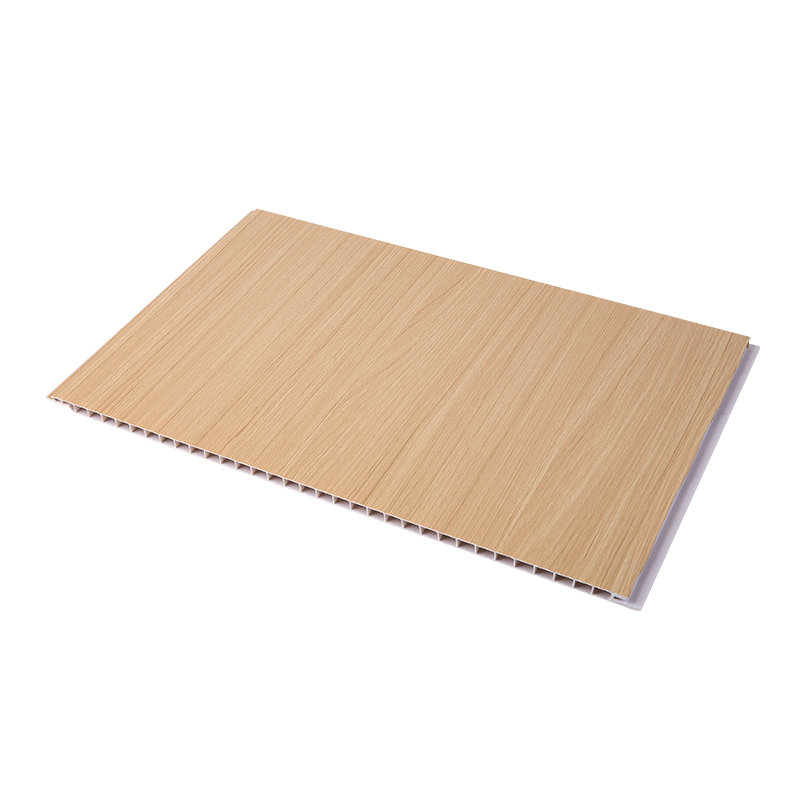
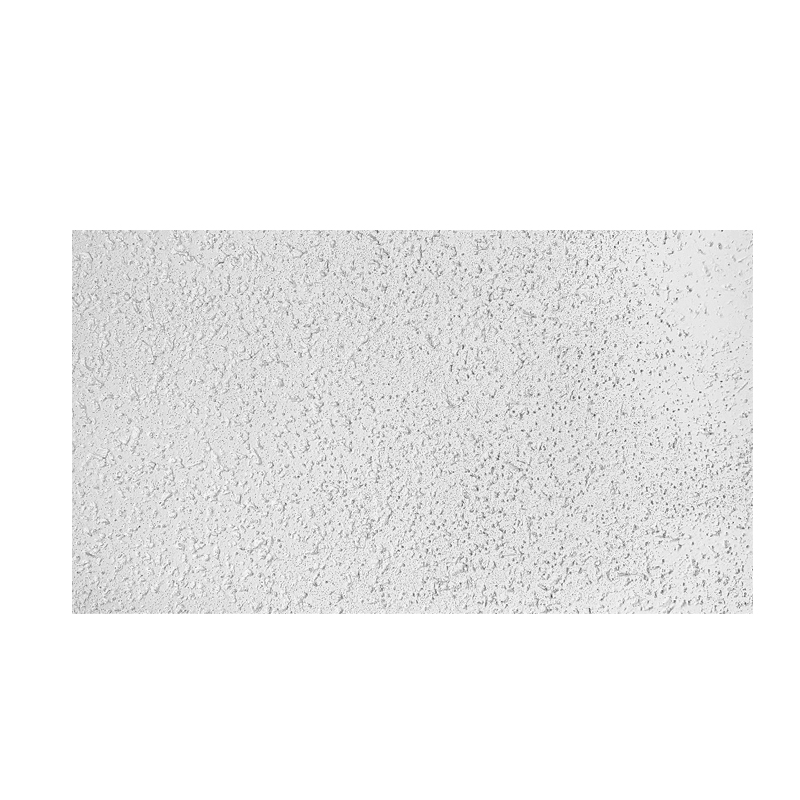
- Surface texture: Smooth PVC is easiest to clean and paint uniformly. Wood-grain embossed profiles offer aesthetics similar to painted wood without the maintenance.
- Vent configuration: Solid panels suit areas where ventilation is provided elsewhere. Fully vented or partially vented panels are best for eave soffits directly beneath attic space.
- Color stability: Look for panels with co-extruded UV-stabilized capstock layers, which resist chalking and fading significantly better than through-colored PVC.
- Profile width: Wider panels (12 inches or more) mean fewer seams and faster installation. Narrower profiles (4–6 inches) mimic traditional wood plank aesthetics more closely.
We supply PVC soffit panel profiles engineered for both residential renovation and commercial new construction, with options across all major widths, vent configurations, and surface finishes. If your project requires custom lengths, color-matched trim, or specific fire ratings, contact our team directly for specification support.