+86-18367343973

 English
 Español
 عربى
عربى
Article Directory
WPC wall panel stands for Wood Plastic Composite wall panel — a manufactured cladding and interior surfacing product made from a blended core of wood fiber (typically 50–70%) and thermoplastic polymer (usually PVC, PE, or PP), extruded into rigid decorative panels. WPC wall panels can be used both indoors and outdoors, resist moisture and rot without the maintenance demands of solid timber, and are available in a wide range of surface finishes including the increasingly popular fluted profile. They are one of the fastest-growing alternatives to traditional wood, tile, and gypsum-based wall systems in residential and commercial construction.
What Are WPC Wall Panels?
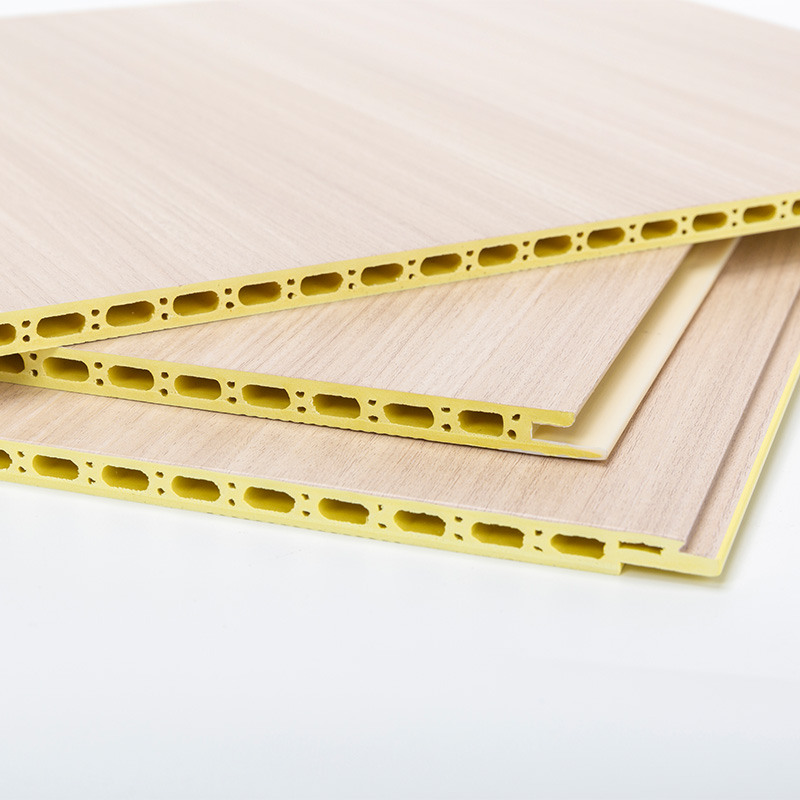
WPC wall panels are prefabricated surface cladding boards produced by co-extruding or mixing wood-derived fiber (sawdust, rice husk, bamboo powder) with a thermoplastic binder under heat and pressure. The resulting composite is dimensionally stable, machineable like wood, and inherently resistant to moisture absorption — a weakness that limits solid timber in wet or high-humidity environments.
The panels are typically produced in tongue-and-groove or click-lock profiles that allow them to interlock directly onto a wall surface or a sub-frame of aluminum or timber battens. Standard panel dimensions in the market are:
| Dimension | Common Range | Notes |
|---|---|---|
| Panel width | 100mm – 300mm | Fluted panels often 150–200mm per board |
| Panel length | 2,400mm – 3,000mm | Custom lengths available from most manufacturers |
| Panel thickness | 8mm – 25mm | Outdoor cladding typically 15mm+; interior 8–12mm common |
| Weight | 2.5 – 5.5 kg/m2 | Lighter than ceramic tile (15–20 kg/m2) and solid timber planks |
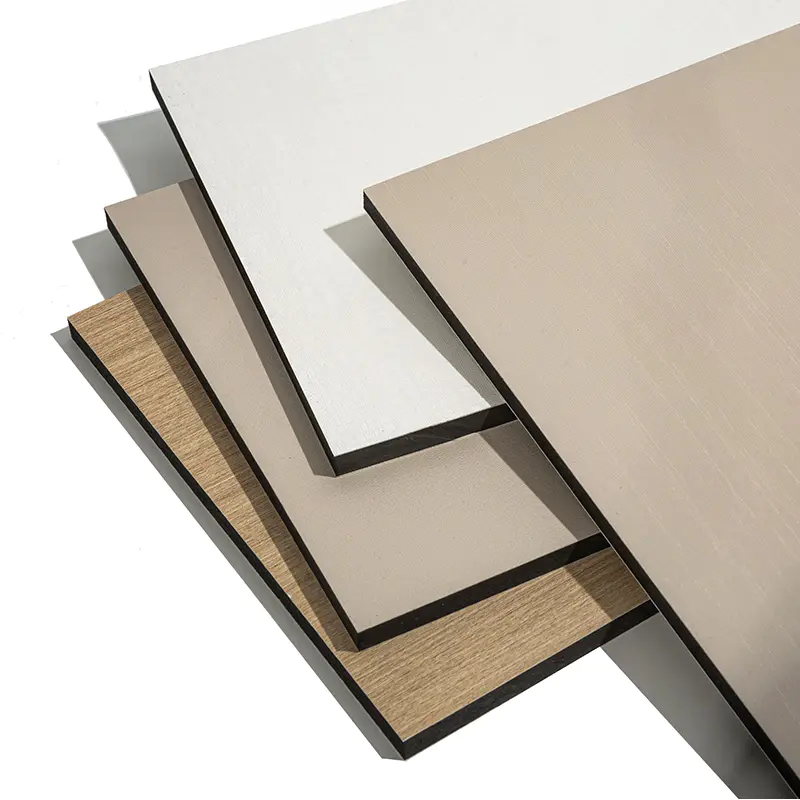
The surface finish can be smooth, wood-grain embossed, stone-look, brushed, or fluted (ribbed), achieved either through the extrusion die profile or a secondary embossing and co-extrusion capping process. Co-extruded WPC panels add a solid polymer cap layer — typically 0.5–1.5mm thick — that provides enhanced UV resistance, scratch resistance, and color depth compared to single-layer extruded panels.
What Does WPC Wall Panel Mean in Practice?
In practical construction terms, WPC wall panel is a category descriptor covering several product subcategories that share the same composite material base but serve different applications:
- Interior WPC wall panels — typically 8–12mm thick, lightweight, and designed for direct adhesive or clip-and-batten installation on interior walls and ceilings. Common in living rooms, bedrooms, hotel lobbies, and commercial office fit-outs. Surface finishes simulate marble, concrete, wood grain, or feature 3D fluted profiles.
- Exterior WPC cladding panels — 15–25mm thick with a co-extruded cap layer and UV-stabilized pigments. Designed to replace painted timber cladding or fiber cement on building facades, garden walls, and feature walls in outdoor entertainment areas.
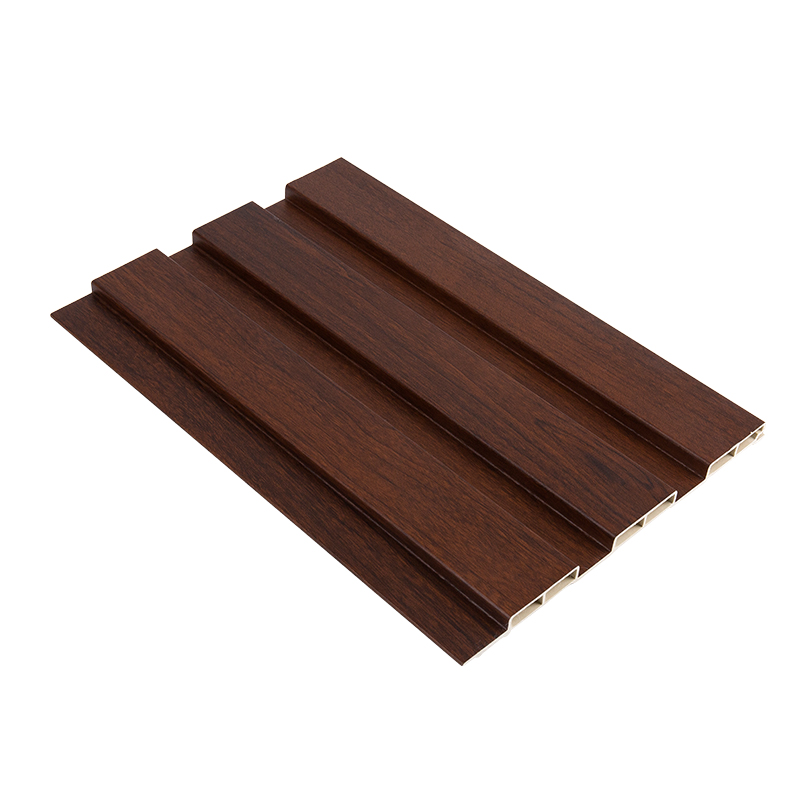
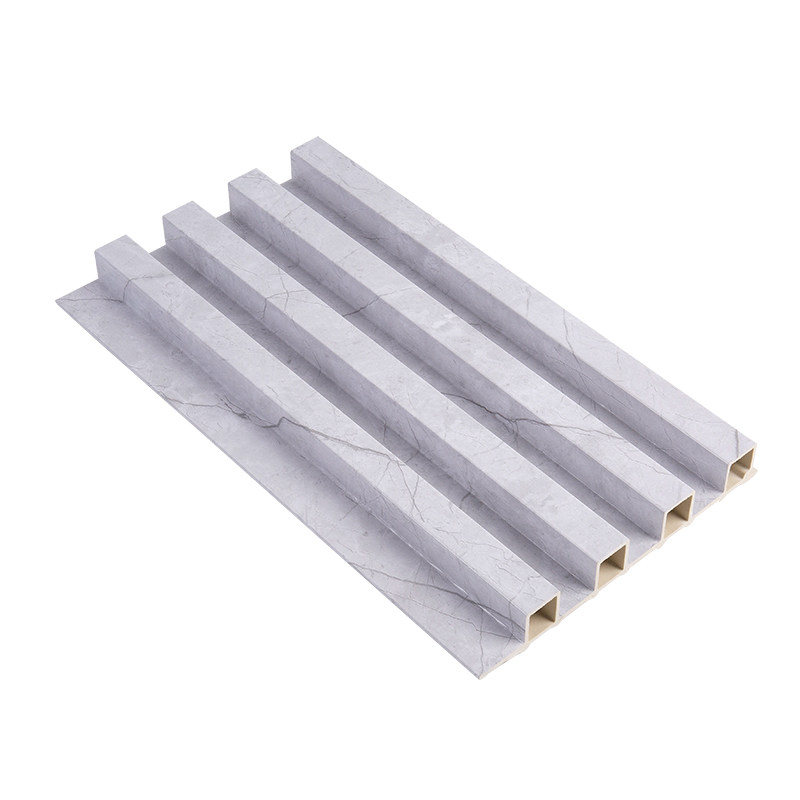
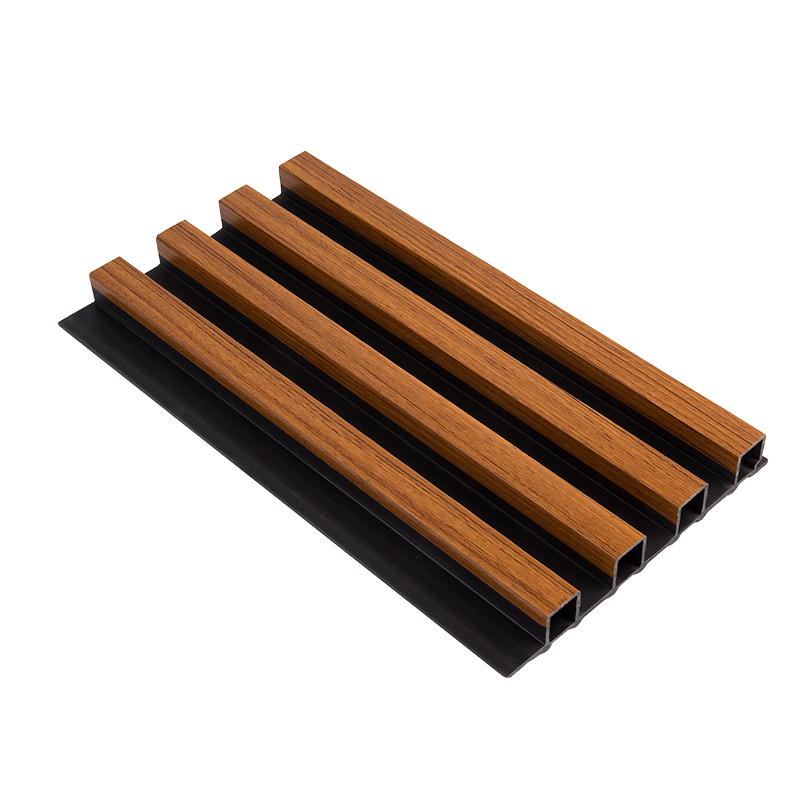
- WPC fluted wall panels — a specific profile characterized by repeating vertical ridges (flutes) machined or extruded into the panel face. The fluted profile adds visual depth, diffuses light, and creates acoustic texture. Available in both interior and exterior weights.
- WPC slatted wall panels — open-profile panels where individual slats are mounted on a backing grid with deliberate gaps between them, creating a louvered or screen effect. Popular for feature walls, room dividers, and exterior privacy screens.
The "WPC" designation is important because it distinguishes these composite panels from pure PVC panels (no wood content, different thermal expansion behavior), solid wood panels (no polymer content, susceptible to moisture), and fiber cement panels (cement-based, significantly heavier).
Can WPC Wall Panels Be Used Outside?
Yes — exterior-grade WPC wall panels are specifically engineered for outdoor use and outperform most natural wood cladding products in outdoor conditions. The key distinction is the product grade: not all WPC wall panels marketed for interior use are suitable for prolonged outdoor exposure. Exterior-rated WPC panels are identifiable by the following specifications:
- Co-extruded cap layer — the outer polymer shell (typically ASA or PMMA-modified PVC) provides UV resistance that prevents the color fading and chalking seen in uncapped panels after 12–18 months of outdoor exposure. Quality exterior WPC panels carry UV resistance ratings equivalent to 10–15 years of color stability.
- Low water absorption — exterior WPC should have a water absorption rate below 1.5% by weight (tested per ISO 62 or ASTM D570). This compares favorably to untreated pine timber, which can absorb 20–30% of its weight in water, leading to swelling, splitting, and rot.
- Freeze-thaw resistance — panels used in climates with winter freezing must tolerate repeated freeze-thaw cycles without cracking. Quality exterior WPC products are tested to 50+ freeze-thaw cycles per EN 12467 or equivalent standards.
- Slip resistance for horizontal surfaces — where WPC is used on exterior horizontal ledges or sills, a textured or brushed surface finish provides a slip-resistance rating of R11 or higher (DIN 51130).
| Property | Exterior WPC Panel | Untreated Timber Cladding | Fiber Cement Board |
|---|---|---|---|
| Rot resistance | Excellent (no organic degradation) | Poor without treatment | Excellent |
| UV color stability | 10–15 years (co-extruded cap) | Fades and grays within 1–3 years | Good with paint |
| Maintenance required | Occasional wash only | Re-paint/stain every 3–5 years | Repaint every 5–8 years |
| Weight (kg/m2) | 3.5 – 5.5 | 5 – 9 (depending on species/thickness) | 14 – 18 |
| Insect resistance | Excellent | Susceptible without treatment | Excellent |
| Cutting and shaping on site | Standard woodworking tools | Standard woodworking tools | Requires specialist fiber cement blades |
One important outdoor consideration is thermal expansion. WPC panels expand and contract with temperature changes at a rate of approximately 3–6mm per linear meter across a 40°C temperature swing — higher than fiber cement but similar to solid hardwood. Correct installation requires leaving expansion gaps at panel ends (typically 5–8mm) and using concealed clip systems that allow movement without buckling.
How to Install WPC Fluted Wall Panels Step by Step
WPC fluted wall panels are among the most popular interior wall finishing products due to their dramatic visual depth and straightforward installation process. The following installation method applies to tongue-and-groove or clip-fixed interior fluted WPC panels on an existing wall substrate.
Prepare the Wall Surface
The wall must be clean, dry, structurally sound, and reasonably flat — a maximum deviation of 3mm over a 2,000mm straightedge is the typical tolerance for direct-fix or batten-mount systems. Remove any loose paint, efflorescence, or protruding fixings. For walls with moisture risk (bathrooms, below-grade areas), apply a waterproof membrane or moisture barrier before installing the WPC system.
Install the Aluminum or Timber Batten Sub-Frame
Most WPC fluted wall panel systems are mounted on a sub-frame of vertical battens fixed to the wall at 400–600mm centers. Aluminum battens (typically 40mm x 20mm section) are preferred for their corrosion resistance and dimensional stability. Use a laser level to ensure battens are plumb — any deviation in the sub-frame will be amplified in the finished panel face. The batten depth also creates a 20–25mm service void behind the panels, which can accommodate electrical conduit or insulation.
Fix the Starting Profile
At the base of the installation area, fix a starter channel or L-profile to the bottom batten. This profile receives the first panel's bottom edge, holds it at the correct angle, and prevents moisture ingress at the floor-to-wall junction. Check the starter profile for level across its full length before proceeding — an unlevel start creates cumulative misalignment across the entire installation.
Install the First Panel
Slot the first WPC fluted panel into the starter profile and press it flush against the battens. Secure with concealed clips (provided with most panel systems) driven through the tongue into each batten, or with face screws countersunk and filled where a concealed fix is not possible. Typical clip spacing is one clip per batten — at 400–600mm horizontal centers. Check the first panel for plumb before fixing; this is the reference panel for all subsequent boards.
Continue Panel Runs with Interlocking Connection
Each subsequent fluted panel slots its groove over the tongue of the previously fixed panel and clicks or clips into place. Apply even hand pressure along the full length of the joint before fixing — forcing one end can cause the joint to bow. On runs longer than 3,000mm, install a cover trim or expansion joint every 2,400–3,000mm to accommodate longitudinal thermal expansion. Leave a 5mm expansion gap at all perimeter edges (ceiling, floor, corners, and window reveals).
Trim and Finish
Cut panels to length using a circular saw with a fine-tooth blade (minimum 40 teeth) or a mitre saw, cutting from the face side of the panel to minimize chipping of the decorative cap surface. At internal and external corners, use matching aluminum or PVC corner trims in a coordinating color supplied by the panel manufacturer. Seal all cut ends with a color-matched end cap or sealant to prevent moisture ingress into the panel core — especially important in high-humidity rooms such as bathrooms and kitchens.
WPC Wall Panel vs. Alternative Interior Wall Systems
Understanding how WPC wall panels compare to competing products helps in making the right selection for specific project requirements:
| Feature | WPC Wall Panel | PVC Wall Panel | MDF / HDF Panel | Ceramic Wall Tile |
|---|---|---|---|---|
| Water resistance | High | Very high | Low (swells) | Very high |
| Natural wood appearance | Very good | Moderate | Good | Limited |
| Impact resistance | Good | Moderate | Moderate | Brittle |
| Installation skill required | Low–medium (DIY-friendly) | Low | Medium | High (tiling expertise) |
| Thermal insulation contribution | Moderate | Low | Moderate | Negligible |
| Acoustic performance | Moderate–good | Low | Moderate | Poor (hard reflective surface) |
| Sustainability profile | Good (recycled wood content) | Low (100% virgin plastic) | Moderate (formaldehyde adhesives) | Moderate (mining, kiln energy) |
Maintenance and Long-Term Care
One of the primary selling points of WPC wall panels is their low maintenance requirement compared to painted timber or bare MDF. Routine care involves:
- Regular cleaning — wipe down with a damp cloth or mild soap solution to remove dust, grease, and surface marks. For exterior panels, a low-pressure hose or pressure washer on a wide fan setting (keeping the nozzle at least 300mm from the panel surface) removes accumulated dirt effectively without damaging the cap layer.
- Avoid abrasive cleaners — scouring pads, wire brushes, and solvent-based cleaners (acetone, paint thinner) can scratch or chemically attack the cap surface of co-extruded panels. Use pH-neutral cleaners only.
- Inspect expansion joints annually — check that perimeter sealant joints remain intact, particularly on exterior installations where thermal cycling and UV exposure can cause sealant degradation over time. Re-seal with compatible flexible sealant as needed.
- Surface scratches — minor scratches on WPC panels can often be reduced by gentle heat application (a heat gun on a low setting at 150–200mm distance) which allows the polymer cap to partially re-flow. Deep gouges may require panel section replacement.
Quality co-extruded WPC wall panels carry manufacturer warranties of 10–25 years for structural integrity and color stability — a useful benchmark when comparing product specifications during procurement.