+86-18367343973

 English
 Español
 عربى
عربى
Article Directory
- 1 Material Composition Determines Long-Term Performance
- 2 Hollow vs Solid Core: Structural Trade-Offs
- 3 Co-Extrusion Caps Separate Five-Year Boards from Fifteen-Year Boards
- 4 Dimensional Tolerances and Installation Systems
- 5 Surface Finish, Grain Realism, and Color Consistency
- 6 Certifications, Testing, and Compliance
- 7 Supplier Verification: Manufacturer vs Trading Company
- 8 Total Landed Cost: Freight, Tariffs, and Hidden Extras
- 9 Frequently Asked Questions
Two decking projects can look identical in a supplier brochure and still carry a 40 percent price gap. The difference is almost never markup. When you buy WPC decking wholesale, the real variable is the material recipe: polymer grade, wood fiber content, whether the surface is capped, and the precision of the extrusion line that actually made the boards.
The cheapest WPC decking quote is usually the most expensive one to install. Wholesale buyers who check composition, core structure, and supplier documentation before signing avoid rework and callbacks that erase any upfront saving.
Material Composition Determines Long-Term Performance
WPC decking is a composite of wood fiber and thermoplastic polymer, and the ratio between them, along with the quality of each component, sets the ceiling for the board's strength, moisture resistance, and useful life. Most decking formulas use 50 to 60 percent wood fiber and 40 to 50 percent polymer, with calcium carbonate filler, lubricants, UV stabilizers, and pigments making up the balance. The polymer grade is the single biggest cost driver: virgin high-density polyethylene fuses more consistently and resists UV degradation far better than regrind or mixed recycled polymer, which can introduce contaminants that weaken the surface and cause patchy color over time.
| Raw material option | Impact on the board | What to confirm with the supplier |
| Virgin HDPE or PP polymer | Consistent color, stronger fusion, longer UV life | Virgin content percentage in the specification sheet |
| Recycled or regrind polymer | Lower cost, higher risk of color drift and brittleness | Recycled content ratio and source |
| Wood fiber at 50 to 60 percent | Good stiffness and a natural wood feel | Fiber source and drying process |
| High filler load | Cheaper board, heavier and more prone to cracking | Density figures and impact test data |
Core concept: WPC decking is a wood-plastic composite in which wood fiber provides stiffness while the polymer matrix provides moisture resistance and durability. Quality is decided at the recipe stage, and no surface treatment can fix a weak core. Manufacturers such as Haining Yunxi New Material Technology Co., Ltd. build the recipe into their wood-plastic composite boards with tightly controlled polymer and filler ratios.
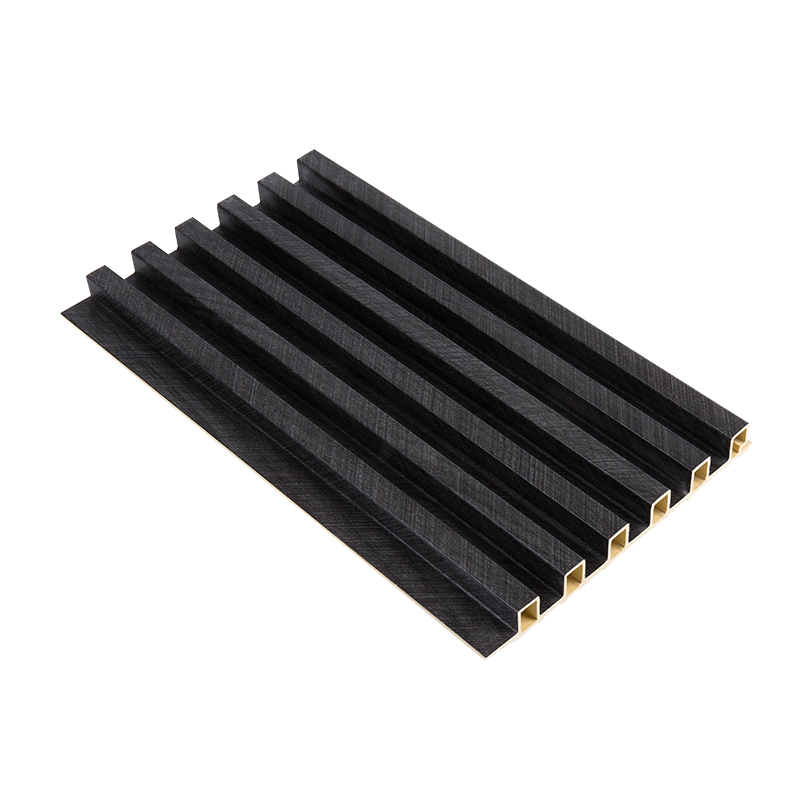
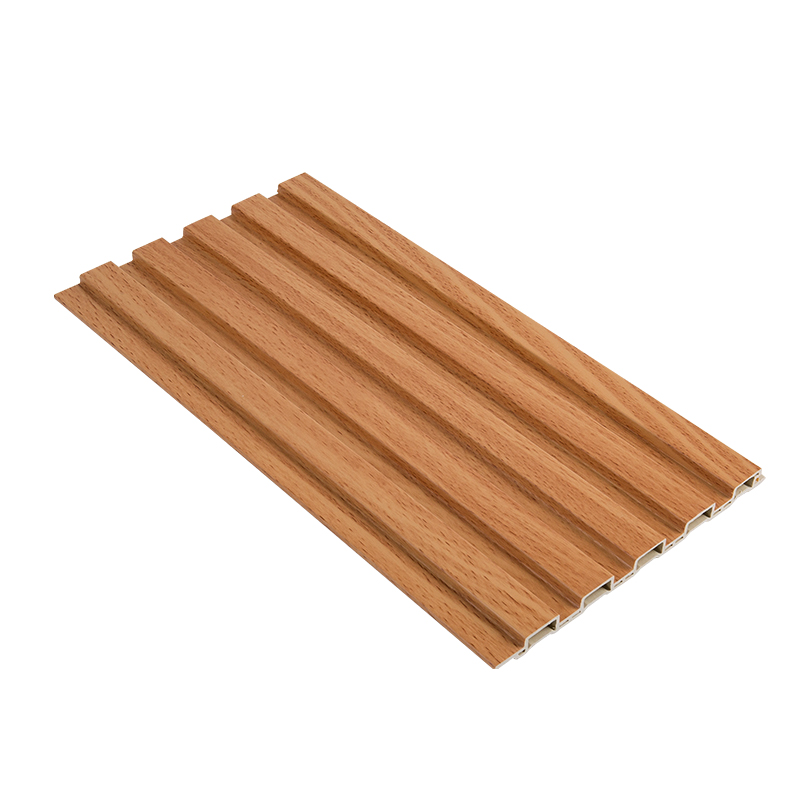
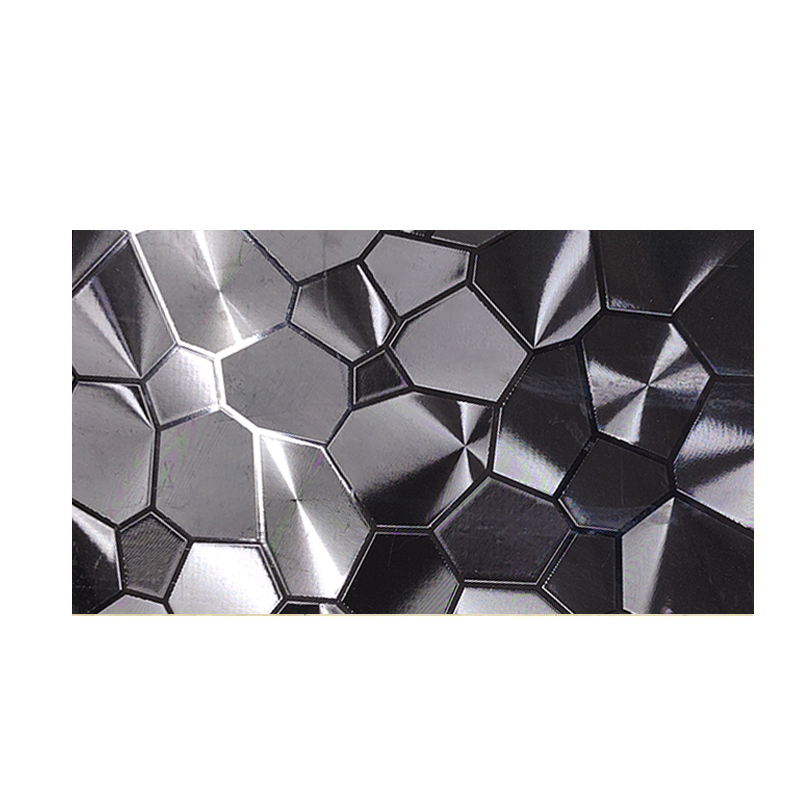 Synthetic Wall Planks - Fade-Proof & Low-Maintenance Interior Cladding Wood PlasHaining Yunxi New Material Technology Co., Ltd Offer Synthetic Wall Planks - Fade-Proof & Low-Maintenance Interior Cladding Wood Plastic ...View Product →
Hollow vs Solid Core: Structural Trade-Offs
Hollow WPC decking is lighter and cheaper per square meter, while solid-core boards resist sagging, carry higher point loads, and allow wider joist spacing. Hollow profiles reduce material cost and shipping weight, which makes them popular for residential balconies and terraces where joists sit at 300mm centers. Solid-core boards use more material and ship heavier, but they earn that cost back through structural reliability on commercial decks where furniture, planters, and groups of people create concentrated loads.
Hollow core
- Lower material cost per square meter
- Lighter freight and easier handling
- Best for residential balconies with 300mm joist spacing
- Thinner walls can crush under point loads
Solid core
- Higher density and point-load resistance
- Allows 400mm joist spacing
- Recommended for commercial terraces and pool areas
- Higher material cost and shipping weight
For commercial projects, the small extra cost of a solid core is the cheapest insurance you will buy. It reduces callbacks for sagging, warping, and fastener pull-out across a multi-year installation.
Before committing to a profile, review the waterproof WPC board guide for outdoor use to understand how core density changes water resistance and installation span.
Co-Extrusion Caps Separate Five-Year Boards from Fifteen-Year Boards
A co-extruded cap is a protective polymer shell fused to the board during extrusion. It blocks UV radiation, limits moisture absorption, and resists staining, and it will determine how the deck looks at year five. Caps on quality decking are typically 0.3 to 1.5mm thick and made from HDPE or ASA compounds engineered for outdoor weathering. Uncapped boards begin to fade and gray within 12 to 24 months of direct sun, while a properly capped board keeps its color and surface integrity for 15 years or more.
Rule of thumb: if the supplier cannot specify the cap layer thickness in millimeters, treat the board as uncapped and price it accordingly.
The same fused-shell principle is what makes co-extruded WPC panels a reliable choice for outdoor surfaces, because the cap removes the two failure modes that shorten deck life: UV fading and moisture ingress. For a deeper look at how the process works, read about co-extrusion technology for outdoor composite panels.
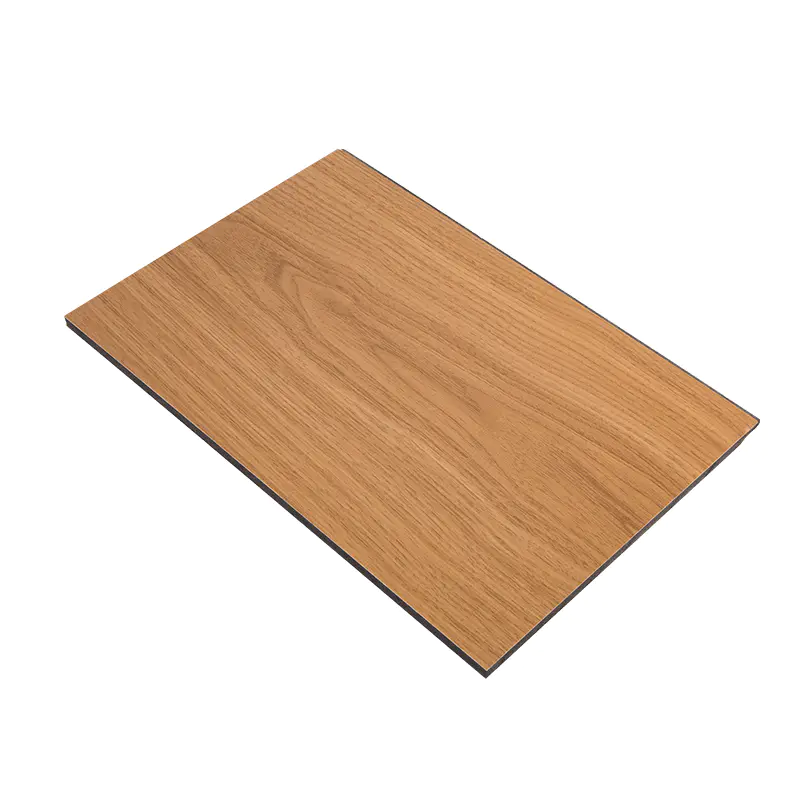 Co-Extrusion Outdoor Composite WPC Panel YXWPC1225-T Manufacturers, FactoryHaining Yunxi New Material Technology Co., Ltd Offer Co-Extrusion Outdoor Composite WPC Panel YXWPC1225-T, We Are China Co-Extrusion Outd...View Product →
Dimensional Tolerances and Installation Systems
Wholesale buyers should verify board width and thickness tolerances before ordering, because a 1mm deviation per board multiplies into visible alignment problems across a full project. Standard WPC decking profiles are 25mm thick and 140 to 160mm wide, with lengths from 2200mm up to 4000mm or longer on custom runs. Equally important are the groove dimensions, because the hidden clip system depends on a consistent groove depth; if the groove varies, boards do not lock up flush and the entire surface develops lippage.
25mm Standard board thickness
+/-0.5mm Tolerance target per board
1mm/m Thermal expansion movement
400mm Max joist spacing, solid core
Always request the tolerance specification in writing. A check of five random boards from your sample lot tells you more about the extrusion line than any product brochure.
Surface Finish, Grain Realism, and Color Consistency
Color consistency across batches is the most common cause of WPC decking complaints, so wholesale orders should be produced from one batch or matched to a documented color standard with a Delta-E tolerance of 2 or less. Embossed grain, brushed textures, and hot-foil transfer are the main surface treatments; each affects how the board reflects light and hides scratches. Ask how many color lots your order will be split across, and request a piece from each lot so you can judge the match before the container ships.
Color drift of more than 2 Delta-E points is visible to the eye on adjacent boards. Insist on a written color-lot tolerance and check it against production samples.
Grain realism matters more than most wholesalers expect. Deep embossing hides foot-traffic wear, while flat, printed grain fades unevenly. Run a fingernail across the sample: a good cap texture has real depth, not just a printed pattern.
Certifications, Testing, and Compliance
Before placing a container order, request third-party test reports covering slip resistance, UV fastness, water absorption, and formaldehyde release. These four tests catch most quality problems before they reach your job site.
- Slip resistance: Pendulum test value of 36 or higher for dry conditions; wet-rated values required for pool surrounds
- Water absorption: below 1 percent by weight for capped boards
- UV fastness: gray-scale rating of 4 or better after accelerated weathering
- Formaldehyde release: E1 or E0 grade if the deck sits near interior spaces
- Fire rating: required for commercial permits in many jurisdictions
Certification is not a formality. In many jurisdictions, a public deck without a documented slip-resistance report is a liability exposure waiting for its first rainy day.
Supplier Verification: Manufacturer vs Trading Company
The most reliable wholesale WPC decking suppliers are manufacturers with in-house extrusion lines, a quality control process, and export experience, not trading companies that relabel another mill's output. Ask for the physical factory address, a factory catalog, and current production photos or video. A supplier that has shipped mixed-container orders to export markets can usually answer freight, packaging, and documentation questions immediately.
- Manufacturing capability: in-house extrusion and a quality control lab
- Minimum order quantity: typically 500 to 1,000 square meters per color
- Sample policy: real production samples, not display boards from another factory
- Lead time: 15 to 30 days of production is the normal range
- Payment terms: 30 percent deposit with T/T is the market standard
A supplier who answers technical questions with specific numbers, cap thickness in millimeters, tolerance in millimeters, batch size in square meters, is a supplier who has measured their process. That is the difference between a component partner and a middleman.
Buyers sourcing outdoor composites from China can evaluate options such as the plastic-wood boards produced by Haining Yunxi New Material Technology Co., Ltd., a manufacturer focused on wood-plastic and PVC surface materials for export projects. The company's delivery and quality assurance practices show what a production-backed supplier can commit to in writing.
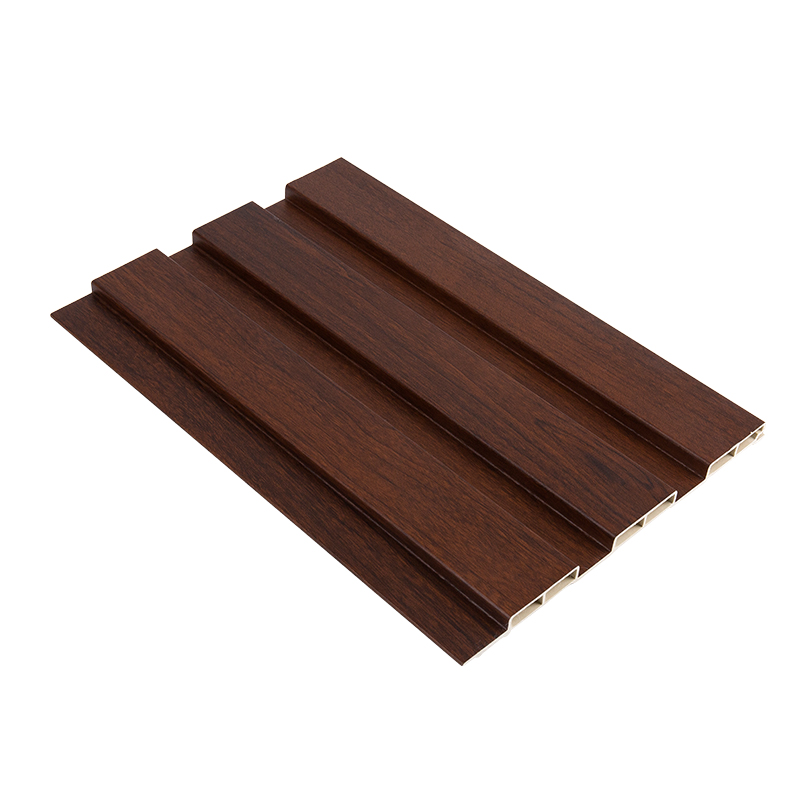
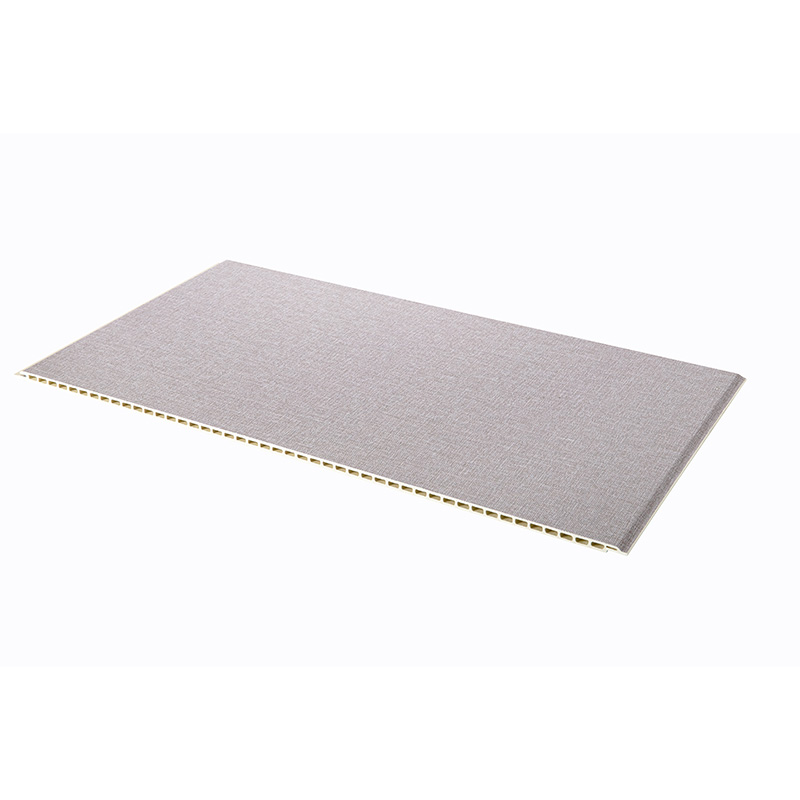 YXWPC409-2 Eco-Friendly Board Wpc Wood Veneer Boards With Wood Texture For HotelHaining Yunxi New Material Technology Co., Ltd Offer YXWPC409-2 Eco-Friendly Board Wpc Wood Veneer Boards With Wood Texture For Hotel/Hou...View Product →
Total Landed Cost: Freight, Tariffs, and Hidden Extras
The per-board price is only one line on the wholesale cost sheet; freight, container utilization, tariffs, and installation waste often add 30 to 50 percent to the landed cost. Compare FOB and CIF quotes carefully: FOB transfers risk at the loading port, while CIF includes freight and insurance, and the gap between them changes with container rates. A 40-foot high-cube container typically holds 1,200 to 1,800 square meters of WPC decking depending on profile geometry, so a board that fits more square meters per container reduces the freight cost per meter.
Expected service life by decking type
A board that is 10 percent cheaper but needs 30 percent more joists, more clips, and an earlier replacement cycle is not cheaper at all. Calculate the installed cost per square meter per year of service life, not the per-board price.
Frequently Asked Questions
What MOQ should I expect when buying WPC decking wholesale?
Most factories set a minimum order of 500 to 1,000 square meters per color and profile. Some manufacturers accept smaller pilot orders, but the per-unit price will reflect the setup and color-change cost, so keep pilot orders separate from your main price negotiation.
How can I verify WPC decking quality before placing a full order?
Request physical samples from the actual production batch, cut through the end to confirm the cap layer thickness, and ask for third-party test reports covering slip resistance, UV fastness, water absorption, and formaldehyde release. Check the cut face for uniform polymer fusion and the surface for consistent grain depth.
Is hollow or solid WPC decking better for commercial projects?
Solid-core boards are the safer choice for commercial terraces, pool surrounds, and walkways because they carry higher point loads and allow wider joist spacing. Hollow boards work for residential balconies with tight joist centers and light traffic.
What documentation should a WPC decking supplier provide?
A professional supplier should provide a specification sheet with polymer and filler percentages, cap layer thickness, dimensional tolerances, load and span tables, test reports, packaging details, and installation instructions. If the supplier cannot produce these documents, treat the quotation as incomplete.
Final takeaway: buy from the manufacturer, verify the cap, and calculate the installed cost per year of service. Wholesale WPC decking then becomes a predictable buying decision instead of a gamble on price.