+86-18367343973

 English
 Español
 عربى
عربى
Article Directory
- 1 Why WPC Decking Problems Follow a Pattern
- 2 Fading and UV Discoloration
- 3 Mold, Mildew, and Algae Growth
- 4 Warping, Sagging, and Thermal Movement
- 5 Scratches, Stains, and Surface Wear
- 6 How to Choose Decking That Avoids These Problems
- 7 A Maintenance Routine That Prevents Most Issues
- 8 Frequently Asked Questions
A composite deck that looks flawless at installation can show chalky streaks by the second summer, dark mold patches in shaded corners by the first rainy season, and a visible sag between joists by year four. These are not random defects. They are the predictable failure modes of wood-plastic composite (WPC) decking, and each one has a known cause and a fix that works. This guide ranks the most common WPC decking problems and explains the material, structural, and maintenance solutions that stop them before they start.
Why WPC Decking Problems Follow a Pattern
WPC decking fails in predictable patterns because its performance is set by four variables: the wood-to-plastic ratio, the presence of a protective cap layer, the joist spacing below the board, and the cleaning routine above it. WPC is typically 50 to 70 percent wood fiber with recycled thermoplastic. The fiber delivers stiffness and grain; the plastic delivers moisture resistance. When an uncapped surface exposes that fiber to sun and rain, fading, mold, and wear follow in a predictable order. A coextrusion cap closes the surface and removes the food source for most of these failures.
Share of reported WPC decking complaints
Illustrative distribution based on installer maintenance records; actual ratios vary by climate, board type, and substructure quality.
Practical rule: choose a coextruded board with a closed cap surface, and design the substructure before you price the deck. The board is one-third of the system; framing, drainage, and gaps are the other two-thirds.
Fading and UV Discoloration
Fading is the most reported WPC decking problem, and the durable fix is a cap layer with UV-stabilized pigment, not a stronger sealant.
Sunlight breaks down the surface polymer and the exposed wood flour under it. Unpigmented plastic turns chalky, and darker boards show the change faster because the contrast reveals pigment loss. A south-facing deck without shade can show visible chalking inside two years. Partial shade makes the visual effect worse because shaded boards hold their color while exposed boards change.
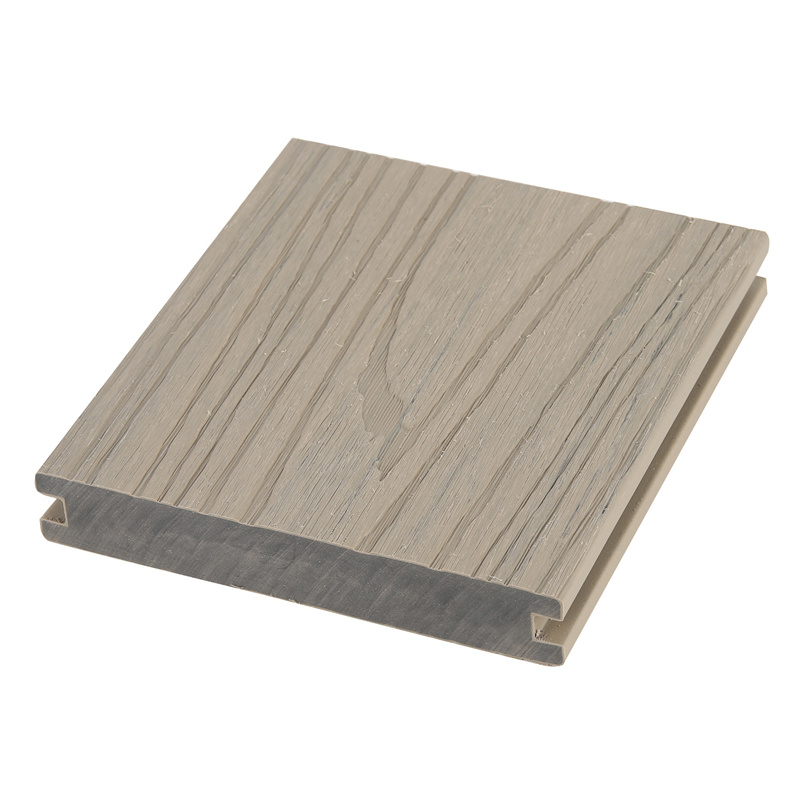
- Specify coextruded boards with an abrasion-resistant cap; the coextruded WPC panels
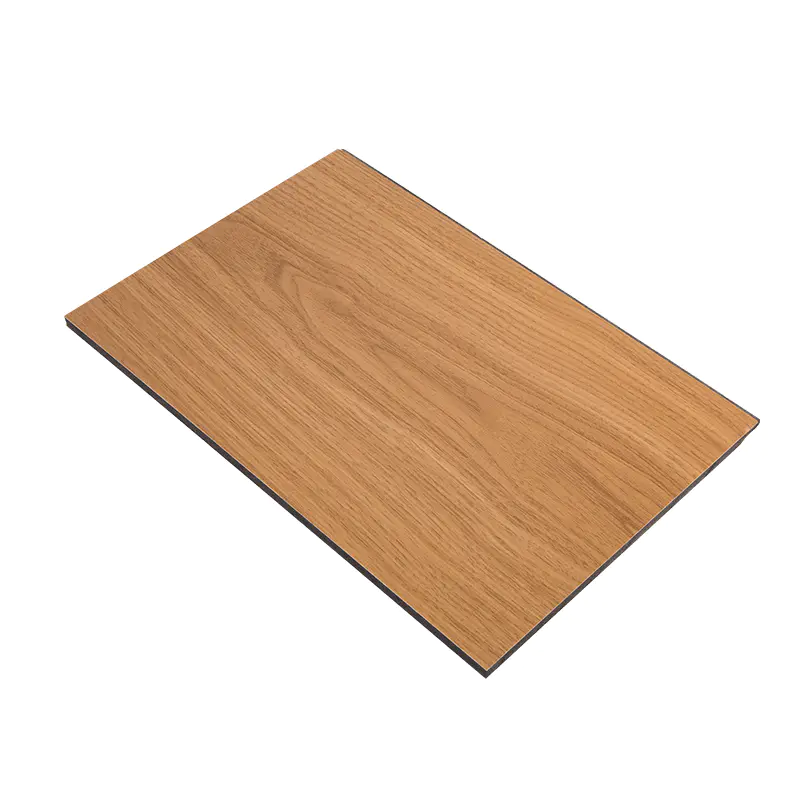 Co-Extrusion Outdoor Composite WPC Panel YXWPC1225-T Manufacturers, FactoryHaining Yunxi New Material Technology Co., Ltd Offer Co-Extrusion Outdoor Composite WPC Panel YXWPC1225-T, We Are China Co-Extrusion Outd...View Product → made by Haining Yunxi New Material Technology Co., Ltd. build the cap into the profile instead of printing it on the surface.
 - Choose lighter wood tones for intense-sun decks; they hide UV change better and run cooler in direct light.
- Clean with a pH-neutral soap. Abrasive pads and chlorine bleach remove the cap and accelerate fading.
- Add shade or verify UV-tested pigments before selecting dark boards for full-sun positions.
Manufacturers use the same coextrusion technology for outdoor composite panels in deck boards, which is why capped profiles dominate quality outdoor lines.
On an uncovered south-facing deck, an uncapped WPC board can show measurable color change in 12 to 24 months. A coextruded cap, with normal cleaning, is designed to hold color for 10 to 15 years.
Mold, Mildew, and Algae Growth
Mold appears on WPC decking where three conditions meet: shade, trapped moisture, and a surface with exposed wood fiber to feed on.
The wood content inside the composite is the food source. On an uncapped board, spores land on a porous surface, water stays inside the grain texture, and a colony forms within weeks. Capped boards remove most of the food source, but even capped decks grow slime in shaded corners where debris collects between boards. Rust stains from untreated fasteners are often misread as mold.
- Keep a 5-millimeter gap between boards so airflow dries the surface.
- Sweep leaves and dirt weekly during humid seasons; decaying debris feeds the colony.
- Deep-clean twice a year with an oxygen-bleach cleaner, never chlorine bleach.
- Confirm the boards are coextruded or fully capped before purchase; this is the most effective mold prevention step.
Stage one
Surface slime forms in the first weeks. Remove it with a soft brush and plain water before it works into the grain.
Stage two
Embedded mold appears as dark lines. Treat with oxygen bleach and a stiff nylon brush; the stain lifts and the cap stays.
Warping, Sagging, and Thermal Movement
WPC boards warp or sag when the framing spacing is too wide, the profile is hollow, or the expansion gap is missing.
Composite boards expand and contract with temperature more than timber. A dark board on a hot afternoon can run 10 to 15 degrees Celsius above air temperature, and that movement must go somewhere. Fitted tight to the house or to each other, boards buckle. Sagging is separate: hollow profiles carry less point load, and joists spaced beyond 400 millimeters allow permanent flex.
| Buckling and tenting | No expansion gap at ends or fixed points | Leave a 5-8 mm gap at ends, edges, and all fixed points |
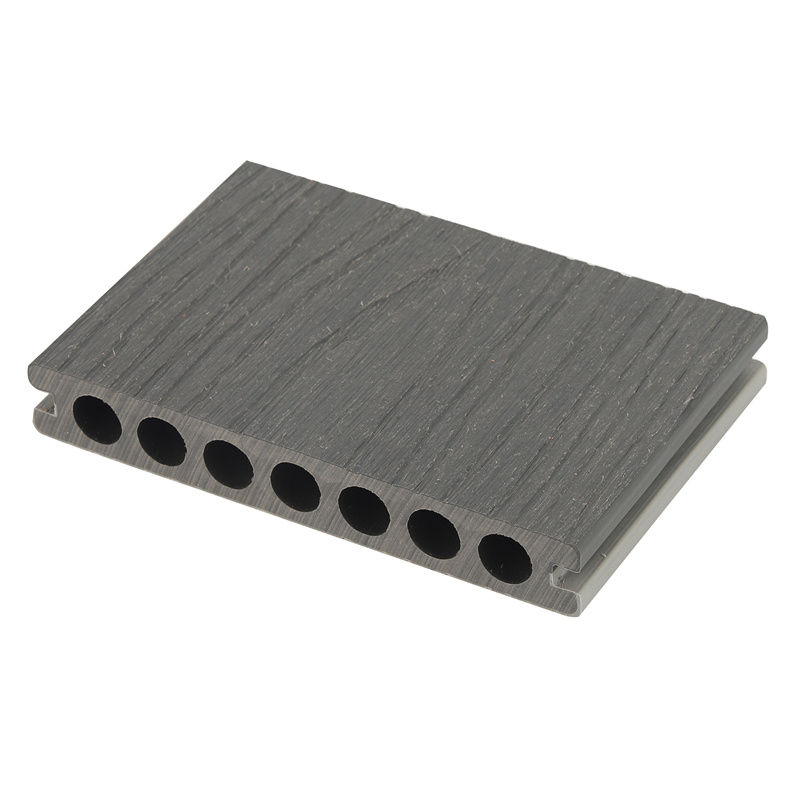
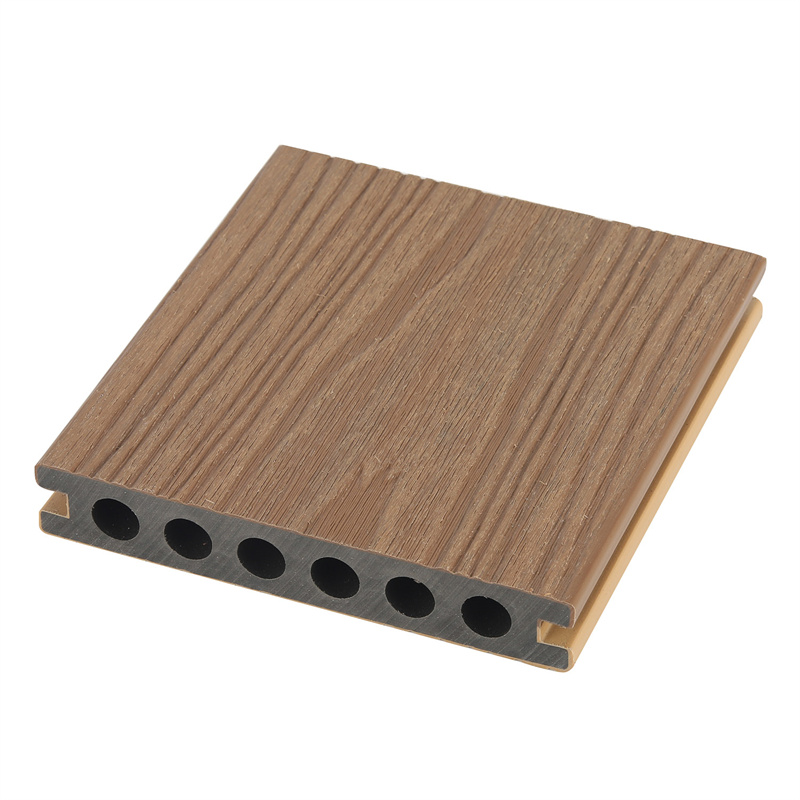
| Sagging between joists | Hollow profile or joist spacing over 400 mm | Use 300-400 mm spacing for hollow boards; switch to solid WPC planksfor wider spans |
| Cupping across the width | Heat difference between the lit surface and the shaded underside | Vent the cavity, use lighter colors, or add under-deck airflow |
| Loose or popping fasteners | Seasonal expansion cycles | Use hidden fasteners that slide inside the board channels |
Expansion is not a defect; it is physics. A three-meter dark deck board can move several millimeters between a cold morning and a hot afternoon. Design the gap into the layout, or the deck will create its own.
Scratches, Stains, and Surface Wear
Scratches and stains are surface problems, which makes them the easiest to prevent and the easiest to fix with the right cleaning chemistry.
WPC is softer than stone or tile, so pet claws, dragged furniture, and dropped tools leave marks. Oil-based stains behave differently: grill grease, sunscreen, and wine seep into an uncapped surface and stay. Pressure washing at close range removes the stain and the cap together, which is a common cause of premature aging.
10-15 yr
color retention expected from a quality coextruded cap
0.5 mm
minimum cap thickness that matters for UV and stain resistance
300-400 mm
joist spacing for hollow boards under normal residential traffic
50-70%
wood fiber share in typical WPC; capped boards handle it safely
- Fit furniture with plastic glides or rubber feet before placing heavy pieces.
- Wipe oil, wine, and sunscreen the same day; dried grease is the most common permanent mark.
- Use a fan-nozzle pressure washer from at least 300 millimeters away.
- Choose matte or textured finishes; they hide light scratches far better than glossy boards.
Most stains are surface-level, not permanent. An oxygen-bleach cleaner removes the stain while protecting the cap; a steel brush removes the stain and the cap at the same speed.
How to Choose Decking That Avoids These Problems
The cheapest repair is the one you prevent at specification time, by comparing cap, core profile, and substructure requirements before any board is purchased.
Buying on color and price alone causes most repeat failures. The profile type decides load capacity, the cap decides fading and mold resistance, and the manufacturer's spacing requirement decides how much framing you need. The same logic applies when you compare materials for surrounding surfaces; how WPC materials compare with traditional timber shows why composite-to-composite matching ages better than mixed-material projects.
Uncapped hollow WPC board
- Lower sheet price, lower load capacity
- Wood flour exposed to UV, water, and spores
- Fading and mold visible within 2 years
- Requires strict 300 mm joist spacing
Capped coextruded WPC board
- Higher sheet price, closed polymer cap
- UV-stabilized surface with stain resistance
- Color and texture stable for a decade or more
- Solid profiles allow wider spacing and heavier loads
Match the deck boards with the surrounding structure. Using composite fence and railing boards from the same material family keeps aging, color, and expansion rates consistent across the whole outdoor area.
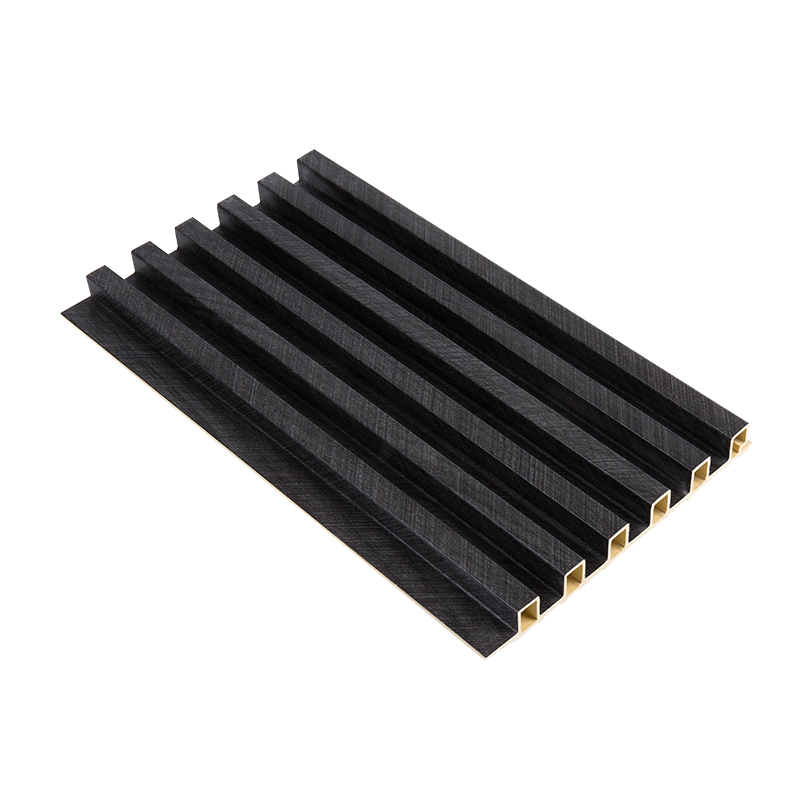
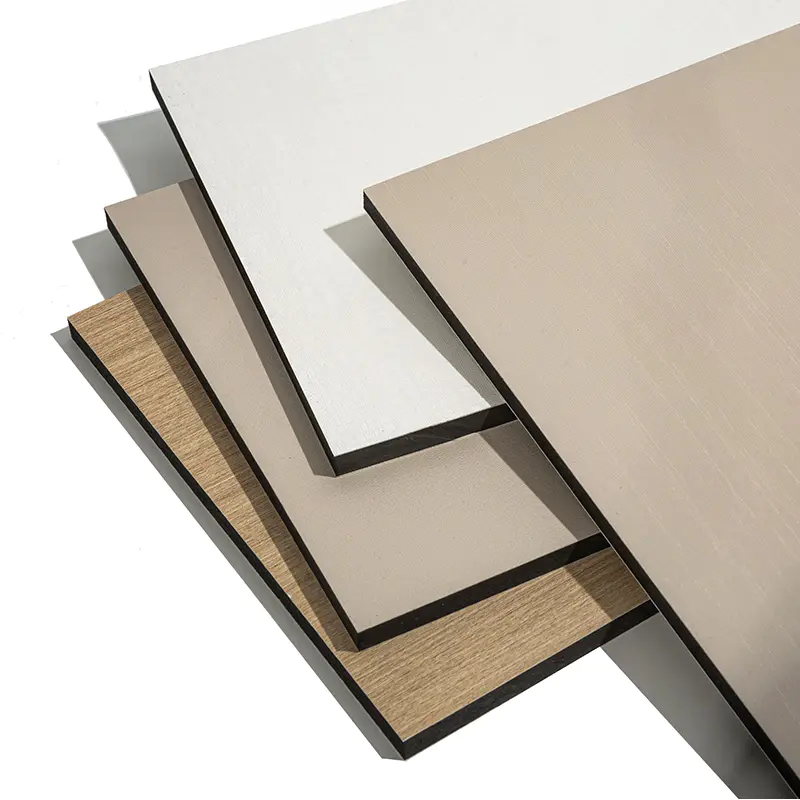 WPC Wall Panels - Moisture-Resistant & Lightweight Interior Cladding YXWPC1225-THaining Yunxi New Material Technology Co., Ltd Offer WPC Wall Panels - Moisture-Resistant & Lightweight Interior Cladding YXWPC1225-T, We...View Product →
Buying rule: compare caps, not colors. Two boards with identical wood-grain printing can differ by ten years of color behavior if one has a cap layer and the other does not.
A Maintenance Routine That Prevents Most Issues
A fifteen-minute routine every other week prevents the majority of WPC decking problems, because most failure modes begin with surface debris, standing water, and clogged gaps.
- Sweep the surface weekly; leaves and dust become a mold food source within days.
- Rinse with a garden hose monthly to keep grain lines and pores clear.
- Deep-clean quarterly with warm water, mild soap, and a soft nylon brush.
- Treat stains the same day; oil, wine, and sunscreen are the most common permanent marks.
- Check gaps and fasteners after the first hot and cold season, and adjust hidden clips if the manufacturer allows it.
For wall and cladding surfaces attached to the same outdoor area, the WPC siding maintenance and lifespan tips follow the same logic: protect the cap, keep gaps clear, and clean with the mildest effective chemistry.
Owners who keep a four-clean-cycle-per-year schedule replace boards less often than owners who clean only before summer parties. Maintenance is cheaper than replacement by an order of magnitude.
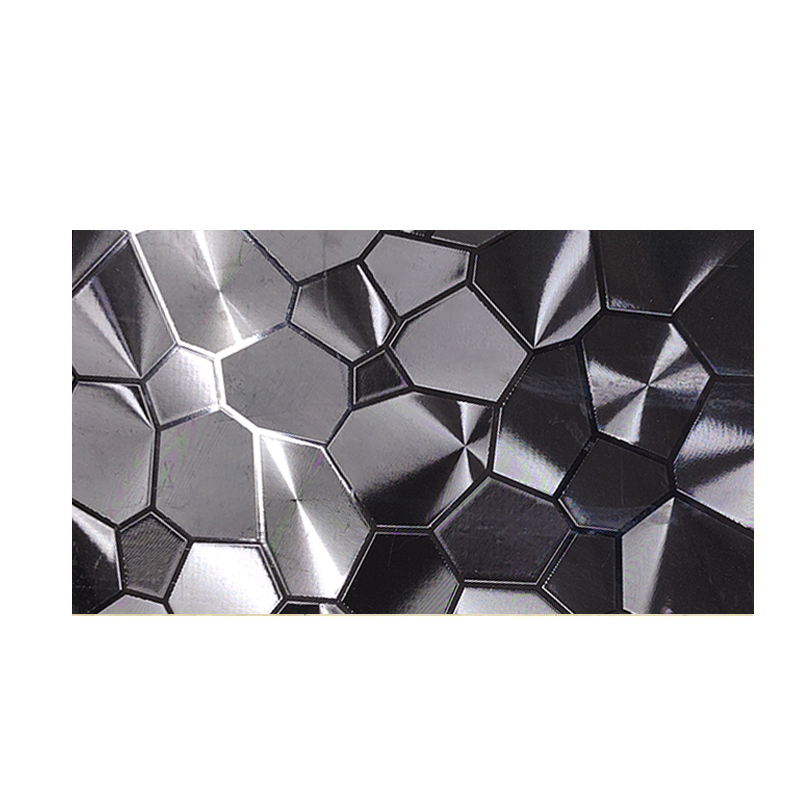 Synthetic Wall Planks - Fade-Proof & Low-Maintenance Interior Cladding Wood PlasHaining Yunxi New Material Technology Co., Ltd Offer Synthetic Wall Planks - Fade-Proof & Low-Maintenance Interior Cladding Wood Plastic ...View Product →
Frequently Asked Questions
How long does WPC decking last?
Uncapped WPC decking typically lasts 8 to 12 years before fading, mold, or surface wear becomes obvious. Coextruded, fully capped boards are commonly rated for 15 to 25 years of service when the substructure, gaps, and drainage are built correctly.
Can I pressure wash WPC decking?
Yes, with distance and angle. Use a fan nozzle at least 300 millimeters from the surface, and never aim the stream at the edge of a board. Concentrated pressure erodes the cap and reopens the surface to water.
Why is my WPC decking moldy if it is plastic?
Because WPC is not fully plastic. The wood fiber becomes a food source when the surface is porous or scratched. Capped boards, wider gaps between boards, and airflow under the deck eliminate most mold growth.
Is hollow or solid WPC decking better?
Solid boards carry heavier point loads and sag less over wider joist spacing. Hollow boards are lighter, cheaper, and acceptable for residential decks with 300-400 millimeter joist spacing, but they should not be used where heavy planters or furniture concentrate load.
Final takeaway: treat a deck as a system of board, framing, and gaps. Owners and procurement teams who control all three get the full service life of a coextruded WPC product.