+86-18367343973

 English
 Español
 عربى
عربى
Article Directory
- 1 Track Labor-Hours per 100 Square Meters
- 2 Specify Boards That Cut Adjustment Time
- 3 Level the Substructure First
- 4 Switch to Hidden Fasteners
- 5 Cut in Batches, Not Board by Board
- 6 Run the Crew in a Fixed Sequence
- 7 Compare Fastening Methods Before You Quote
- 8 Frequently Asked Questions on WPC Decking Installation Efficiency
A two-person crew installing WPC decking with pre-drilled face screws typically spends 8 to 9 labor-hours per 100 square meters. Move that same crew to a hidden clip system on a level joist bed, and the job drops to 5.5 to 6 hours. The difference is not worker speed; it comes from material selection, fastening method, and job-site sequencing. Contractors who quote multiple outdoor projects per season feel this gap directly in their margins.
Track Labor-Hours per 100 Square Meters
Installation efficiency, measured in labor-hours per 100 square meters, is the total time spent staging, cutting, fastening, and adjusting divided by the installed deck area. This single metric tells you whether a change in tools, materials, or crew structure actually improves the job.
Crews often judge productivity by boards installed per day, but that number hides cutting time, material handling, board adjustments, and rework. Labor-hours per 100 square meters captures every stage and lets you compare results across projects, crews, and fastening systems. Track the split between four activities on your next job:
- Board transport and staging
- Substructure check and leveling
- Cutting and fitting
- Fastening and gap alignment
Substructure preparation and fastening usually absorb more than half of the total labor. These are also the two areas where a method change produces the fastest payoff.
Realistic target: moving from pre-drilled face screws to a hidden clip system typically saves 1.5 to 2.5 labor-hours per 100 square meters, roughly 25 to 40 minutes of direct labor for every 10 square meters of deck.
Specify Boards That Cut Adjustment Time
Board profile and surface construction determine how much time your crew spends aligning, cutting, and correcting, so choosing the right WPC board is an efficiency decision, not just a material decision.
Dimensional consistency is the first thing to check. Boards with a thickness tolerance within 0.5 mm align faster and eliminate the need for shims on a level joist bed. A coextrusion WPC panel with a dense outer skin reduces water absorption and keeps boards stable across temperature swings, which means fewer gaps to adjust after installation. The coextrusion technology advantages explain why that outer skin matters for long-term outdoor performance.
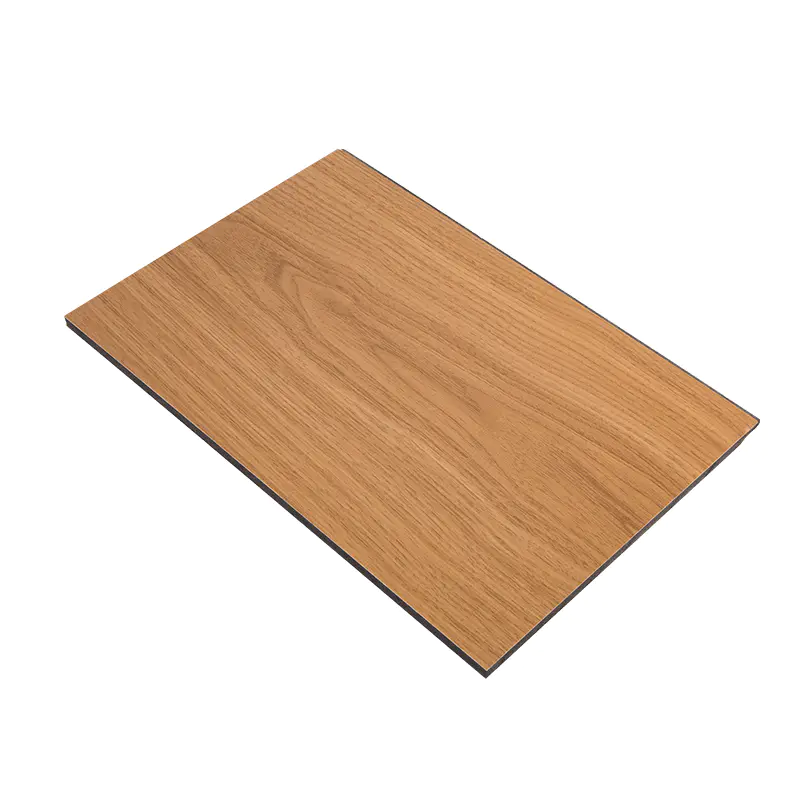 Co-Extrusion Outdoor Composite WPC Panel YXWPC1225-T Manufacturers, FactoryHaining Yunxi New Material Technology Co., Ltd Offer Co-Extrusion Outdoor Composite WPC Panel YXWPC1225-T, We Are China Co-Extrusion Outd...View Product →
For projects where budget is the main constraint, a standard wood plastic composite board is easier to cut and work with as long as the substructure is straight and board width is consistent across the delivery. Before ordering, review the outdoor WPC board guide to match hollow or solid construction to the project, because the two profiles need different joist spacing. When you order from a manufacturer such as Haining Yunxi New Material Technology Co., Ltd., ask for batch-level dimension data and a production sample before confirming the delivery date.
 Synthetic Wall Planks - Fade-Proof & Low-Maintenance Interior Cladding Wood PlasHaining Yunxi New Material Technology Co., Ltd Offer Synthetic Wall Planks - Fade-Proof & Low-Maintenance Interior Cladding Wood Plastic ...View Product →
Verify These Points Before the Boards Arrive
- Thickness tolerance within 0.5 mm across the whole batch
- Groove depth matches the clip or fastening profile you plan to use
- Surface finish does not require sanding or sealing on site
- Edges are clean-cut, with no visible twist or bow in the first two boards checked
Order a sample from the same production batch as the full delivery. Color matching is not enough; verify width, thickness, and groove dimensions against your fastening profile before the crew mobilizes.
Level the Substructure First
A level joist system at the correct spacing is the fastest installation aid you can provide, because board adjustment stops before it starts.
The joist bed decides the final surface. Solid WPC boards typically support joist spacing up to 400 mm, while hollow profiles require 300 mm spacing. Setting a hollow board on 400 mm centers produces bounce, re-cutting, and callbacks. Follow the product datasheet, not a habit.
- Set and level the joist bed with a maximum deviation of 3 mm over 3 m; use laser leveling so the crew does not adjust boards later.
- Space the joists by board profile: 400 mm for solid boards, 300 mm for hollow boards.
- Place a cutting station 2 to 3 m from the install area with a dedicated saw table and a fine-tooth carbide blade.
- Stack boards in small bundles beside the joist bed so the crew never walks more than a few steps for the next board.
A straight substructure is worth more than a faster fastener. Every millimeter of joist deviation becomes a shim, a re-cut, or a visible gap that costs 10 to 15 minutes to fix.
For edge treatments and fixing details around fascias and skirt boards, the outdoor WPC panel installation guide covers substrate checks and edge preparation that apply to decking perimeter work.
Switch to Hidden Fasteners
Hidden clip systems cut fastening time by up to 40 percent compared to face screws, because they remove measuring, pre-drilling, and screw alignment from the workflow.
Face screw method
- Pre-drilling needed at every joist to avoid edge cracking
- Screw alignment checked board by board
- Gap width varies with operator skill
- 7 to 9 labor-hours per 100 square meters
Hidden clip method
- No pre-drilling; clips set the gap automatically
- Consistent 4 to 5 mm gap across the deck
- New crew members learn the rhythm quickly
- 5.5 to 6.5 labor-hours per 100 square meters
A collated screw gun makes face screwing faster than manual pre-drilling, but it still depends on operator experience. Hidden clips remove that dependency. On commercial decks where crew members rotate between phases, clips produce a more predictable result.
Average labor-hours per 100 square meters for a two-person crew; lower is better.
For a 60 square meter residential deck, this chart means the hidden clip method saves roughly 1.5 to 2.5 hours of crew time compared with pre-drilled face screws, before any difference in callbacks is counted.
Cut in Batches, Not Board by Board
Most avoidable time loss on a WPC decking job happens at the cut station, because cutting decisions are made one board at a time instead of once for the whole deck.
Before the first board is placed, measure the deck layout and write a cut list. Boards running from the house wall to the rim joist share a common length. Batch-cutting them removes repeated tape pulls and saw setup changes.
- Cut all end pieces first, then full-length boards, then the final trim row
- Use a 60-tooth carbide-tipped blade; an alternating top bevel grind reduces edge splintering and prevents re-cuts
- Check each board for visible defects before cutting, so a rejected board does not stall the row
- Keep a small waste bin at the cut station and clear it at the end of each phase
Cut 5 to 10 percent extra length on the first board of every new row. You can trim it to fit instead of walking the board back to the saw when a joist falls slightly out of alignment.
Run the Crew in a Fixed Sequence
A two-person crew operating in a fixed sequence of stage, cut, fasten, and adjust sustains 40 to 60 square meters per day with a hidden clip system.
When both workers do every task together, the job slows to the pace of the slowest shared step. A fixed sequence gives each person a clear role and removes decisions at the board face.
40-60 m2Sustained daily output for a two-person crew
2-person crewOne fastens while the other stages and cuts
30-40%Typical time saving from hidden clips over face screws
3 mmMaximum joist deviation before rework becomes necessary
Role separation also improves quality control. The person who cuts inspects every board for defects; the person who fastens verifies gap width and screw placement. This double-check pattern prevents a problem board from being discovered after the row is locked in.
Compare Fastening Methods Before You Quote
Use the table below to compare the three common fastening methods across the metrics that directly affect labor cost and callbacks.
| Method | Labor per 100 m2 | Pre-drilling | Gap control | Skill needed |
| Face screw with pre-drill | 8.5-9.5 h | Required | Variable | Moderate |
| Collated face screw | 7.0-8.0 h | Not required | Variable | High |
| Hidden clip system | 5.5-6.5 h | Not required | Automatic | Low to moderate |
When preparing a bid, add the fastening method to the labor line item, not the material line. A hidden clip system costs slightly more per square meter but reduces crew hours, which usually lowers the total installed cost.
Frequently Asked Questions on WPC Decking Installation Efficiency
What is the fastest way to install WPC decking?
A hidden clip system on a level, correctly spaced joist bed is the fastest method for most crews. It eliminates pre-drilling, sets the gap automatically, and lowers the skill required for consistent results. Expect 5.5 to 6.5 labor-hours per 100 square meters.
Hidden clips typically save 30 to 40 percent of fastening time compared with pre-drilled face screws. On a 50 square meter deck, that translates to roughly 1.5 to 2 hours of direct labor.
What joist spacing is required for hollow and solid WPC boards?
Solid WPC boards generally support joist spacing up to 400 mm, while hollow boards require 300 mm. Commercial decks with heavier foot traffic should use the tighter spacing recommended in the product datasheet.
Do WPC decking boards need to acclimate before installation?
Yes. Store the boards in the installation area for 24 to 48 hours before cutting and fastening. This lets the boards stabilize to the local temperature and reduces end gapping after installation.