+86-18367343973

 English
 Español
 عربى
عربى
Article Directory
- 1 What Defines a Reliable WPC Hollow Decking Manufacturer
- 2 Inspect the Hollow Profile and Wall Thickness
- 3 Verify Material Formulation and Co-Extrusion Capability
- 4 Demand Test Reports, Samples, and Batch Traceability
- 5 Check Customization, MOQ, and Logistics
- 6 Red Flags and a Screening Checklist
- 7 Frequently Asked Questions
Two quotes for the same-looking WPC hollow decking can differ by 40 percent, and the cheaper board is usually the one that sags between joists by its third summer. Hollow wood-plastic composite decking is a profile business: wall thickness, polymer grade, and the outer cap layer decide whether a deck survives five years or twenty-five. Choosing a reliable WPC hollow decking manufacturer means checking those variables at the factory, not on the brochure.
What Defines a Reliable WPC Hollow Decking Manufacturer
A reliable WPC hollow decking manufacturer controls extrusion, material formulation, and quality testing in its own production facility rather than assembling bought-in profiles in a warehouse.
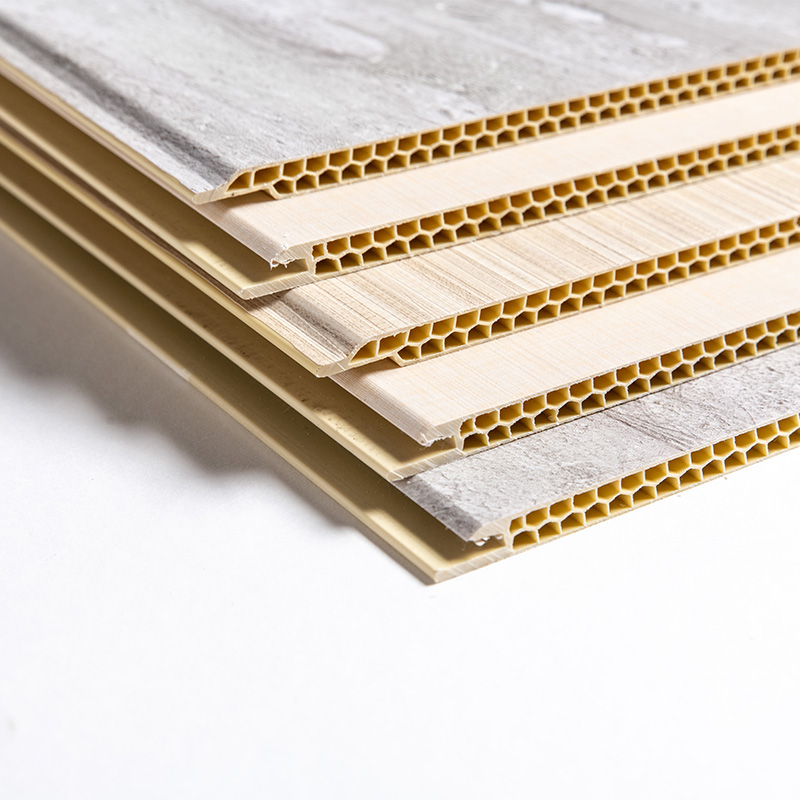
WPC hollow decking is a wood-plastic composite board with internal void chambers running the full length of the profile, extruded from wood or bamboo fiber mixed with thermoplastic polymer, usually HDPE or PP. The hollow chambers lower cost and weight, but they shorten the load path, so small differences in wall design and compound quality become visible quickly in the field.
"What is WPC hollow decking?" It is a hollow-profile wood-plastic composite board formed by extruding wood or bamboo fiber with thermoplastic polymer, where strength comes from the profile geometry and the outer skin rather than from solid mass.
Demand a manufacturer that can document the whole chain. Haining Yunxi New Material Technology Co., Ltd., a surface-material maker with in-house development and production, organizes its WPC, PVC, SPC, and flexible stone lines under model numbers such as the YXWPC series, which is the traceability a buyer should expect. A supplier that cannot show its own extrusion line will rarely explain why its board uses a 3 mm wall instead of 4 mm. Compare the factory-backed product range before you compare prices.
Inspect the Hollow Profile and Wall Thickness
Profile geometry is the first point of failure on hollow decking, so verify wall thickness with calipers instead of trusting the specification sheet.
Quality hollow WPC decking normally carries a wall thickness of 3 to 5 mm on the top and side walls. Below 2.5 mm, the board loses flexural strength and screw-holding capacity, and the hollow chambers can deform near joists under summer heat. Ask for a cross-section drawing, then measure a cut sample. Multi-chamber profiles distribute point loads far better than a single wide void.
| Parameter | What to verify | Why it matters |
| Wall thickness | 3-5 mm measured by caliper | Prevents sagging, cracking, screw pull-out |
| Density | 0.55-0.75 g/cm3 for hollow profiles | Balance of stiffness and board weight |
| Modulus of rupture | 18 MPa or higher, ASTM D7032 | Defines load capacity at span |
| Moisture absorption | Below 1% after 24 hours immersion | Limits swelling, mold, frost damage |
| Coextrusion cap | 0.2-0.5 mm outer layer | Protects UV and stain resistance |
| Thermal expansion | 4.5 x 10⁻⁵ mm/mm per degree C or lower | Keeps board gaps stable across seasons |
Verify Material Formulation and Co-Extrusion Capability
The ratio of wood fiber to polymer, plus the additive package, determines long-term performance more than any other factor.
Standard hollow decking compounds hold roughly 50 to 60 percent wood or bamboo fiber, with the balance made up of polymer, coupling agents, pigments, and stabilizers. Too much fiber lowers cost but makes the board brittle; too little polymer reduces impact strength. A reliable manufacturer states the compound ratio and provides a formulation certificate.
Coextrusion: the cap layer question
The most important upgrade is a coextruded cap layer, a 0.2 to 0.5 mm outer skin with a high concentration of UV absorbers and anti-oxidants, fused to the core in the same production line. Boards with a cap layer keep color and gloss far longer than single-layer extrusions. The same inline process used for coextruded WPC composite panels transfers directly to decking profiles.
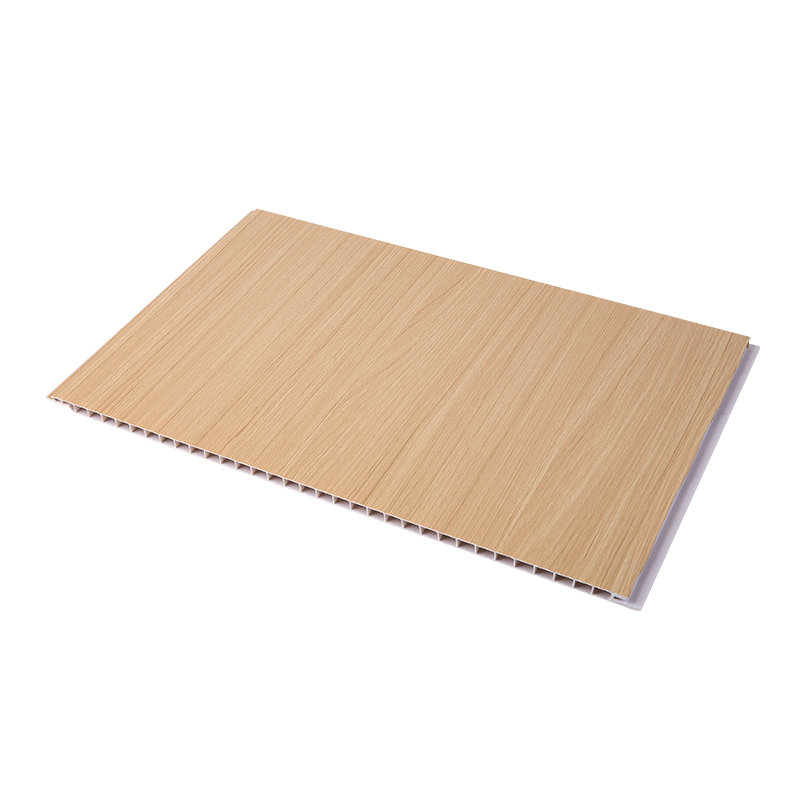
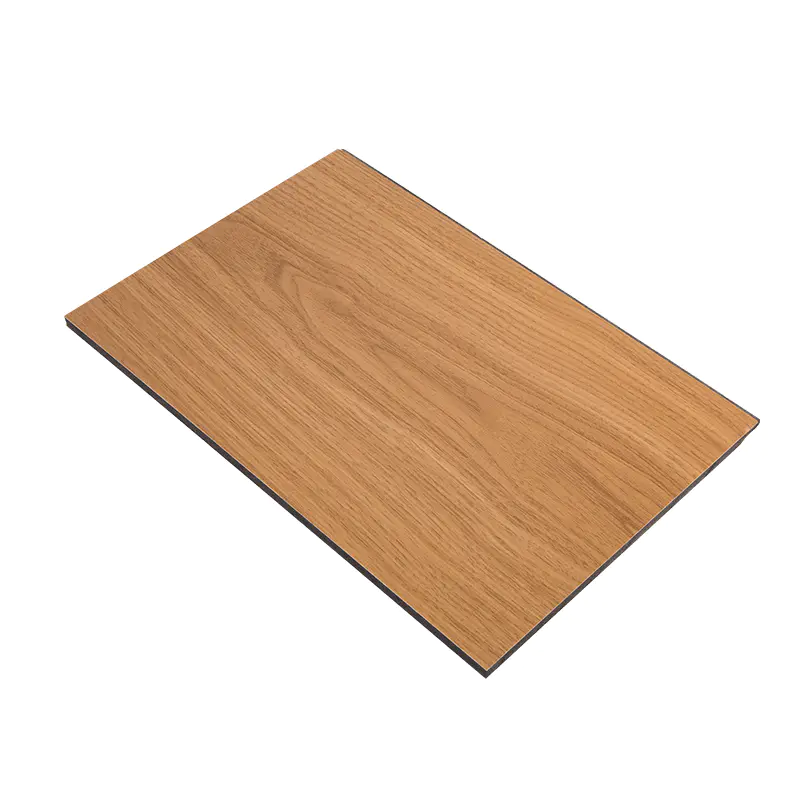 Co-Extrusion Outdoor Composite WPC Panel YXWPC1225-T Manufacturers, FactoryHaining Yunxi New Material Technology Co., Ltd Offer Co-Extrusion Outdoor Composite WPC Panel YXWPC1225-T, We Are China Co-Extrusion Outd...View Product →
- Wood-to-polymer ratio in percentage, and whether the polymer is virgin or recycled
- UV stabilizer type and loading in the cap layer formulation
- Coupling agent and moisture-resistant additives in the core compound
- Color masterbatch source, so reorders match after months of production
Coextrusion is the strongest signal of production maturity. A manufacturer that runs inline cap-layer extrusion for its outdoor range applies the same discipline to decking profiles.
For the technical background, read more about coextrusion technology for outdoor composite panels.
Demand Test Reports, Samples, and Batch Traceability
Documented quality control, not verbal promises, separates a manufacturer from an assembler.
Independent test data should cover flexural strength and modulus, slip resistance of 0.42 or higher in wet conditions, UV aging of 1000 to 2000 hours, moisture absorption, and freeze-thaw cycling for colder climates. Ask where the tests were performed and request the report number. In-house model numbers such as the YXWPC series across the Yunxi wood-plastic board range allow every delivery to be traced to a batch.
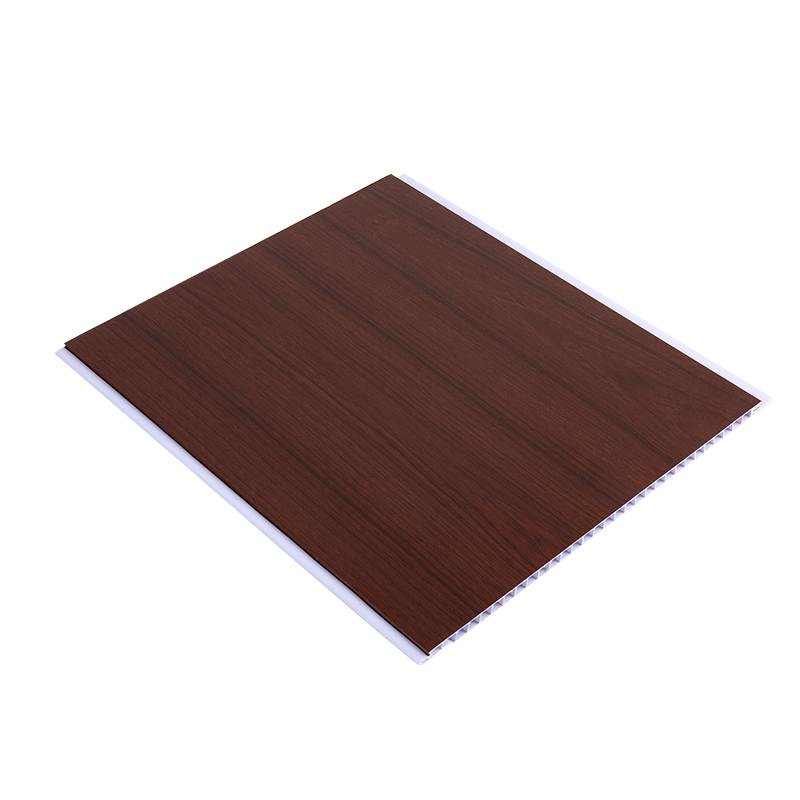
 Synthetic Wall Planks - Fade-Proof & Low-Maintenance Interior Cladding Wood PlasHaining Yunxi New Material Technology Co., Ltd Offer Synthetic Wall Planks - Fade-Proof & Low-Maintenance Interior Cladding Wood Plastic ...View Product →
Benchmarks a production factory can meet and document
Wall thickness
Density
Moisture absorption
UV aging test
Thermal expansion
Factory-direct manufacturer
- Own extrusion lines and compound lab
- Can adjust formulation and cap layer
- Provides batch traceability and model numbers
- Sends cut samples from current production
Trading company or assembler
- Resells profiles from multiple sources
- Cannot change what is printed on the box
- Offers vague "composite material" descriptions
- Sends samples from a different factory
Test reports are useful only when linked to a batch. If the supplier cannot name the production date, the line, and the formulation of the boards you are buying, the report describes some other product.
Before comparing delivery terms, check the waterproof WPC board buying guide and confirm which boards suit the outdoor environment in your project region.
Check Customization, MOQ, and Logistics
Custom colors, embossing, and cut lengths are available only from a supplier that owns the extrusion tooling.
A solid manufacturer can produce custom wood-grain embossing rolls, match a client's color card, and cut board lengths to the project plan. Minimum orders typically start at one 20-foot container, and lead times run 20 to 35 days after deposit, depending on color changeover. Confirm packaging: boards shrink-wrapped and palletized in a frame reduce transit chafing and edge damage.
If the same manufacturer also produces outdoor composite fence boards and other extruded profiles, the compounding department is stable enough to feed multiple lines, which lowers the risk of raw material substitution in your order.
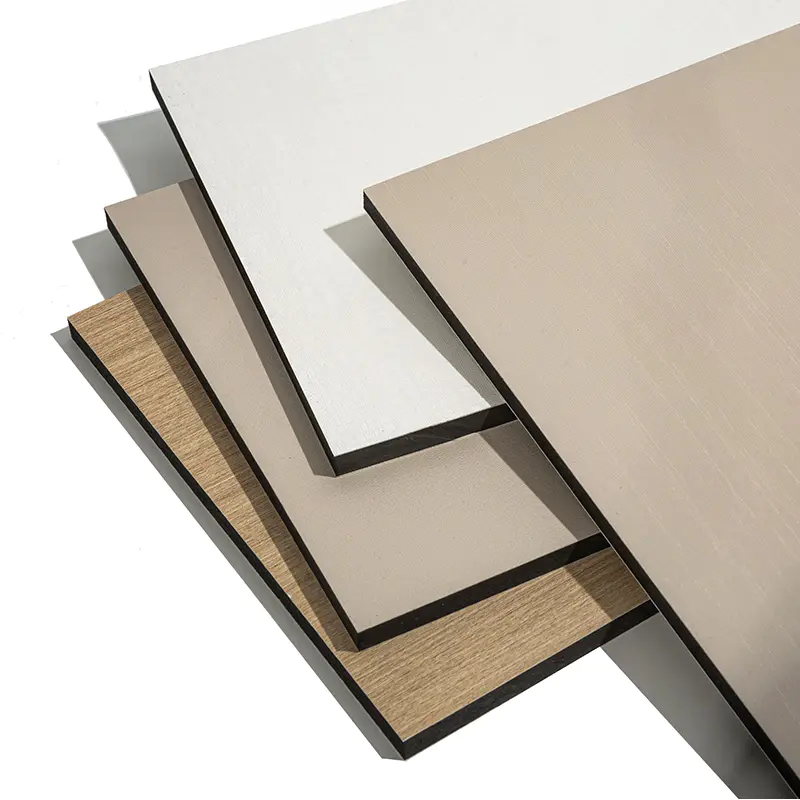 WPC Wall Panels - Moisture-Resistant & Lightweight Interior Cladding YXWPC1225-THaining Yunxi New Material Technology Co., Ltd Offer WPC Wall Panels - Moisture-Resistant & Lightweight Interior Cladding YXWPC1225-T, We...View Product →
Red Flags and a Screening Checklist
A few documented signals filter out most unreliable suppliers before a deposit is placed.
Warning signs
- No verifiable factory address or refusal of a live video audit
- Price 30 percent or more below the market average
- Unable to state wall thickness without checking with sales
- No batch traceability, model numbers, or production dates
- Warranty limited to product replacement, excluding installation and logistics
- Samples visibly heavier or thicker than the production boards
Due diligence sequence
- Request a cross-section drawing and a cut sample
- Confirm wall thickness and density with a caliper and a scale
- Review independent test reports dated within two years
- Run a live video audit of the extrusion line
- Check the container loading plan and packaging specification
- Sign a warranty covering replacement and structural performance
2.5 mmMinimum wall thickness to accept
0.55 g/cm3Minimum density for hollow profiles
1000 hMinimum UV aging test duration
15 yrTypical residential warranty coverage
Order pre-production samples from the same batch that will be shipped, and compare their weight and cross-section against the approved drawing before releasing the balance payment.
Frequently Asked Questions
Is hollow WPC decking as strong as solid WPC decking?
Hollow WPC decking is designed for the same joist spans as solid board when the wall thickness and chamber geometry are correct. Quality hollow profiles with 3 mm or thicker walls pass the same flexural tests. Follow the manufacturer's span table for the specific profile.
What lead time should I expect for a container of WPC hollow decking?
Twenty to thirty-five days after deposit is a normal range for a 20-foot or 40-foot container with an established color and embossing. Custom colors add five to ten days, so confirm color approval before production starts.
How do I verify a manufacturer actually produces the boards it sells?
Ask for a live video audit of the extrusion line, the compounding area, and the warehouse, then compare the sample's model number and density with the production plan. A manufacturer such as Haining Yunxi New Material Technology Co., Ltd. that runs its own lines can name the equipment and formulation without a third party.
What warranty should a reliable WPC hollow decking manufacturer offer?
Expect 10 to 15 years of residential coverage and 5 to 10 years of commercial coverage on structural integrity, with specific terms for fading and staining. Avoid a warranty that only replaces boards and leaves transportation and installation labor on the buyer.