+86-18367343973

 English
 Español
 عربى
عربى
Article Directory
Your 320 sq ft rooftop deck faces southwest, takes direct sun from late morning until sunset, and sits high enough to catch salt air. The quote comes back at $6.20 per square foot for capped wood-plastic composite and $8.70 for capped PVC. Both boards outlast pressure-treated timber, but they fail differently in heat, humidity and foot traffic. Choosing by price alone usually means paying for that decision every summer afterward.
1. What WPC and PVC decking are made of
WPC decking is a wood-plastic composite that blends wood fiber with recycled thermoplastics, while PVC decking is a fully synthetic board with no wood content at all.
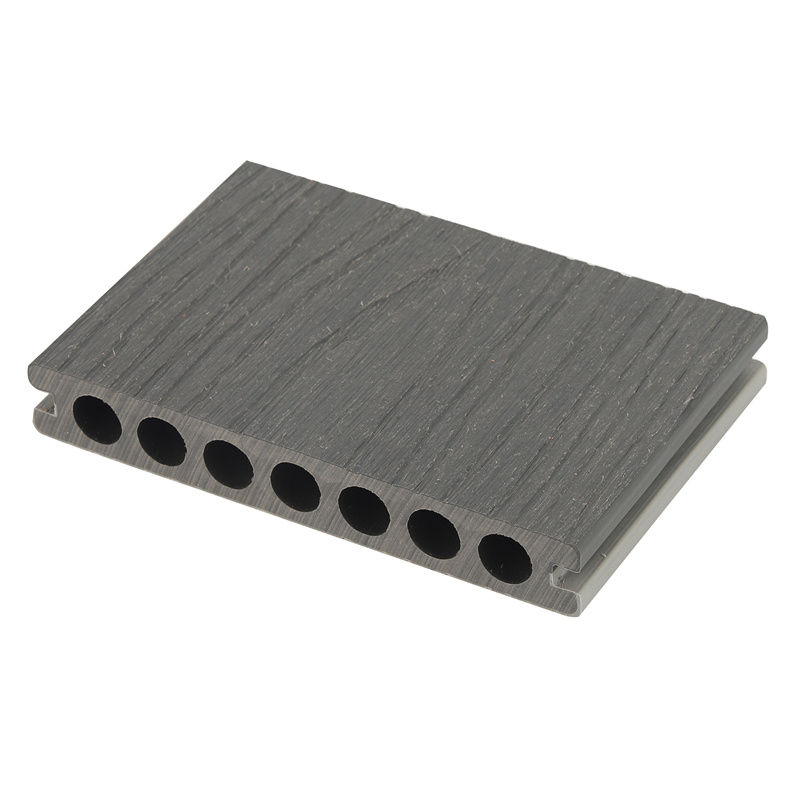
Core definition: WPC (wood-plastic composite) contains 40 to 60 percent wood fiber bound with polyethylene or polypropylene resin. PVC (polyvinyl chloride) decking mixes PVC resin with calcium carbonate filler, impact modifiers and stabilizers, extruded as hollow or solid profiles.
The wood fiber in WPC produces a natural wood-grain texture and keeps the surface cooler underfoot, but it introduces two weaknesses: the core absorbs 1 to 3 percent moisture by weight, and in shaded, humid corners the exposed fiber can support surface mold once the protective cap wears. PVC's mineral-filled core stays close to zero moisture absorption, so swelling, mold and freeze-thaw damage are structurally unlikely. The trade-off is that the denser PVC surface runs hotter in direct sun and reads slightly more slippery when wet.
Capping changes the comparison more than the base material does. Co-extrusion fuses a dense polymer shell around the core on both WPC and PVC boards, and that cap determines stain, fade and scratch performance for the life of the board. The same shell-and-core logic transfers to vertical cladding: Haining Yunxi New Material Technology Co., Ltd. builds co-extruded WPC exterior panels that use the identical capped construction, and this guide to co-extruded WPC panel technology for outdoor spaces explains how the cap compound is matched to UV exposure.
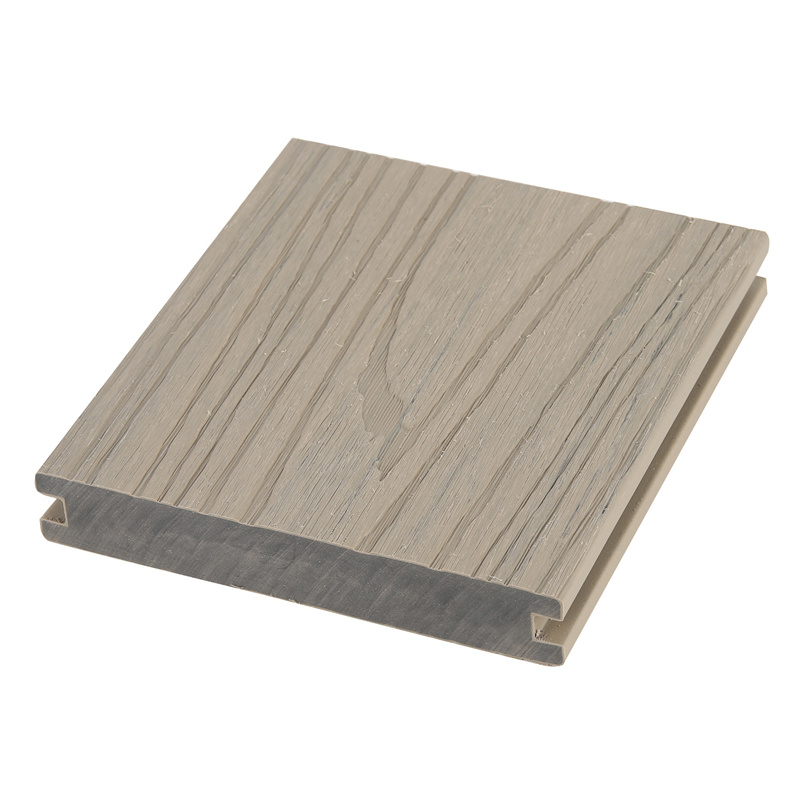
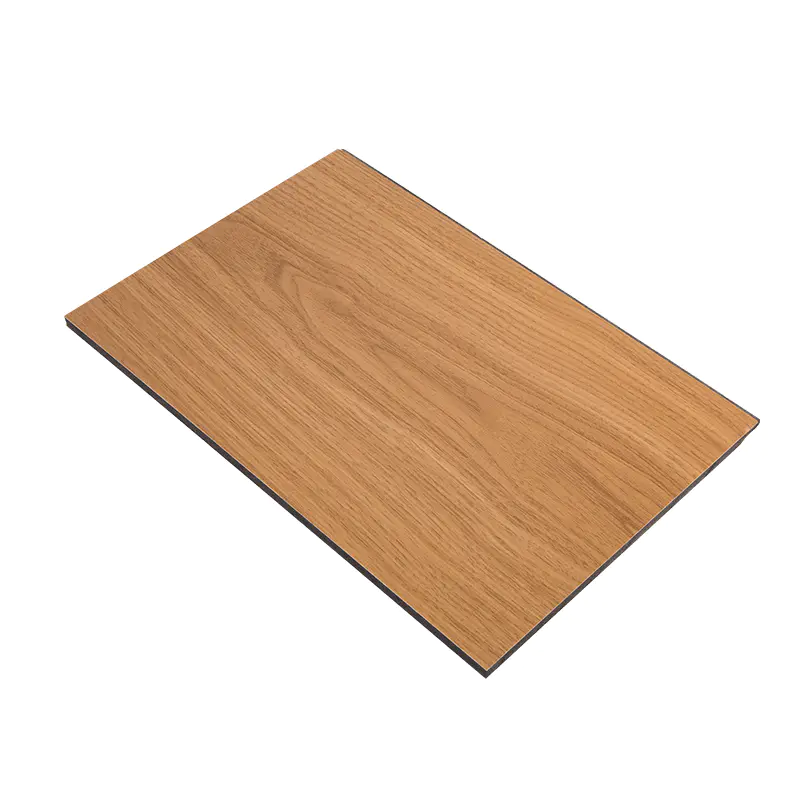 Co-Extrusion Outdoor Composite WPC Panel YXWPC1225-T Manufacturers, FactoryHaining Yunxi New Material Technology Co., Ltd Offer Co-Extrusion Outdoor Composite WPC Panel YXWPC1225-T, We Are China Co-Extrusion Outd...View Product →
2. Heat, moisture and UV: where the two materials diverge
In direct summer sun, surface temperature is the most obvious practical difference: a capped PVC board runs roughly 10 to 15°C hotter than a comparable capped WPC board.
62°CA dark capped PVC deck surface on a 33°C air-temperature day, while a capped WPC board next to it holds near 48°C.
Barefoot comfort drops sharply above 50°C, so on a clear afternoon the PVC deck feels harsh underfoot. Lighter PVC colors close part of the gap but rarely beat a mid-tone WPC board. On the moisture side, WPC's organic fiber supports surface mold and algae in shaded or persistently damp spots, and an uncapped board greys within two to three seasons. Capped PVC gives mold nothing organic to feed on; a hose rinse restores the surface.
WPC vs PVC decking: relative performance scores
Underfoot comfort
Mold resistance
Color retention
Scratch resistance
Stain resistance
Scores based on accelerated weathering data and field performance in moderate coastal climates.
UV results follow the same pattern. Uncapped boards in both families fade within two to three summers. Capped PVC holds color longest and is the most predictable choice for hot western-exposure decks.
3. Durability, maintenance and expected service life
Capped PVC typically outlasts capped WPC by five to ten years in the same installation, because the all-polymer matrix contains no organic fiber to degrade over time.
| Property | WPC decking | PVC decking |
| Core composition | 40-60% wood fiber + plastic binder | PVC resin + mineral filler |
| Water absorption | 1-3% | Near zero |
| Mold / mildew risk | Moderate in shade | Very low |
| Surface temp, 33°C day | 47-50°C | 58-63°C |
| Scratch resistance | Good to very good | Good |
| Stain resistance | Moderate | Excellent |
| Typical service life | 15-25 years | 25-30+ years |
| Routine maintenance | Wash, brush, debris removal | Hose and rinse |
Maintenance separates owners by routine. WPC decks need ongoing attention: sweep organic debris, wash with mild soap two to four times a year, and reapply a protective treatment if the board is uncapped. PVC decks ask almost nothing beyond rinsing, although rubber mats and grill grease should not sit on the surface under heat.
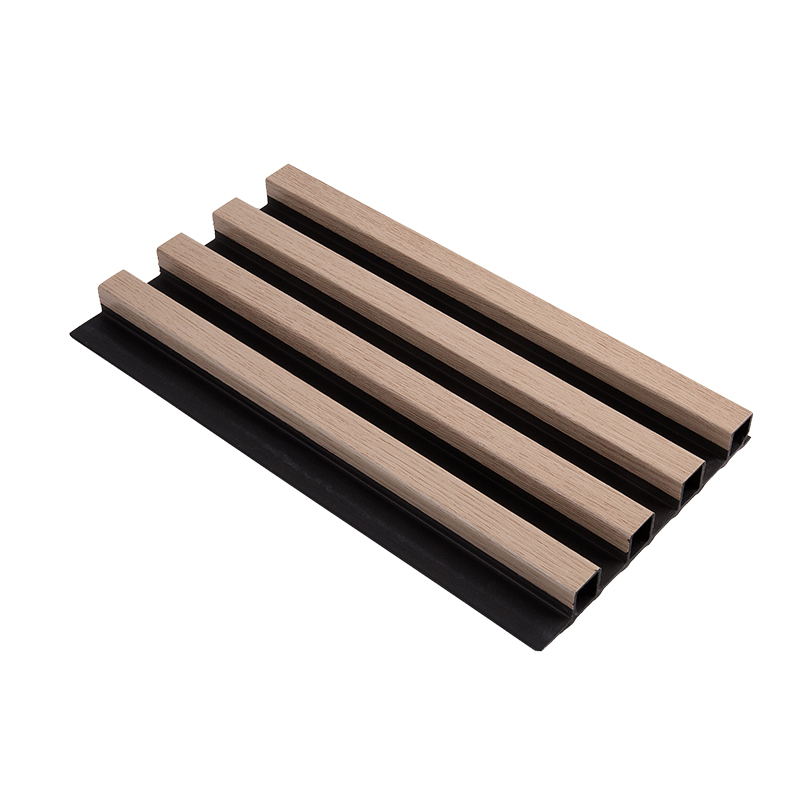
The same waterproofing logic carries to vertical surfaces. For projects that need board materials beyond the deck, wood-plastic composite boards extend the same capped construction to cladding and fencing, and our guide to waterproof wood-plastic composite boards for outdoor use shows where the composite version belongs and where an all-polymer panel is the better call.
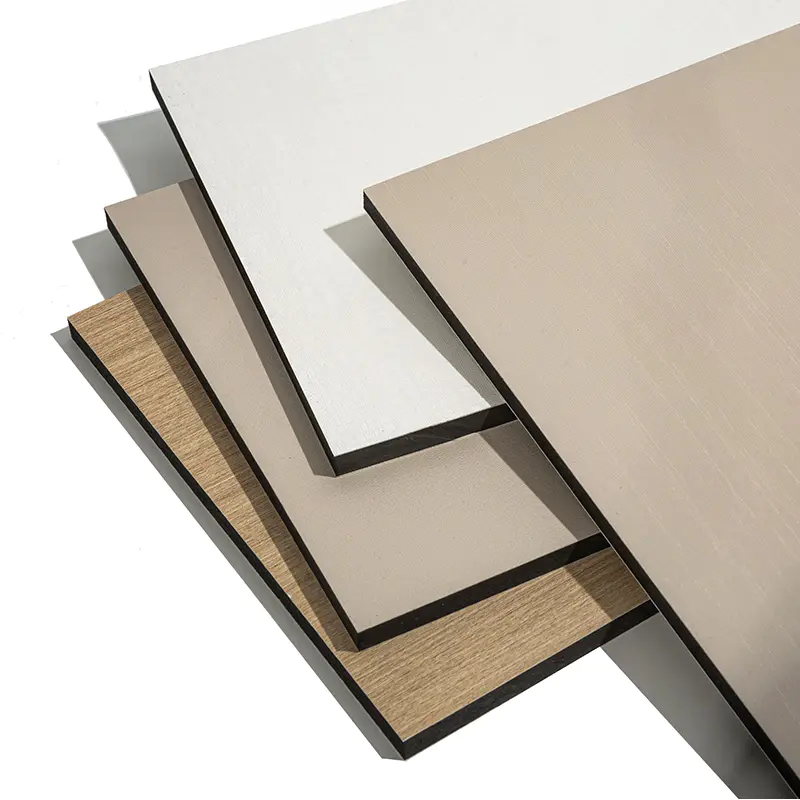
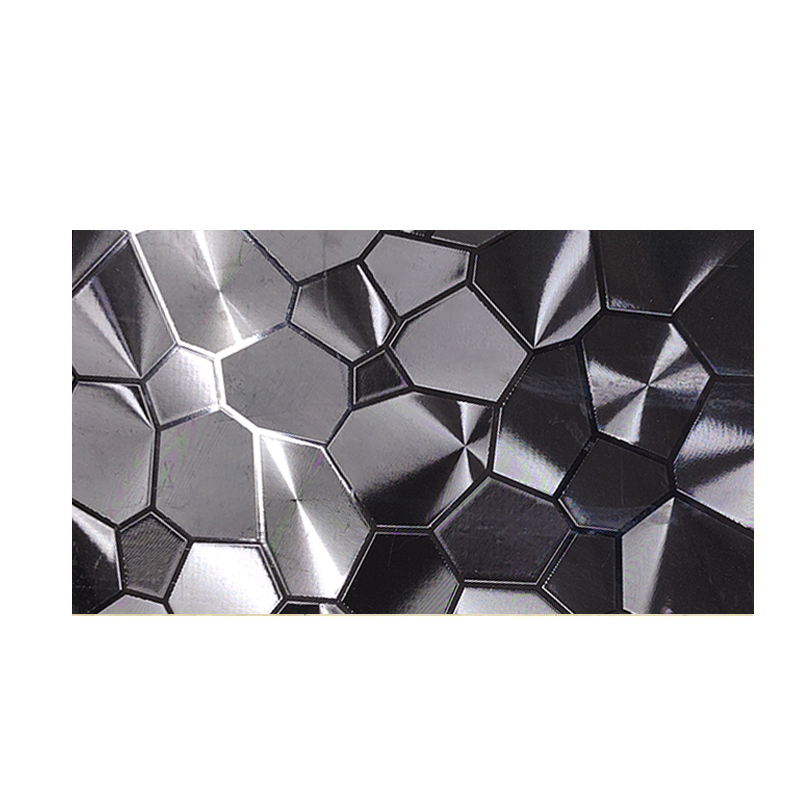 Synthetic Wall Planks - Fade-Proof & Low-Maintenance Interior Cladding Wood PlasHaining Yunxi New Material Technology Co., Ltd Offer Synthetic Wall Planks - Fade-Proof & Low-Maintenance Interior Cladding Wood Plastic ...View Product →
4. The real cost of a deck over 20 years
WPC wins at the register, but PVC shrinks the gap over the life of the deck because it lasts longer and costs almost nothing to maintain.
$70The 20-year total cost difference on a 320 sq ft deck at 2026 pricing, before you count the 5 to 10 extra years of service PVC still has left.
Retail prices in 2025-2026 place good capped WPC at $4.50 to $7.50 per square foot and capped PVC at $5.50 to $9.50. Installation runs $5 to $9 per square foot for both, because substructure, clips and labor are nearly identical.
- WPC, 320 sq ft: $1,920 materials plus $2,080 installation, with $300 in cleaning supplies and $250 for one mid-life treatment, about $4,550 over 20 years.
- PVC, 320 sq ft: $2,480 materials plus $2,080 installation, with $60 in rinsing supplies, about $4,620 over 20 years.
- WPC materials run about 23 percent below PVC on the invoice; the 20-year ownership gap narrows to about 1.5 percent.
- Replacing the WPC deck between years 20 and 25 flips the totals firmly to PVC's side.
Owners who sell within five to seven years will rarely collect that payoff, which is why the math favors PVC mainly for long-term residents.
5. Decision guide: which decking should you install?
Choose WPC for large, mostly sunny decks where budget and barefoot comfort dominate; choose capped PVC for coastal, poolside or shaded sites where moisture and stains drive the risk.
Choose WPC decking if
- Initial budget is the driving constraint.
- You want a natural wood grain that reads as timber.
- The deck sits in open sun and you walk it barefoot.
- You accept quarterly cleaning and occasional treatments.
- You prefer a composite with visible recycled-wood content.
Choose PVC decking if
- The deck faces salt air, a pool or sprinklers.
- The location is shaded or under trees year-round.
- Kids, pets and grill traffic mean constant staining.
- You want zero scheduled maintenance beyond rinsing.
- Color consistency matters over a decade or more.
The material logic extends past the deck. The all-polymer, low-maintenance construction appears in outdoor PVC siding panels for vertical envelopes, while capped composite boards handle the wood-grain side of the project. If you are weighing WPC against real timber rather than PVC, this comparison of WPC siding versus traditional wood siding shows where the composite wins on consistency and cost.
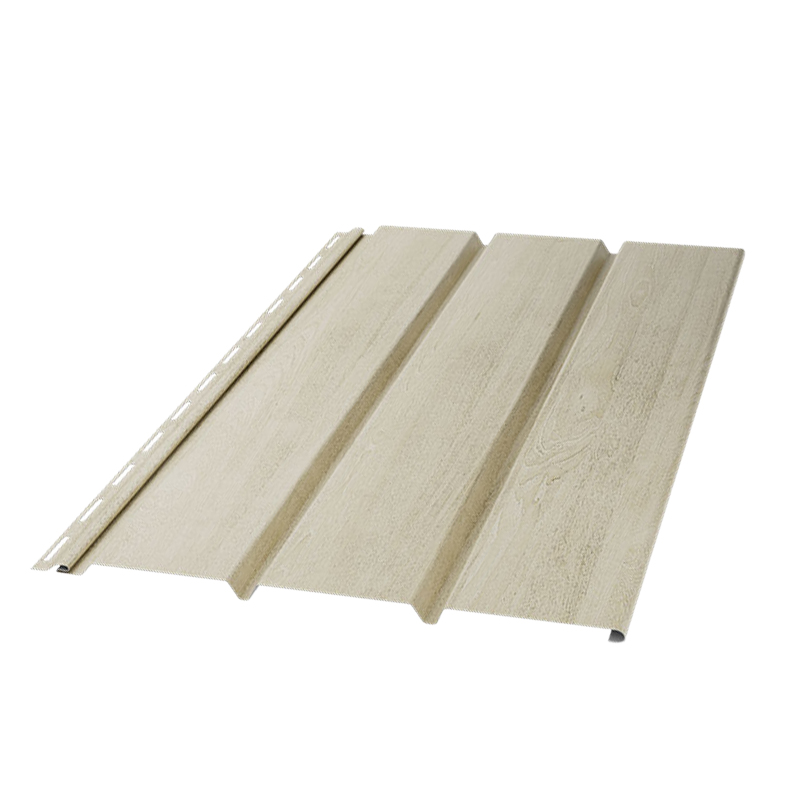
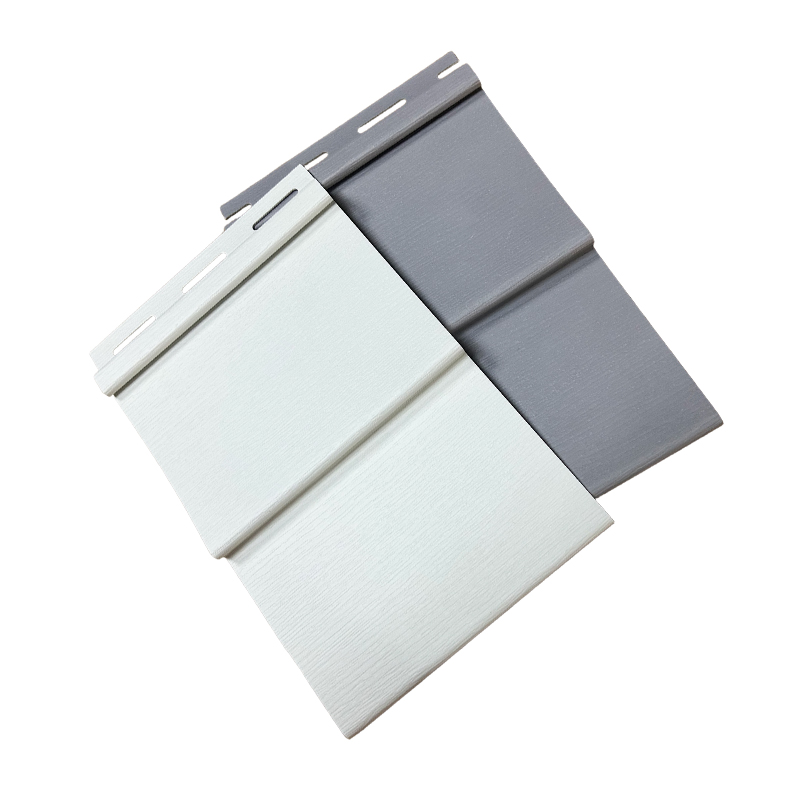 20.5-25.5cm Width PVC exterior siding panels-YXWL01S Manufacturers, FactoryHaining Yunxi New Material Technology Co., Ltd Offer 20.5-25.5cm Width PVC exterior siding panels-YXWL01S, We Are China 20.5-25.5cm Width...View Product →
WPC vs PVC decking: frequently asked questions
Bottom line: PVC wins on lifespan and moisture control. WPC wins on surface comfort and first cost. Everything else depends on the installation site.
Which decking gets hotter in the sun, WPC or PVC?
PVC. On a 33°C day, dark PVC surfaces reach 58 to 63°C while a comparable WPC board stays at 47 to 50°C. Lighter PVC colors close some of the gap but rarely match a mid-tone WPC board for barefoot comfort.
Does WPC decking rot or grow mold?
WPC does not rot like solid timber, because the plastic binder protects the core, but the embedded wood fiber can support surface mold in shaded, damp locations, especially if the protective cap is damaged. PVC contains no organic content, so surface mold has nothing to feed on.
Which decking lasts longer?
PVC lasts longer in most installations. Expect 15 to 25 years from capped WPC and 25 to 30-plus from capped PVC. Moisture cycling, UV exposure and freeze-thaw cycles degrade the wood component of WPC faster than PVC's all-polymer matrix.
Is PVC decking worth the higher upfront cost?
For coastal, poolside and shaded decks, yes. PVC typically runs $1.00 to $2.00 more per square foot at purchase, but it removes resealing, stain treatments and mold control. Over 20 years, total ownership cost often lands within 5 to 10 percent of WPC, with more service life remaining.