+86-18367343973

 English
 Español
 عربى
عربى
Article Directory
- 1 The Molecular Advantage: Achieving a Formaldehyde-Free Environment
- 2 Resource Sustainability and Circular Economy
- 3 Performance Engineering in Modern Construction
- 4 The Impact of Innovation on Healthy Living
- 5 Conclusion: The Future of Interior Surfaces
- 6 Frequently Asked Questions (FAQ)
- 6.0.1 1. Do wpc panels for interior walls have a chemical smell?
- 6.0.2 2. Are wpc panels for interior walls recyclable at the end of their life?
- 6.0.3 3. How do wpc panels for interior walls react to temperature changes?
- 6.0.4 4. Is maintenance difficult for wood-veneer WPC panels?
- 6.0.5 5. What is the best way to maintain wpc panels for interior walls?
- 7 Industry References
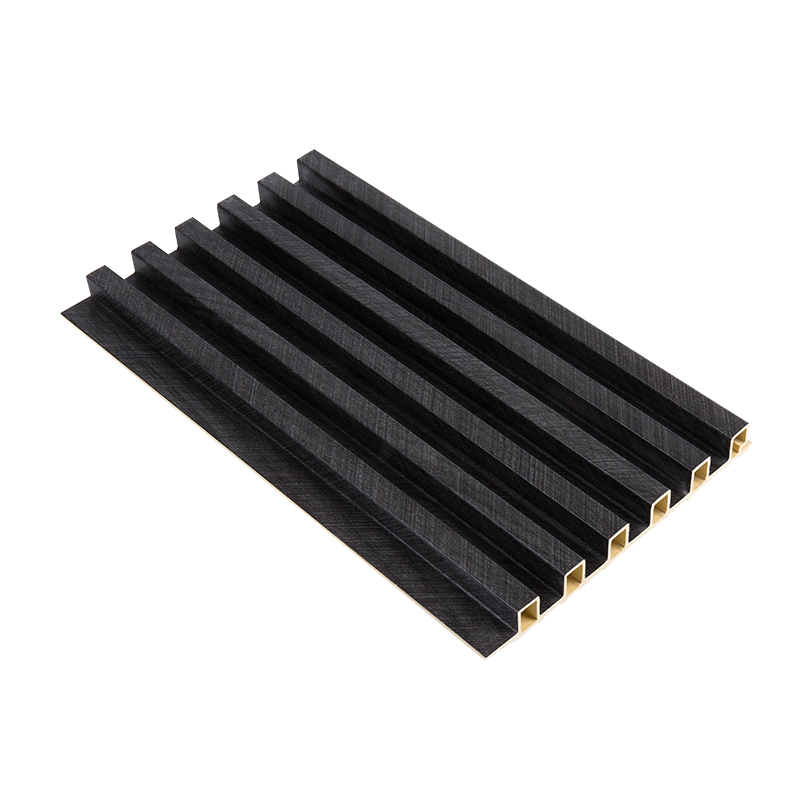
In the contemporary architectural landscape, the shift toward sustainable living has transformed how we select interior finishes. As homeowners and developers prioritize indoor air quality and environmental responsibility, wpc panels for interior walls have emerged as a leading technological solution. Unlike traditional materials that rely on heavy chemical bonding agents, Wood Plastic Composite (WPC) integrates recycled wood fibers with high-grade polymers to create a durable, non-toxic surface. Haining Yunxi New Material Technology Co., Ltd. has long been at the forefront of this movement, focusing on the independent R&D and production of wood veneer wall panels that meet the rigorous demands of modern, healthy homes.
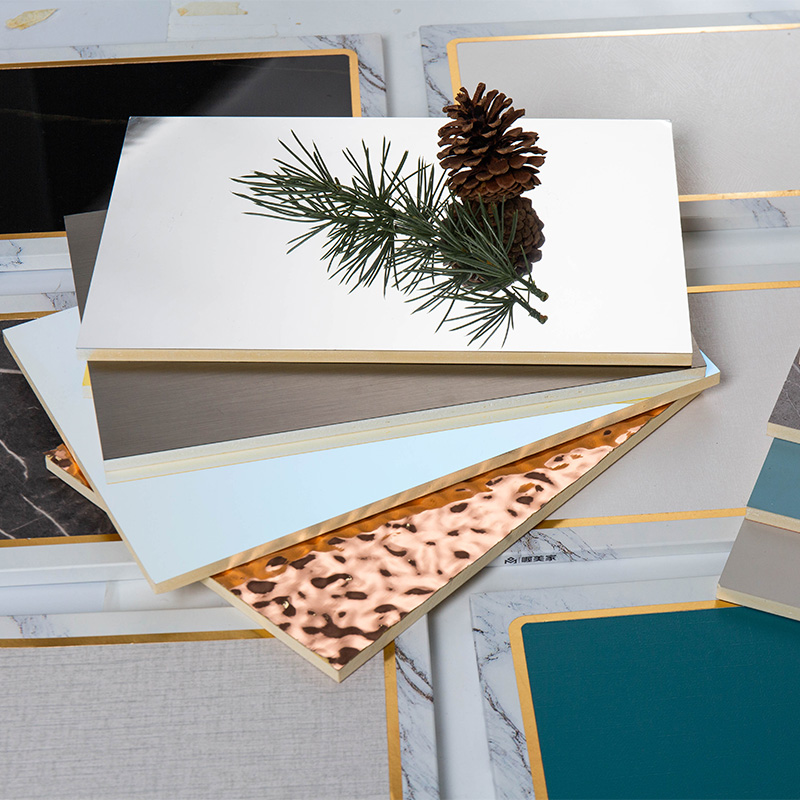
The Molecular Advantage: Achieving a Formaldehyde-Free Environment
One of the most pressing concerns for indoor safety is the emission of Volatile Organic Compounds (VOCs). How to ensure wpc panels for interior walls are truly formaldehyde-free? The answer lies in the manufacturing process. Traditional plywood and MDF often utilize urea-formaldehyde resins as adhesives, which off-gas into the living space over time. In contrast, wpc panels for interior walls are produced through a high-temperature extrusion process that physically fuses the wood fibers and thermoplastics without the need for harmful glues.
While traditional engineered woods may achieve low emission ratings, WPC fundamentally bypasses the use of the offending chemicals, providing a baseline of safety that is inherently superior for respiratory health.
| Feature | WPC Interior Panels | Traditional MDF/Plywood |
| Bonding Method | Thermal Fusion (Polymer Matrix) | Urea-Formaldehyde Resins |
| VOC Emissions | E0 Grade (Near Zero) | Varies (Often E1 or higher) |
| Chemical Leaching | None (Chemically Inert) | Risk of off-gassing over 5-10 years |
Resource Sustainability and Circular Economy
When evaluating the environmental footprint of a material, engineers look at the lifecycle and resource origin. What are the environmental benefits of using wpc panels for interior walls? WPC utilized by Haining Yunxi New Material Technology Co., Ltd. primarily consists of reclaimed wood flour and recycled plastics. This prevents deforestation and diverts plastic waste from landfills, embodying the principles of a circular economy.
Resource Utilization Efficiency
Traditional wood paneling requires high-quality, solid timber, which leads to significant waste during the milling process. However, wpc panels for interior walls utilize bio-waste that would otherwise be discarded. Furthermore, the question of why wpc panels for interior walls are more sustainable than solid wood is answered by their longevity; WPC does not rot or require toxic chemical preservatives to maintain its structural integrity.
| Sustainability Metric | WPC Technology | Solid Wood Paneling |
| Raw Material Source | Reclaimed wood fibers & recycled polymers | Virgin Timber |
| Waste Generation | Near zero (Closed-loop extrusion) | Significant (Sawdust & off-cuts) |
| Chemical Treatments | None required | Varnishes, stains, and anti-rot chemicals |
Performance Engineering in Modern Construction
Sustainability must be matched by performance to be viable for modern construction projects. Many project managers ask: are wpc panels for interior walls suitable for humid climates? Because WPC is a composite, it offers 100% waterproof properties that traditional wood cannot replicate. This makes it an ideal choice for bathrooms and kitchens, where humidity usually limits the use of wood-based aesthetics.
Haining Yunxi New Material Technology Co., Ltd. has developed a rich product system that ensures these panels are not only functional but also cater to diverse architectural styles. How to install wpc panels for interior walls for maximum longevity involves utilizing their interlocking tongue-and-groove systems, which reduce the need for on-site adhesives and further protect the air quality of the finished home.
- Moisture Resistance: Prevents mold growth, which is a common indoor allergen.
- Durability: Highly resistant to impact and scratches, reducing the need for frequent replacements.
- Fire Retardancy: Most WPC interior panels are engineered to be Class B1 fire-resistant.
The Impact of Innovation on Healthy Living
As an all-round development enterprise, Haining Yunxi New Material Technology Co., Ltd. emphasizes technological innovation to solve the "VOC trap" found in many decorative materials. Why choose formaldehyde-free wpc panels for interior walls in nurseries? Children are more sensitive to airborne toxins; by selecting a material with a high-density, non-porous polymer surface, parents can ensure a sterile and safe environment. The question of how wpc panels for interior walls improve indoor air quality is answered by their ease of cleaning—they do not harbor dust mites or allergens like wallpaper or fabric panels.
Conclusion: The Future of Interior Surfaces
The transition to wpc panels for interior walls represents a significant step toward the "Green Building" standard. By eliminating formaldehyde, utilizing recycled content, and providing a long-lasting, waterproof solution, WPC meets the needs of consumers and the planet alike. Haining Yunxi New Material Technology Co., Ltd. remains committed to this path, attracting industry attention through high-quality services and a dedication to a win-win environmental future.
Frequently Asked Questions (FAQ)
1. Do wpc panels for interior walls have a chemical smell?
No. High-quality wpc panels for interior walls are extruded at temperatures that neutralize odors. Unlike paint or wallpaper glue, there is no "new house smell" which is actually a sign of chemical off-gassing.
2. Are wpc panels for interior walls recyclable at the end of their life?
Yes. WPC is a thermoplastic composite, meaning it can be ground down and re-extruded into new products, making it a key component of a zero-waste architectural strategy.
3. How do wpc panels for interior walls react to temperature changes?
WPC is engineered for high dimensional stability. While all materials expand slightly, wpc panels for interior walls have a much lower coefficient of thermal expansion than pure plastic panels, ensuring joints stay tight.
4. Is maintenance difficult for wood-veneer WPC panels?
Maintenance is minimal. Because they are waterproof and stain-resistant, a simple wipe with a damp cloth is usually sufficient. There is no need for oiling, waxing, or sanding throughout the life of the panel.
5. What is the best way to maintain wpc panels for interior walls?
Simply avoid abrasive cleaners and sharp metallic objects. The polymer wear layer is designed to resist daily wear and tear, keeping the "wood-look" vibrant for decades without fading.
Industry References
- ISO 16000-9: Determination of the emission of volatile organic compounds from building products.
- ASTM D7031-11: Standard Guide for Evaluating Mechanical and Physical Properties of Wood-Plastic Composite Products.
- EN 15534: Composites made from cellulose-based materials and thermoplastics (WPC).
- Technical Research Archives of Haining Yunxi New Material Technology Co., Ltd. (2020-2025).