+86-18367343973

 English
 Español
 عربى
عربى
Article Directory
- 1 Understanding the Composite Structure of Self-Adhesive SPC
- 2 Mechanical Preparation: Levelling and Smoothness
- 3 Environmental Controls and Acclimatization
- 4 Advanced Finishing: Pressure Application and Rolling
- 5 Conclusion
- 6 Frequently Asked Questions (FAQ)
- 6.1 1. Can I install pvc lvt self adhesive stone plastic composite floor over existing carpet?
- 6.2 2. Is self-adhesive spc flooring waterproof enough for office breakrooms?
- 6.3 3. How do I handle spc lvt flooring transition to carpet in office hallways?
- 6.4 4. What should I do if my subfloor is dusty even after sweeping?
- 6.5 5. How to remove self-adhesive spc floor during future office renovations?
- 7 Related Industry References
In the high-stakes environment of commercial office renovations, the longevity of the flooring system is determined long before the first plank is laid. The pvc lvt self adhesive stone plastic composite floor has become a preferred choice for modern enterprises due to its rapid installation and high-traffic durability. However, the performance of the pressure-sensitive adhesive (PSA) used in these systems is entirely dependent on the quality of the substrate. Haining Yunxi New Material Technology Co., Ltd., a leader in independent R&D and production of wood veneer panels and advanced flooring, understands that a high-quality product requires high-quality engineering standards. Our extensive experience in construction projects ensures that our flooring systems meet the rigorous demands of modern corporate aesthetics and functionality.
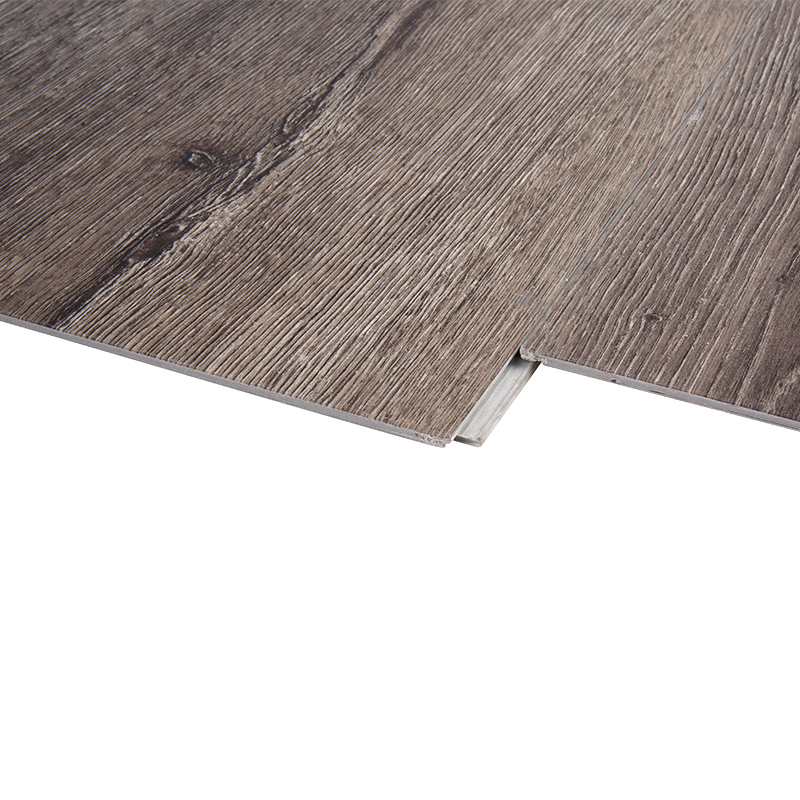
Understanding the Composite Structure of Self-Adhesive SPC
The pvc lvt self adhesive stone plastic composite floor is a hybrid material that combines the waterproofing and rigidity of Stone Plastic Composite (SPC) with the flexibility of Luxury Vinyl Tile (LVT). Unlike click-lock systems, the self-adhesive variant relies on a chemical bond with the subfloor. This makes how to clean subfloor for self adhesive flooring a critical technical step. Any dust, oil, or high alkaline content on the subfloor can act as a bond-breaker, leading to telegraphing or edge-lifting over time.
Comparison: Self-Adhesive vs. Click-Lock SPC in Office Settings
While click-lock systems provide a floating floor solution, self-adhesive composite floors offer a lower profile and easier replacement of individual planks, provided the subfloor is perfectly level.
| Feature | Click-Lock SPC Flooring | PVC LVT Self Adhesive Stone Plastic Composite Floor |
| Installation Speed | Moderate (Requires underlayment) | Fast (Direct peel-and-stick) |
| Subfloor Sensitivity | Low (Can bridge minor gaps) | High (Requires smooth, dust-free surface) |
| Individual Plank Repair | Difficult (Requires dismantling) | Simple (Peel and replace) |
Mechanical Preparation: Levelling and Smoothness
In office renovations, the existing subfloor is often concrete or old ceramic tile. For a pvc lvt self adhesive stone plastic composite floor, the subfloor must meet the "3mm per 3 meters" flatness standard. Protrusions will cause "telegraphing," where the imperfection shows through the surface, while depressions will cause the adhesive to fail. Understanding how to level subfloor for lvt spc flooring involves using a cementitious self-levelling compound that is compatible with vinyl adhesives.
Comparative Analysis: Concrete vs. Plywood Substrates
Concrete requires moisture testing to prevent vapor pressure from lifting the adhesive, whereas plywood requires a specific grade (AC or better) to ensure the adhesive does not pull up wood fibers.
| Substrate Type | Critical Preparation Step | Adhesion Performance |
| Concrete Slab | Moisture vapor barrier and PH testing | Excellent (if dry and sealed) |
| Plywood/OSB | Filling seams and sanding joints | Good (requires high-density surface) |
| Old Ceramic Tile | Deglossing and skim-coating grout lines | Moderate (requires specialized primer) |
Environmental Controls and Acclimatization
One of the most frequent mistakes in pvc lvt self adhesive stone plastic composite floor projects is ignoring the HVAC status. The benefits of acclimatizing spc lvt flooring cannot be overstated; the material must be stored in the renovation space for at least 48 hours. This allows the stone-plastic core to reach thermal equilibrium, preventing post-installation expansion or contraction which could stress the self-adhesive bond. Haining Yunxi New Material Technology Co., Ltd. recommends maintaining a constant temperature between 18°C and 25°C during this phase.
Engineering Best Practices:
- Moisture Mitigation: Relative humidity (RH) of the concrete must be below 75% for long-term adhesion integrity.
- Primer Application: Using a latex-based primer on porous subfloors prevents the adhesive from being absorbed into the substrate too quickly.
- Surface pH: Concrete surfaces should have a pH value between 7 and 9; excessive alkalinity will degrade the synthetic adhesive.
Advanced Finishing: Pressure Application and Rolling
The "pressure-sensitive" nature of the adhesive means that the bond is only fully activated under mechanical force. For a professional pvc lvt self adhesive stone plastic composite floor installation, a 100-lb (45kg) three-section floor roller is mandatory. This ensures that 100% of the adhesive surface area contacts the prepared subfloor, eliminating air pockets. When evaluating pvc lvt self adhesive stone plastic composite floor durability in offices, the quality of this final rolling step is the primary factor in resisting the lateral forces of rolling office chairs.
Comparison: Hand Pressure vs. Mechanical Rolling
Hand pressure is insufficient for large-scale commercial renovations and will lead to plank shifting within the first few months of use.
| Force Method | Adhesive Transfer Rate | Long-term Stability |
| Manual Hand/Foot Pressure | Approx. 60-70% | Low (Risk of edge lifting) |
| 100-lb Mechanical Roller | Approx. 98-100% | High (Industrial grade bond) |
Conclusion
Success in installing a pvc lvt self adhesive stone plastic composite floor in office environments is 90% preparation and 10% installation. By adhering to rigorous subfloor cleaning, levelling, and acclimatization standards, engineers can ensure a flooring system that stands the test of time. Haining Yunxi New Material Technology Co., Ltd. continues to push the boundaries of technological innovation and brand building, providing world-class flooring and wood veneer solutions that meet the evolving needs of the construction industry.
Frequently Asked Questions (FAQ)
1. Can I install pvc lvt self adhesive stone plastic composite floor over existing carpet?
No. Self-adhesive flooring requires a rigid, smooth, and non-porous substrate. Soft surfaces like carpet will cause the planks to disconnect and crack under load.
2. Is self-adhesive spc flooring waterproof enough for office breakrooms?
Yes, the pvc lvt self adhesive stone plastic composite floor itself is 100% waterproof. However, the subfloor must be properly sealed to ensure that water does not seep through the seams and weaken the adhesive bond.
3. How do I handle spc lvt flooring transition to carpet in office hallways?
Always use a dedicated transition strip (T-molding). Do not rely on the adhesive to hold the plank against a carpet edge, as the tension from the carpet will eventually pull the plank away from the subfloor.
4. What should I do if my subfloor is dusty even after sweeping?
Use an industrial vacuum with a HEPA filter followed by a damp mop. For best results, apply a floor primer to "lock down" any remaining microscopic dust particles before laying the pvc lvt self adhesive stone plastic composite floor.
5. How to remove self-adhesive spc floor during future office renovations?
One of the benefits of self-adhesive spc flooring is its ease of removal. Use a heat gun to soften the adhesive and a floor scraper to lift the planks. Any residual adhesive can be cleaned with a citrus-based solvent.
Related Industry References
- ASTM F710: Standard Practice for Preparing Concrete Floors to Receive Resilient Flooring.
- CRI 104: Standard for Installation Specification of Commercial Carpet and Resilient Flooring.
- RFCI (Resilient Floor Covering Institute): Recommended Work Practices for Removal of Resilient Floor Coverings.
- ISO 10582: Resilient floor coverings — Heterogeneous poly(vinyl chloride) floor coverings.