+86-18367343973
 English
 Español
 عربى
عربى
Article Directory
- 1 1. Substrate Assessment and Structural Stabilization
- 2 2. Mechanical Leveling and Filling of Voids
- 3 3. Chemical Priming and Adhesion Promotion
- 4 4. Precision Adhesive Selection and Application
- 5 5. Conclusion: Excellence Through Preparation
- 6 Frequently Asked Questions (FAQ)
- 6.1 1. Can I apply flexible pvc wall panels directly over painted brick?
- 6.2 2. How to hide wall imperfections with pvc panels on very curved masonry?
- 6.3 3. Is pvc wall panel surface preparation different for outdoor masonry?
- 6.4 4. What is the best primer for pvc wall panels on old masonry?
- 6.5 5. Why choose Haining Yunxi for your construction project?
- 7 Industry References
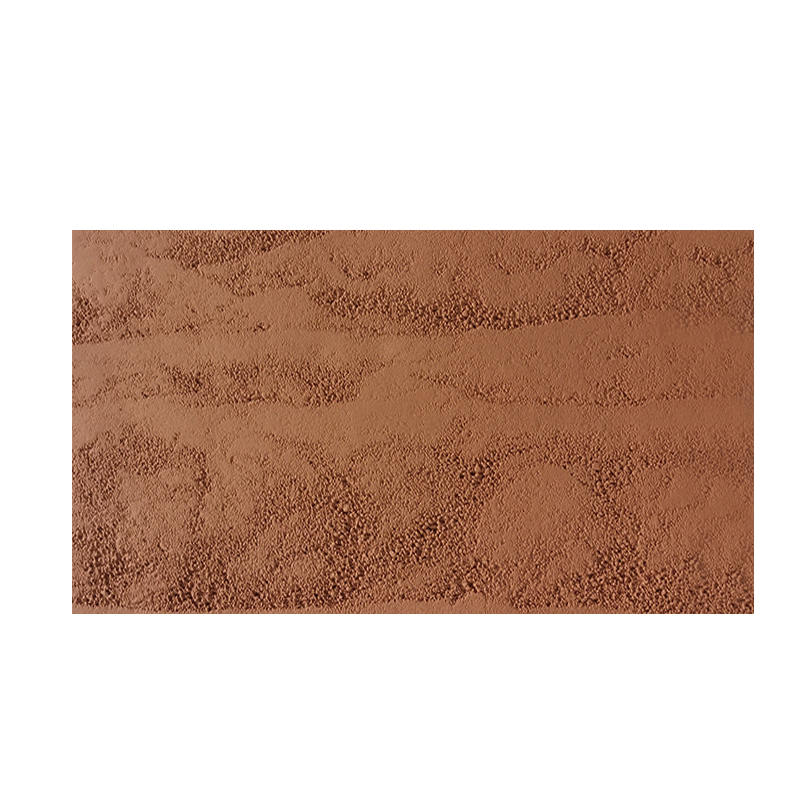
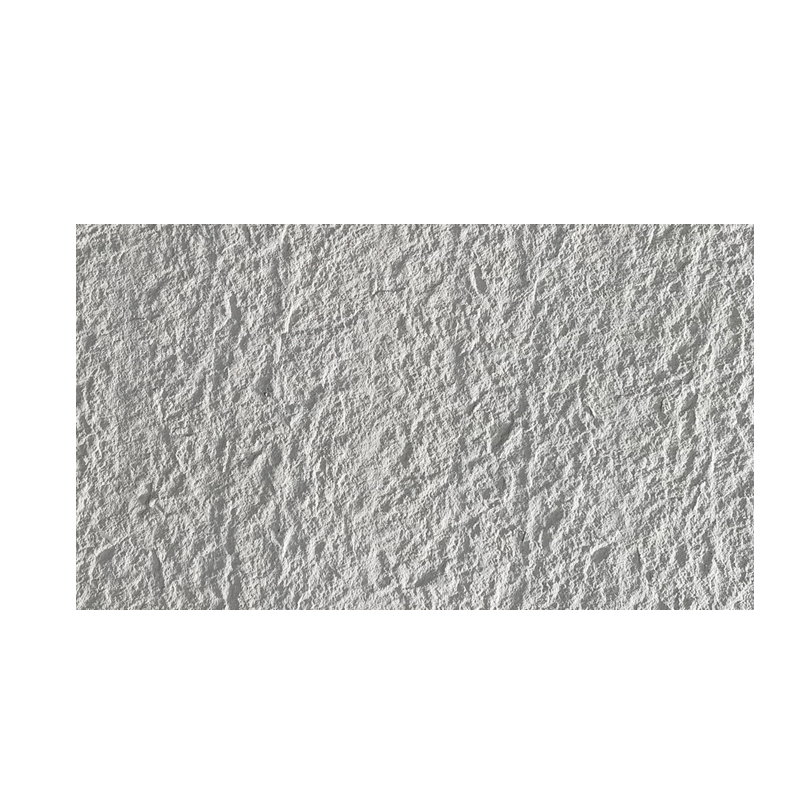
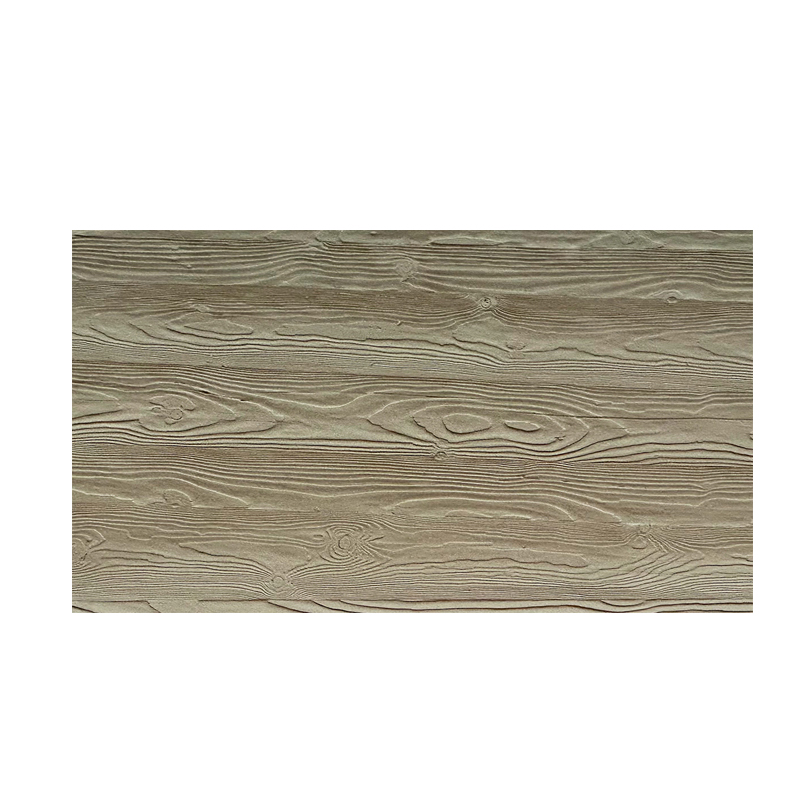
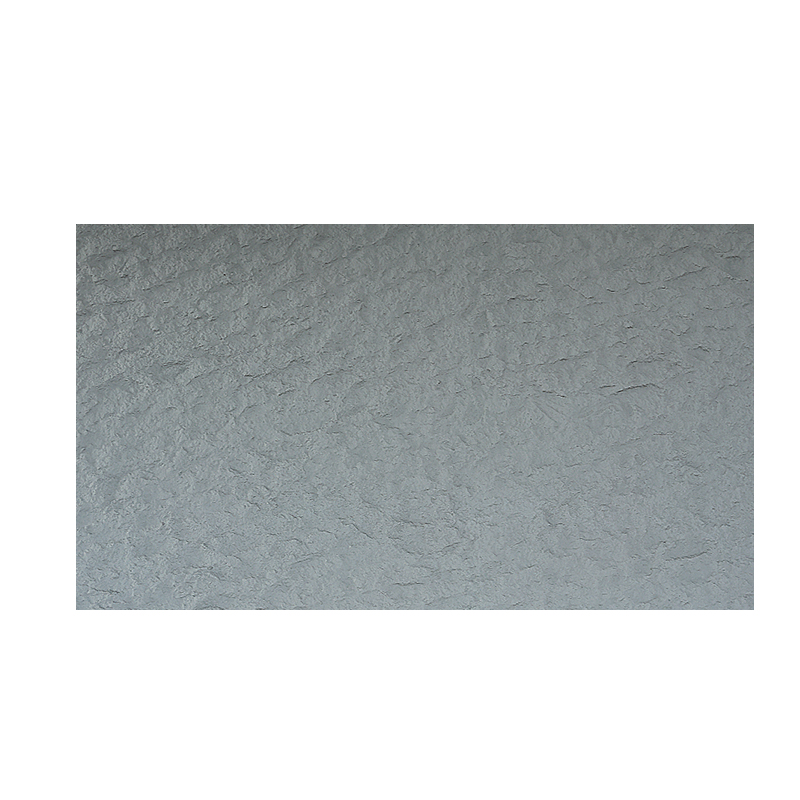
In modern construction and interior renovation, the demand for versatile materials has led to the widespread adoption of flexible pvc wall panels. These panels offer an ideal blend of aesthetic appeal and functional durability, especially when dealing with the complexities of masonry substrates. Haining Yunxi New Material Technology Co., Ltd. has long been at the forefront of independent research and development, specializing in wood veneer wall panels and advanced flooring systems. Our enterprise has achieved rapid technological innovation, creating a rich product system that meets the needs of both sophisticated home decor and large-scale construction projects. However, the performance of even the highest-quality flexible pvc wall panels is contingent upon the integrity of the substrate. When applying these panels to uneven masonry, rigorous surface preparation is the engineering foundation required to ensure long-term adhesion and a flawless finish.
1. Substrate Assessment and Structural Stabilization
Before any decorative application, the masonry wall must be evaluated for structural soundness and moisture content. Masonry is naturally porous and prone to efflorescence—a crystalline deposit of salts that can compromise adhesives. Achieving high quality pvc panel adhesion on concrete requires the removal of any loose mortar, dust, or old coatings. While standard drywall might only require a light dusting, masonry requires a deep mechanical cleaning. If the wall exhibits active moisture seepage, a waterproof barrier must be applied. Haining Yunxi New Material Technology Co., Ltd. emphasizes that while our panels are moisture-resistant, a damp substrate can lead to hydrostatic pressure buildup behind the panel, eventually causing debonding.
Comparison: Masonry vs. Drywall Preparation Requirements
Masonry substrates demand significantly more mechanical intervention and chemical neutrality checks than standard gypsum-based surfaces.
| Preparation Factor | Standard Drywall Substrate | Uneven Masonry Substrate |
| Cleaning Method | Dry wiping/Dusting | Wire brushing / Power washing |
| Moisture Management | Standard indoor humidity control | Vapor barrier or specialized sealer required |
| Surface Profile | Naturally smooth | Rough/Abrasive (Requires leveling) |
2. Mechanical Leveling and Filling of Voids
The "flexible" nature of flexible pvc wall panels is a dual-edged sword. While it allows the material to contour slightly, excessive irregularities in the masonry will telegraph through the surface, creating visible waves or "ghosting." For installing pvc panels on uneven masonry, any protrusion greater than 2mm must be ground down, and significant depressions must be filled with a high-strength polymer-modified cementitious leveller. This ensures a consistent bond line for the adhesive. Unlike rigid panels that might bridge small gaps, flexible variants require a more uniform plane to maintain their geometric aesthetic.
Comparison: Levelling Compounds for PVC Application
Choosing the right filler is critical; cement-based fillers offer the best compatibility with the alkaline nature of masonry.
| Filler Type | Drying Time | Adhesion Strength with PVC Glue |
| Gypsum-based Putty | Fast (2-4 hours) | Moderate (Prone to moisture damage) |
| Polymer-Modified Cement | Moderate (12-24 hours) | Superior (Strongest bond for masonry) |
3. Chemical Priming and Adhesion Promotion
Once the wall is clean and level, the next engineering step is the application of a primer. A common question among contractors is: what is the best primer for pvc wall panels on stone or brick? A high-quality acrylic-based primer serves two purposes: it seals the dust that mechanical cleaning cannot reach and it regulates the suction of the masonry. Without priming, the masonry may "suck" the moisture out of the adhesive too quickly, leading to a "starved" bond that fails prematurely. This is a critical step in the pvc wall panel surface preparation protocol, especially in arid climates where masonry absorption rates are at their peak.
4. Precision Adhesive Selection and Application
The final stage involves selecting an adhesive that compensates for any remaining micro-irregularities. For flexible pvc wall panels, a high-tack, solvent-free construction adhesive or a specialized MS polymer is recommended. When fixing pvc panels to rough brickwork, the adhesive should be applied using a notched trowel to ensure 100% coverage. This "full-spread" method is superior to the "blob" or "spot" bonding method, as it prevents hollow pockets where air or moisture could become trapped. Haining Yunxi New Material Technology Co., Ltd. advises that full-surface contact is essential for the thermal stability of the panels, preventing expansion or contraction issues.
Key Engineering Checkpoints:
- Alkalinity Testing: Ensure the pH of the masonry is between 7 and 10 to prevent adhesive degradation.
- Tension Testing: Conduct a "scratch test" on the primer to ensure it has properly bonded to the masonry.
- Acclimatization: Store panels in the installation environment for 24-48 hours to reach thermal equilibrium.
- Vertical Alignment: Use a laser level to establish a true vertical datum before the first panel is set.
5. Conclusion: Excellence Through Preparation
The successful installation of flexible pvc wall panels on uneven masonry is an exercise in meticulous engineering. By prioritizing substrate stabilization, mechanical leveling, and chemical priming, installers can achieve a finish that rivals traditional wood veneer or marble at a fraction of the cost. Haining Yunxi New Material Technology Co., Ltd. continues to drive the industry forward through technological innovation and brand building, providing consumers with the high-quality products and technical guidance needed to transform even the most challenging architectural surfaces.
Frequently Asked Questions (FAQ)
1. Can I apply flexible pvc wall panels directly over painted brick?
Direct application is risky. If the paint is peeling or chalking, the adhesive will fail. It is best to remove the paint mechanically or use a specialized bonding agent designed for non-porous surfaces.
2. How to hide wall imperfections with pvc panels on very curved masonry?
The flexibility of the panels allows them to follow curves, but the surface must still be smooth. Use a flexible patching compound to smooth the "steps" between bricks before applying the panel.
3. Is pvc wall panel surface preparation different for outdoor masonry?
Yes. Outdoor masonry requires a high-grade vapor barrier and UV-stable adhesives to handle the increased thermal expansion and moisture exposure compared to indoor home decoration.
4. What is the best primer for pvc wall panels on old masonry?
An alkali-resistant acrylic primer is generally best. It penetrates the old masonry pores and provides a "tacky" surface that significantly enhances adhesive performance.
5. Why choose Haining Yunxi for your construction project?
We combine years of R&D with a modern enterprise management style. Our panels are designed not just for beauty, but for technical compatibility with a wide range of industry-standard substrates and adhesives.
Industry References
- ISO 13894: High-pressure decorative laminates — Composite elements.
- ASTM C1193: Standard Guide for Use of Joint Sealants in Masonry.
- British Standard BS 8203: Code of practice for installation of resilient floor/wall coverings.
- Haining Yunxi Internal Technical Bulletin: Adhesion Dynamics of PVC Composites on Porous Substrates (2025).