+86-18367343973

 English
 Español
 عربى
عربى
Article Directory
- 1 The Economics of Lifecycle Performance: WPC vs. Traditional Media
- 2 Maintenance and Hidden Costs of Wall Finishes
- 3 Technological Innovation in Installation and Procurement
- 4 Assessing Aesthetic Value and Property Appreciation
- 5 Conclusion: The Strategic Advantage of WPC
- 6 Frequently Asked Questions (FAQ)
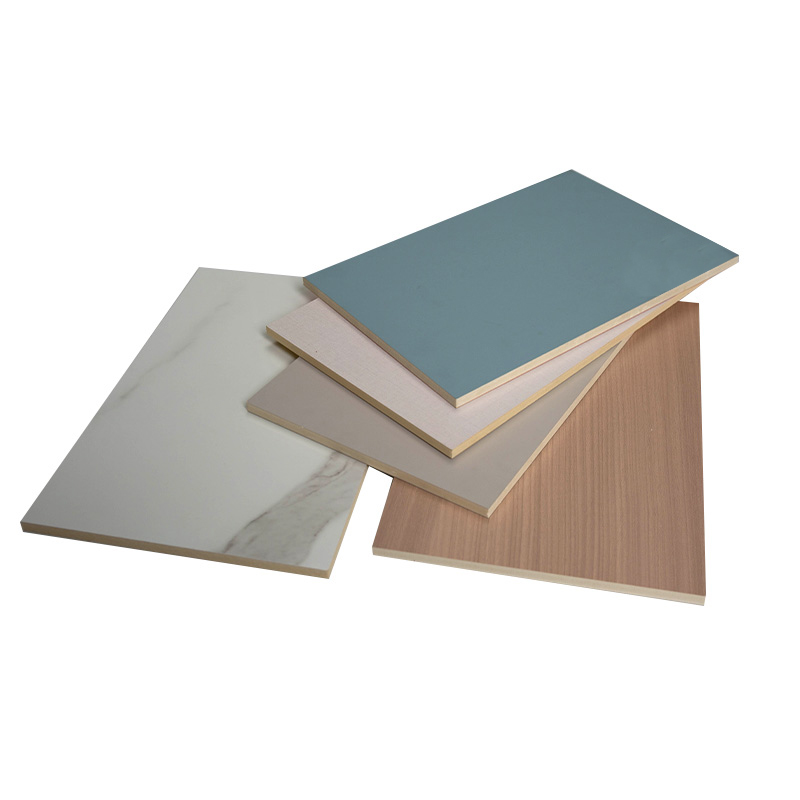
In the modern architectural and interior design landscape, the selection of wall surfacing materials is a strategic decision that impacts not only the initial aesthetic but the lifecycle cost of a building. For B2B procurement specialists and developers, evaluating wpc panels for interior walls requires looking beyond the initial purchase price to consider durability, maintenance, and replacement cycles. Haining Yunxi New Material Technology Co., Ltd. has established itself as a leader in the research and development of wood veneer wall panels, providing a rich product system designed to meet the rigorous demands of both high-end residential and large-scale construction projects.
The Economics of Lifecycle Performance: WPC vs. Traditional Media
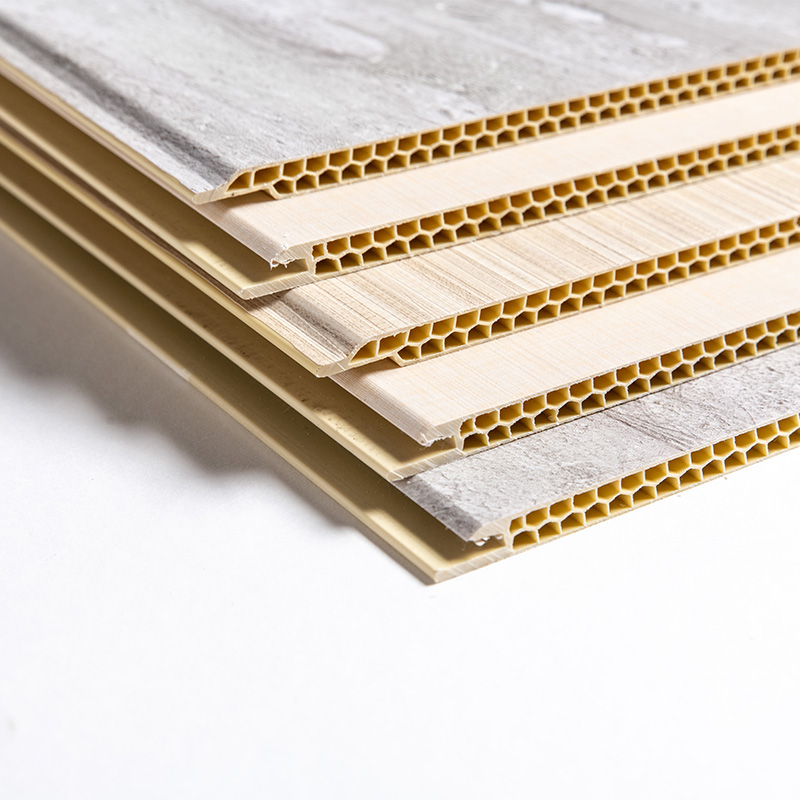
When analyzing the total cost of ownership, traditional paint and wallpaper often appear more affordable at the outset. However, paint is susceptible to scuffing, fading, and chemical degradation, while wallpaper frequently suffers from adhesive failure or peeling in humid environments. In contrast, durable wpc wall cladding for high traffic areas offers a rigid, moisture-resistant surface that maintains its structural integrity for decades.
While paint requires recoating every 3-5 years and wallpaper usually needs replacement every 7 years due to wear or outdated trends, WPC panels can easily exceed a 20-year lifespan with minimal intervention. This makes the amortized cost of WPC significantly lower over a ten-year horizon.
| Cost Factor | Traditional Paint/Wallpaper | WPC Interior Panels |
| Initial Installation | Low to Moderate | Higher (Material + specialized clips) |
| Maintenance Frequency | High (Repainting/Patching) | Very Low (Occasional wipe-down) |
| Lifespan Expectancy | 3 - 7 Years | 20+ Years |
| Long-term ROI | Decreases with maintenance costs | Increases due to zero-replacement need |
Source: ISO 15686-1:2024 Service Life Planning of Buildings and Constructed Assets
Maintenance and Hidden Costs of Wall Finishes
A significant portion of long-term expenditure is allocated to labor and cleaning. Traditional porous surfaces like wallpaper can trap odors and stains, necessitating professional cleaning or total removal. The low maintenance wpc interior wall panels manufactured by Haining Yunxi feature a non-porous wood-plastic matrix that resists mold growth and liquid penetration.
Resistance to Environmental Stressors
Engineered composites are specifically designed to withstand UV exposure and temperature fluctuations. According to 2024 industry data, the adoption of bio-based composites in interior spaces has risen by 15% due to their superior resistance to internal climate changes compared to cellulose-based wallpapers.
| Environmental Factor | Paint & Wallpaper | WPC Composite Panels |
| Moisture Resistance | Poor (Bubbling/Peeling) | Excellent (Waterproof matrix) |
| Impact Resistance | Low (Dents and scratches) | High (Rigid core construction) |
| Color Stability | Fades under UV light | Engineered UV-resistant finish |
Source: ASTM D7032-21 Standard Specification for Wood-Plastic Composite Products
Technological Innovation in Installation and Procurement
Labor costs often dictate the viability of a construction project. Sourcing wholesale wpc wall panels for construction projects allows for a "dry installation" method using tongue-and-groove systems. This is significantly faster than the multi-day process of priming, painting, and drying required for traditional finishes. For large-scale developers, the fast installation wpc panels for commercial interiors can reduce project lead times by as much as 40%.
Haining Yunxi New Material Technology Co., Ltd. continues to innovate in the field of wood veneer, ensuring that our eco friendly wpc panels for residential decoration meet the latest VOC emission standards for 2025. This focus on "Brand Building" and "Technological Innovation" ensures that our products are not only cost-effective but also comply with global health and safety regulations.
Assessing Aesthetic Value and Property Appreciation
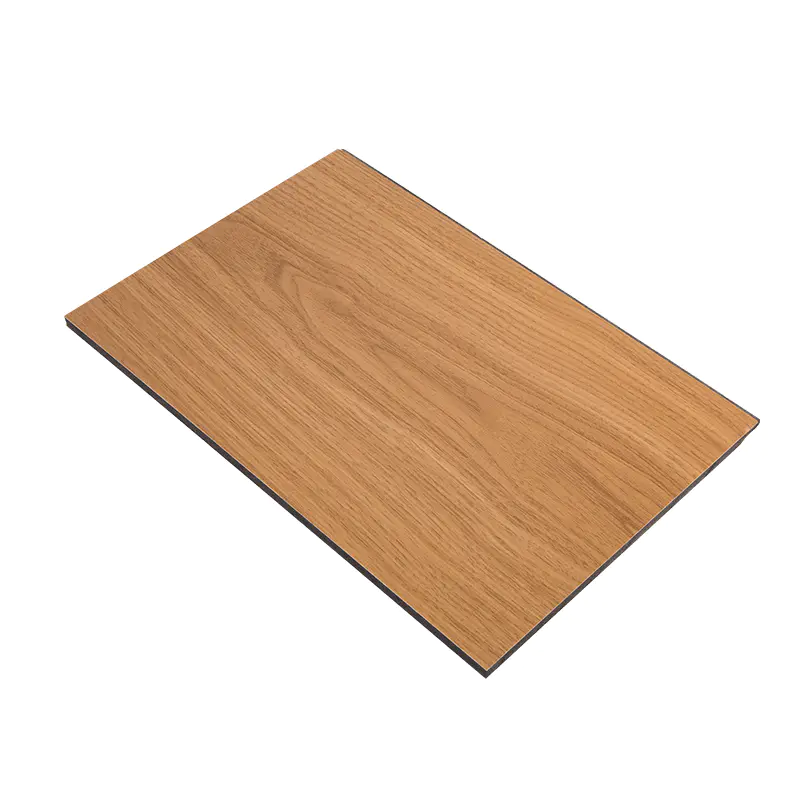
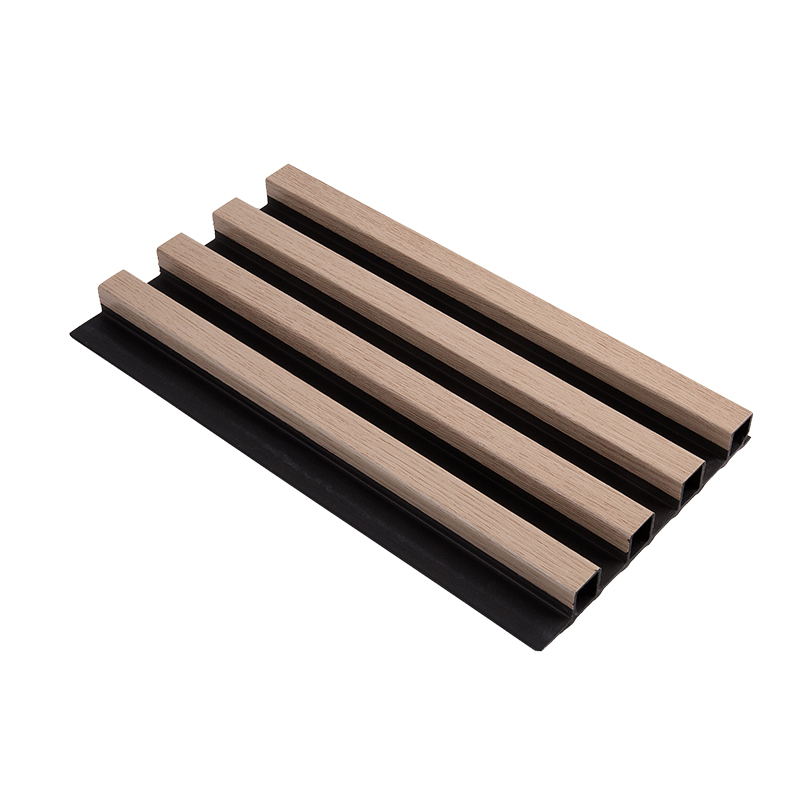
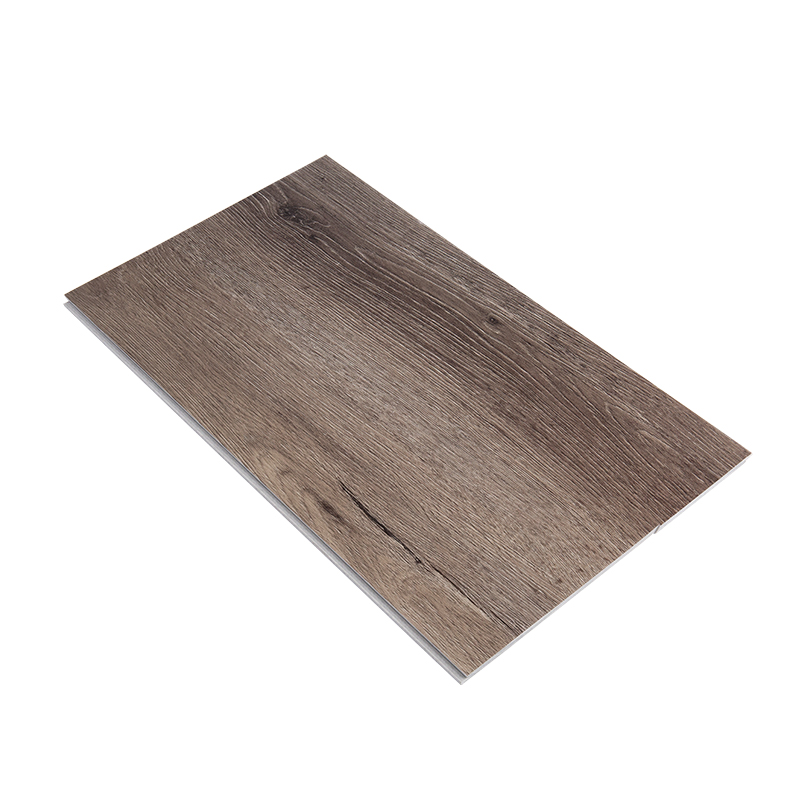
In the high-end real estate market, the perceived value of a property is heavily influenced by the quality of interior finishes. High-end wood veneer wpc wall panels provide a luxurious, tactile experience that mimics natural timber, which typically adds more to the property's resale value than a simple coat of paint. Because the panels do not age as visibly as wallpaper, the interior retains a "new" appearance for a much longer duration, protecting the owner's investment.
Conclusion: The Strategic Advantage of WPC
While traditional paint and wallpaper serve as short-term solutions, wpc panels for interior walls represent a high-yield investment for the future. By minimizing maintenance, extending replacement intervals, and providing superior resistance to environmental wear, WPC technology ensures the lowest total cost of ownership. Haining Yunxi remains dedicated to providing modern enterprises with the innovative wall surfacing solutions they need to create sustainable, beautiful, and cost-efficient spaces.
Frequently Asked Questions (FAQ)
- Does the initial cost of WPC panels pay off?
Yes. While wpc panels for interior walls have a higher upfront cost, the absence of repainting and replacement costs every few years leads to a break-even point typically within 5-7 years. - Are WPC panels suitable for humid climates?
Absolutely. Unlike wallpaper, the low maintenance wpc interior wall panels are waterproof and mold-resistant, making them ideal for bathrooms and coastal environments. - How do WPC panels contribute to project timelines?
The use of fast installation wpc panels for commercial interiors allows for immediate occupancy after fitting, as there are no fumes or drying times associated with paint. - Is the material environmentally friendly?
Yes, our eco friendly wpc panels for residential decoration use recycled wood fibers and polymers, reducing the demand for virgin timber and minimizing waste. - Can WPC panels be customized for specific design styles?
Haining Yunxi offers a rich product system including high-end wood veneer wpc wall panels that can be tailored to meet diverse home decoration and construction styles.