+86-18367343973

 English
 Español
 عربى
عربى
Article Directory
- 1 Advanced Surface Engineering for High-End Wood Textures
- 2 Modern Geometry Trends: Fluted and Slat Wall Designs
- 3 Mechanical Properties and Environmental Stability
- 4 FAQ
- 4.1 Are WPC panels suitable for high-humidity areas like bathrooms?
- 4.2 Can WPC panels be installed directly over existing wallpaper?
- 4.3 How do I clean WPC panels without damaging the wood finish?
- 4.4 What makes WPC panels "eco-friendly" compared to real wood?
- 4.5 Do WPC panels contribute to soundproofing?
- 5 Technical References
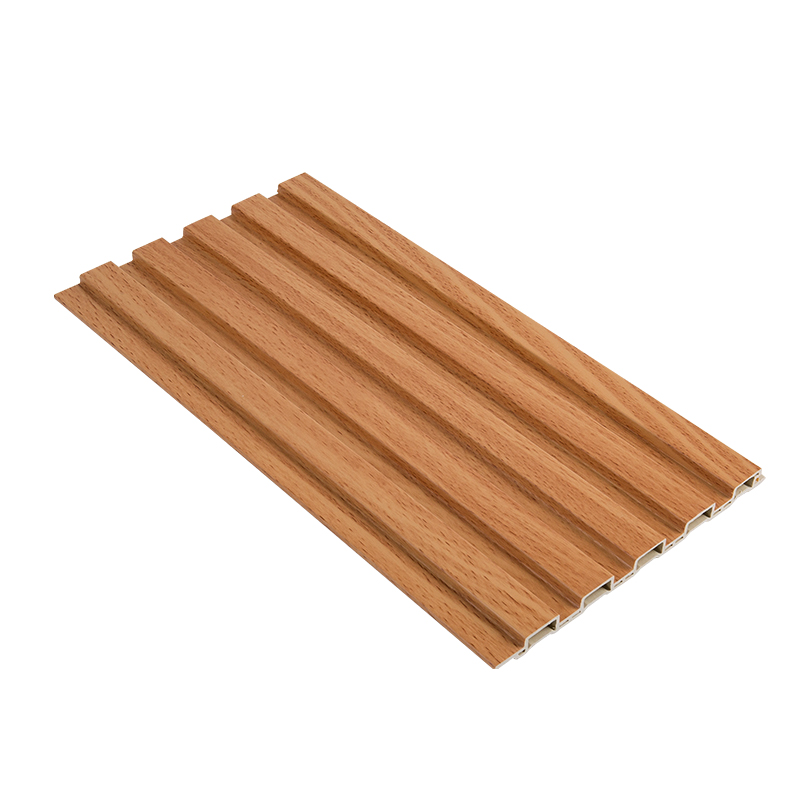
In the current architectural landscape, the demand for sustainable alternatives to rare hardwoods has led to significant advancements in composite material science. Utilizing wpc panels for interior walls (Wood-Plastic Composite) allows designers to replicate the visual warmth of natural timber while achieving superior mechanical stability. This technical guide examines the latest trends in surface engineering, film lamination, and installation geometries that define high-end interior finishes in 2026.
Advanced Surface Engineering for High-End Wood Textures
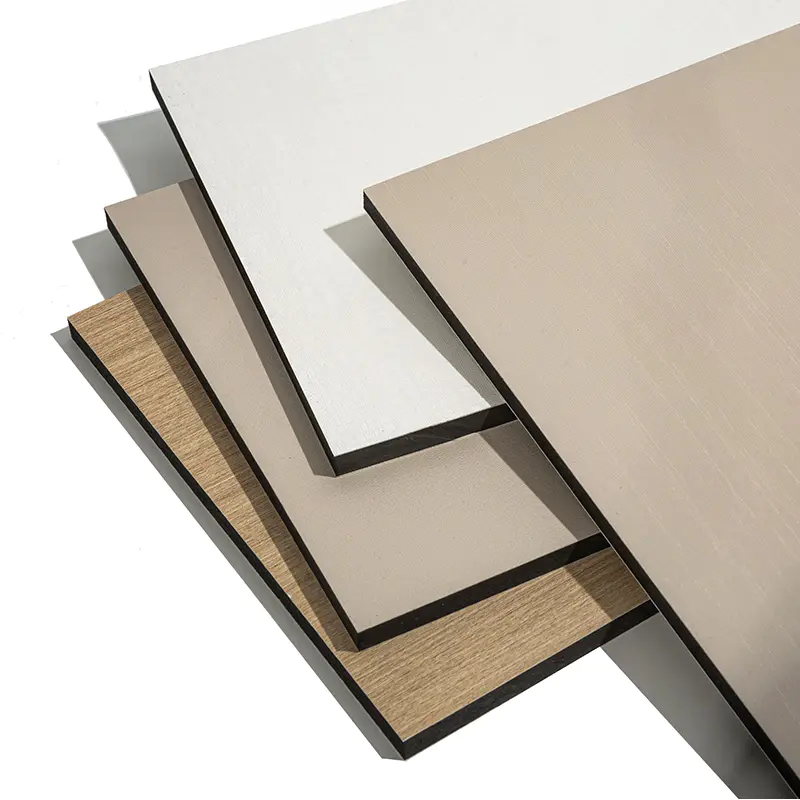
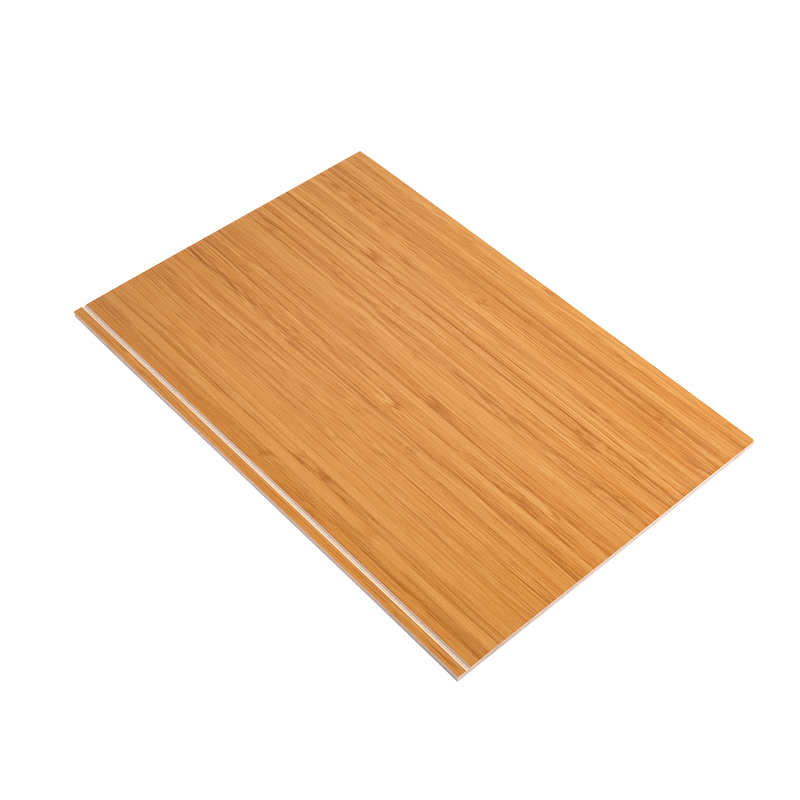
The transition from basic imitation to high-fidelity wood finishes relies on the precision of the protective wear layer and the decorative film. Premium WPC panel surface treatments now utilize 3D synchronous grain technology, where the embossed texture aligns perfectly with the printed wood grain. This eliminates the "plastic" sheen typically associated with lower-grade composites. When evaluating WPC panels vs natural wood veneer aesthetics, the composite version offers the advantage of color consistency across large-scale construction projects, a critical requirement for high-end hospitality and corporate interiors.
Haining Yunxi New Material Technology Co., Ltd. has long been focusing on the independent research and development of these advanced surfaces. By integrating high-performance polymers with refined wood fibers, the resulting wpc panels for interior walls provide a Shore D hardness that exceeds traditional softwoods, ensuring that the luxury finish remains intact under mechanical stress. The following table compares the surface performance of modern WPC against traditional solid wood cladding:
| Technical Metric | Solid Oak Cladding | High-Fidelity WPC Panels |
| Surface Hardness (Shore D) | 45 - 55 | 65 - 75 |
| Color Fade Resistance (UV) | Moderate (Requires Oil) | High (Integrated Stabilizers) |
| Maintenance Interval | 12 - 24 Months | None Required |
Modern Geometry Trends: Fluted and Slat Wall Designs
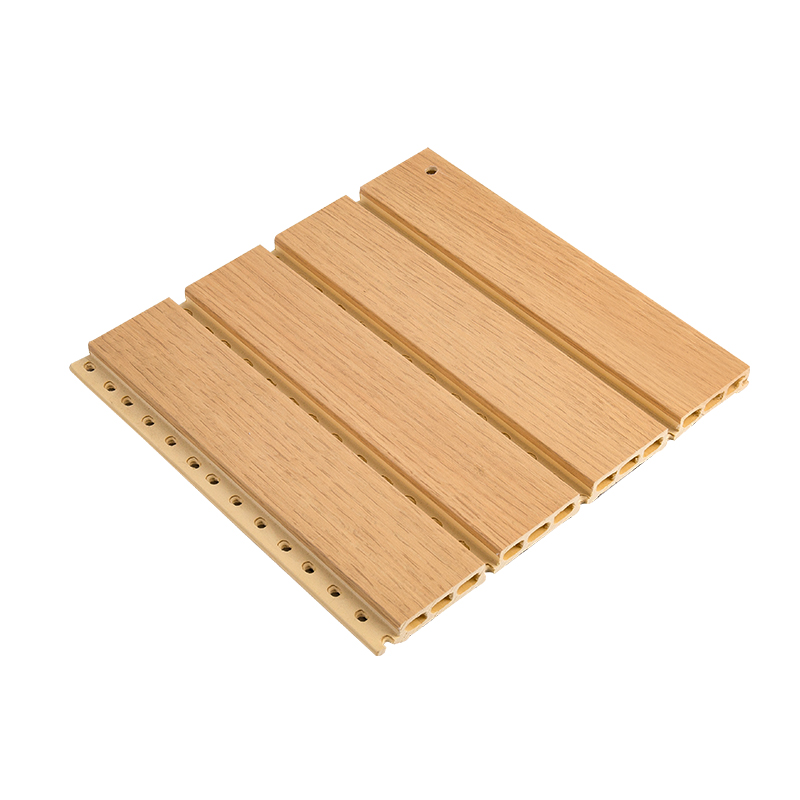
A major design trend involves the shift from flat surfaces to deep-relief "fluted" profiles. This fluted wpc wall panel trend creates a rhythmic verticality that plays with light and shadow, characteristic of high-end architectural millwork. Because wpc panels for interior walls are manufactured via precision extrusion, complex linear patterns can be achieved with a level of geometric accuracy that is cost-prohibitive for solid timber. Haining Yunxi New Material Technology Co., Ltd. maintains a rich product system in the industry, allowing for the production of these high-definition slats that meet the needs of various styles of home decoration.
- Invisible Joint Systems: Utilizing tongue-and-groove engineering to create a seamless "infinite wall" effect.
- Acoustic Integration: Slatted wpc panels for interior walls can be backed with non-woven acoustic felts to reduce reverberation in open-plan offices.
- Integrated Construction Projects: Providing standardized WPC wallboard systems that drastically reduce onsite labor costs compared to traditional carpentry.
How to achieve a seamless wood finish with WPC?
The key to a high-end finish is the management of corners and transitions. Utilizing matching WPC trim and moldings ensures that the grain direction and color tone remain synchronized throughout the room. Haining Yunxi New Material Technology Co., Ltd. has been attracting the attention of the industry by providing all-round development of modern enterprise solutions, including the R&D of specialized corner profiles that allow for "wrapped" pillars and hidden doorways, which are hallmarks of luxury interior design.
Mechanical Properties and Environmental Stability
Beyond aesthetics, the benefits of high-density wpc panels include a significant reduction in the coefficient of linear thermal expansion (CLTE). This ensures that the high-end wood finish does not develop unsightly gaps at the seams during seasonal humidity shifts. For B2B WPC panel procurement, engineers prioritize materials with a water absorption rate of less than 0.5%, which is standard for Haining Yunxi New Material Technology Co., Ltd. high-performance flooring and wall products.
| Stability Parameter | Engineering Threshold | Design Outcome |
| Moisture Expansion | Less than 0.1% | Tight, non-opening joints |
| Flame Retardancy | Class B1 (EN 13501-1) | Compliant for public projects |
| Formaldehyde Release | E0 / Non-detectable | Superior Indoor Air Quality (IAQ) |
What is the lifespan of WPC panels for interior walls?
In a controlled interior environment, the durability of internal wpc wall cladding typically exceeds 20 years. Unlike natural wood, which may require sanding and re-staining, the latest wpc panel design trends favor "fit and forget" solutions. The enterprise pace of development in technological innovation has resulted in film lamination that is resistant to household chemicals and minor abrasions, ensuring that the high-end wood finish wpc panels maintain their refractive properties and tactile warmth for decades.
FAQ
Are WPC panels suitable for high-humidity areas like bathrooms?
Yes, due to the high polymer content, WPC panels are inherently moisture-proof and do not support mold growth, making them an ideal high-end wood finish for spa-like bathroom environments.
Can WPC panels be installed directly over existing wallpaper?
While possible, it is recommended to remove loose wallpaper and ensure the substrate is flat and dry. Using a direct-to-wall adhesive or a lightweight batten system is the standard engineering practice.
How do I clean WPC panels without damaging the wood finish?
WPC panels should be cleaned with a damp cloth and a pH-neutral detergent. Avoid abrasive pads or solvent-based cleaners that could compromise the integrity of the decorative lamination.
What makes WPC panels "eco-friendly" compared to real wood?
WPC utilizes recycled wood flour and post-industrial polymers, reducing the demand for virgin timber and preventing plastic waste from entering landfills, all while requiring zero toxic stains or varnishes.
Do WPC panels contribute to soundproofing?
The density of the composite material provides a modest increase in sound transmission class (STC), and fluted designs help diffuse sound waves, improving the internal acoustics of a space.
Technical References
- ASTM D7032: Standard Specification for Establishing Performance Ratings for Wood-Plastic Composite Decking and Guardrail Systems.
- ISO 16893: Wood-based panels — Particleboard.
- EN 13501-1: Fire classification of construction products and building elements.