+86-18367343973
 English
 Español
 عربى
عربى
Article Directory
Haining Yunxi New Material Technology Co., Ltd. has established a significant presence in the interior decoration industry through independent R&D and the production of advanced wood veneer and polymer wall cladding systems. Our extensive product architecture is engineered to meet the structural requirements of both residential and high-traffic commercial construction projects. By focusing on technological innovation and material science, we provide solutions that address complex architectural geometries. Specifically, the flexible pvc wall panels developed by our facility are designed to overcome the rigidity of traditional stone while maintaining high-fidelity visual accuracy.
Mechanical Flexibility and Minimum Bend Radius Parameters
The core utility of a flexible pvc wall panels system lies in its thermoplastic composition, which allows for a high degree of elasticity without structural fracture. Engineers must evaluate the minimum bending radius of PVC wall panels to ensure the material can conform to specific column diameters or concave alcoves. Unlike brittle natural stone slabs, these panels utilize a high-density PVC base with optimized plasticizer ratios to allow for cold-bending during installation. Understanding how to bend flexible PVC panels without causing white-stress marks requires a precise balance of material thickness (typically 2mm to 5mm) and shore hardness, ensuring the panels wrap seamlessly around architectural curves while maintaining a flat, uniform surface tension.
Surface Engineering and Stone Finish Fidelity
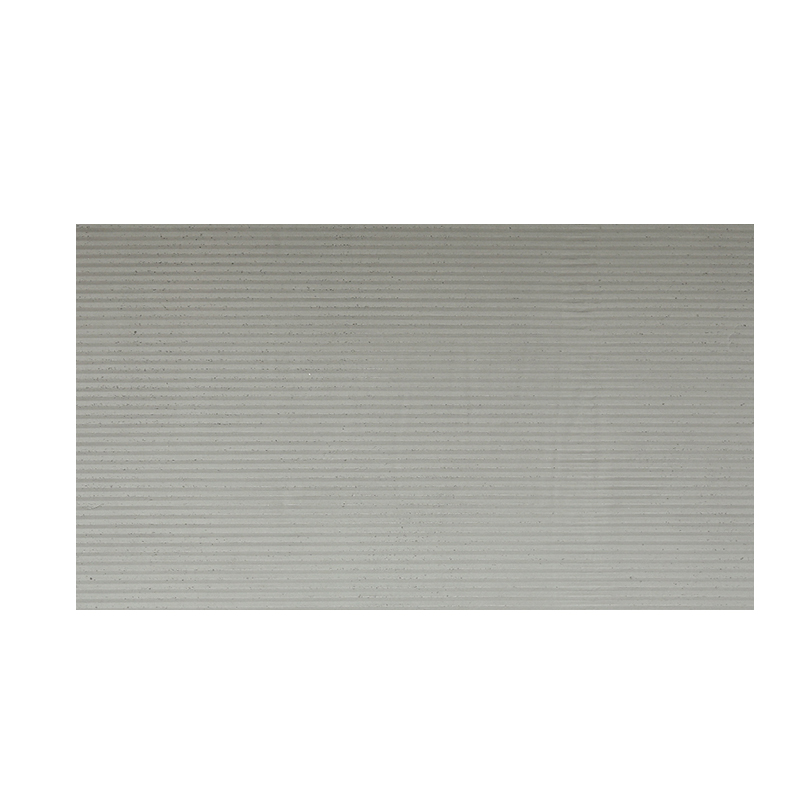
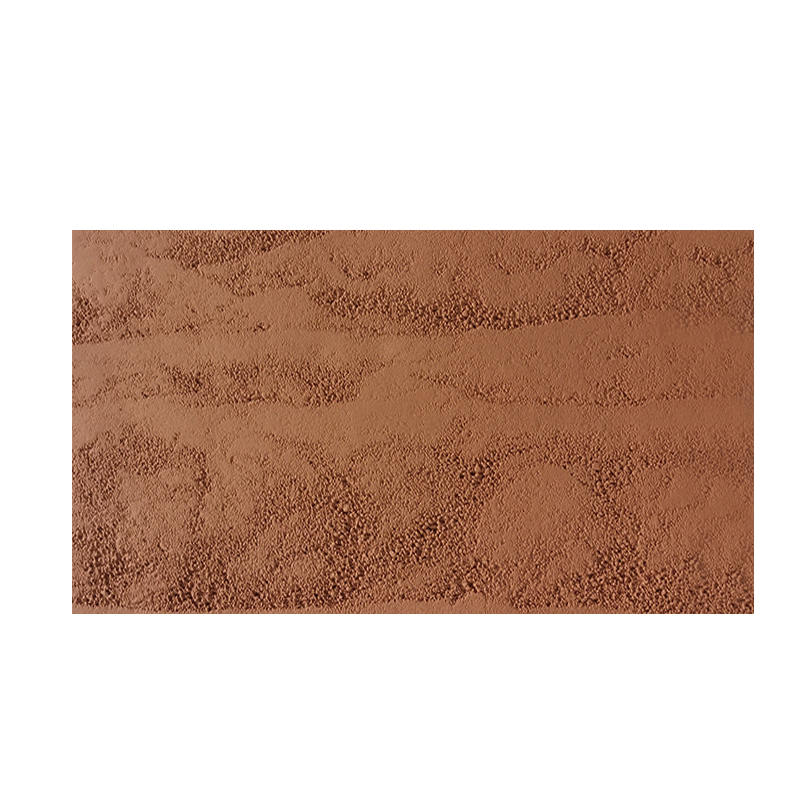
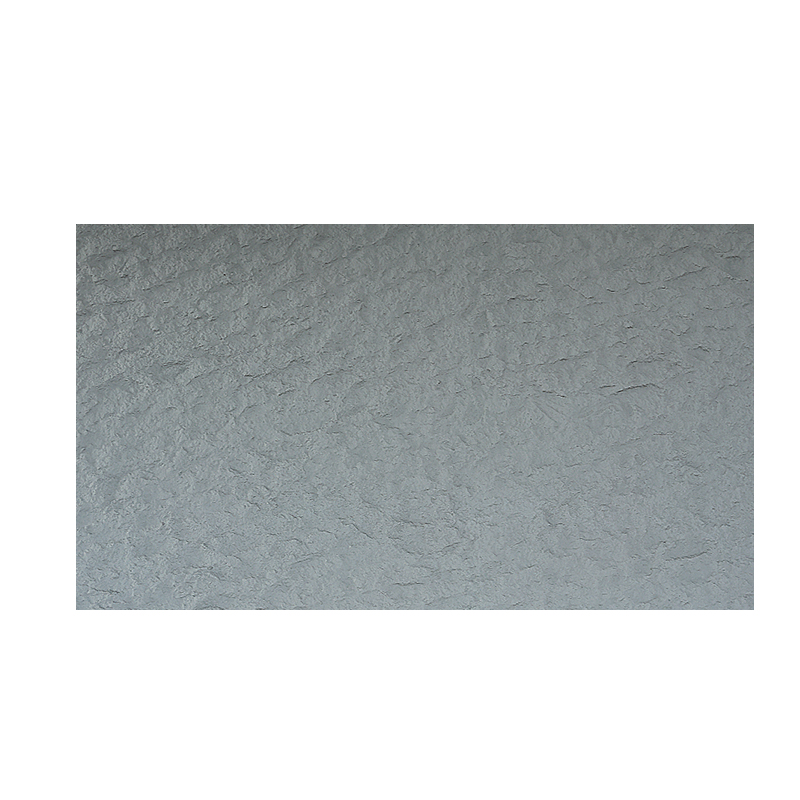
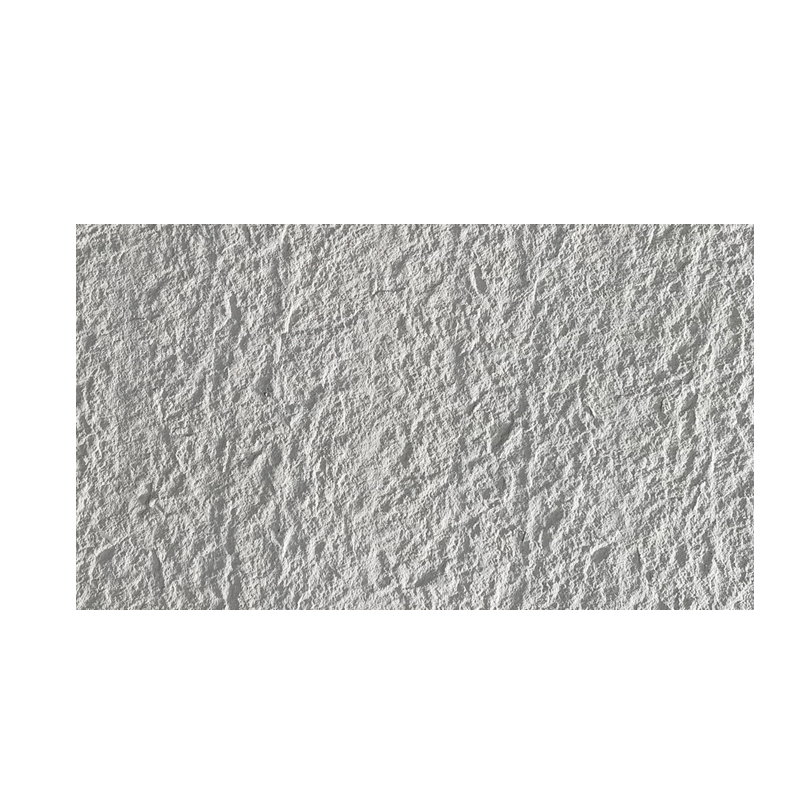
Achieving a seamless stone look with PVC panels involves a multi-layer lamination process that includes a high-definition decorative layer and a UV-curable wear layer. The PVC wall panel surface finish Ra is calibrated to mimic the tactile feel of polished marble or honed slate. A common technical inquiry in the B2B sector is why choose flexible PVC over real stone for curved surfaces; the primary reason is the reduction in dead load on the building structure. While a marble slab may weigh 40-60 kg per square meter, the weight of flexible PVC wall panels is approximately 3-5 kg per square meter, significantly lowering the mechanical stress on curved vertical supports and adhesive bonds.
Installation Protocols for Seamless Joint Transitions
To ensure a continuous aesthetic, the installation of PVC wall panels on curved walls requires a specialized adhesive system and precision edge trimming. Using a solvent-free adhesive for PVC panels prevents chemical degradation of the polymer base while providing the necessary tack for overhead or vertical curved applications. Achieving seamless joints in flexible wall cladding is facilitated by the material's ability to be heat-welded or butt-jointed with color-matched sealants. This technical approach eliminates the visible grout lines typically found in stone tile installations, providing a monolithic appearance that is essential for modern, minimalist architectural designs.
Durability and Environmental Performance Standards
In commercial environments, the durability of flexible PVC wall panels is measured by its impact resistance and flame retardancy. Our panels are engineered to meet Class B1 fire ratings according to GB/T 8624 or EN 13501-1, which is a mandatory requirement for public construction projects. Furthermore, the waterproof properties of flexible PVC make it an ideal substrate for high-humidity areas where natural stone might suffer from efflorescence or staining. The following data highlights the performance advantages of engineered PVC against traditional stone veneers in curved applications.
| Property Metric | Natural Stone Veneer | Flexible PVC Wall Panels |
| Flexibility Range | Rigid / Extremely Limited | High (Up to 360-degree wraps) |
| Impact Strength (kJ/m2) | Moderate (Brittle) | High (Ductile) |
| Moisture Absorption (%) | 0.5 - 3.0 | Less than 0.1 |
| Installation Speed (m2/day) | Low (Heavy Equipment) | High (Manual Labor) |
| Formaldehyde Emission | None | E0 Grade / Zero |
Maintenance and Lifecycle Efficiency in Public Spaces
The cleaning and maintenance of PVC wall panels in high-traffic areas is significantly less intensive than natural stone. The non-porous surface prevents the absorption of oils and dyes, and the UV-resistant topcoat ensures that the stone-pattern fidelity does not degrade under artificial or natural lighting. For facility managers, the long-term cost of flexible PVC panels is further reduced by the ease of localized repair; if a panel is mechanically damaged, a single section can be replaced without the structural demolition required for stone masonry. This technical versatility confirms why Haining Yunxi New Material Technology Co., Ltd. solutions are increasingly specified for luxury hotels, healthcare facilities, and corporate headquarters.
Industrial Technical FAQ
Q1: Can flexible PVC wall panels be used for outdoor curved facades?
A1: While primarily designed for interior use, specific exterior-grade versions with enhanced UV-stabilizers are available to prevent photo-oxidation and color fading.
Q2: What is the maximum temperature these panels can withstand before warping?
A2: Most flexible PVC panels maintain dimensional stability up to 60°C. For areas near heat sources, a thermal buffer is recommended.
Q3: Are specialized tools required for cutting these panels on-site?
A3: No, high-density PVC panels can be cut using standard fine-tooth saws or heavy-duty utility knives, though CNC routing is recommended for complex architectural patterns.
Q4: How do the panels handle expansion and contraction in large installations?
A4: An expansion gap of 1-2mm is typically left at the perimeter and concealed with trim profiles to accommodate the material's coefficient of thermal expansion.
Q5: Do these panels provide any acoustic benefits?
A5: While primarily aesthetic, the polymer density provides a mild damping effect on high-frequency sound reflections compared to hard, polished stone.
Technical References
- ISO 4892-2 - Plastics - Methods of exposure to laboratory light sources (Xenon-arc lamps).
- ASTM D790 - Standard Test Methods for Flexural Properties of Unreinforced and Reinforced Plastics.
- GB/T 4085 - Semi-rigid polyvinyl chloride floor tiles (Reference for material density and wear resistance).