+86-18367343973

 English
 Español
 عربى
عربى
Article Directory
A WPC Indoor Panel is an interior wall or ceiling covering made from wood plastic composite, a material that blends wood fiber with polymer resin to produce a panel that resists moisture better than solid timber while still carrying a wood-like surface texture. For buyers sourcing a WPC Indoor Panel for a design or construction project, the decision usually comes down to matching panel type, finish, and performance rating to the room it will live in. This guide covers the panel types on the market, where each performs best, the properties worth checking before ordering, and what installation typically involves.
Types of WPC Indoor Panels
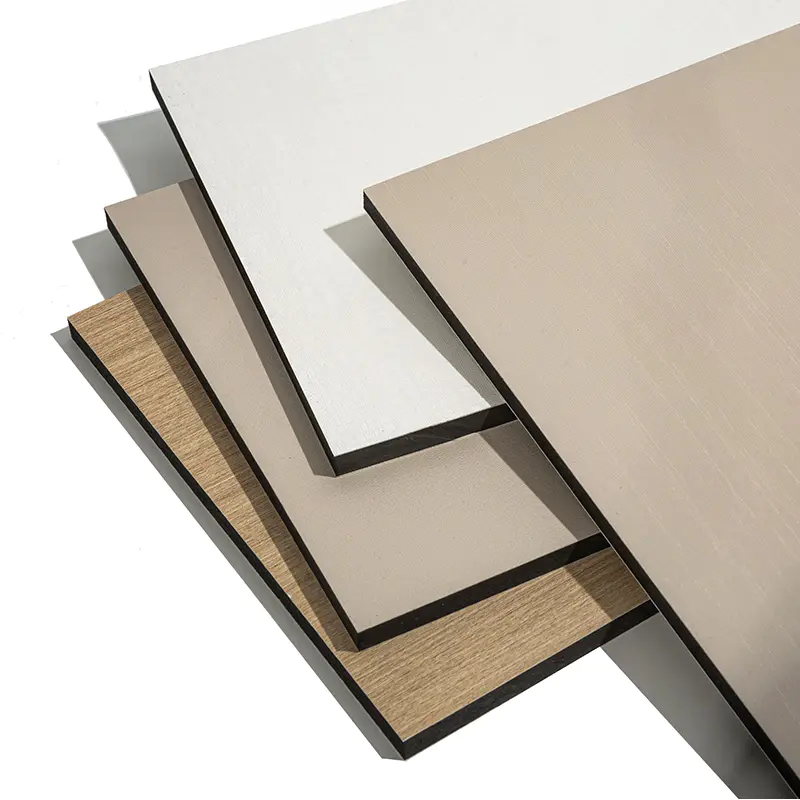
Wood plastic composite wall panels are produced in several structural formats, and the differences between them affect both appearance and how the panel behaves once installed. Understanding these formats first makes it easier to read a supplier's specification sheet and compare options on equal terms.
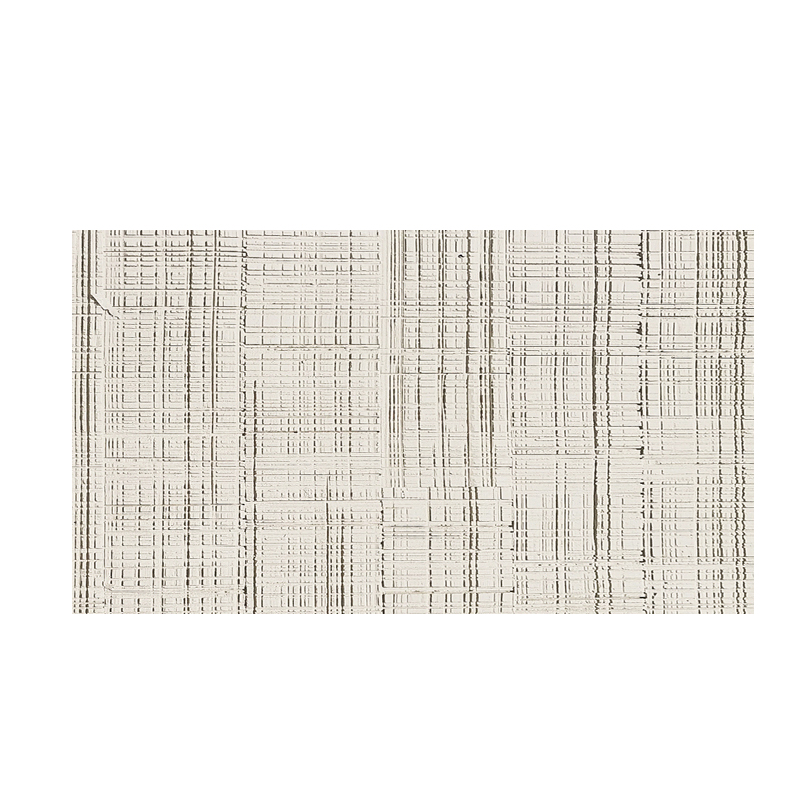
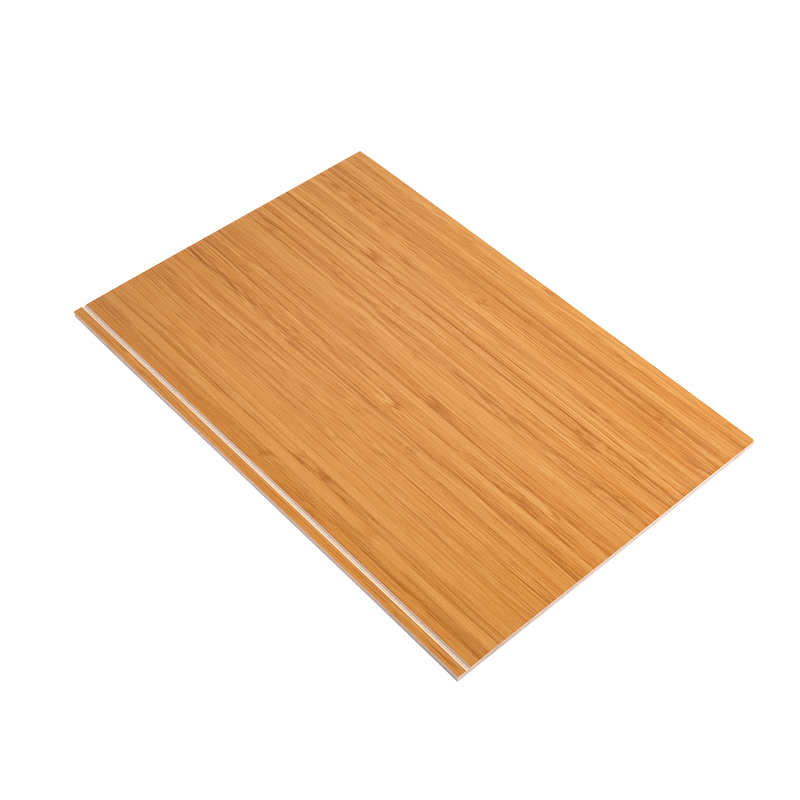
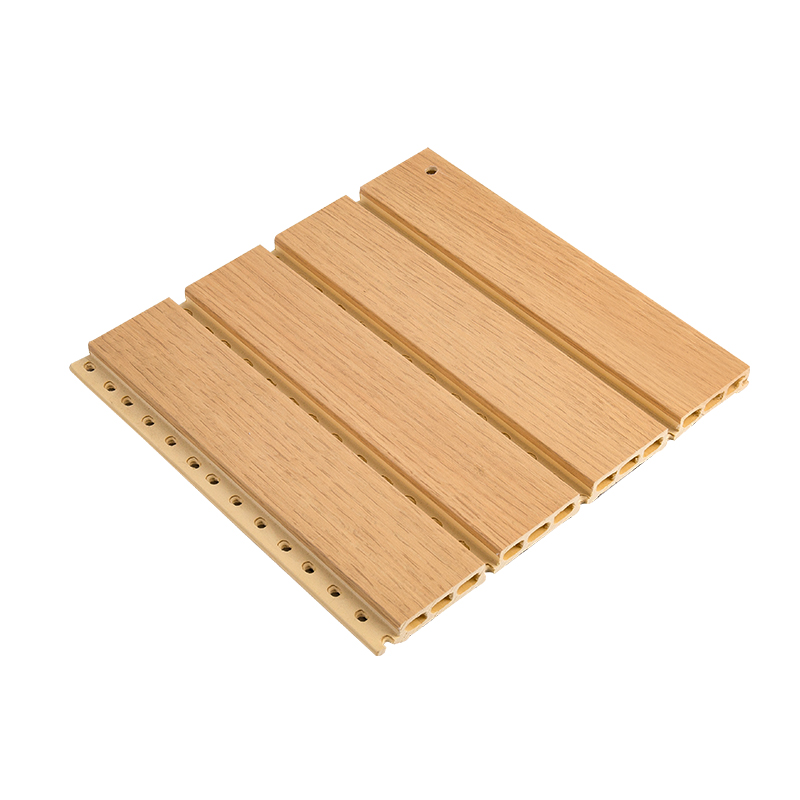
Wood Grain
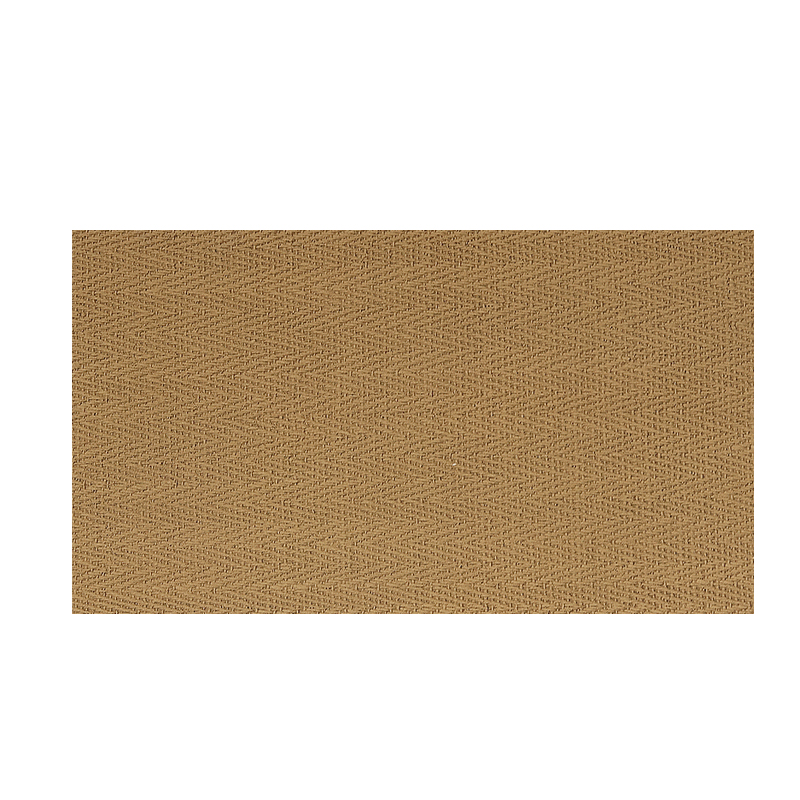
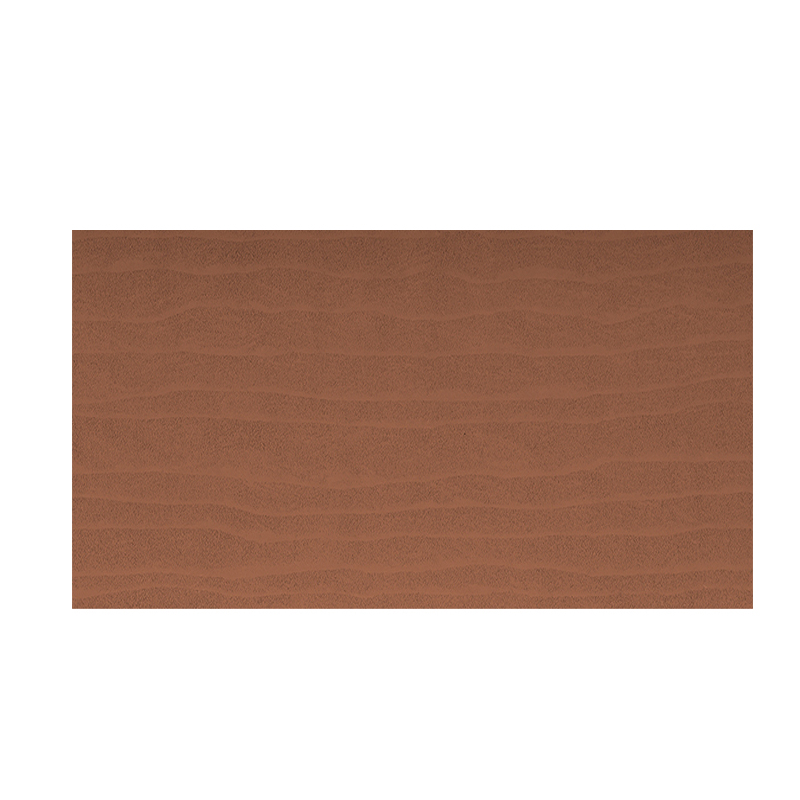
Matte Solid
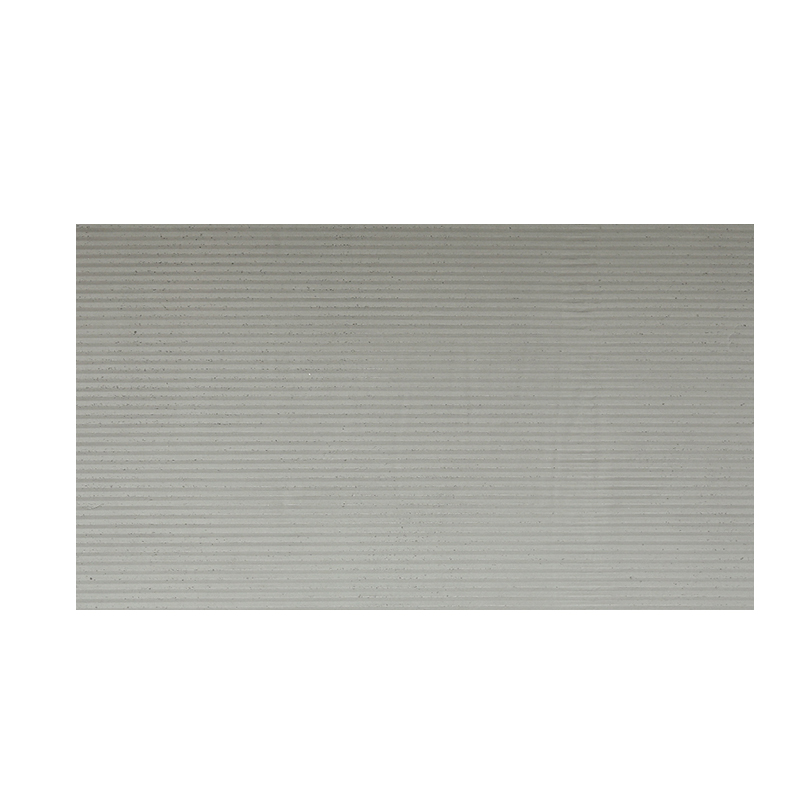
Stone Texture
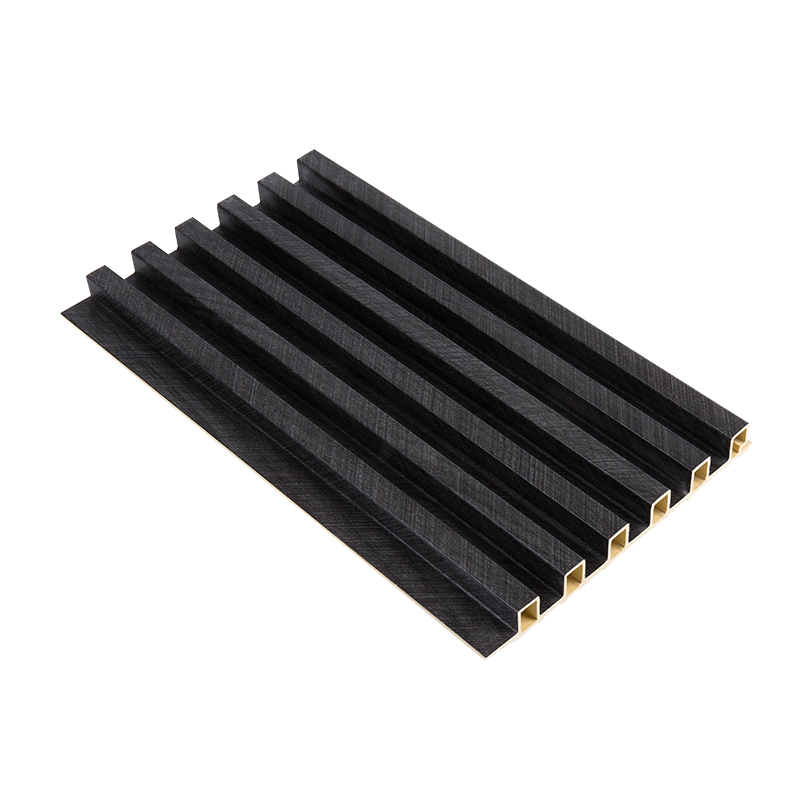
Brushed Metallic
Panel
WPC Wall Panel
The most common interior WPC panel format, typically supplied as slats, planks, or full boards for direct wall cladding over an existing surface or a batten frame.
Ceiling
WPC Ceiling Panel
Built with a lighter core and reinforced grid backing for overhead mounting, a WPC ceiling panel for interior use needs a different load and sag rating than a wall panel of the same thickness.
Decor
Decorative WPC Wall Panel
Fluted, grooved, or embossed surface profiles designed primarily for visual impact in feature walls, reception areas, and retail interiors.
Types of WPC indoor panels also vary by core density and surface treatment. A denser core generally improves impact resistance and screw-holding strength, which matters more in high-traffic commercial corridors than in a low-traffic residential bedroom. Surface treatment, whether a co-extruded capping layer, a laminated foil, or a printed and coated finish, determines how the panel resists fading, scuffing, and staining over years of use. Interior WPC cladding panels intended for busy public spaces are generally specified with both a denser core and a more robust surface capping than panels chosen purely for a quiet residential room.
Applications of WPC Indoor Panels
WPC indoor panels are applied across a wide range of interior settings, and matching the panel to the room's conditions and traffic level is the starting point for any specification decision.
Living Rooms and Residential Feature Walls
WPC indoor panels for living room use are frequently chosen for feature walls behind media units or seating areas, where the wood-grain or fluted decorative finishes add visual texture without the maintenance demands of solid wood paneling.
Bedrooms
WPC wall panels for bedroom applications typically favor softer matte finishes and acoustic-friendly grooved profiles, since panel texture and light reflection both influence how a private room feels day to day.
Office and Commercial Interiors
WPC panels for office interiors need to hold up to more frequent contact than a residential wall, so specifications for these projects usually prioritize scratch resistance and ease of cleaning over decorative complexity. Reception areas and meeting rooms are common placements, where a consistent finish across large wall runs supports a cohesive commercial interior look.
Commercial and Public Ceilings
WPC ceiling panels for commercial buildings are used in corridors, lobbies, and retail spaces where moisture resistance and fire performance requirements are typically stricter than in residential ceilings. Ceiling installations also need to account for panel weight and the supporting grid or batten system, since an overhead application carries different structural demands than a wall.
Interior decorative WPC panels perform best when the finish is chosen alongside the room's lighting plan. A matte or brushed texture reduces glare under strong overhead lighting, while a higher-sheen wood grain finish can add warmth to a room lit primarily by softer ambient sources. Reviewing a physical sample under the room's actual lighting, rather than judging finish from a photo or a small swatch, avoids mismatched expectations after installation.
Beyond residential and office settings, hospitality venues, retail fit-outs, and healthcare facilities also specify WPC panels where a durable, easy-to-clean wall or ceiling surface is needed alongside a warmer visual character than plain painted drywall or metal cladding typically provides.
Key Performance Properties Buyers Should Evaluate
A moisture resistant wall panel is one of the primary reasons buyers move from solid wood to wood plastic composite in the first place. Because the polymer component in a WPC panel does not absorb water the way solid wood fiber does, a waterproof WPC indoor panel is far less prone to swelling, warping, or delamination in bathrooms, kitchens, and other higher-humidity interior spaces, though the surface capping and edge sealing still play a role in how well that resistance holds up over time.
| Property | What to Verify | Why It Matters |
| Moisture Resistance | Core composition and edge sealing | Prevents swelling in humid rooms |
| Fire Performance | Fire rating classification | Required for many commercial projects |
| Scratch Resistance | Surface capping hardness | Affects appearance in high-traffic areas |
| Maintenance Method | Recommended cleaning process | Impacts long-term upkeep cost |
Fire retardant WPC panel specifications are especially relevant for commercial and multi-unit residential projects, where local building codes often set a minimum fire performance classification for interior wall and ceiling materials. A fire resistant WPC wall panel achieves its rating through the specific formulation of the composite core rather than a surface coating alone, so buyers working on code-regulated projects should request documented fire classification rather than relying on general marketing claims.
Scratch resistant WPC panel performance depends heavily on the surface capping layer, since this outer layer is what actually contacts hands, furniture, and cleaning tools during normal use. A durable interior WPC panel intended for a corridor, retail floor, or other high-contact zone benefits from a harder capping layer, while panels destined for lower-traffic private rooms can often use a lighter-duty finish without a noticeable difference in real-world performance.
A low maintenance wall panel is generally one that can be cleaned with a damp cloth and mild detergent, without requiring refinishing, sealing, or specialized products over its service life.
Easy maintenance WPC wall panels also depend on installation quality, since gaps at seams or fasteners can trap moisture or dust regardless of how resistant the panel material itself is. Reviewing both the material specification and the recommended installation method together gives a more complete picture of how a panel will actually perform once it is part of a finished interior.
Installation and Design Considerations
WPC wall panel installation generally follows one of two approaches: direct adhesive mounting to a flat, prepared substrate, or mechanical fixing onto a batten frame that creates a small air gap behind the panel. The batten approach is often preferred in humid rooms or uneven walls, since the air gap helps manage residual moisture and the frame can compensate for minor surface irregularities.
How to install WPC indoor panels correctly starts with confirming the substrate is dry, structurally sound, and free of active moisture issues before any panel is fixed in place. Panels should also be allowed to acclimate to the room's temperature and humidity for a short period before installation, which reduces the risk of dimensional movement after fixing. A WPC ceiling panel installation additionally requires confirming that the supporting grid or joist spacing matches the panel's rated span, since an under-supported ceiling panel is more likely to sag over time.
Interior wall cladding installation typically proceeds from a level reference line, with panels or slats worked outward from a fixed starting point to keep spacing and alignment consistent across the full wall run. Expansion gaps at panel edges and room boundaries are a standard part of most WPC wall panel installation guides, since the composite material can expand and contract slightly with temperature and humidity changes even though it is far more dimensionally stable than solid wood.
WPC panel design ideas commonly combine two or three finishes across a single project, such as a wood grain panel for the main wall area paired with a fluted decorative accent around a doorway or media feature, giving a decorative wall panel system some visual variation without complicating the overall material specification or sourcing process.
FAQ
What is a WPC indoor panel?
It is an interior wall or ceiling panel made from wood plastic composite, a material combining wood fiber and polymer resin, used for cladding and decorative interior surfaces.
Are WPC indoor panels waterproof?
WPC panels are generally moisture resistant due to their polymer content, though actual waterproof performance depends on the specific core formulation, surface capping, and how well seams and edges are sealed during installation.
How long do WPC wall panels last?
Service life depends on the panel specification, installation quality, and the conditions of the space, so it varies by project rather than following one fixed figure across all products and environments.
Can WPC panels be used on ceilings?
Yes, WPC ceiling panels are available with core and backing structures designed for overhead mounting, though ceiling use requires confirming the panel's rated span against the supporting grid or joist spacing.
How do you install WPC wall panels?
Installation typically uses either direct adhesive mounting to a prepared substrate or mechanical fixing onto a batten frame, with panels worked outward from a level reference line and expansion gaps left at edges and boundaries.
Are WPC panels easy to maintain?
Most WPC panels can be cleaned with a damp cloth and mild detergent and do not require refinishing or sealing, though correct installation also plays a role in keeping long-term maintenance simple.
Final Thoughts
Choosing the right WPC indoor panel comes down to matching panel type, finish, and performance rating to the specific room and traffic level it will serve. Moisture resistance, fire performance, and surface durability each matter more or less depending on whether a panel is destined for a quiet bedroom, a busy commercial corridor, or an overhead ceiling application. Reviewing these factors alongside a sound installation method gives a wall or ceiling system that holds its appearance and performance well over time.